REVIEW · TOKYO
Tokyo Imperial Palace with Kagurazaka Alley Tour
Book on Viator →Operated by Japan Wonder Travel · Bookable on Viator
Tokyo’s old and new collide on foot. This Tokyo Imperial Palace with Kagurazaka Alley Tour strings together the city’s formal history and its quietly charming backstreets, with a guide who explains what you’re looking at as you walk. You’ll also get free admission stops along the way and a small-group pace that keeps it relaxed.
I especially like two things here: the small group size (max 8), which makes questions easy, and the chance to see Kagurazaka’s narrow lanes—including historic alley pockets that feel like a time machine compared with the usual Tokyo checklist. Guides are praised for making culture feel practical, not just academic.
One consideration: it’s a walking tour that lasts about 3 hours 30 minutes, so you’ll want comfortable shoes and patience for frequent stops and photo moments.
In This Review
- Key Highlights to Know Before You Go
- A Guided Path From Tokyo Station’s Big-Hub Energy
- Imperial Palace Grounds: Seeing What’s There, Not What You Wish Was
- Tokyo Daijingu Shrine: Amaterasu and Why Shinto Architecture Reads Like a Map
- Kagurazaka’s Cobblestones: The Neighborhood Most First-Timers Skip
- Geisha Alley and the Side-Street Loop You’ll Want to Repeat
- Ushigome Mitsuke and the Edo Castle Edge You Can Still Read
- Price and Value: Why $52.84 Can Make Sense
- Logistics That Actually Matter: Meeting Points, Mobile Tickets, and Timing
- What It’s Like With Guides Like Sho and Aya
- Who Should Book This Tour (and Who Might Skip)
- Should You Book the Tokyo Imperial Palace with Kagurazaka Alley Tour?
- FAQ
- How long is the Tokyo Imperial Palace with Kagurazaka Alley Tour?
- How big is the group?
- What does the tour cost?
- Where does the tour start and end?
- Is this tour mostly public-transport friendly?
- Do tickets cost extra for the stops?
- Do I get a paper ticket or a mobile ticket?
- Who can join the tour?
- What is the cancellation policy?
- When should I book?
Key Highlights to Know Before You Go
- Max 8 people keeps the tour conversational and not rushed
- Guides with real explanations, like Sho and Aya, focus on meaning in the details
- Imperial Palace grounds + Edo-era viewpoints give context without museum-style overhead
- Kagurazaka’s alley stops go past the main sights into geisha-era streets and side passages
- Architecture symbolism is part of the experience, including roof details you can ask about
A Guided Path From Tokyo Station’s Big-Hub Energy
Starting at Tokyo Station can feel like a cheat code. You’re dropped into one of the busiest transit hubs in Japan, in the Marunouchi area, and you get your bearings fast. Instead of wandering “because it’s there,” the guide frames Tokyo Station as a gateway into how the city is organized today and how power and movement shaped the capital over time.
From there, the tour shifts from modern flow to formal space. That rhythm matters. Tokyo can be loud and fast for new visitors, but this route uses the city’s contrast as a teaching tool: big city first, then ceremony and gardens, then back to lived-in neighborhoods.
You can also read our reviews of more tours and experiences in Tokyo.



Imperial Palace Grounds: Seeing What’s There, Not What You Wish Was
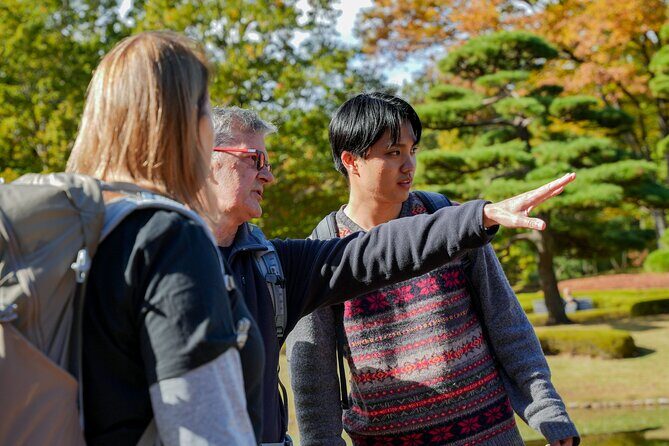
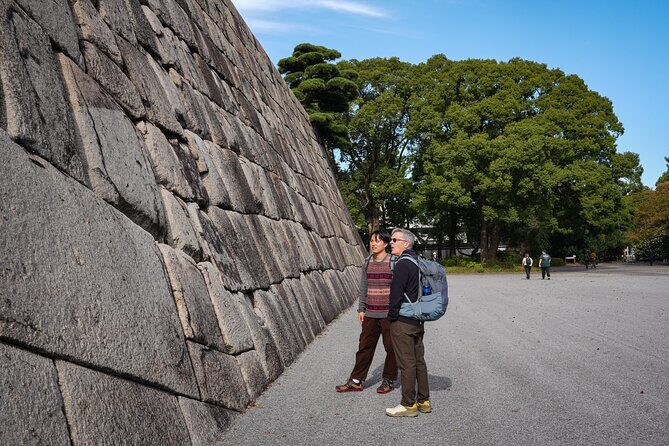
The Imperial Palace stop is built around the outside world you can actually enjoy: gardens, moats, and expansive park areas. Even if you’re used to palace trips where you feel like you’re either “in” or “out,” this one works differently. You’re encouraged to look at the design logic—how walls, water, and open space create a sense of order and distance.
One reason this tour feels strong is that the guide’s tone tends to connect architecture with belief and everyday symbolism. In particular, one guide’s style was praised for tying Buddhist tradition to visible structure, which is the kind of explanation that helps you notice things you’d otherwise miss. Another highlight from the tour’s feedback: people love hearing the meaning behind roof details—like fish-shaped elements—because it turns decoration into story.
You also get that “free admission” perk at this stop, which makes the visit feel like better value. You’re paying for the interpretation and pacing, not a ticket stack.
Practical note: palace grounds can be chilly or windy depending on the season. If you’re going early in the day, bring layers you can adjust, especially if blossoms or morning air are part of the plan.
Tokyo Daijingu Shrine: Amaterasu and Why Shinto Architecture Reads Like a Map
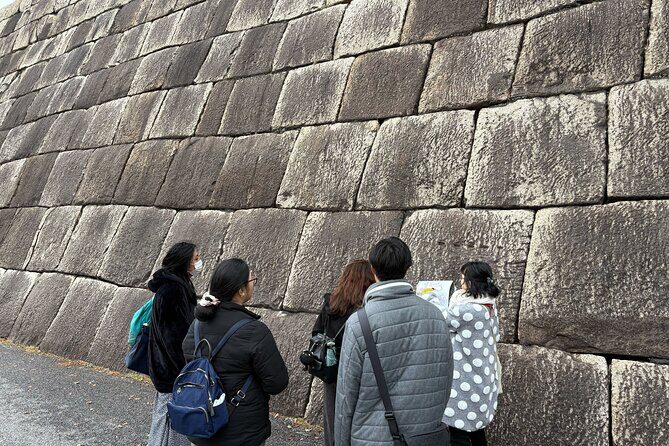
Next comes Tokyo Daijingu, a Shinto shrine in the Kanda district, dedicated to Amaterasu, the sun goddess, plus spirits of Japan’s imperial family. The tour keeps this stop short (about 15 minutes), but it’s timed well. You’ve just seen imperial-era space. Now you learn how Japan’s spiritual worldview sits alongside political power.
This is where a good guide makes a difference. Instead of treating the shrine like a photo backdrop, you get pointers on what to notice—often that starts with the idea that Shinto spaces work like sensory navigation. Sight lines, materials, and even the way a shrine is approached tend to guide attention.
Free admission here too, so you’re not paying again to get cultural context. And if you’re the type who likes asking questions, this is a friendly moment to do it—because shrine settings invite curiosity about meaning.
Kagurazaka’s Cobblestones: The Neighborhood Most First-Timers Skip
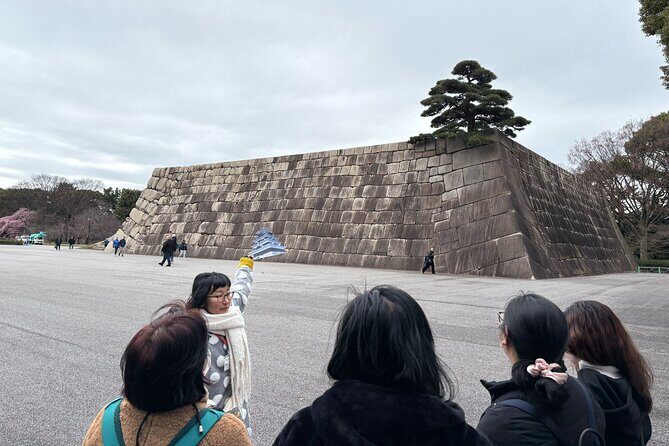
Then the tour pivots to Kagurazaka, where the atmosphere changes quickly. This is one of Tokyo’s older-feeling corners, once known for geisha culture, with narrow cobbled backstreets lined today by traditional restaurants, cafes, and small shops. The tour’s structure helps: you’re not just walking one stretch, you’re guided through pockets with distinct flavors.
If you like Tokyo for more than its mega-sights, Kagurazaka is where that interest becomes real. The streets are tight. The pace slows naturally. You start to notice textures: stone, signs, storefront rhythms, and the way buildings hug the lanes.
Geisha Alley and the Side-Street Loop You’ll Want to Repeat
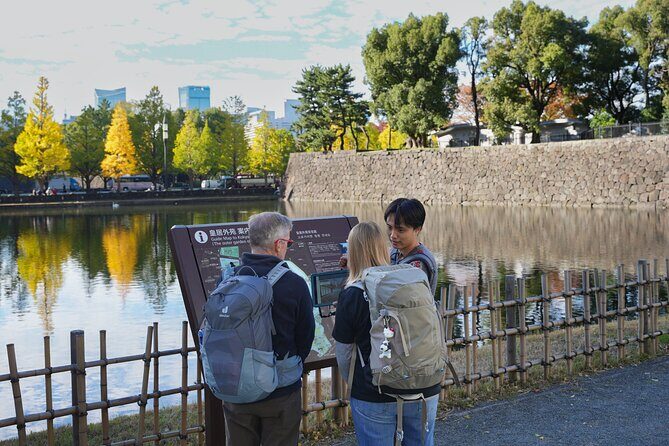
Within Kagurazaka, you’ll hit a historic route commonly referred to as the Geisha Alley. Today it’s more nostalgic than formal, but the narrow lanes and traditional teahouse atmosphere still carry old Tokyo energy. This is a good stop for orientation, because it shows how Kagurazaka’s history shaped its street pattern.
After that, you continue into three alley experiences that feel like mini-worlds:
- Hyogo Yokocho: a narrow passage with old-fashioned charm and small, cozy eateries and shops.
- Kakurenbo Yokocho: a hidden-feeling lane with small bars and places to eat, giving a quieter, intimate vibe.
- Plus the way the tour connects these lanes, so you don’t just stumble from one alley to the next.
What I like about this setup is that it respects how Tokyo works. Neighborhoods like this are best understood by how people use them, not by how many landmarks you can check off. A guide helps you notice the difference between a street that looks “old” and a place that’s truly still operating at a smaller human scale.
Also, small group size matters here. When you’re squeezing into narrow lanes, fewer people means fewer bottlenecks and better photo angles.






Ushigome Mitsuke and the Edo Castle Edge You Can Still Read
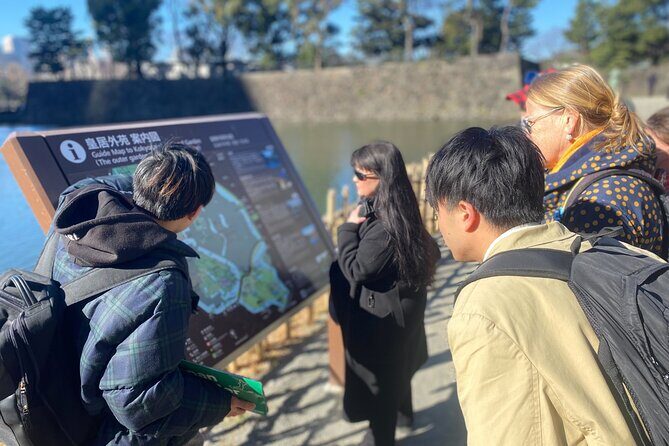
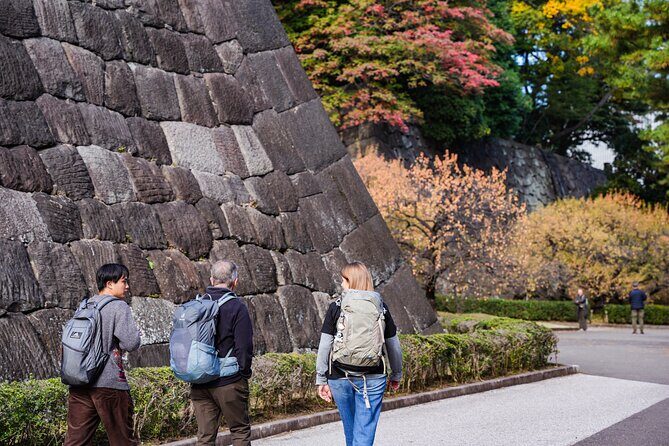
As you work through the area, you’ll also see Ushigome Mitsuke, described as one of the Edo Castle gates in the Ushigome area. The important part for visitors is what you’re supposed to take away: even when the original structure is gone, Tokyo still keeps traces of its defensive history through location, remnants, and the way routes have evolved.
This stop adds a “how Tokyo defended itself” layer that complements the Imperial Palace and shrine context. Together, the day doesn’t stay in one box. You move from imperial residence space to shrine spirituality to the neighborhood streets that people lived in around the edges of older power systems.
It also gives you something useful for later. Once you learn how these places relate, you’ll start spotting patterns in other parts of Tokyo—especially how streets align with former borders and institutions.
Price and Value: Why $52.84 Can Make Sense
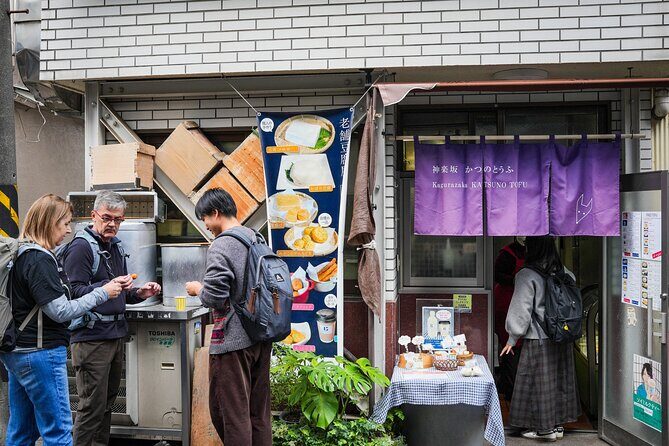
At $52.84 per person for roughly 3 hours 30 minutes, this tour lands in the mid-range for Tokyo walking experiences. The “worth it” part isn’t the distance or the number of stops. It’s the value of having someone interpret what you’re seeing.
Here’s what you’re getting that self-guided walking usually doesn’t provide as well:
- Context at each stop (not just directions)
- Cultural connections you can apply to other sights
- A route that mixes major landmarks with smaller streets in one logical arc
- Free admission listed for multiple stops, which keeps costs from creeping up
So if you like learning while walking, this price can be a good trade. If you prefer pure DIY discovery with zero structure, you might question paying for a guide. But Kagurazaka, in particular, is the type of area where a local perspective helps you understand what you’re looking at and where to spend your extra time after the tour.
Logistics That Actually Matter: Meeting Points, Mobile Tickets, and Timing
The tour runs in the morning starting at 9:00 am, beginning at the Shin-Marunouchi Building in Marunouchi. The end point is in Kagurazaka, near the main street (close to a FamilyMart), which is convenient because it leaves you where the fun neighborhood walking continues.
You’ll get a mobile ticket, which is low-friction. That’s useful in Tokyo, where paper tickets can feel like extra baggage.
Also pay attention to the time you choose. One review mentioned blossoms as a highlight during the Imperial Palace season, and another praised a guide’s ability to connect plant/season observations to the site. If you’re going during a bloom-heavy period, this tour can feel especially memorable.
What It’s Like With Guides Like Sho and Aya
The feedback on guides is one of the best reasons to consider this tour. Sho is mentioned as enthusiastic and well-versed in Japanese history, not only palace history. Aya is praised as experienced and knowledgeable, including helping the group with photos—small, practical support that makes the whole day easier.
There’s also mention of a younger guide with botanical expertise who linked Buddhist tradition with architecture. That matters because Tokyo sights can feel like “pretty backdrops” unless someone explains the why behind the design.
In other words, the guide role here isn’t “walk and read.” It’s more like: you notice more, you understand more, and you leave with a mental map for how Tokyo connects through time.
Who Should Book This Tour (and Who Might Skip)
This is a good match if:
- You want a structured route that still feels easygoing
- You like Tokyo’s neighborhoods and want more than big-ticket landmarks
- You enjoy asking questions and getting meaning behind architecture and street patterns
- You’d rather spend your time learning than searching for the best order yourself
You might skip it if:
- You hate walking for 3+ hours
- You prefer to move at your own pace with no group timing
- You’re only interested in one or two “main sights” and don’t want a neighborhood segment
For most first-time visitors to Tokyo, this tour offers a smart balance of power history and everyday street life. It’s also great for return visitors who already “did the classics” and now want an older-feeling corner without the guesswork.
Should You Book the Tokyo Imperial Palace with Kagurazaka Alley Tour?
I think you should book it if you want Tokyo to feel coherent. This tour doesn’t just point at places. It connects them—imperial space, spiritual context, and Kagurazaka’s alley life—so your day doesn’t feel like separate errands.
It’s also strong value for the money because multiple stops list free admission, and what you’re paying for is interpretation and pacing. With a max of 8 people, the experience stays personal enough that a guide’s explanations (and your questions) actually land.
If your goal is big sights only, DIY Tokyo might be cheaper and simpler. But if your goal is understanding—and then enjoying Tokyo’s quieter streets—this is a solid way to spend a morning.
FAQ
How long is the Tokyo Imperial Palace with Kagurazaka Alley Tour?
It’s about 3 hours 30 minutes.
How big is the group?
The tour has a maximum of 8 travelers.
What does the tour cost?
The price is $52.84 per person.
Where does the tour start and end?
It starts at Shin-Marunouchi Building in Marunouchi (Chiyoda City) and ends at 3-chome-2-202 Kagurazaka (Shinjuku City), near the main street of Kagurazaka.
Is this tour mostly public-transport friendly?
Yes, the tour is described as near public transportation.
Do tickets cost extra for the stops?
Admission is listed as free for multiple stops, including Tokyo Station, Imperial Palace, and Tokyo Daijingu Shrine.
Do I get a paper ticket or a mobile ticket?
You get a mobile ticket.
Who can join the tour?
Most travelers can participate.
What is the cancellation policy?
You can cancel for free up to 24 hours in advance of the experience start time for a full refund.
When should I book?
On average, it’s booked about 42 days in advance.