REVIEW · TOKYO
Ramen Making from Scratch +Akihabara Tour –Tokyo Cooking Class
Book on Viator →Operated by Patia's Japanese Cooking Class · Bookable on Viator
The first clue you will love this is ramen. You get the city-theater of Akihabara and the real skill of making ramen from scratch in one smooth 3.5-hour outing. You learn what to buy, how to use it, and how to assemble a bowl that tastes like it came from a specialty shop.
I especially like the hands-on cooking pace. With a class capped at 12 people, you get enough attention to actually understand the broth, the noodles, and the topping work instead of just watching.
One possible drawback: this is not a vegetarian or vegan class, so if your group needs meatless options, you’ll want to look elsewhere.
In This Review
- Key highlights at a glance
- Akihabara first: a street-level warm-up for hungry cooks
- The supermarket stop: learning what to buy and how to use it
- The short train ride: moving from street Tokyo to cooking Tokyo
- Ramen making from scratch: noodles, broth, and Jiro-style chashu
- Studio time with max 12: less waiting, more doing
- Digital photos: a surprisingly useful souvenir
- Price and value: what you get for $123.55
- Who should book (and who should think twice)
- Should you book this ramen class?
- FAQ
- What is the duration of the Tokyo ramen making experience?
- Where does the tour start and what is the meeting point?
- Is lunch included?
- What does the class include?
- Are there vegan or vegetarian options?
- What group size should I expect?
Key highlights at a glance
- Akihabara walk plus supermarket time so you know what to look for and why it matters
- Ramen from scratch including noodles, rich broth, and chashu pork for Jiro-style ramen
- Small group size (max 12) for more hands-on instruction
- Central Tokyo kitchen studio reached by a short train ride
- Digital photos provided after the experience as a keep-sake
- English-speaking support with guides who help you make sense of Tokyo shopping and cooking
Akihabara first: a street-level warm-up for hungry cooks
This experience starts in Akihabara, Tokyo’s electric district where you’ll see pop culture, gadgets, and busy streets right away. The walk is not just a fun prelude. It’s practical: you’re being oriented to the area and to the idea that you’ll soon be shopping for ramen ingredients in a Japanese supermarket.
A good guide makes a huge difference here, and that shows up in how past groups describe their guides. People mention staff like Saori (who’s described as friendly and helpful with getting bearings in an area that can feel overwhelming). Another guide name you might hear is Bunga, who also gets credit for making the Akihabara part feel easy and interesting rather than chaotic.
If you enjoy exploring neighborhoods but hate feeling lost, this opener is a smart match. You’re not just passing through Akihabara—you’re learning how to navigate it with a goal.
You can also read our reviews of more cooking classes in Tokyo


The supermarket stop: learning what to buy and how to use it
Then you hit a supermarket in Akihabara to pick up ingredients for your ramen. This is one of the highest-value parts of the whole day because it connects two things most people separate: travel and cooking.
In many food lessons, you arrive at the kitchen with ingredients already sorted for you. Here, you learn the “why” behind the shopping. You’ll also get guidance on how Japanese groceries show up in cooking—how local ingredients are typically used and how to think about seasonings in a ramen context.
You’re also learning a real-world skill. When you’re back home, you won’t remember every measurement. But you will remember how to recognize key items and how they change flavor—especially when you compare what you find locally to what you saw in Japan.
One more thing I like: the supermarket time is short enough to stay energetic. About 20 minutes means you get direction fast, not stuck in an endless store aisle hunt.
The short train ride: moving from street Tokyo to cooking Tokyo

After the shopping, you take a train to the kitchen studio. The transit window is about 15 to 30 minutes, so it’s enough to make the change of location feel real without dragging the schedule.
This part matters more than you might think. Ramen lessons can feel either like a museum tour (too staged) or like a home-cooking chaos (no structure). The train transfer acts like a reset button: you go from loud streets to a place designed for cooking, with a clear timeline and a kitchen setup that supports making noodles and broth.
Also, it keeps the experience rooted in daily Tokyo life. You’re learning, in miniature, how locals move through the city to shop, cook, and eat.
Ramen making from scratch: noodles, broth, and Jiro-style chashu
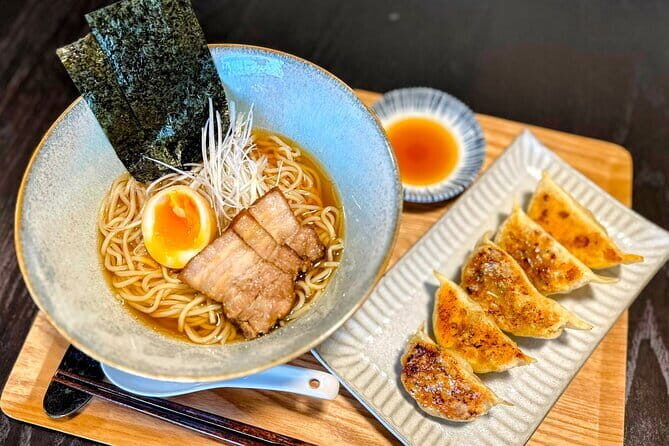
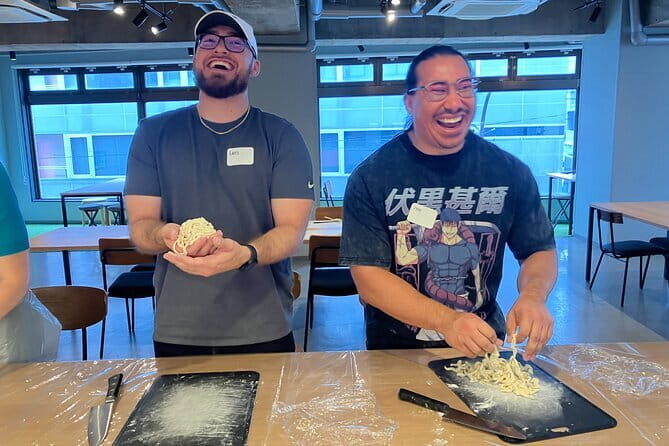
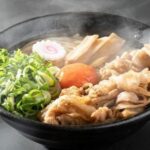
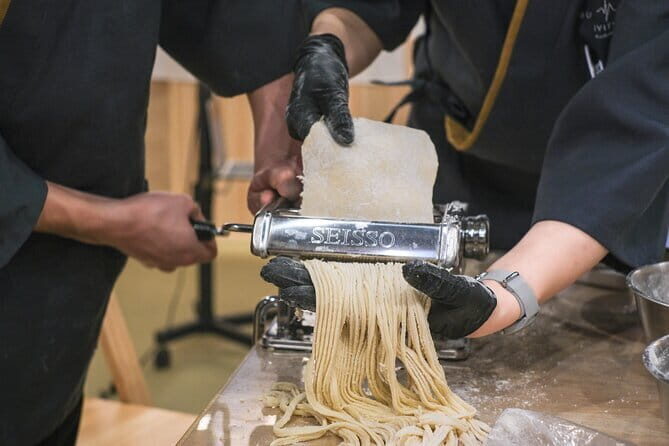
Now the main event: about 90 minutes of ramen making from scratch. This is where the class earns its name, because you’re not just assembling toppings. You’re actively creating the bowl’s foundation.
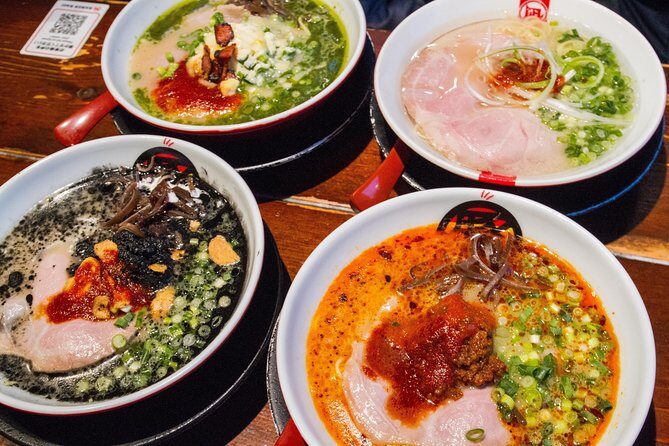
You’ll prepare fresh noodles, make a flavorful broth, and work on toppings—specifically chashu pork for Jiro-style ramen. That matters because Jiro-style ramen isn’t only about taste. It’s also about technique and building the bowl so the components work together instead of sitting separately.
Here’s what you should pay attention to during the class:
- Noodle-making and handling: fresh noodles are different from packaged. Learning how they behave will change the results you get at home.
- Broth development: your instructor’s guidance helps you understand what the broth should feel like during the process, not only what it should taste like at the end.
- Chashu basics: cooking chashu well is a timing-and-temperature lesson, not just a flavor lesson.
By the end, you eat the ramen you made. Lunch is included in the experience, and it’s a big advantage that your meal is part of the lesson instead of an afterthought.
If you care about authenticity, the “Jiro-style” focus is a clear signal. You’re not learning a generic ramen idea. You’re learning one specific style that requires its own balance of elements.
Studio time with max 12: less waiting, more doing
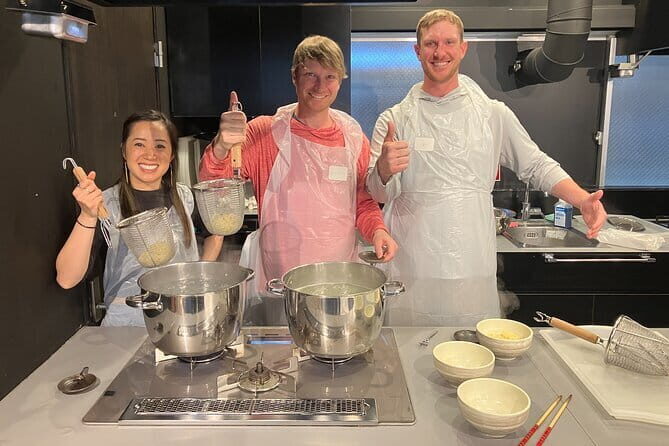
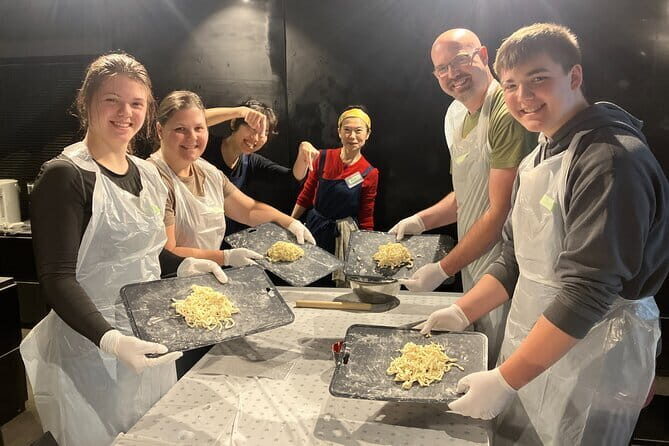
The class is limited to a maximum of 12 travelers, which is a sweet spot for this kind of cooking. If you’ve ever taken a cooking class where everyone squeezes around one station, you know how frustrating it gets. Here, the small group setup helps you get more hands-on time and more direct feedback.
It’s also explicitly set up for an English-speaking instructor. In past experiences, people highlight that the kitchen staff and instructor(s) spoke good English and made explanations clear enough to follow without guessing. Names that have shown up in this context include Kyoko and Hioroko as cooking instructors for ramen preparation.
That kind of language support helps most when you’re mid-process. When you’re making noodles or monitoring broth, you can’t pause to translate in your head. The smoother the explanation, the better your end result.
A few more Tokyo tours and experiences worth a look




Digital photos: a surprisingly useful souvenir
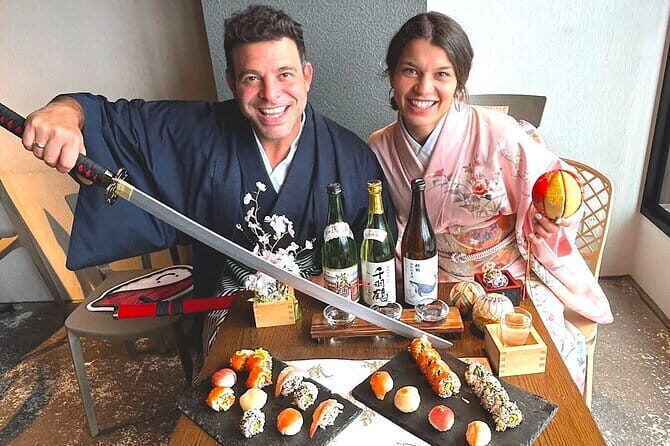
One of the details I actually appreciate is the offer of digital photos from the class afterward. It’s not just a memory grab. When you’re cooking something you’ll try again, having photos helps you remember how the bowl looked when it came together.
That matters for ramen because presentation and component stacking affect the overall experience. If you plan to recreate your bowl at home, those images become a reference point for your own assembly.
It also makes the experience easier to enjoy while you’re doing it. You can focus on cooking without feeling like you’re documenting every step with your phone.
Price and value: what you get for $123.55

At $123.55 per person, this is not a casual ramen snack. You’re paying for a full “learn + eat” format:
- A guided Akihabara walk
- A supermarket ingredient tour
- A kitchen studio session with ramen from scratch
- Lunch
- Digital photos
What makes the value feel real is that you’re not just eating ramen. You’re getting the market-to-kitchen link. That usually costs more when you do it separately—either you pay for tours without cooking, or you pay for cooking without learning how to shop.
The central location also helps justify the price. You’re in Tokyo, and the experience includes a short transit element to a modern kitchen studio. That kind of logistics plus instruction usually adds up fast if you try to DIY it.
One more value point: free cancellation is offered up to 24 hours in advance (so long as you meet the timing rule). That reduces risk if your travel schedule wobbles.
Who should book (and who should think twice)
This experience is a strong fit if you want a skills-based souvenir. If your ideal Tokyo day includes learning something you can repeat at home, you’ll probably feel satisfied rather than just full.
You should also consider it if:
- You like food experiences with structure, not vague “watch and taste” formats
- You want help navigating a Japanese grocery store
- You’re okay with meat, since vegan and vegetarian options are not available
You might think twice if:
- Your group needs vegetarian/vegan meals
- You prefer flexible, unguided touring rather than a timed schedule
- You’re trying to pack in too many activities that day, since the overall duration is about 3 hours 30 minutes
Should you book this ramen class?
Yes, if your goal is to leave Tokyo with more than a photo. This one gives you three useful layers: how to see ingredients in a Japanese supermarket, how to make ramen components from scratch, and how to put it together into a specific style like Jiro-style.
It also works well for families and food-minded travelers who like interactive learning. Past participants specifically call out how fun and not intimidating the class felt, and how much kids enjoyed the hands-on parts—likely helped by the small group size and clear instruction.
If you’re traveling with strict dietary needs, though, it’s an automatic no. And if you’re purely chasing the cheapest meal, you can get ramen for less. But for learning, this price feels fair.
If you want one Tokyo experience that combines street-level culture with a real home-cooking skill, book it and show up hungry.
FAQ
What is the duration of the Tokyo ramen making experience?
It lasts about 3 hours 30 minutes.
Where does the tour start and what is the meeting point?
It starts at Akihabara Station, 1 Chome Sotokanda, Chiyoda City, Tokyo 101-0028, Japan.
Is lunch included?
Yes, lunch is included.
What does the class include?
You’ll do a grocery store tour and cooking experience, and you’ll receive later-downloadable digital photos from the experience.
Are there vegan or vegetarian options?
No, vegan and vegetarian options are not available.
What group size should I expect?
The experience has a maximum of 12 travelers.