REVIEW · KYOTO
Kyoto: Kiyomizudera, Sanjusangendo, Kodaiji, and Gion.
Book on GetYourGuide →Operated by Benzaitentours · Bookable on GetYourGuide
Kyoto feels big. This route keeps it human. I really like the contrast of Sanjusangendo’s huge scale and Kiyomizudera’s dramatic hillside terrace—then you finish in Higashiyama streets with Gion atmosphere. The one drawback: it’s a full 7 hours with some stairs and walking, and the live guide is Spanish only.
You’ll start at Shichōjō Station (Exit 1) at 9:00 a.m., then work your way through temple halls, old cobbled lanes, and shrine viewpoints in a smart order. The group is limited to 10 people, so it doesn’t feel like a human pinball match.
One more consideration: you’ll ride buses between areas, so bring cash (230 yen) or an IC card like ICOCA, SUICA, or PASMO. If you hate switching pace often, this tour may feel busy.
In This Review
- Key highlights worth the attention
- Sanjusangendo to Gion: why this Kyoto day feels focused
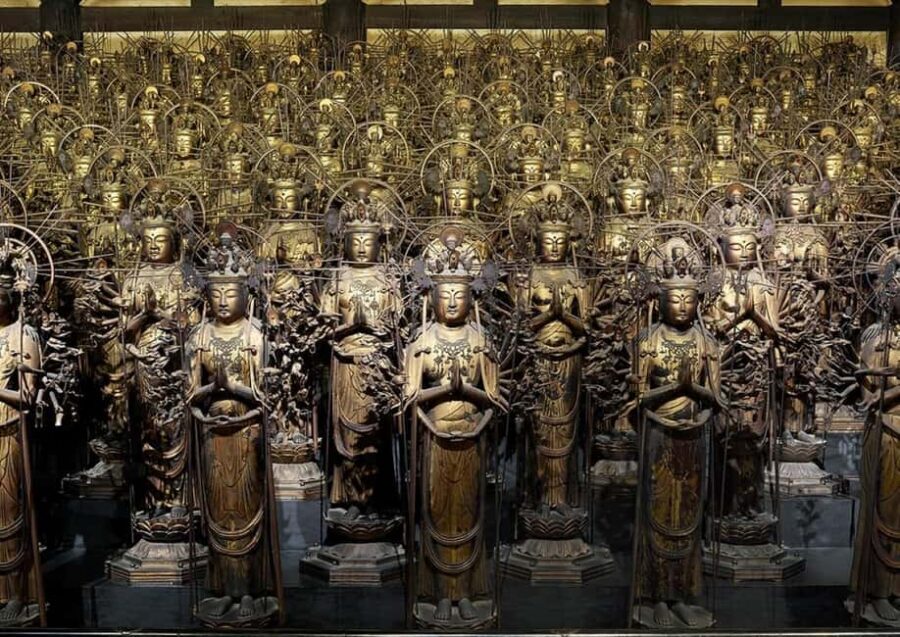
- Sanjusangendo’s long hall and 1,001 Kannon statues
- Shichōjō Station to Kiyomizudera: getting around without stress
- Kiyomizudera’s hillside terrace and the view that makes people stop
- Hōkan-ji (Yasaka Pagoda): the classic Kyoto photo, with a local feel
- Kōdaiji Temple and the secret-feeling bamboo forest
- Yasaka Shrine and Gion: where geisha culture becomes understandable
- Price and logistics: is $86 good value for 7 hours?
- Who this tour suits best (and who should skip it)
- My practical tips to make the day feel smooth
- Should you book this Kyoto: Kiyomizudera, Sanjusangendo, Kodaiji, and Gion tour?
- FAQ
- What time and where does the tour start?
- How long is the tour?
- What is the tour guide language?
- How large is the group?
- Which temples and areas are included?
- Is there walking during the tour?
- Do I need cash for the buses?
- Is a baby carriage allowed?
Key highlights worth the attention
- Sanjusangendo’s 1,001 Kannon statues inside a very long hall
- Kiyomizudera’s wooden terrace with Kyoto views from the hillside
- Sannenzaka and Ninenzaka cobbled streets with old-style shops and houses
- Hōkan-ji’s Yasaka Pagoda for that classic Kyoto photo angle
- Kōdaiji’s bamboo forest tied to the Toyotomi family
- Yasaka Shrine and Gion for a guided look at geisha culture and history
Sanjusangendo to Gion: why this Kyoto day feels focused
Kyoto’s problem isn’t a lack of sights. It’s that everything is spread out, and you can waste hours figuring out how to move. This tour stitches together a temple-heavy day in a way that keeps the geography and walking rhythm logical.
I like that it starts with Sanjusangendo, which sets the tone early with something truly unusual: a hall built for devotion, filled with 1,001 statues. Then it shifts to Kiyomizudera and the photogenic lanes of Higashiyama, which is where the city starts to feel like a postcard.
And then you end with Gion and Yasaka Shrine, so you get the old-meets-modern atmosphere of eastern Kyoto instead of just temple stops. The day has a clear arc: big spiritual space → hillside views → old streets → quiet bamboo → geisha-era district.
You can also read our reviews of more tours and experiences in Kyoto.



Sanjusangendo’s long hall and 1,001 Kannon statues
Sanjusangendo (officially Sanjūsangen-dō) is the kind of place that resets your expectations. You’re guided through a 120-meter-long hall that houses 1,001 statues of Kannon, the goddess of mercy.
What makes it powerful isn’t only the count. It’s the scale of repetition. The statues create a rhythm you feel walking through the hall, like the building is built to hold focus for a long moment. When the guide points things out, you start noticing how the space is organized for devotion rather than casual sightseeing.
The tour schedules this stop for about one hour with a guided walkthrough, which is long enough to appreciate what you’re looking at without feeling rushed. If you’re sensitive to crowds, arrive with patience—this is a popular must-see.
Practical note: plan to wear shoes you can stand in. The hall experience is visual and immersive, but your legs will do most of the work.
Shichōjō Station to Kiyomizudera: getting around without stress
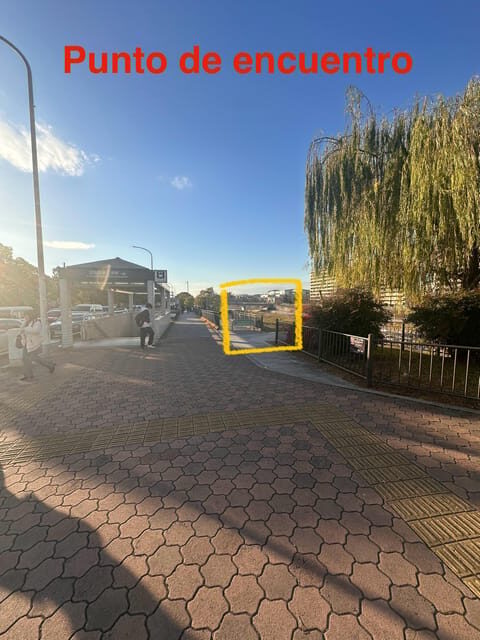
The meeting point is Shichōjō Station (Exit 1) at 9:00 a.m. From there, you move by bus to connect the bigger temple zones efficiently. The day also includes some short walking segments, so the bus rides aren’t meant to eliminate movement—they’re meant to keep you from wasting time.
Because buses are part of the plan, bring 230 yen cash or use an IC card (ICOCA, SUICA, or PASMO). This matters because nothing kills momentum faster than digging for payment right when you’re trying to keep up.
The schedule keeps the pace “busy but doable.” You’ll have guided time at the temples, plus sightseeing time in the Higashiyama area. That mix is a good fit for first-timers who want structure but still want to feel the streets on their own for a bit.
Kiyomizudera’s hillside terrace and the view that makes people stop
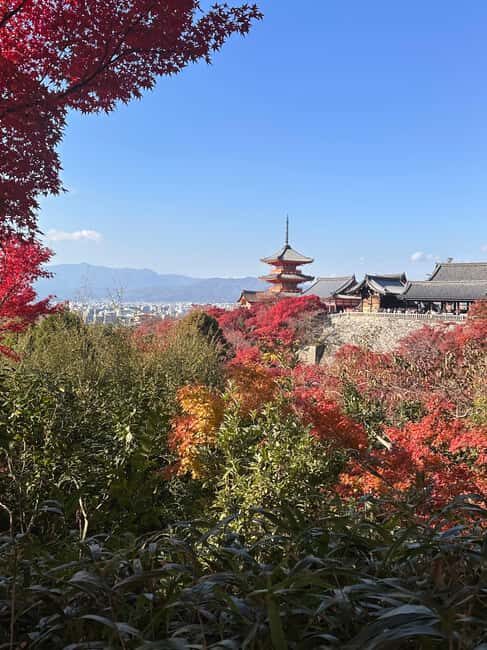
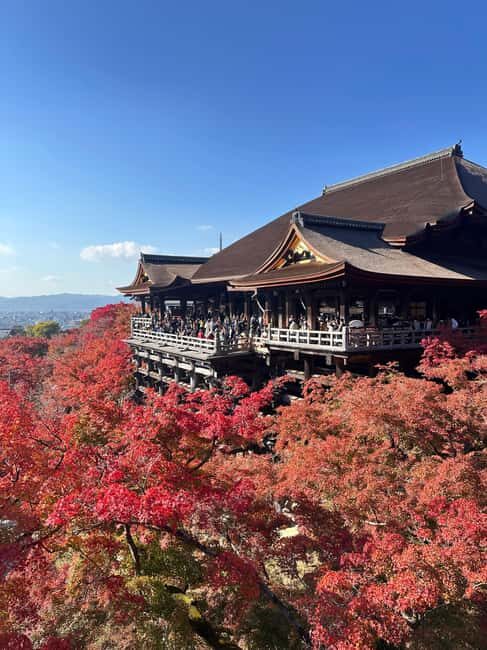
Kiyomizudera is famous for a reason. The tour brings you to the main temple area where you can see the wooden terrace suspended on the hillside. It’s the kind of structure that makes you pause even if you’ve been seeing temples all day.
This stop is guided for about one hour, which I like because Kiyomizudera is full of visual cues. Without context, it’s easy to bounce from one photo spot to another. With the guide, you tend to slow down and actually look at what you’re standing in.
Then the real magic starts on the way down. You’ll stroll through Sannenzaka and Ninenzaka, two cobbled lanes lined with wooden houses, craft shops, and older-style corners that feel like Kyoto is holding its breath.
A small drawback: these slopes and steps can feel more tiring than you expect, especially after Sanjusangendo. Comfortable clothes help, but your footwear matters more than you think. If you want to linger for photos, build in a little extra time in your own head.
Tip: when you’re moving downhill, keep your eyes on footing first. The view is worth it, but the stones don’t care if you’re carrying a camera.
Hōkan-ji (Yasaka Pagoda): the classic Kyoto photo, with a local feel
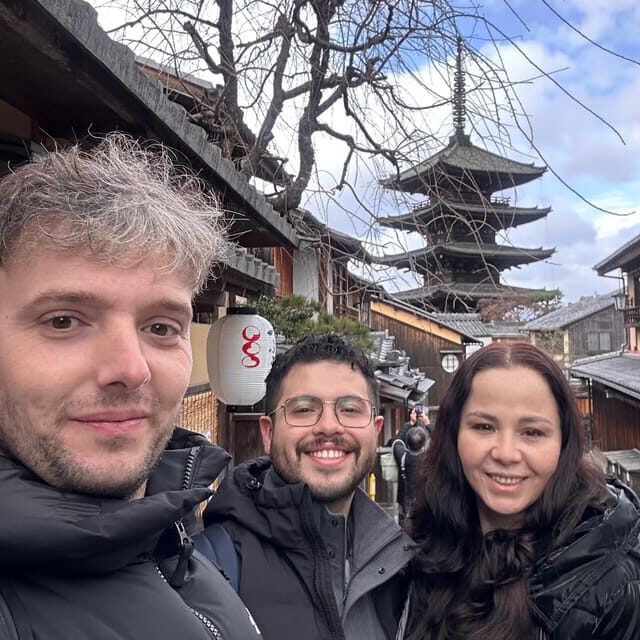
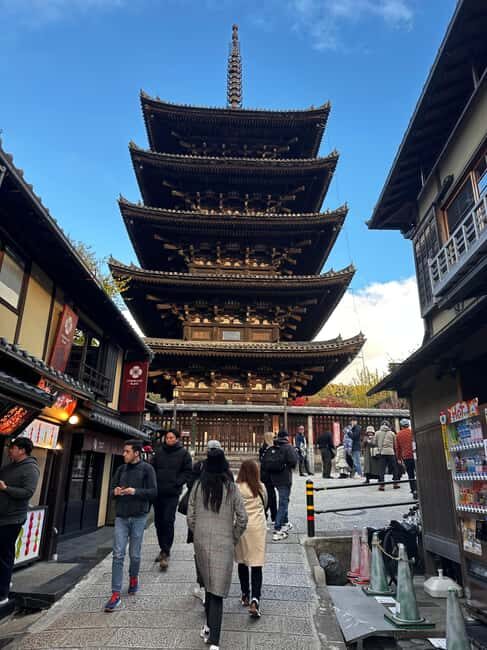
Next up is Hōkan-ji Temple, commonly known as the Yasaka Pagoda. This is one of Kyoto’s most photographed icons, and the tour places it inside a neighborhood setting rather than in isolation.
You’ll get around 30 minutes of guided time here, which is enough to notice why the pagoda is so photogenic. It’s not just the structure—it’s how it frames against the traditional houses around it. When the guide explains what you’re seeing, your photos come out better because you know which angles are meaningful.
This is also a good moment in the day to reset. After Kiyomizudera’s hillside flow, Hōkan-ji feels like a tighter, more “street-level” experience.
If you come on a busy day, expect people aiming cameras from multiple directions. I’d treat it like a quick stop to capture the icon, then enjoy the surrounding lanes rather than waiting in one exact spot forever.






Kōdaiji Temple and the secret-feeling bamboo forest
Then comes Kōdaiji, dedicated to the Toyotomi family, one of Japan’s key historical dynasties. This temple adds a different mood. Where some places in Higashiyama can feel like a photo corridor, Kōdaiji offers a quieter rhythm once you’re inside the temple grounds.
The big reason people remember it is the bamboo forest. The tour highlights it as a beautiful bamboo area tucked within an iconic temple setting. Even if you’ve seen bamboo before, this feels special because the walk is framed by temple space and the slow, shaded quiet that bamboo creates.
Guided time is about one hour, which is perfect here. Bamboo groves work best when you’re not sprinting through them. You want to walk, look up, and feel the change from open sunlight to cooler shade.
Practical advice: if it’s sunny, bamboo shade can make the contrast in photos tricky. Bring settings you can adjust quickly, or just accept a few imperfect shots and let the mood do the work.
Yasaka Shrine and Gion: where geisha culture becomes understandable
After the temple calm, the tour transitions to Yasaka Shrine (about 30 minutes guided). You’ll then continue to Gion (about one hour guided), which is where the district’s identity really comes alive.
Yasaka Shrine is tied to the everyday spiritual side of Kyoto—then Gion takes you into the world people associate with geisha. The tour includes culture and history context, so you’re not just wandering between photo streets. You learn what you’re looking at, and that makes the whole area more meaningful.
Gion can feel like two different realities depending on the time of day. With a guide, you tend to understand what’s tradition, what’s tourism, and what’s simply part of the district’s current life.
One good thing about ending here: you’re finishing in a walkable zone instead of a parking-lot-feeling departure point. The tour ends in the Higashiyama Ward, which gives you flexibility to keep exploring on your own afterward.
Just remember: dress respectfully, speak quietly, and keep your movements smooth. This is a neighborhood, not a theme park.
Price and logistics: is $86 good value for 7 hours?
At $86 per person for a 7-hour day, you’re paying for a structured guided route across several major Kyoto highlights. What makes the price feel more reasonable is that the tour is designed around multiple guided temple stops plus time for street-level sightseeing, all while keeping you from coordinating transport yourself.
You also get a live guide in Spanish and a small group limited to 10 participants, which matters. Smaller groups can mean less crowd pressure at temple entrances and a smoother walking rhythm through narrow lanes.
Still, do the math honestly. The tour includes buses between sites, so bring money or an IC card (230 yen cash is suggested). Also, the schedule is tight enough that you won’t have unlimited free time at each stop.
This is best value if you want an organized “best-of” day without thinking too hard. If you’re the type who loves wandering independently for hours, you may prefer a self-guided day where you set your own pace.
Who this tour suits best (and who should skip it)
This Kyoto route is a smart choice if you’re:
- seeing Kyoto for the first time and want the classic temple-and-streets combo
- comfortable with some walking, slopes, and steps
- Spanish-speaking or at least happy with Spanish narration and guidance
It may be less ideal if:
- you need lots of quiet downtime between stops
- you strongly dislike crowded viewpoints and popular lanes
- you want a slow, flexible schedule with minimal transfers
One more detail from how the tour is described and how it’s experienced: the guide experience matters. A Spanish guide named Manuel comes up in positive feedback for clear explanations and attentiveness, and he’s also noted for helping the group find a good place to eat. That kind of guidance makes the day feel less like sightseeing and more like understanding Kyoto.
My practical tips to make the day feel smooth
First, wear comfortable shoes that handle uneven cobbles and temple steps. If you only buy one thing for Kyoto comfort, make it foot support.
Second, bring an easy payment plan for transit. The tour suggests 230 yen cash or an IC card like ICOCA, SUICA, or PASMO, because buses are part of the flow.
Third, treat the route as a sequence. Sanjusangendo sets the mind, Kiyomizudera and the lanes feed your eyes, Hōkan-ji gives you the iconic visual, Kōdaiji resets your mood with bamboo, and Gion adds cultural context at the end.
Finally, don’t plan extra activities that require lots of energy right afterward. This tour is structured, but it still adds up to a full day.
Should you book this Kyoto: Kiyomizudera, Sanjusangendo, Kodaiji, and Gion tour?
If you want a high-impact Kyoto day with real structure—temples, old streets, iconic photo spots, and a guided look at Gion—this tour is worth serious consideration.
I’d book it if you like getting your bearings fast, enjoy being guided through what you’re seeing, and you’re okay with a busy schedule and some uphill/downhill walking. The small group size and the Spanish live guide also make it feel more personal than big coach tours.
Skip it if you want a relaxed day with no tight pacing or if you’re not comfortable with stairs and cobbled lanes. Kyoto rewards calm patience, and this itinerary moves.
FAQ
What time and where does the tour start?
The tour meets at Shichōjō Station, Exit 1, at 9:00 a.m.
How long is the tour?
The total duration is 7 hours.
What is the tour guide language?
The live tour guide speaks Spanish.
How large is the group?
The group is limited to 10 participants.
Which temples and areas are included?
You’ll visit Sanjusangendo, Kiyomizudera, Hōkan-ji (Yasaka Pagoda), Kōdaiji, Yasaka Shrine, and you’ll also explore Gion.
Is there walking during the tour?
Yes. The tour includes walking and some sightseeing on foot, so comfortable shoes and clothing are recommended.
Do I need cash for the buses?
It’s advisable to bring 230 yen in cash, or use a transport card such as ICOCA, SUICA, or PASMO.
Is a baby carriage allowed?
No, baby carriages are not allowed.