REVIEW · HIROSHIMA
Hiroshima: City and Miyajima Bike and Boat Tour
Book on GetYourGuide →Operated by InKansai Ltd · Bookable on GetYourGuide
Two islands, one easy bike day. This Hiroshima and Miyajima tour pairs a guided cycling loop around the Peace Park and Atomic Bomb Dome with a ferry to Miyajima, where you’ll switch to a relaxed walking tour. It’s a rare mix: solemn, historic Hiroshima on one side, and picture-perfect Shinto architecture framed by greenery on the other.
I especially like the way the day is paced for real people: the cycling is flat and slow, and the group is kept small (up to 8), so you don’t feel rushed or lost. One consideration: this isn’t a do-everything option if you can’t ride a bike, since it’s not suitable for wheelchair users and it also isn’t set up for pregnant travelers.
In This Review
- Key things that make this tour worth it
- Peace Park and Atomic Bomb Dome on two wheels: what the cycling really gives you
- Hiroshima Castle stop: shifting from memorial to feudal history
- The flat bike pace and small group size: why it feels manageable
- Train to the ferry and onward to Miyajima Island
- Miyajima walking tour: a religious center, not just a photo stop
- What to do with your time on a long, mixed day
- Rain plan: why you should still book (but be reachable)
- Price and value: what you’re paying for in real terms
- The human touch: guides who handle emotion and questions well
- Who should book this Hiroshima and Miyajima bike-and-boat tour
- Should you book it? My practical take
- FAQ
- FAQ
- How long is the Hiroshima and Miyajima Bike and Boat Tour?
- What’s included in the price?
- Is the cycling route hard?
- Do I need to know how to ride a bike?
- How big is the group?
- What language are the tours in?
- What should I bring?
- What happens if it rains?
- Is it accessible for wheelchairs or pregnant travelers?
Key things that make this tour worth it
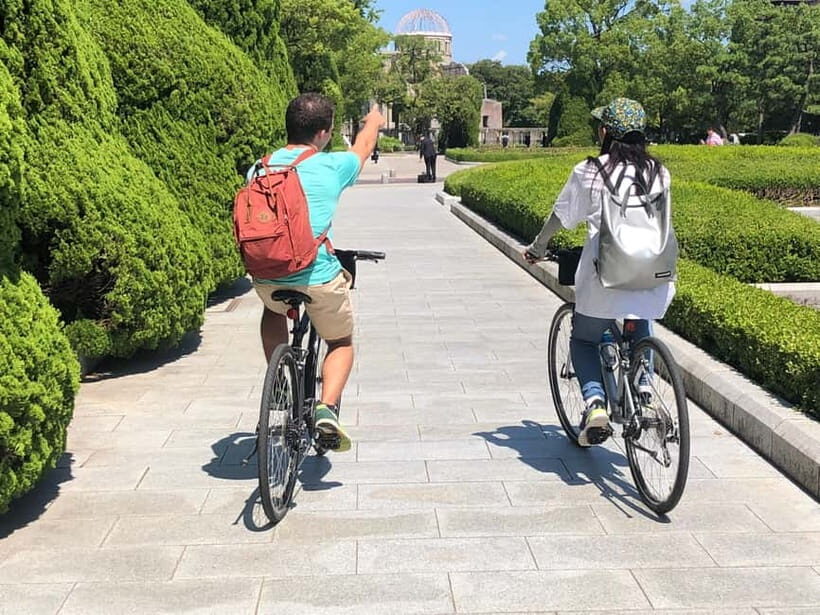
- Peace Park + Atomic Bomb Dome by bike with live English guide commentary that helps you understand what you’re seeing
- Flat cycling route that works for beginners and slower riders
- Train + ferry transfers included so you’re not juggling transit on a tight schedule
- Miyajima walking tour + Itsukushima Shrine with context beyond the photos
- Trek bikes, step-through options, and child-sized bikes make the setup more flexible than you’d expect
Peace Park and Atomic Bomb Dome on two wheels: what the cycling really gives you
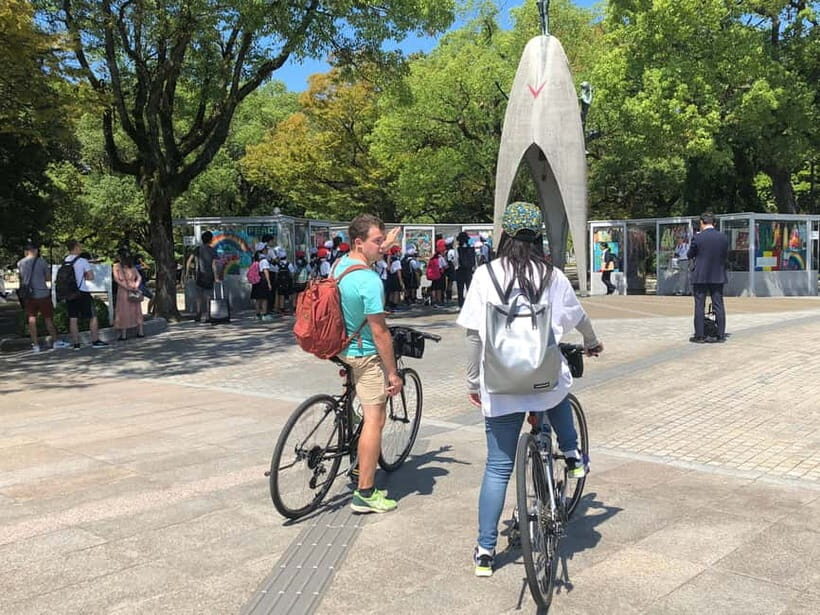
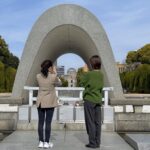
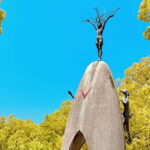
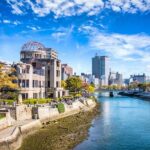
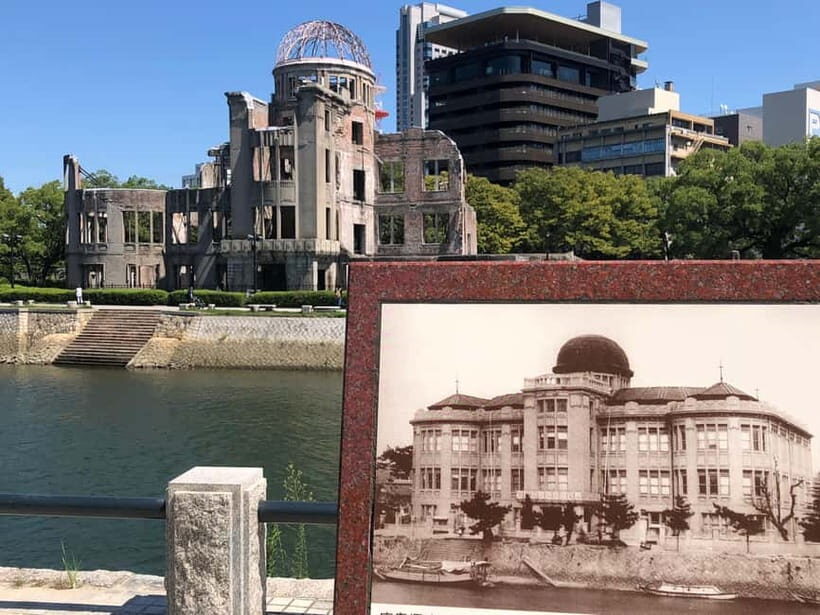
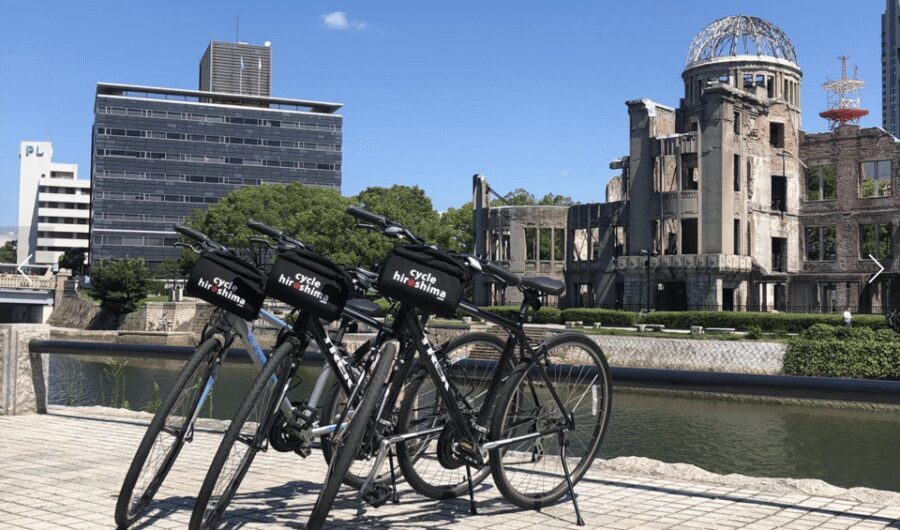
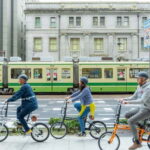
The best part of this kind of tour is also the hardest to schedule on your own: Hiroshima is dense with meaning, not just landmarks. This is why the bike segment is such a good match. You get to move at a comfortable pace, stop when the guide wants to point things out, and take in the Peace Park and Atomic Bomb Dome without the stress of figuring out routes, parking, or public transport timing.
What I like is that the cycling is designed to be easy. The route is completely flat, and the tour is set up for all skill levels. That matters because it lets you focus on the stories—what each site represents, what happened there, and how Hiroshima has chosen to remember. When you’re on a bike, you naturally slow down and look longer. You can’t just speed past like you might in a car, and you aren’t stuck standing still for every explanation.
There’s also a very human element to the guide style. Guides on this tour tend to handle questions well—people ask stuff, and the guide responds with clear, thoughtful answers. You may even meet a guide like Ishan, Sage, Melissa, or Aimée-Linh, who have been noted for enthusiasm, structure, and the ability to talk history in a way that feels real rather than like a lecture.
Practical note: comfortable shoes help a lot here, because even if you’re mostly cycling, you’ll still be walking around at stops, and you’ll want your feet ready for standing and viewing.
You can also read our reviews of more boat tours in Hiroshima

Hiroshima Castle stop: shifting from memorial to feudal history
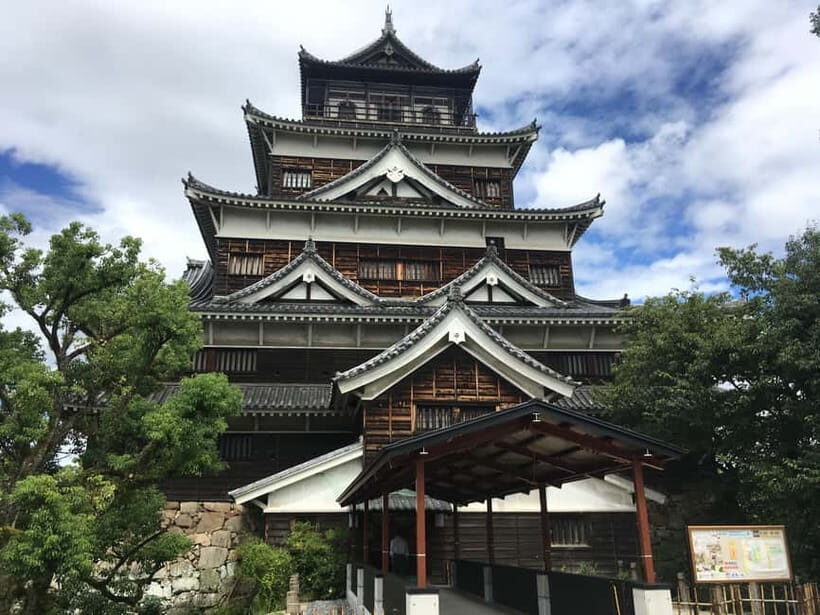
After the Peace Park cycling, the day shifts to a different kind of Hiroshima story: the city’s feudal past. This tour includes a visit to Hiroshima Castle, which gives you a useful contrast. The Peace Park area asks you to reflect on the bombing and its aftermath. Hiroshima Castle helps you see what came before—political power, regional history, and how the city shaped (and was shaped by) the people who lived here over centuries.
This stop is valuable because it balances your understanding. If your only reference points are memorials, Hiroshima can feel like a single chapter. The castle visit widens the frame. Even if you know little about Japanese feudal history, the guide’s commentary helps you connect the dots between the location, the time period, and Hiroshima’s identity before modern transformation.
One small drawback to consider: you’ll be switching “modes” during the day—quiet reflection, then sightseeing, then cycling again, then ferry + walking on Miyajima. If you’re the type who gets emotionally overwhelmed by heavy topics, plan to take your time at each stop and don’t feel like you have to absorb everything in one go.
The flat bike pace and small group size: why it feels manageable
This is a long day—about 450 minutes (roughly 7.5 hours)—but it doesn’t feel like a marathon because the logistics are handled. The group is limited to 8 participants, which is a big deal. In a smaller group, the guide can check who’s keeping up, point out details without shouting, and help people adjust bikes if needed.
You’ll also get a bike that matches your body. The tour uses Trek bikes in different sizes, including step-through frames and child-sized bikes. That’s not just a comfort detail. It changes how the ride feels. If your bike fits well, you’ll pedal without tension, glide more confidently, and spend less mental energy on balance—again, giving you more bandwidth for the history.
A helmet and lunch are included, along with water, so you’re not piecing together basics between stops.
Who this suits best: you’ll enjoy this most if you like structured sightseeing with interpretation, and if you want an efficient day that still leaves room to look around. It’s also a great fit for people who want to see Hiroshima and Miyajima without bouncing between too many ticket desks and schedules.
Train to the ferry and onward to Miyajima Island
Once the Hiroshima side is covered, the tour moves you out to Miyajima. The day includes train and ferry transfers, and the boat ticket is included, so you don’t have to solve the crossing yourself.
That transfer time matters. Miyajima is a different world in feel—even before you step off the boat. The ride helps “reset” you from the memorial intensity of Hiroshima, making the next portion of the day feel like a real change of scenery rather than just another stop on the same street.
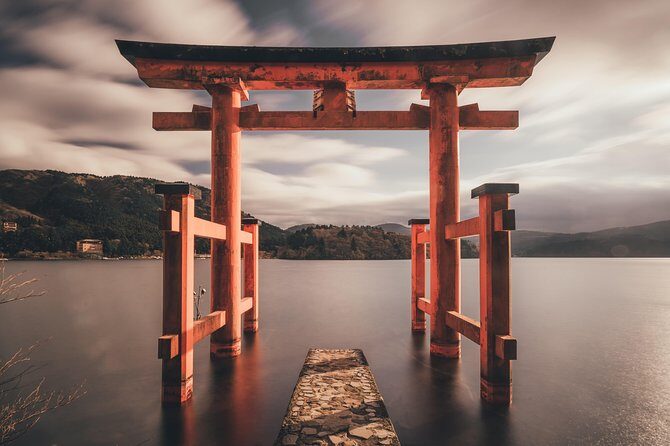
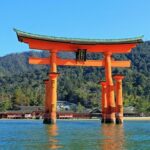
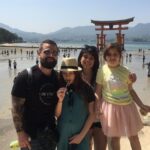
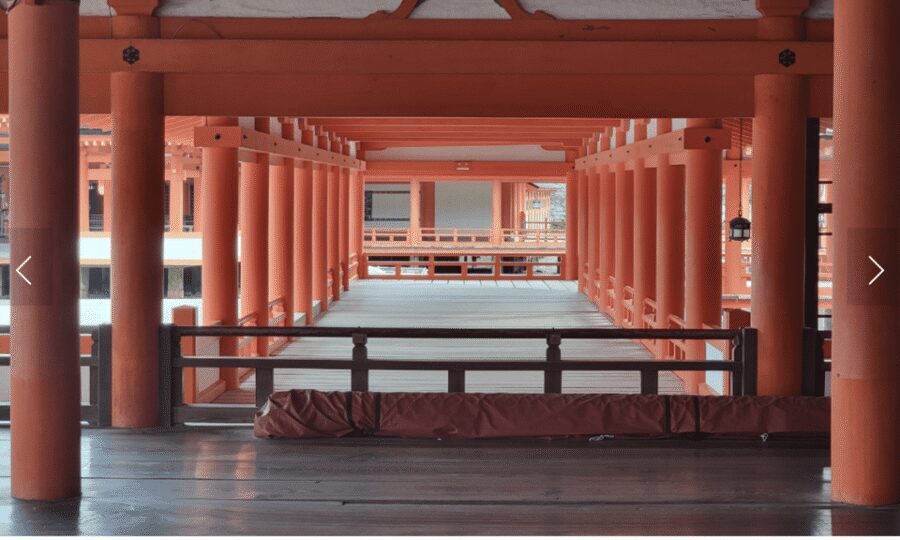
And the contrast you’re aiming for is very much part of the experience: Hiroshima is urban and structured; Miyajima is known for lush greenery, and you’ll see the famous bright orange Shinto architecture up close.
Miyajima walking tour: a religious center, not just a photo stop
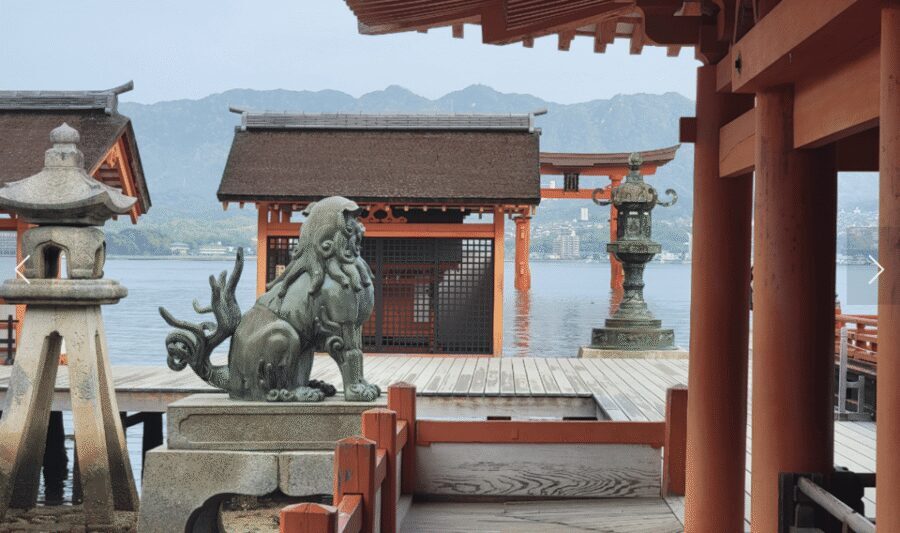
On Miyajima, the tour shifts from biking to walking. You’ll join a guided walking tour that focuses on how the island developed as a religious center, and you’ll also get time for those classic lanes and photo opportunities.
The value here is interpretation. It’s easy to treat Itsukushima Shrine like a single must-see viewpoint. But the walking tour helps you understand why Miyajima became important in the first place, and how the shrine and island culture connect. When the guide ties the visuals to the story, the island stops being only a backdrop and becomes a place with purpose.
This is also where your day’s emotional balance can shift. After Hiroshima’s solemn memorials, Miyajima offers a calmer, more contemplative atmosphere. That doesn’t mean it’s light or fluffy—it’s still sacred space—but the mood is different, and it can feel like a palate cleanser.
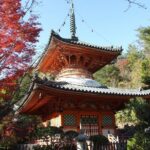
You’ll visit Itsukushima Shrine as part of the included itinerary. And yes, it’s the orange, iconic shrine you’ve likely seen in photos. But the guide framing tends to make it more meaningful than just a sightseeing checkmark.
You can also read our reviews of more cycling tours in Hiroshima

What to do with your time on a long, mixed day
Because this tour blends cycling, castle sightseeing, ferry crossing, and walking, it’s smart to plan your personal “energy strategy.”
Here’s what works well:
- Bring a camera and plan to shoot both the memorial sites and Miyajima’s shrine views. The contrast is the point.
- Wear comfortable clothes you can move in, not just something you look good in.
- Start thinking about lunch as a real refueling step. Food and hydration matter on a day with both reflection and walking.
Also, don’t ignore the small “admin” items. You’re asked for heights for everyone in your group and information about dietary restrictions. That’s not busywork—it helps the team match bikes and handle meals correctly.
Rain plan: why you should still book (but be reachable)
Weather can throw off a bike day. This tour has a clear rain approach: if it’s raining, you’ll be contacted to offer either a switch to a walking tour around the Peace Park or a full refund. Since that decision depends on contacting you quickly, make sure you’re reachable.
The best-case scenario is obviously not getting soaked. But even in rain, the day isn’t treated as a lost cause. You’re not stuck cancelling last minute with nothing to do—there’s a plan.
Price and value: what you’re paying for in real terms
At $138 per person, the headline price may look simple, but the value is in what you’re not paying for or managing yourself.
You’re getting:
- a guided cycling tour around the Peace Park and Atomic Bomb Dome
- bike + helmet
- a guided Hiroshima Castle visit
- train + ferry transfers to Miyajima (with the boat ticket included)
- a Miyajima walking tour and a visit to Itsukushima Shrine
- lunch and water
That’s a lot bundled into one organized day. If you tried to stitch it together on your own—bike rental plus getting to the right areas plus ferry plus guided interpretation—you’d likely spend similar money anyway, but with more planning friction.
The small group size also matters for value. If you’re paying for a guide’s time and want back-and-forth questions, a group capped at 8 makes a real difference in how the day feels.
The human touch: guides who handle emotion and questions well
Memorial sites require more than facts. They require care. The guides on this tour are repeatedly praised for their ability to explain what you’re seeing and answer questions in a way that feels respectful, not robotic.
You may notice a theme in their style: they don’t just recite history—they help you connect it to the physical spaces you’re standing in. Some guides are especially good at keeping the tone thoughtful while still making the day lively. For example, guides like Aimee and Aimée-Linh have been noted for combining humor with history, which can be a helpful balance when the subject matter is heavy.
There’s also mention of guides being flexible with the day’s pace—like taking extra time at the island highlights when the group is engaged and curious. That’s the difference between a checklist tour and one where you actually get to enjoy what you’re seeing.
Who should book this Hiroshima and Miyajima bike-and-boat tour
You should strongly consider this if:
- you want an organized day that covers Hiroshima + Miyajima without too much planning stress
- you can ride a bike and prefer an easy, flat route
- you like guided storytelling, especially at places where you’ll otherwise miss important context
- you want the Peace Park sites and Itsukushima Shrine in one trip window
You probably shouldn’t book if:
- you can’t ride a bike, or you need wheelchair access (this one isn’t suitable)
- you’re pregnant (listed as not suitable for pregnant women)
Should you book it? My practical take
If your goal is to see the major Hiroshima sights and then experience Miyajima’s scenery and shrine culture in one day, this tour is one of the most sensible ways to do it. The flat cycling keeps things relaxed, the guide commentary helps you get more out of the memorial sites than you would on your own, and the transfers are handled so your day stays smooth.
Book it if you like a structured route with time for photos and explanation. Skip it if biking isn’t realistic for you or if the memorial-heavy part of the day feels like too much in one sitting.
FAQ
FAQ
How long is the Hiroshima and Miyajima Bike and Boat Tour?
The tour duration is 450 minutes, which is about 7.5 hours. Starting times depend on availability.
What’s included in the price?
Bike and helmet, guided cycling around Peace Park and the Atomic Bomb Dome, commentary on Hiroshima history, Hiroshima Castle visit, train and ferry transfers to Miyajima (with boat ticket included), a Miyajima walking tour, an Itsukushima Shrine visit, lunch, and water.
Is the cycling route hard?
No. The cycling route is completely flat and suitable for all skill levels.
Do I need to know how to ride a bike?
Yes. This tour is not suitable for people who can’t ride a bike.
How big is the group?
It’s a small group limited to 8 participants.
What language are the tours in?
The live tour guide provides the tour in English.
What should I bring?
Bring comfortable shoes, comfortable clothes, and a camera.
What happens if it rains?
In case of rain, you’ll be contacted to offer either switching to a walking tour around the Peace Park or receiving a full refund. You should make sure you’re reachable.
Is it accessible for wheelchairs or pregnant travelers?
No. It’s not suitable for wheelchair users or pregnant women.