REVIEW · TOKYO
Hakone Private Two Day Tour from Tokyo with Overnight Stay in Ryokan
Book on Viator →Operated by Japan Awaits · Bookable on Viator
Hakone feels like a break from Japan’s speed, and this 2-day private plan is built to make it easy. I like the ryokan overnight included, and I like that you’re not stuck figuring out buses and tickets across multiple areas. The main thing to keep in mind: this is timed around public transport and set routes, so it’s not the kind of trip where you can freely wander off-script whenever you want.
Day 1 mixes guided highlights with big visual payoff—Lake Ashi, the Ropeway area, and volcanic views—while Day 2 leaves breathing room for your own pace. I also appreciate that Mt. Fuji viewpoints are part of the plan, but they’re weather-dependent, so you’ll want a little patience if clouds roll in. One possible drawback: optional add-ons can add up fast if you love museums, private baths, or extra ropeway/cruise variations.
If you want a smooth Hakone sampler with a classic stay, this tour aims for exactly that. You’ll get a clear rhythm, a knowledgeable guide (Kazuo-San comes up in feedback), and a practical way to reach the Hakone sights without your whole day turning into logistics.
In This Review
- Quick hits from this Hakone private tour
- Why this 2-day Hakone plan feels smarter than a day trip
- Price and value: what you’re really paying for
- Getting from Shinjuku to Hakone without turning your morning into a project
- Day 1: Lake Ashi and Hakone Ropeway country
- Day 1 museum + shrine stops that balance views with culture
- Day 1 wind-down: Gora Park and the chance to slow your pace
- Your ryokan night: what the stay really feels like
- Day 2: independence time in Hakone’s gardens and viewpoints
- What’s included vs what costs extra (so you can control the budget)
- Weather and Mt. Fuji: how to set expectations the right way
- Who this tour suits best
- A word on the guide experience (and why it matters here)
- So, should you book it?
- FAQ
- Where does the tour start and when?
- Does this tour offer pickup?
- What’s included for transportation and tickets in Hakone?
- Is breakfast included with the ryokan?
- Are meals like lunch and dinner included?
- Which Mt. Fuji viewing opportunities are mentioned?
- Do I need a passport for this tour?
Quick hits from this Hakone private tour
- Ryokan with breakfast included so you’re not hunting for lodging or the right morning meal
- Hakone Free Pass + Tokyo–Odawara Shinkansen round-trip to cut the ticket chaos
- Lake Ashi cruise and Ropeway options planned for good weather and big views of Mt. Fuji
- Day 1 is guided, Day 2 is independent for a calmer pace than typical day trips
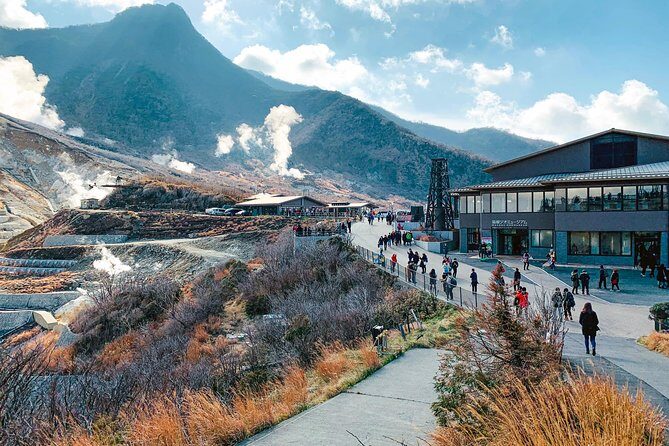
- Owakudani access included in the plan when conditions allow, for that volcanic Hakone feeling
- 3-star ryokan (with tatami/futon style) that keeps the trip value-focused
Why this 2-day Hakone plan feels smarter than a day trip
Most people rush Hakone in one day and then spend the evening tired on a train back toward Tokyo. A two-day structure changes the mood. You get time to actually look at places like Lake Ashi and the volcanic zones, instead of sprinting between stops.
This tour also reduces friction in the most important way: you’re not doing route planning between Hakone stations, bus lines, and cable cars. The plan builds in the Hakone Free Pass concept plus local transport covered inside Hakone, so you can focus on sights and photos rather than schedules.
The biggest value for me is the rhythm: guided context on Day 1, then Day 2 lets you slow down. If you like getting your bearings first and then exploring on your own, this setup is a good match.
You can also read our reviews of more private tours in Tokyo


Price and value: what you’re really paying for
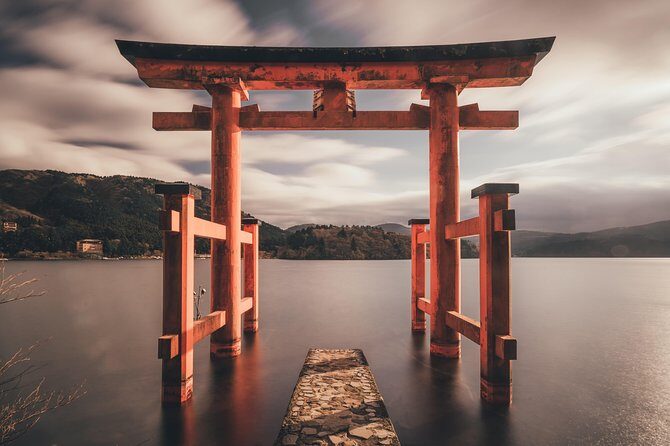
At $486.47 per person, you’re not just paying for sightseeing. You’re paying for three big items: the private guide service, local transport coverage in Hakone, and the overnight ryokan included in the package.
Ryokan stays in Hakone can be pricey when booked separately, and they’re the part that usually breaks budgets for many travelers. Bundling one night with breakfast plus transport is where the money starts to make sense—especially if you’d otherwise scramble for a last-minute room or pay premium rates.
You should also factor in what’s not included. Meals and snacks are on you, and there are paid optional upgrades like the Mt. Komagatake Ropeway and museum add-ons. If you choose a lot of extras, your total cost will rise quickly—but if you stick mostly to what’s included, the price feels more controlled.
Getting from Shinjuku to Hakone without turning your morning into a project
Your day starts at 7:30 am at Shinjuku Station (3-chōme-38-1). If you’re used to self-guided Tokyo travel, this is a relief: one clear meeting point, a guide you can contact, and a route that moves toward Odawara and then into Hakone’s local system.
The plan includes Shinkansen round-trip from Tokyo to Hakone (Odawara Station), plus Hakone transport. That means you don’t have to price out trains, decide which tickets cover what, or worry about missing a connection due to ticket lineups.
Two practical notes you should not ignore:
- You’ll need your passport for transportation on tour day.
- Wear shoes with decent grip and plan for moderate walking; the tour notes moderate physical fitness as a requirement.
Day 1: Lake Ashi and Hakone Ropeway country
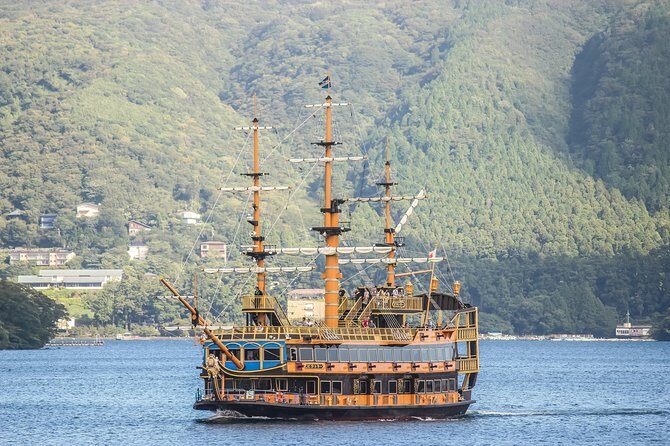
Day 1 begins with one of Hakone’s most scenic backdrops: Lake Ashinoko (also called Lake Ashi). Expect calm water, lake views, and the classic “Hakone postcard” feeling, especially when the air is clear.
From there, you move into Ropeway territory via Hakone Komagatake Ropeway. This section is about getting above the valley viewpoints—part scenic lift ride, part “Hakone is a series of elevations” education. The biggest payoff here is how the landscape changes as you rise, even if you’re not a “lookout tower person.”
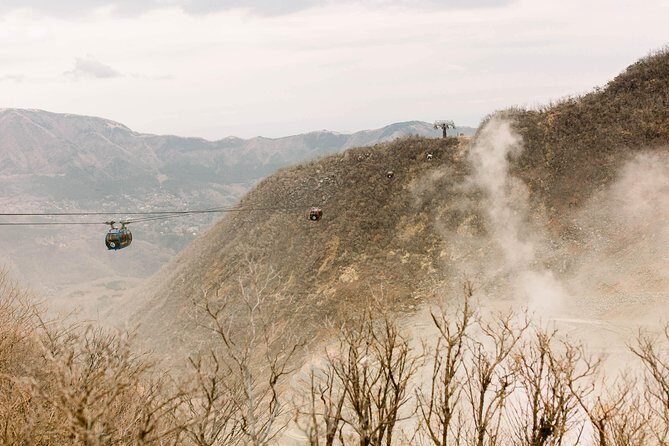
A key ingredient you’ll likely encounter as part of the core day structure is the Owakudani Ropeway connection and the volcanic scenery at Boiling Valley, plus a Lake Ashi cruise with a pirate ship style boat when weather cooperates. The good news: these are included “in good weather.” The better news: you’re guided through the timing so you’re not stressing about which ride to prioritize if visibility changes.
Day 1 museum + shrine stops that balance views with culture
After the big-scenery rides, the tour adds cultural anchors.
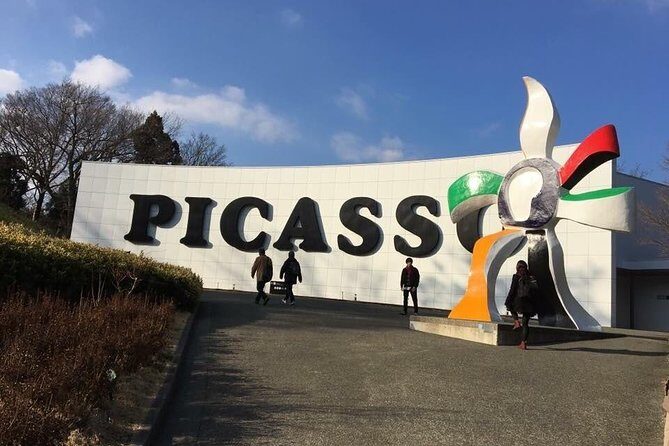
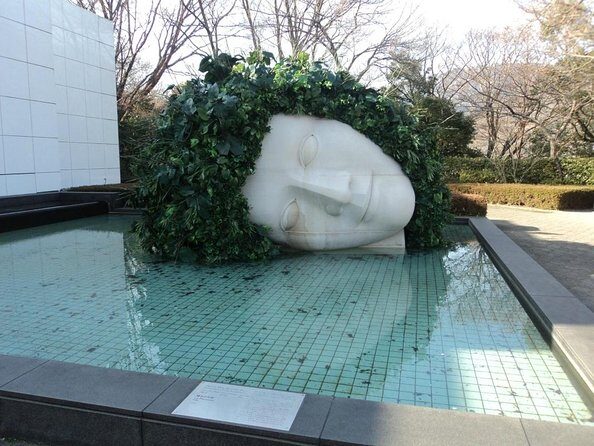
Hakone Open-Air Museum is Japan’s first open-air museum, opened in 1969, and it has an art collection that includes work tied to Picasso and Henry Moore. Even if you don’t buy the optional Picasso Gallery upgrade, the open-air format tends to work well in Hakone’s fresh air—art outdoors rather than trapped inside.
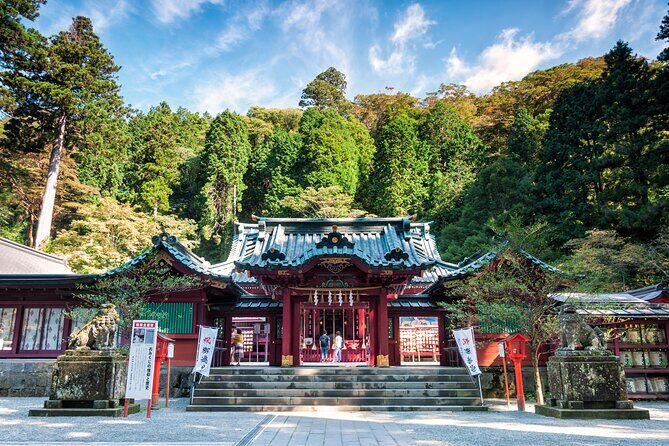
Next comes Hakone Shrine, a Shinto shrine on the shores of Lake Ashi (also known as Hakone Gongen). This is a good reset after sightseeing machines and viewpoints. It’s not about a long lecture; it’s about standing where the lake meets the shrine area and feeling the “Hakone tradition” side of the trip.
The day continues with Hakone Sekisho and the Sekisho Museum, a checkpoint scene reconstructed to reflect the original look, including gates, officer housing, and a lookout tower. It gives you a strong sense of why Hakone mattered historically—an on-the-road checkpoint, not just a modern hot spring resort.
A few more Tokyo tours and experiences worth a look
Day 1 wind-down: Gora Park and the chance to slow your pace
Gora Park is a calmer stop. It’s described as a French-styled landscaped park with a fountain and a rose garden, and it includes a vibe that suits travelers who want a breather rather than another high-energy ride.
This is one of the better “soft landings” in the schedule. After the volcanic zones and cable systems, a park stop lets you regroup, take photos at an easier pace, and grab time for simple things like walking and people-watching (minus the pressure of ticking off one more station).
Your ryokan night: what the stay really feels like
The overnight stay is a traditional ryokan (3-star). Rooms are non-smoking, and you’ll sleep in the classic tatami + futon setup, meaning you’ll spread the futon on the tatami floor when it’s time to rest.
The included breakfast is a big deal. It saves you from planning what to eat the morning after a long Day 1, and ryokan breakfasts are often part of the trip memory—not just food. If you’ve never slept on futon bedding before, plan to go in relaxed and let your body adjust.
If you care about higher-end rooms, the tour notes that 4- or 5-star ryokan choices can cost extra. So you’re buying value here, not luxury. Still, the ryokan itself is the standout reason many people want this package in the first place.
Day 2: independence time in Hakone’s gardens and viewpoints
Day 2 is built for you to explore more independently. The included stop is a Western-style hillside botanical garden with a tea house and greenhouses—often the kind of place that feels slower and more personal than the big transport hubs.
This kind of stop works because it’s a contrast day. You’ve already done the Ropeway/volcanic zones and shrine-checkpoint story. A garden day gives you shade, walking paths, and a quieter pace—plus it’s easy to enjoy even if the weather isn’t perfect for long outdoor volcanic views.
You’ll also want to think about how you’ll spend any extra time in your schedule. The tour includes the core transport coverage in Hakone, so if you’d like to add on a museum or a hot bath, Day 2 is usually the easiest time to do it—without scrambling for a first-day slot.
What’s included vs what costs extra (so you can control the budget)
Here’s the simple way to think about it: the tour covers the guided essentials and the bulk of transport, and then gives you options to upgrade based on your interests.
Included in the core package:
- All guide fees and transportation within Hakone
- Bus fares, mountain train, and cable cars
- In good weather: Owakudani Ropeway volcanic views and a Lake Ashi cruise with Mt. Fuji views
- One night ryokan with hotel breakfast
- Fuel surcharge
- Hakone Free Pass and Tokyo–Odawara Shinkansen round-trip
Not included (common add-ons):
- Optional rides and upgrades like Mt. Komagatake Ropeway (listed as optional)
- Optional tea ceremony in the Japanese garden
- Optional upgrades at Hakone Open-Air Museum, including the Picasso Gallery
- Optional cruise and Mt. Koma ropeway style combination
- Optional Narukawa Art Museum
- Optional public hot bath at Hakone Yumoto, and also private indoor bath option
- Optional kaiseki dinner at your hotel on Day 1 (15,000 JPY per person)
If you want this trip to stay good-value, pick one or two paid extras, not everything. Hakone is built for spending, but you don’t have to pay for every layer.
Weather and Mt. Fuji: how to set expectations the right way
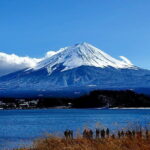
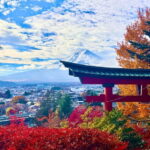
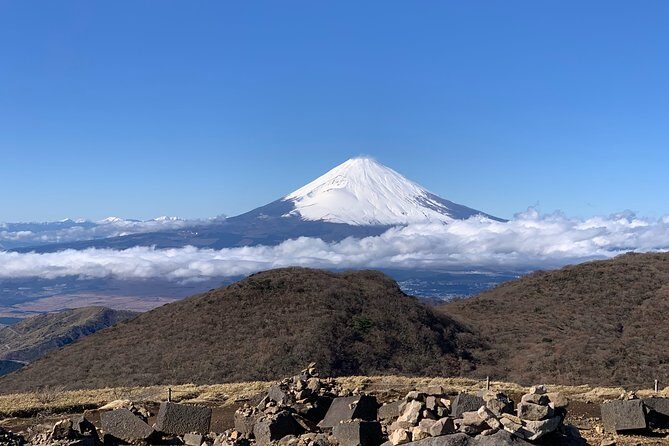
Mt. Fuji shows up in this plan as a possibility, not a guarantee. The tour specifically says that in good weather you may get views of Mt. Fuji from spots connected to the Lake Ashi cruise and Owakudani-area viewpoints.
That matches real-world Hakone travel: weather can change visibility fast, and you’ll feel it most on open-water and high-elevation areas. Your best strategy is mindset. Decide you’ll enjoy what you can see that day—foggy mountains can still feel dramatic, and volcanic steam zones still deliver the Hakone atmosphere even without a clear Fuji silhouette.
If you absolutely want a Fuji view, this tour still gives you multiple “attempt points” across the itinerary. You’re not relying on a single photo window.
Who this tour suits best
This is a great fit if you want:
- A private experience rather than joining a big bus crowd
- Fewer planning headaches between Tokyo and Hakone
- A classic ryokan overnight without hunting
- A split day format: guided Day 1, more independent Day 2
It may be less ideal if you want full freedom to design your own Hakone route every hour. This plan has structure for a reason, and that’s part of the value.
One more small fit question: you should be comfortable with a moderate amount of walking and moving between sights, given how Hakone’s transport network works.
A word on the guide experience (and why it matters here)
A good guide makes Hakone easier, not louder. The feedback around Kazuo-San highlights how helpful it can be when someone knows the best flow through Hakone and can explain what you’re seeing as you go.
That matters because Hakone is not just one place. It’s a cluster of regions, elevations, and transport modes. A guide who can help you understand where you are and what you’re looking at will make even the “standard” stops feel more satisfying.
So, should you book it?
If your goal is to see Hakone’s top hits—Lake Ashi, Ropeway/Owakudani volcanic scenery, a shrine checkpoint area, and a ryokan night—this tour is a strong value choice. You’re buying convenience plus accommodation, and you’re spreading sightseeing over two days instead of cramming it into one.
I’d book it if:
- You want a smooth Tokyo-to-Hakone flow with less ticket fuss
- You care about sleeping in a traditional ryokan (tatami/futon style)
- You like the idea of guided context first, then independent time second
- You’re okay with the fact that meals, plus some optional upgrades, are extra
I’d hesitate if:
- You want maximum flexibility to skip stops and replace them on the spot
- You’re sensitive to non-refundable rules (this experience is non-refundable and cannot be changed)
- You plan to add lots of optional paid activities, since that can push your total budget up quickly
If you’re aiming for an easy, authentic Hakone sampler with a real Japanese overnight stay, this is the kind of plan that earns its cost by removing the hardest part: figuring it all out.
FAQ
Where does the tour start and when?
The tour starts at Shinjuku Station (3-chōme-38-1) in Tokyo at 7:30 am.
Does this tour offer pickup?
Yes, pickup is offered, and the guide can also discuss a drop-off point that may be adjusted to your hotel or train station.
What’s included for transportation and tickets in Hakone?
You get all guide fees and transportation within Hakone, including bus fares plus mountain train and cable cars, along with a Hakone Free Pass.
Is breakfast included with the ryokan?
Yes. The package includes one night stay in a ryokan with hotel breakfast.
Are meals like lunch and dinner included?
No. Meals, snacks, and drinks are not included (with an optional kaiseki dinner available at your hotel on the first night).
Which Mt. Fuji viewing opportunities are mentioned?
The plan states that in good weather you can have views of Mt. Fuji from the Owakudani Ropeway area and on the Lake Ashi cruise.
Do I need a passport for this tour?
Yes. A passport will be required for transportation on tour day.