REVIEW · TOKYO
Tokyo 2-Day Private Walking Tour with Licensed Guide
Book on Viator →Operated by Japan Guide Agency · Bookable on Viator
Tokyo needs two days, not one.
This private 2-day walking tour works because you keep the same licensed English guide for both days, so you stop spending time re-explaining what you want to see. You can also build your plan around the vibe you want: classic temple lanes one day and city energy the next.
I also like the flexibility. You pick 3 to 4 sites each day from the available lists, so the trip stays structured without feeling rigid. And because the day routes naturally blend old neighborhoods, gardens, and modern districts, you get a Tokyo mix that actually makes sense for a short stay.
One thing to watch: entrance tickets and limited-access sights aren’t fully covered. For example, the Imperial Palace inside is not included, and Tokyo Tower is only up to the main deck. If you have your heart set on museums and deck views, budget for those add-ons.
In This Review
- Key highlights you should care about
- Why this works for Tokyo in 48 hours
- Licensed, English-speaking guides: the real value
- Day 1 in Tokyo: Asakusa, old downtown, and big-city contrast
- Asakusa and Senso-ji: classic Tokyo, easy to orient
- Imperial Palace (outside only): a lesson in Edo-era scale
- Tokyo National Museum: when you want “serious” museum time
- Tsukiji Fish Market and Akihabara: food culture meets tech culture
- Hama Rikyu Gardens: a break by the bay
- Shibamata and Nezu: old-school Tokyo charm
- Ueno Park: parks, museums, and seasonal crowds
- Day 2 in Tokyo: gardens, Harajuku fashion, Shibuya energy, and skyline views
- Shinjuku Gyoen and Rikugien: park time with different styles
- Yoyogi Park, Takeshita Street, and Meiji Jingu: one day, different Tokyo moods
- Shibuya Crossing and Kabukicho/Golden Gai: city energy and nightlife streets
- Koishikawa Korakuen: classic garden option #2
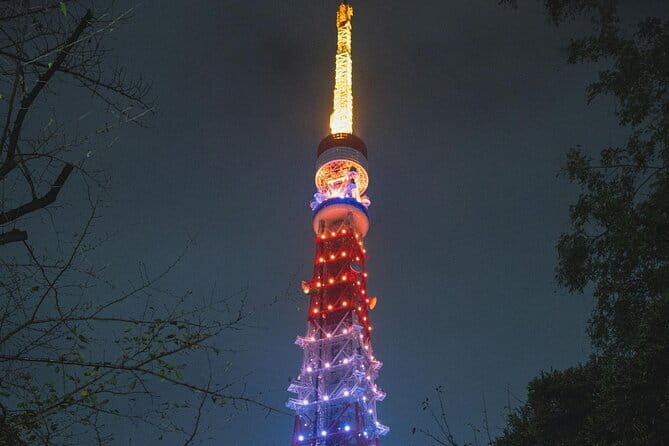
- Tokyo Tower (main deck only): iconic and anime-friendly
- Odaiba: bay-area shopping and entertainment
- How your custom picks change the whole experience
- Price and logistics: what $286.16 buys you (and what it doesn’t)
- Foot-walking reality: pace, comfort, and planning for heat
- Should you book this Tokyo 2-day private walking tour?
Key highlights you should care about
- Same guide for two consecutive days so your pacing and interests stay consistent
- Pick 3–4 stops each day from the lists, and mix options across both days
- A smart Tokyo blend: temples and old downtown areas plus Harajuku/Shibuya modern culture
- Licensed English guide who answers questions in plain language and can adjust on the fly
- Most admission fees are on you (some major stops are free, but not all)
- The route supports variety: gardens plus electronics, markets, and viewpoints
Why this works for Tokyo in 48 hours
Tokyo is huge. Trying to “hit everything” in one day usually turns into fast walking, long train rides, and a lot of staring at your phone. This tour avoids that trap by giving you two full days of guided time, roughly 6 hours each day, with the added bonus that you don’t have to start over with a new person.
What you end up with is a trip that feels like Tokyo has a plan, even though it’s still Tokyo. Day 1 leans toward historic neighborhoods and classic sights. Day 2 shifts toward gardens, pop-culture areas, and skyline views. And because you choose your 3–4 stops per day, you can steer the theme—quiet and reflective, or energetic and contemporary—without sacrificing flow.
If you’re the type who likes to see icons but also wants explanations, this kind of private format is often the difference between sightseeing and understanding what you’re looking at.
You can also read our reviews of more walking tours in Tokyo
Licensed, English-speaking guides: the real value

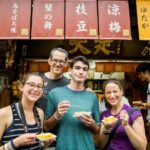
A licensed guide matters in Tokyo. It’s not only language. It’s also the ability to read the situation: time of day, crowds, and what’s worth your energy versus what can wait. The guides tied to this tour are licensed and English-speaking, and the feedback I see around the experience strongly centers on two things: solid knowledge and a workable, human pace.
I especially like the examples from prior guides. One guide, Yasuho Suzuki, was praised for researching a specific store request that wasn’t known on the spot, then going out of his way to make it happen. Another, Yoshi, is described as both fun and easygoing, while also connecting the places to how Japanese society feels today—not just dates and facts. Kazu Hakata was noted for covering a lot across two days and even arranging an extra tea ceremony experience when that mattered to the guest.
Will every guide arrange extras like a tea ceremony? The tour details here don’t promise that as a standard inclusion. But the broader point is practical: when you book private, you’re not trapped in a rigid script.
Day 1 in Tokyo: Asakusa, old downtown, and big-city contrast
Day 1 is built to help you get your bearings fast and then keep widening the lens. You’re choosing from a set of stops that run from Asakusa’s temple area into museum-and-market Tokyo, then back into old-down town neighborhoods and park time.
Asakusa and Senso-ji: classic Tokyo, easy to orient
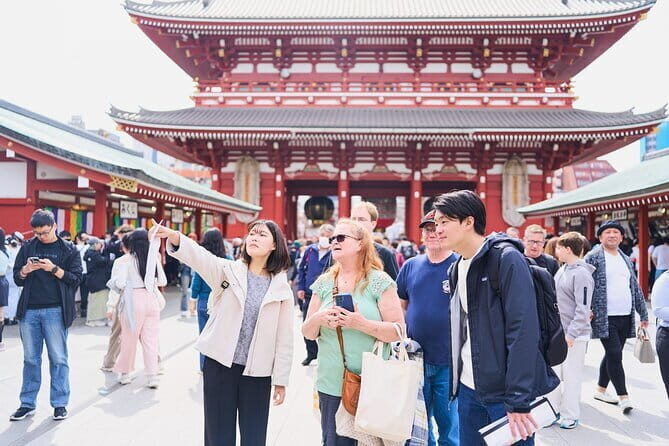
Asakusa is where a lot of first-time Tokyo energy starts, and it works well early in your trip. The plan includes time for Asakusa with a meeting that can start at your hotel area, then move into your chosen stops. From there, Senso-ji sits at the center of the day’s temple block.
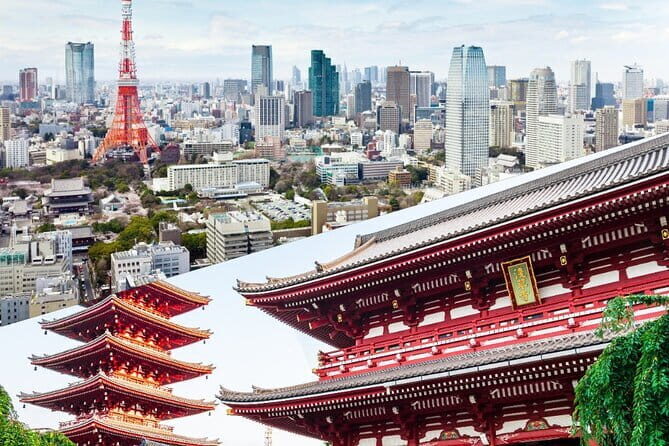
Senso-ji is described as a Buddhist temple in Asakusa and one of Tokyo’s most popular and colorful temples. You’ll also get context from your guide, including the legend that dates back to the year 628. The “practical” part here is that Senso-ji gives you a clear visual anchor for how Tokyo blends tradition into everyday life.
Consideration: temple areas can be busy, and you’ll be walking. If you don’t love crowds, schedule this block for a time when you can slow down and actually look.
Imperial Palace (outside only): a lesson in Edo-era scale
Next comes the Imperial Palace area. This tour is explicit: it covers the setting, but does not include access inside the Imperial Palace.
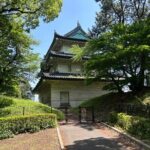
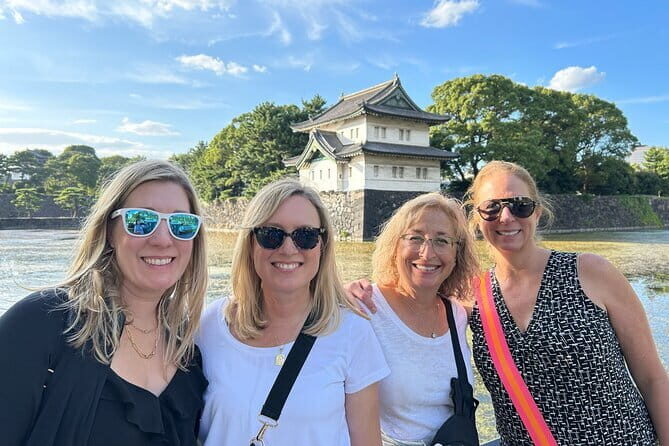
Still, it’s valuable because the palace grounds sit on the former site of Edo Castle, and the description emphasizes the big visual components you can see from the outside: a park area with moats and massive stone walls. Even without the interior visit, you get a strong sense of scale and how power was organized in earlier Tokyo.
Consideration: if your goal is the interior experience, this stop won’t satisfy that alone.
You can also read our reviews of more guided tours in Tokyo



Tokyo National Museum: when you want “serious” museum time
You can choose Tokyo National Museum as one of your stops on Day 1, and it comes with a clear note: admission is not included.
The museum is described as the oldest and largest of Japan’s top-level national museums, with Tokyo National Museum also referenced alongside other national museums in places like Kyoto and Nara. If you like art and artifacts, this is the kind of anchor stop that can justify the extra ticket cost.
Consideration: museum time is often the part that changes your whole day. If you pick it, plan to move at a museum pace and accept that the rest of your day may need to be simpler.
Tsukiji Fish Market and Akihabara: food culture meets tech culture
Tsukiji Fish Market is included as a shorter stop, and the idea is straightforward: explore the old fish market in Tokyo. It’s also marked with free admission for that stop.
Then you get Akihabara, the electronics district in central Tokyo. It’s described as famous for electronics shops and recognized as a center of Japanese pop culture. If you like modern Tokyo’s “I can’t believe this exists” feeling, this is the part that delivers it fast.
Consideration: these stops are the most likely to mix sensory overload with shopping expectations. If you hate crowds and hard-sell storefronts, choose shorter routes or make sure your guide builds in time to step back.
Hama Rikyu Gardens: a break by the bay
After the market and electronics energy, Hama Rikyu Gardens gives you a calmer tempo. The description highlights what makes it distinct: it’s alongside Tokyo Bay, with seawater ponds that change level with the tides, plus a teahouse.
This is a good choice if you’re trying to balance “sightseeing mode” with actual rest. Garden time can also be where your guide’s explanations land best, because you’re not rushing past everything.
Consideration: admission is not included, and the stop is shorter. If you want long garden wandering, keep expectations aligned with a 6-hour day.
Shibamata and Nezu: old-school Tokyo charm
Shibamata is one of the quieter choices here, and the description leans into that. It’s an eastern Tokyo neighborhood near the Edogawa River, described as a place that retains old-school charm from earlier times.
Nezu is also framed as a part of shitamachi—old downtown—and the description notes that it miraculously avoided major damage during world wars and natural disasters. The result is neighborhoods that still feel like the last century.
These are excellent selections if you like Tokyo that feels lived-in. They’re also a useful counterweight to the heavy icons of Asakusa and the big-city pace of the central districts.
Ueno Park: parks, museums, and seasonal crowds
Ueno Park rounds out the Day 1 menu. The plan notes there are multiple attractions nearby—museums, a zoo, a Toshogu Shrine, and Shinobazu Pond—and also calls out that Ueno Park is a notable cherry blossom party spot.
If you’re traveling in a seasonal window when parks matter, this can be a high-value stop. If not, it can still be a pleasant endcap, especially since Ueno Park has a reputation that makes it easy to understand why people come.
Consideration: admission is not included for this stop.
Day 2 in Tokyo: gardens, Harajuku fashion, Shibuya energy, and skyline views
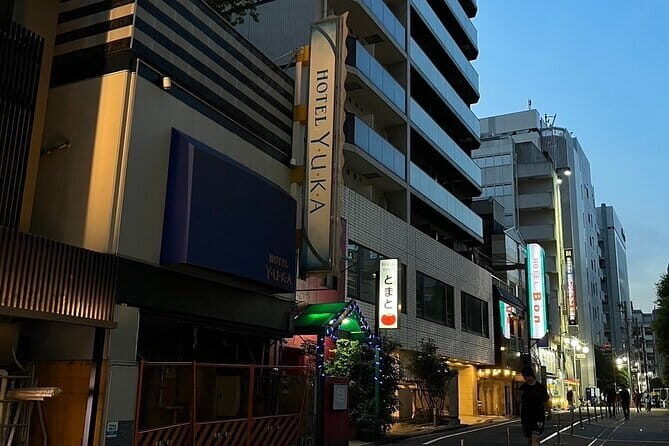
Day 2 is designed to show Tokyo’s other side: parks and shrines mixed with youth culture and big viewpoint moments. You’ll choose from garden-heavy options like Shinjuku Gyoen and Rikugien, then swing into Harajuku/Takeshita Street and Meiji Jingu, and finish with city spectacles like Shibuya Crossing, Tokyo Tower, and Odaiba.
Shinjuku Gyoen and Rikugien: park time with different styles
Shinjuku Gyoen is described as one of Tokyo’s largest and most popular parks near Shinjuku Station. Expect lawns, meandering paths, and a tranquil escape vibe.
Rikugien is described as one of Tokyo’s best Japanese gardens, built around 1700 for the 5th Tokugawa Shogun. If you like gardens as destinations rather than breaks, Rikugien is a strong pick—just remember admission isn’t included.
Consideration: gardens can be chosen as “reset buttons.” If you pick two garden stops on the same day, make sure you still have time for culture stops later.
Yoyogi Park, Takeshita Street, and Meiji Jingu: one day, different Tokyo moods
Yoyogi Park is listed as great for outdoor activities like jogging and picnicking, with wide lawns, ponds, and forested areas. Then the plan moves you toward Harajuku via Takeshita Street, framed as the center of extreme teenage culture and fashion styles.
Right beside Harajuku Station is Meiji Jingu, a shrine dedicated to Emperor Meiji and Empress Shoken’s deified spirits. This creates a nice “fast mood shift” within walking reach: modern youth energy, then a shrine setting that feels like a pause.
Consideration: this portion can be a lot of walking plus people-watching. Build in a comfortable pace and don’t let shoe choice become your main character.
Shibuya Crossing and Kabukicho/Golden Gai: city energy and nightlife streets
Shibuya Crossing is included as a major city icon stop. Admission is listed as free, and the time allocation suggests a focused look rather than hours of wandering.
Then you’re also given Kabukicho, where Golden Gai is referenced. The description notes Golden Gai’s origin around 1950 when a black market moved and various eating and drinking establishments grew up in the area. This is where Tokyo’s nightlife culture shows up in a tight, street-level way.
Consideration: if you prefer daytime touring, you can still pick Kabukicho earlier, but keep in mind it’s a district people associate with night scenes.
Koishikawa Korakuen: classic garden option #2
Koishikawa Korakuen is described as one of Tokyo’s oldest and best Japanese gardens, built in the early Edo Period at the Tokyo residence of the Mito branch ruling family.
It’s an admission stop, so plan for costs if you choose it. Still, it’s a good “garden collector” choice, especially if you like comparing styles across Tokyo’s garden sites.
Consideration: if you chose Rikugien already, Koishikawa Korakuen can feel like a similar theme. That’s not bad, but be intentional.
Tokyo Tower (main deck only): iconic and anime-friendly
Tokyo Tower is listed with a clear access rule: only up to the main deck is included, and the top deck is not included. The description points out the tower’s retro look, how it has been a symbol of Tokyo for a generation, and that it appears in anime backgrounds.
If seeing Tokyo’s most famous silhouette matters to you, this stop is a straightforward win. Just don’t assume you’ll get the highest viewpoint listed elsewhere.
Odaiba: bay-area shopping and entertainment
Odaiba is described as a popular shopping and entertainment district on a man-made island in Tokyo Bay. It also notes the origin as fort islands built toward the early expansion of maritime defense (the description is truncated, but the fort-island idea is clear).
This is the kind of stop that can work as a fun finale: different coastline energy, more modern feel, and a lot of options around you even beyond what the tour includes.
Consideration: Odaiba is marked as free admission, but that doesn’t mean you won’t spend money on food or shopping. Keep your budget ready.
How your custom picks change the whole experience
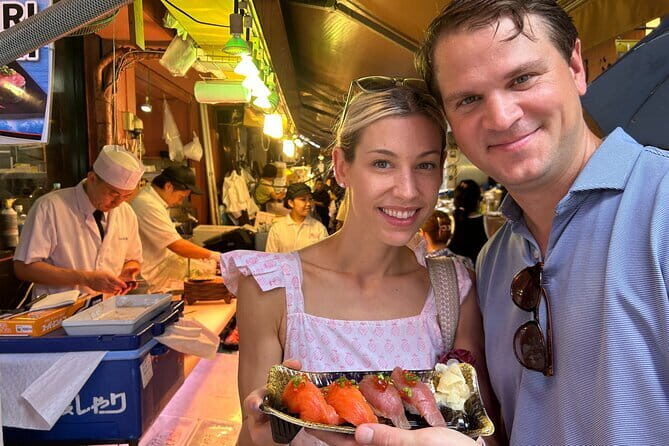
The tour is built around a simple rule: you choose 3 to 4 sites each day from the available lists, and you can mix and match between days. That gives you control over the tempo.
If you’re traveling with kids or you get tired easily, I’d lean toward two big icons plus one calmer stop (like a garden). If you’re a “walk-and-wonder” type, you can pick a more dense mix, but then you should expect less time to linger and more time to move.
This setup also helps you avoid a classic Tokyo problem: choosing stops that are far apart. With a guide directing the plan, you can design a route that fits your day length rather than forcing a straight-line “checklist sprint.”
You also get the advantage that the tour is private, meaning your group pace is your group pace. It’s just you, your guide, and the Tokyo street system.
Price and logistics: what $286.16 buys you (and what it doesn’t)
At $286.16 per person for two days, you’re paying primarily for private, licensed guidance over about 12 hours total (roughly 6 hours each day). In practice, that often becomes good value because Tokyo can be expensive in time and frustration—especially if you’re trying to coordinate multiple stand-alone tours.
What you should budget for is straightforward:
- Meals and transportation fees are not included.
- Entrance fees and other personal expenses are not included.
- Some stops are free and some are not, so your total ticket cost depends on your choices.
- The tour also notes that private vehicle is not included.
A smart way to plan your cost is to choose at least a couple free-admission anchors (for example, Senso-ji, Tsukiji Fish Market, Akihabara, Meiji Jingu, Shibuya Crossing, and Odaiba are marked free in the stop descriptions), and then “spend” your paid admissions on one or two major ticket stops (like Tokyo National Museum, Shinjuku Gyoen, Rikugien, Koishikawa Korakuen, Hama Rikyu Gardens, or Tokyo Tower main deck).
Foot-walking reality: pace, comfort, and planning for heat
Even with the guide handling route efficiency, this is still a walking tour. Your best friend here is footwear that won’t punish you. The guidance from past experiences also mentions severe weather—high heat and humidity—so I’d plan for that reality.
Bring water. Wear breathable clothing. If you’re planning for the hottest months, consider choosing more garden and shrine stops (when you can) and keep museum time as your “cool indoor anchor,” if you want that option.
Also note the tour includes meet-up on foot within a designated Tokyo area, with pickup offered. Translation: your start point will likely be close to transit, and your guide will manage the walking rhythm from there.
Should you book this Tokyo 2-day private walking tour?
Book it if:
- You only have about two days and want a plan that covers both traditional Tokyo and modern neighborhoods.
- You want private, English-speaking guidance with the same person for both days.
- You like choosing your own mix of stops—3 to 4 per day—so you can avoid seeing sights you don’t care about.
Skip or rethink it if:
- You’re mainly trying to check off places that require specific interior access. Imperial Palace interior isn’t included, and Tokyo Tower’s top deck isn’t included.
- You don’t want to deal with entrance fees. Many major sights here are free, but not all.
- You strongly dislike walking in hot weather.
If you want Tokyo to feel like it has a thread from morning to evening instead of random hopping, this is a solid way to do it. The guide factor is the difference maker, especially when you care about more than photos.