REVIEW · KYOTO
Kyoto: Fully-Customized One-day Private Tour
Book on GetYourGuide →Operated by Travel Japan Together · Bookable on GetYourGuide
Kyoto clicks faster with a good local guide. What makes this one-day tour work so well is the custom timing (from a quick 1-hour walk to an 8-hour day) and the way your guide links Kyoto landmarks with everyday culture as you move on foot. I love the blend of big-name sights like Gion and Higashiyama, plus the added contrast of calmer temple areas such as Nanzen-ji and Chion-in. One possible drawback: food, entrance fees, and transport costs are on you, so the final day budget depends on how many snacks and ticketed stops you add.
I also like the private-group feel, which means the route can bend to your pace and interests instead of forcing everyone through the same checklist. Pickup is built in if you’re staying in Kyoto city, and the guides in the “real world” examples I saw (people like Takuma, Yuki, and Nori) are consistently described as friendly, attentive, and good at explaining the story behind what you’re seeing.
In This Review
- Key Points You’ll Care About
- How This One-Day Private Plan Works (and Why It’s Worth It)
- Nishiki Market: Where Kyoto’s Food Culture Starts
- Gion: The Iconic Streets That Make People Stop and Look
- Lunch Time: A Break That Your Guide Can Turn Into a Plan
- The Higashiyama Focus: Kiyomizu-dera and the Streets Between
- Nanzen-ji and Chion-in: The Calmer Kyoto That Recharges Your Day
- Pickup, Walking Pace, and Transportation: What You’ll Actually Feel
- English-Language Guidance That Helps You Understand What You’re Seeing
- Price and Value: The $24-per-Person Question
- Who This Tour Best Fits (and Who Might Pass)
- Practical Tips for a Smoother Kyoto Day
- Should You Book This Kyoto Private Walking Tour?
- FAQ
- How long is the Kyoto private tour?
- What language is the live tour guide?
- Is this tour private?
- Is pickup included from my accommodation?
- What main areas and stops are included?
- Is lunch included in the price?
- Are entrance fees included?
- Are transportation fees included?
- Is the tour wheelchair accessible?
- Can I pay later and cancel for a refund?
Key Points You’ll Care About
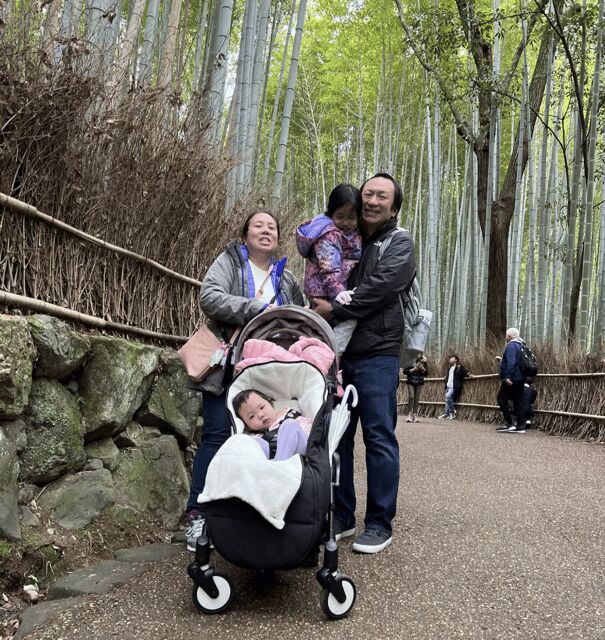
- Private, English-guided walking through Kyoto’s core neighborhoods at a pace that actually fits your day
- Flexible duration options (1, 2, 5, or 8 hours) so you can match the tour to your itinerary
- Street-level start at Nishiki Market followed by iconic Kyoto sights like Gion
- A contrast stop at quieter temple areas (Nanzen-ji and Chion-in) to escape the biggest crush
- Main focus on Higashiyama with famous sights like Kiyomizu-dera Temple as part of the experience
- Pickup from your accommodation within Kyoto city, saving you time and stress
How This One-Day Private Plan Works (and Why It’s Worth It)
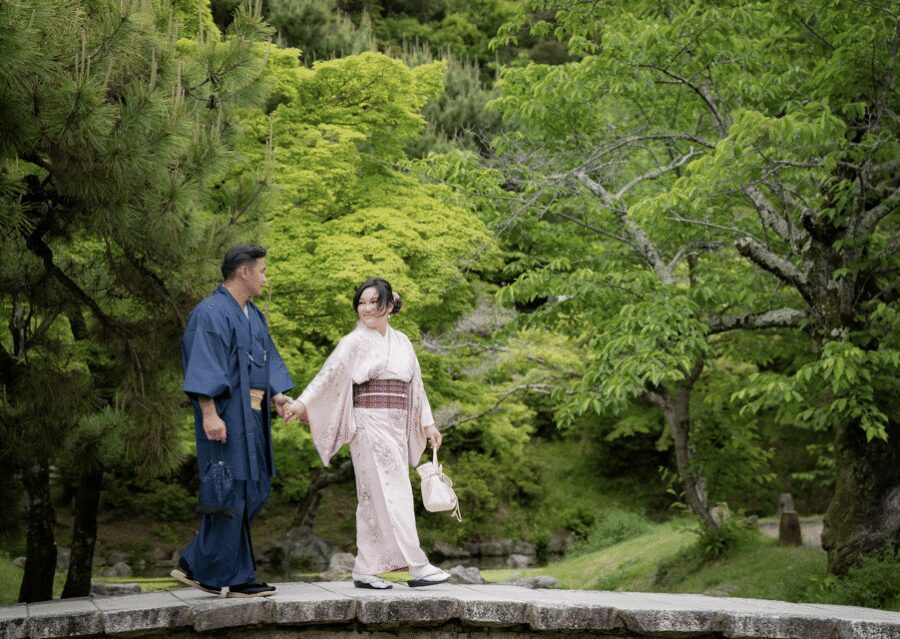
This tour is built around a simple idea: Kyoto is best when you can ask questions while you walk. Instead of you staring at plaques or guessing at what you’re looking at, you’ve got a local guide who can connect the dots between Japanese history, cultural habits, and the places you’re standing in front of.
You can choose the tour length—1, 2, 5, or 8 hours—so the same experience can fit a quick layover day or a full exploration day. In a city like Kyoto, where crowds and walking distances can surprise you, the flexibility matters. A shorter tour helps you avoid fatigue. A longer one helps you go beyond the postcard version.
You’ll also appreciate the private group format. Even if you’re traveling as a solo visitor, you’re not stuck in a large group with a rigid schedule. That’s how you end up with a day that feels “yours,” not like you’re being pushed through a conveyor belt.
You can also read our reviews of more private tours in Kyoto


Nishiki Market: Where Kyoto’s Food Culture Starts
Nishiki Market is the type of place where Kyoto announces itself fast. You’re walking through a classic food market area, with all the sensory chaos you’d expect—smells, displays, and constant activity. Your guide spends about 1.5 hours here, which is long enough to actually look around and not just rush to the next stop.
What I like about starting at Nishiki is that it gives you context. Kyoto isn’t only temples and old streets. It’s also how people shop, snack, and carry on daily life—plus how those habits feed the city’s identity. This is where your guide’s storytelling can turn random foods into cultural clues.
Because food and drinks aren’t included, you’re in control of how much you want to sample. That also helps with budgeting. You can do light snack tasting if you’re watching calories, or go more adventurous if you’re building your “Kyoto bites” memories.
Tip for a smoother start: go in with a plan for what you’re comfortable carrying. Market walking can be quick, and you’ll likely end up with items in hand if you sample.
Gion: The Iconic Streets That Make People Stop and Look
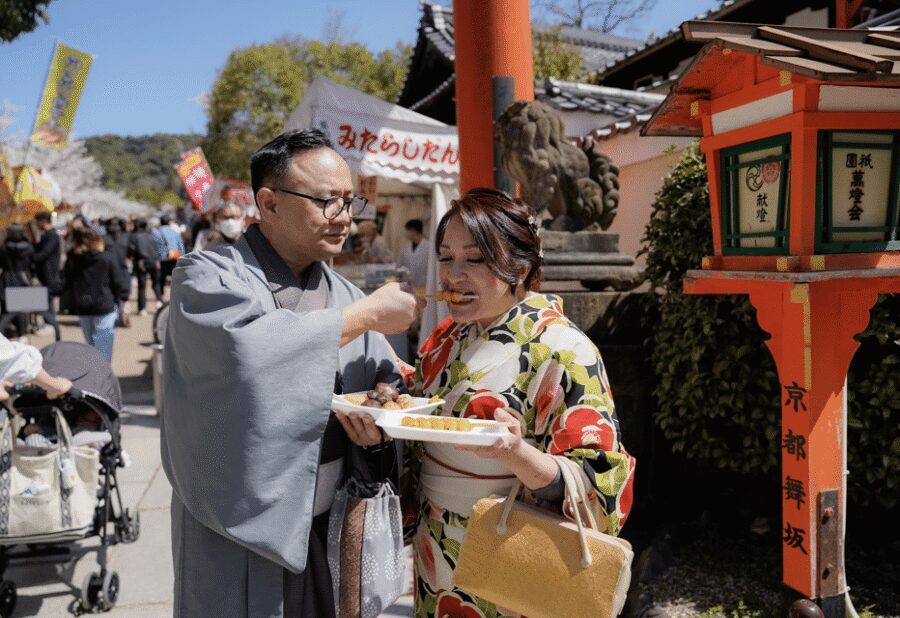
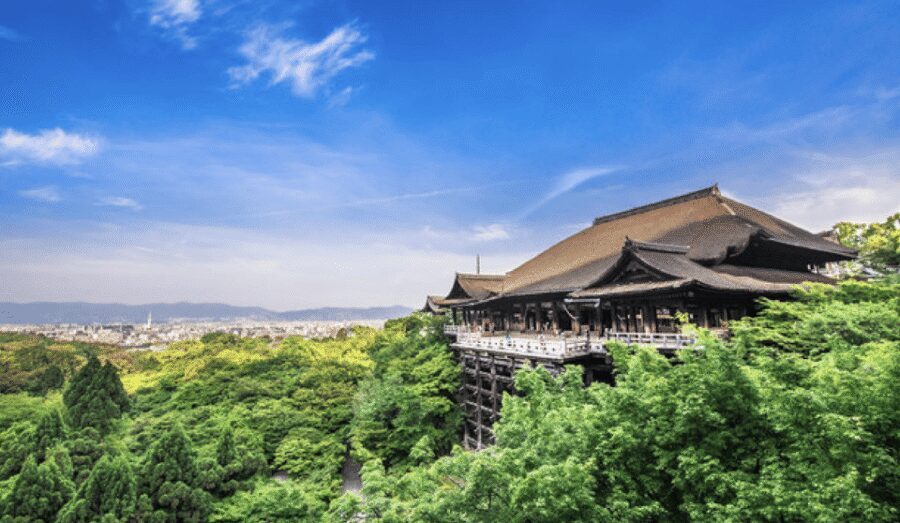
After Nishiki, the tour moves to Gion, usually around one hour. This is where Kyoto becomes instantly recognizable: traditional streetscapes, lively street scenes, and that unmistakable sense that you’re inside a living cultural district rather than an outdoor museum.
Here’s the practical value of having a guide for Gion. The area can feel like it’s all surface-level glamour unless someone explains what’s going on historically and socially. A good guide also helps you manage crowd timing. One theme from guide examples is that they can keep you away from the worst of the masses while still showing you the key atmosphere—so you get photos and understanding without feeling trapped in a human river.
This stop works best when you slow down. Don’t treat it like a “see it, move on” checkbox. Let your guide point out small details you might otherwise miss: how streets flow, how neighborhoods are shaped, and why certain traditions linger where they do.
Lunch Time: A Break That Your Guide Can Turn Into a Plan
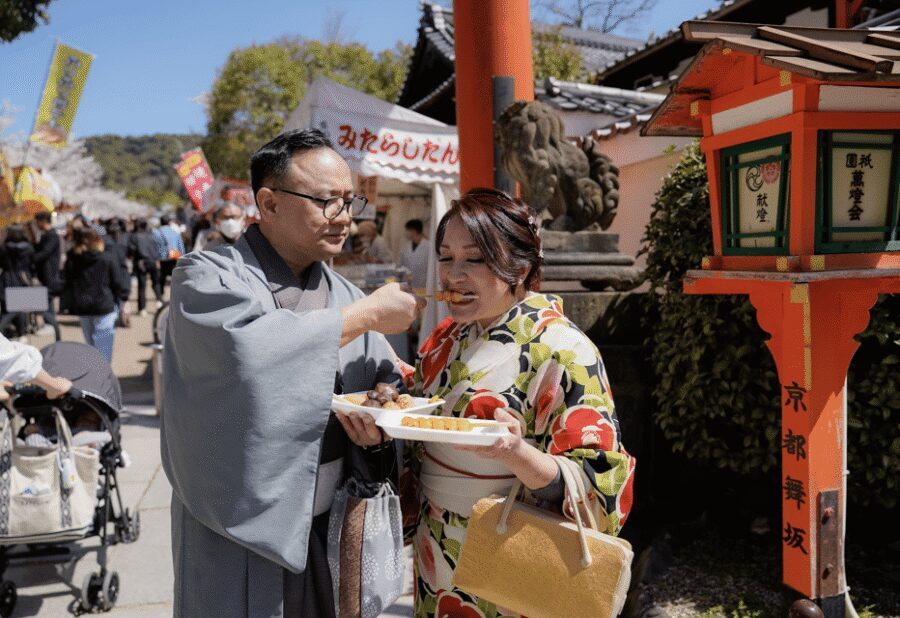
Lunch is built into the day with about one hour of time in the Kyoto portion of the route. Food itself isn’t included, and entrance fees aren’t included either, so lunch is where you’ll decide how you want to spend your money.
This is exactly where I’d lean on the guide. Even if you have strong preferences—casual comfort food, something lighter, or a more traditional meal—having someone local can help you avoid two common issues: places that are hard to find when you’re tired, and spots that are crowded for the wrong reasons.
Also, an hour is a good length here. In Kyoto, if lunch becomes too rushed, the afternoon temples feel stressful. If it’s too long, you start losing the rhythm of the walking plan. This gives you space to eat, reset, and keep momentum.
The Higashiyama Focus: Kiyomizu-dera and the Streets Between
The tour’s main concentration is the Higashiyama area, where Kyoto’s famous scenery and old-street layouts create that “this is why people come” feeling. This area is repeatedly tied to iconic sights such as Kiyomizu-dera Temple.
Why it’s valuable to have a private guide here: Higashiyama can be picture-perfect and crowd-packed at the same time. When you’re on your own, you often end up walking in circles because you’re trying to hit landmarks without knowing how the streets connect. With a guide, the movement feels more logical. You’re more likely to understand why you’re walking where you’re walking.
This stop also benefits from having the right expectations about timing. Entrance fees aren’t included, so if you want to go inside major temple areas, budget for that. The guide can help you factor those moments into your pacing so the day doesn’t turn into rushed lines.
Wear shoes you trust. Higashiyama is all walking and stairs, and your guide will keep you moving efficiently.



Nanzen-ji and Chion-in: The Calmer Kyoto That Recharges Your Day
One of the best parts of this tour is that it doesn’t stop at the most famous scenes. You also head toward quieter temple territory—Nanzen-ji and Chion-in—with time set aside to actually experience the atmosphere, not just pass through it.
In a city like Kyoto, stepping away from peak crowds is not a luxury. It changes how you feel in the place. Quiet temple areas let you notice smaller details: the pace of visitors, the way the grounds feel, and how the mood shifts when you’re not surrounded by constant foot traffic.
Nanzen-ji is scheduled for about one hour. That’s long enough to slow down, observe, and get a sense of the temple’s role in Kyoto’s cultural life. Chion-in is also part of the plan, aiming for that contrast: lively districts first, then a steadier, calmer perspective to close out the day.
Here’s the key takeaway: you’re not just collecting sights. You’re balancing energy—so the day still feels satisfying even when you’ve already seen the big names.
Pickup, Walking Pace, and Transportation: What You’ll Actually Feel
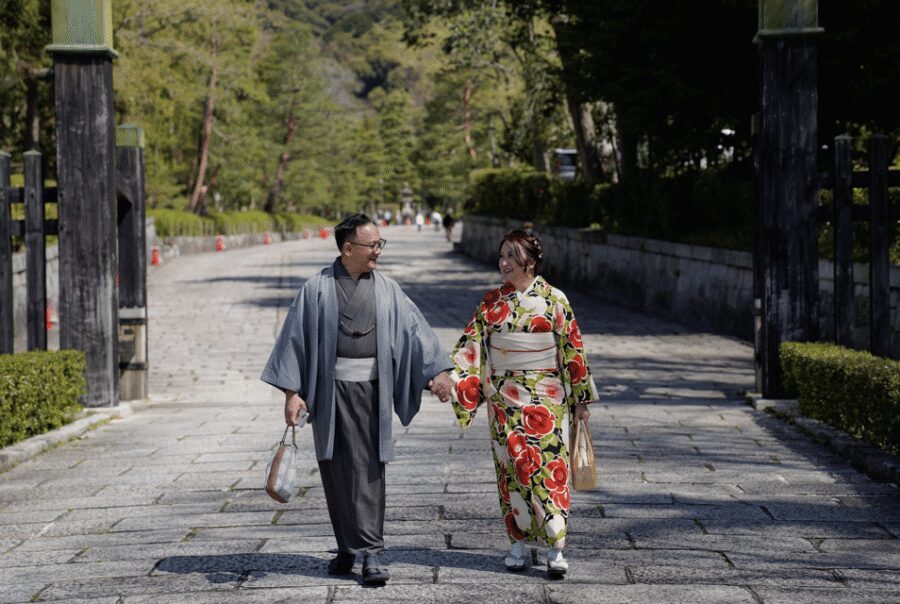
Pickup is included if you’re staying at a hotel within Kyoto city. That means less time figuring out meeting points and more time using your energy to enjoy the neighborhoods. For a one-day tour, that kind of time saving is real value.
The route includes a short bus/coach segment (about 15 minutes) to connect areas efficiently. Since transportation fees aren’t included, you may pay that component depending on how the day is handled. The good news is that the walking portion is still the core experience, so you’re not spending your day riding around.
Because this is designed as a walking tour, your comfort matters more than usual. If you have limited stamina, choose the shorter durations first. If you’re fit and love to roam, longer options make sense.
English-Language Guidance That Helps You Understand What You’re Seeing
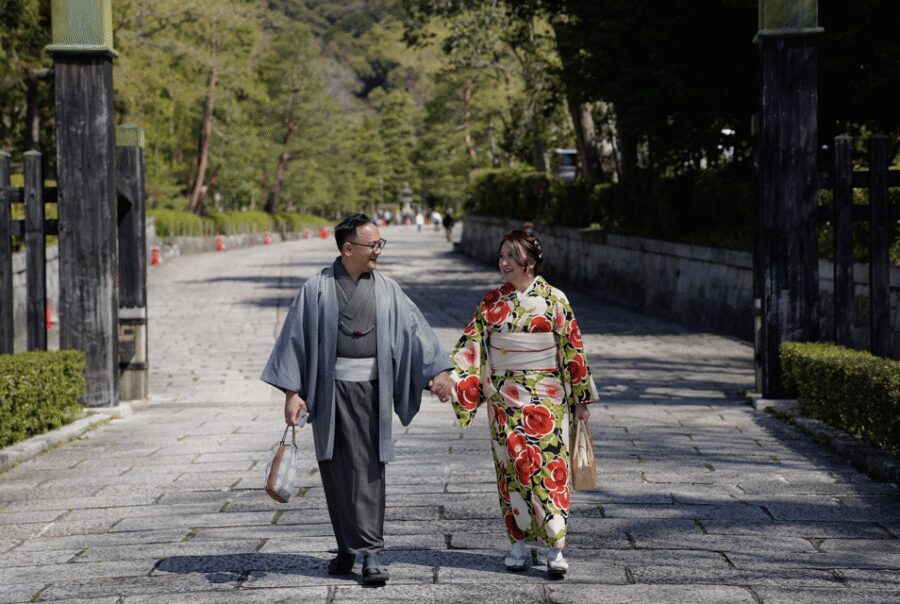
The guide is English-speaking, and the goal is interpretation, not just directions. What I particularly like is the way guides can turn confusing Japanese history into something you can actually picture while you’re standing in Kyoto.
The name examples I saw—Takuma, Yuki, and Nori—come with a consistent pattern: guides are friendly, and they’re good at explaining context clearly while still keeping the walk enjoyable. Even if you’re not a self-described history buff, you’ll likely enjoy how stories connect across neighborhoods: food culture, district identity, temple traditions, and the way all of that shapes what you see today.
This matters because Kyoto can feel like a lot at once. Good guidance helps your brain sort the day into themes instead of a blur of buildings.
Price and Value: The $24-per-Person Question
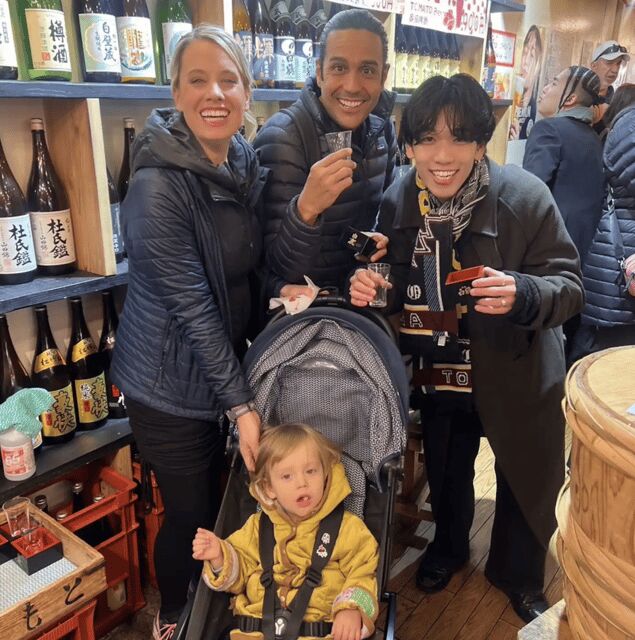
At $24 per person, this isn’t priced like a luxury driver-and-guide package. It’s priced like you’re paying for the main thing that makes the day work: a private, English-speaking guide plus itinerary planning and pickup (when eligible).
The “watch out” part is that food and drinks aren’t included, and entrance fees and transportation fees also aren’t included. So your total cost can rise depending on how much you eat, how many sites you enter, and what transport is required on the day.
Still, the value can be strong if you match the format to your travel style:
- If you want a plan and context without doing heavy research yourself, a guide saves time.
- If you like walking but don’t want to spend hours figuring out routes, this helps.
- If you’re traveling in a small group, the per-person cost often feels easier to justify.
A practical way to think about it: you’re paying to replace guesswork with a local storyline, plus you’re getting the flexibility to choose a short or long day.
Who This Tour Best Fits (and Who Might Pass)
This tour fits well if you:
- Have limited time in Kyoto and want the day to feel coherent
- Want famous highlights like Gion and Higashiyama without losing your brain in crowds
- Like your sightseeing explained, not just photographed
- Want someone to help shape a route that matches your interests
It might be less ideal if you:
- Prefer fully independent wandering with zero structure
- Don’t want to pay for entrances, transport add-ons, and self-funded meals
- Plan to move very slowly and want a tour that’s basically a long sit-down experience (this one is built around walking)
Practical Tips for a Smoother Kyoto Day
I’d plan around your feet first. Choose shoes you’ve already worn. Bring layers if the weather shifts, since walking neighborhoods in Kyoto can mean sun, shade, and temperature changes.
Since the tour includes a market start and a lunch break, decide how you want to handle food early. If you’re someone who snacks lightly and saves meals, you’ll likely enjoy Nishiki and still feel ready for your next stops.
Also, treat the guide like your navigation plus translator for culture. Ask questions as you go, not later. You’ll get more satisfying answers when you’re looking at the exact place being discussed.
And when you hit temple areas, slow down. Even a one-hour visit is easier to enjoy if you’re not speed-walking to tick off the next photo.
Should You Book This Kyoto Private Walking Tour?
If you want a Kyoto day that feels organized, story-driven, and flexible, this is an easy yes. The combination of market + district + temple contrast, the English private guide, and the fact that you can pick a tour length from 1 to 8 hours makes it a good match for many first-time and repeat visitors.
I’d book it if you value understanding as much as seeing—and if you’re okay covering your own food, entrance fees, and transportation add-ons. If that part sounds like a headache, then you might prefer a simpler self-guided day.
FAQ
How long is the Kyoto private tour?
The tour duration can be selected from 1, 2, 5, or 8 hours.
What language is the live tour guide?
The tour guide speaks English.
Is this tour private?
Yes, it’s listed as a private group experience.
Is pickup included from my accommodation?
Pickup is included if you’re staying at a hotel within Kyoto city, and the guide will pick you up and conduct the tour.
What main areas and stops are included?
The day includes Nishiki Market and Gion, with a focus on Higashiyama (including Kiyomizu-dera Temple) and temple visits to Nanzen-ji and Chion-in.
Is lunch included in the price?
Lunch time is included in the tour schedule, but food and drinks are not included in the price.
Are entrance fees included?
No, entrance fees are not included.
Are transportation fees included?
No, transportation fees are not included.
Is the tour wheelchair accessible?
Yes, the tour is wheelchair accessible.
Can I pay later and cancel for a refund?
Yes. You can reserve now and pay later, and you can cancel up to 24 hours in advance for a full refund.