REVIEW · OSAKA
Osaka: Walking Tour to Local Gems, Food & Culture
Book on GetYourGuide →Operated by Localized Walking & Food Tours · Bookable on GetYourGuide
Osaka moves fast; this tour keeps up. I like how this route is built around efficient sightseeing: Shinsaibashi start, photo time at Dotonbori, and a full 150-minute loop that still leaves room to ask questions. The English live licensed guide keeps the context clear, so you understand why each place matters, not just where to stand for photos.
One thing to plan for is that food isn’t included, so you’ll want a little extra budget for snacks at Kuromon Ichiba Market. Also, since it’s a walking tour, wear comfortable shoes and expect you’ll be on your feet most of the 150 minutes.
In This Review
- Key highlights you’ll actually feel on the walk
- Meeting at Apple 心斎橋: start clean, not stressed
- The guided pacing: short segments, steady momentum
- Dotonbori photo stop: why the timing is smart
- Hōzenji Temple: a shorter pause with guided meaning
- Kuromon Ichiba Market: bring a snack plan, not a big meal
- Nipponbashi Denden Town: photo time and a final guided push
- Price and value: $25 for 150 minutes adds up if you want context
- What’s included, and what you need to handle yourself
- Best fit: who this Osaka walking tour suits
- Quick practical tips before you go
- Should you book this Osaka walking tour?
- FAQ
- How much does the Osaka walking tour cost?
- How long is the tour?
- Where do I meet the guide?
- Is the tour guided in English?
- What is included in the price?
- Is food included?
- What are the rules about alcohol and drugs?
- Is it wheelchair accessible?
Key highlights you’ll actually feel on the walk
- English live licensed guide who can answer questions about Japanese culture while you’re moving
- Apple 心斎橋 meeting point: look for the guide holding a sign in front of Apple store Shinsaibashi
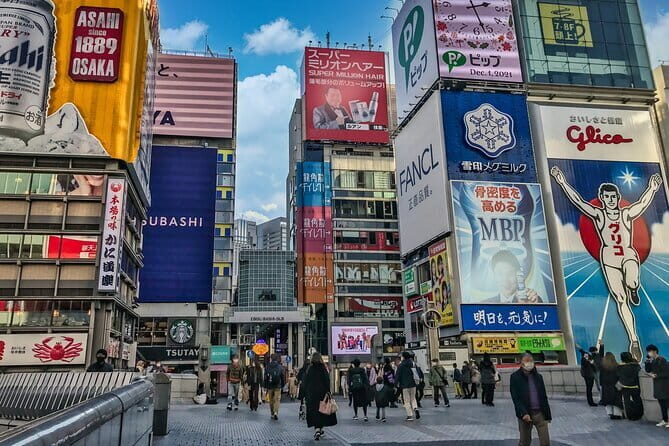
- Photo stops built in at Dotonbori and Nipponbashi Denden Town (so you’re not scrambling for timing)
- Iconic Osaka sights in one efficient loop within 150 minutes, with guided segments throughout
- Kuromon Ichiba Market stop with guidance, but you pay for any food separately
- Finish at Namba Grand Kagetsu, a handy landing spot for an easy next step
Meeting at Apple 心斎橋: start clean, not stressed
The tour kicks off at Apple 心斎橋, with the guide holding a sign in front of the Apple store Shinsaibashi. That sounds simple, but it matters—finding your start point is often the first time a walking tour goes sideways in Japan.
After you meet, you’ll get a guided introduction right away (a 15-minute segment). This is the part I appreciate most: it helps you get your bearings and understand what the guide is aiming for over the next 150 minutes. You’re not just collecting stamps; you’re building a quick mental map of how the stops connect.
From there, the walk shifts into short guided segments (10 minutes each) before the tour hits the more famous streets and landmarks.
You can also read our reviews of more walking tours in Osaka
The guided pacing: short segments, steady momentum
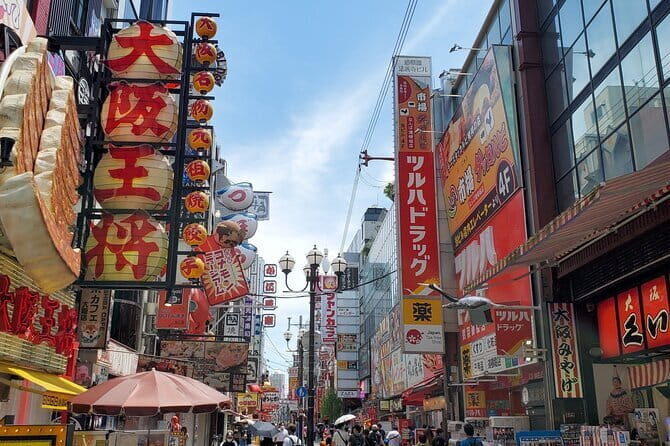
This is an efficient sightseeing format. Instead of one long lecture, you get a rhythm: walk, guided context, then another stop. The itinerary includes multiple guided stretches of about 10 minutes, which is about the right length to keep your attention without feeling rushed the whole time.
Practically, this pacing helps in two ways:
- You’re less likely to zone out during transit between areas.
- If you have questions, there are natural moments to bring them up rather than waiting until the end.
It also keeps the tour approachable whether you’re a first-time visitor or someone who already knows the big-name Osaka attractions. The guide’s job is to connect the dots—history and cultural significance, not just names on a sign.
Dotonbori photo stop: why the timing is smart
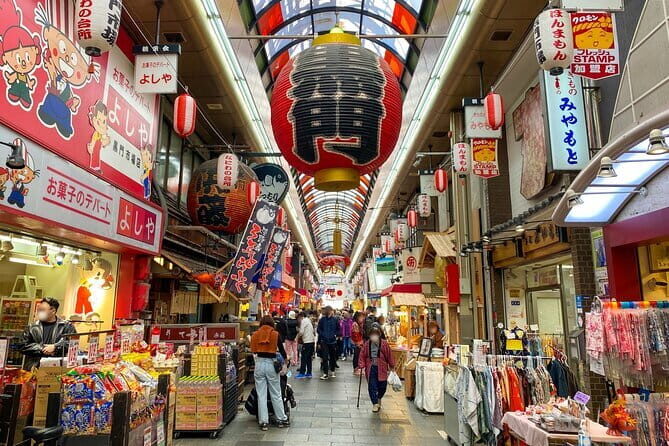
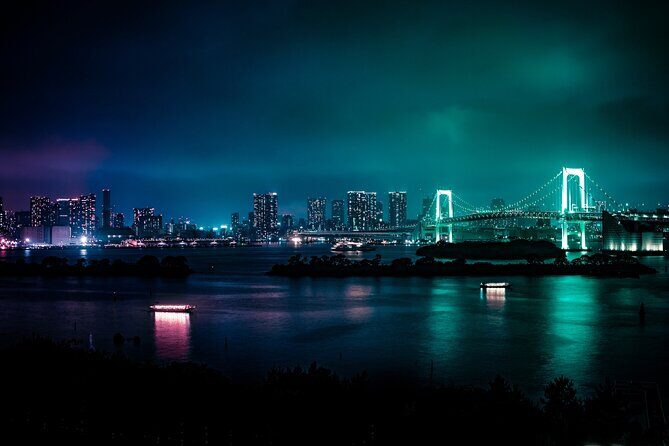
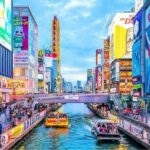
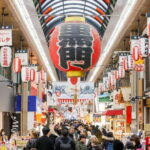
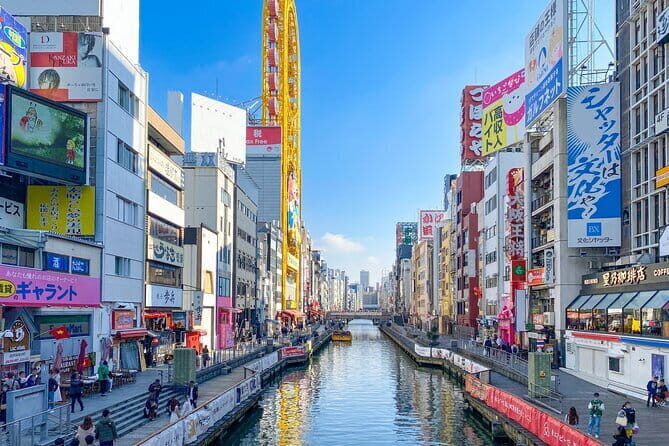
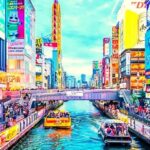
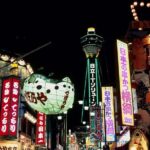
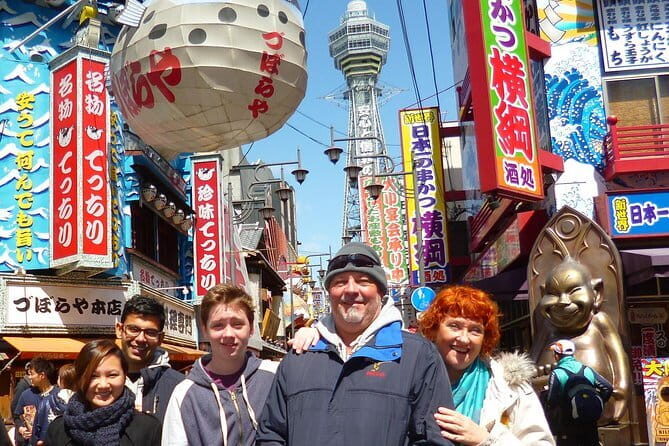
Dotonbori is a major anchor stop, and you’re given a 20-minute guided block there. The key detail is that there’s a photo stop built in. That means you’re not trying to coordinate pictures while the group is moving, which can turn photos into a missed chance.
What I like about this setup is that it treats Dotonbori as more than a checklist spot. The guide’s role is to share local stories and cultural context, so you walk away with something to connect to beyond the visuals.
Also, since the guide is English-speaking and live, you can ask follow-up questions on the spot. In past groups, guides like Rico were specifically praised for telling lots of items of interest and keeping the tone fun, not stiff.
Hōzenji Temple: a shorter pause with guided meaning
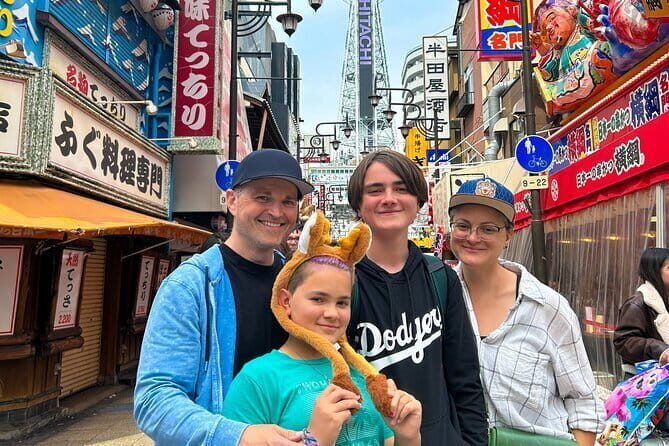
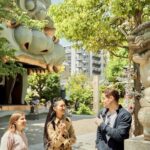
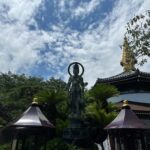
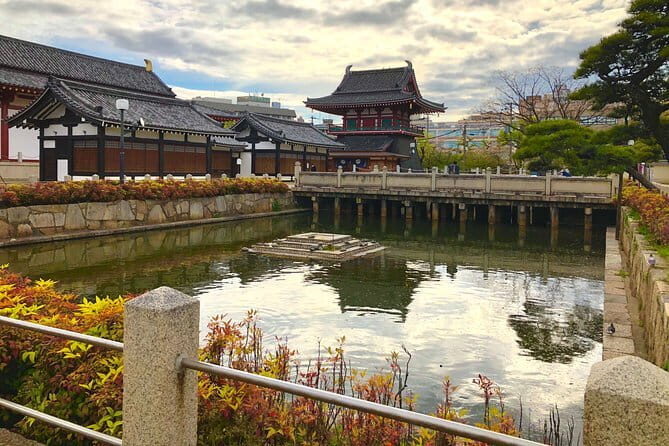
After Dotonbori, the itinerary moves to Hōzenji Temple for a 10-minute guided visit. The short stop is actually useful. It gives you a breather after the busier energy of the more famous streets, while still keeping the momentum of the tour.
This is one of those moments where the guide’s storytelling matters. You’re not expected to do a full independent exploration here; you’re meant to experience the place with a quick guided framing—enough to understand why it’s culturally significant in Osaka.
If you like travel that balances movement with context, this “short but intentional” format is a win.
Kuromon Ichiba Market: bring a snack plan, not a big meal
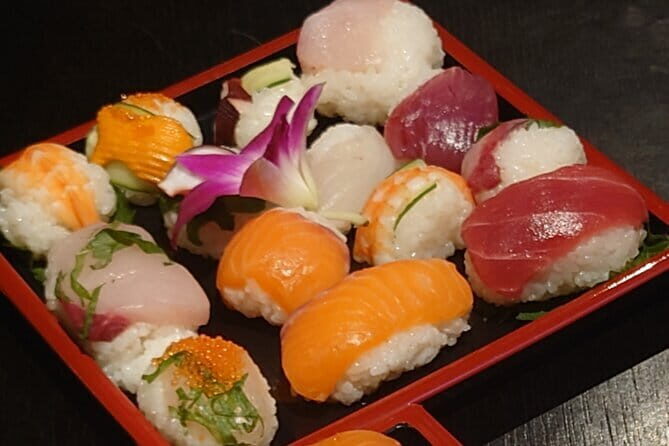
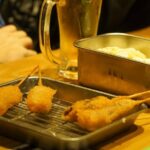
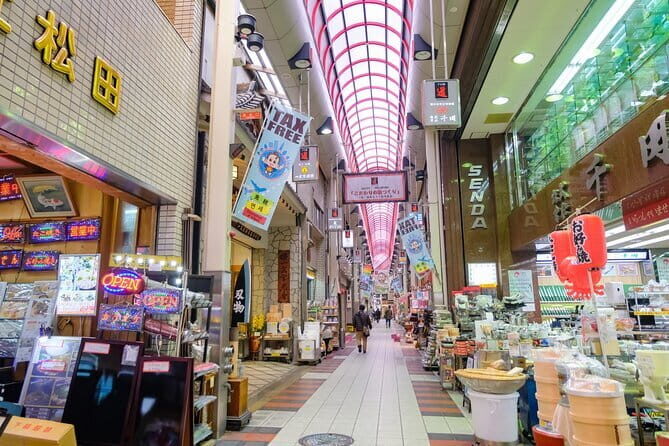
Next up is Kuromon Ichiba Market, another 20-minute guided stop. The big practical point: food isn’t included on the tour. So instead of expecting the guide to feed you, treat this as a chance to understand what the market area is like and decide what to buy on your own.
This is where you’ll want to think like a local shopper for a moment:
- Consider having some cash or card ready for small bites.
- Go in with light expectations and a flexible plan—some people want one snack, others want a couple of smaller items.
The guide’s value here is that you’re not wandering blindly. Even though you pay for what you eat yourself, you’re still getting orientation and cultural context so your choices feel more grounded.
If you’re the type who likes food culture but dislikes paying for a tour that forces a fixed meal, this structure tends to fit well.
You can also read our reviews of more food & drink experiences in Osaka

Nipponbashi Denden Town: photo time and a final guided push
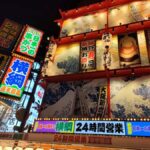
The tour then heads to Nipponbashi Denden Town for a 10-minute photo stop plus guided visit. Again, that photo-stop detail is key. It signals that the walk is designed around moments, not just locations. You’ll have a clearer chance to capture what matters without holding up the group.
After that, there’s another 10-minute guided visit before you finish at Namba Grand Kagetsu. Ending at a recognizable entertainment venue is convenient. It gives you a clean endpoint you can build plans around—dinner, shopping, or just taking your time to explore on your own.
In past experiences, guides like J. were praised for being available to answer questions about Japanese culture, not just pointing out places. That kind of Q&A-friendly approach is especially helpful around areas with lots of visual details.
Price and value: $25 for 150 minutes adds up if you want context
At $25 per person for 150 minutes, this isn’t priced like a full-day tour with meals. It’s more like a focused guided walk that tries to cover the most important Osaka stops in a manageable time window.
Here’s where the value comes from:
- You get an English live licensed guide (and all fees/taxes are included).
- The itinerary covers several distinct areas rather than staying in one neighborhood.
- You get context—stories and cultural significance—so it’s not just walking to landmarks.
The one trade-off is simple: food isn’t included. If you budget for at least one snack stop (especially at Kuromon Ichiba Market), the price usually feels fair for what you get.
If you hate paying for guided tours in general, you’ll feel the cost. If you prefer learning while you walk, this price-point can work nicely.
What’s included, and what you need to handle yourself
Included:
- All fees and taxes
- Licensed guide
- Guided experience in English
Not included:
- Food
So you control your own food spending. That’s actually a benefit for picky eaters, people with dietary preferences, or anyone who wants to sample at their own pace instead of following a fixed plan.
The guide also keeps the experience rules-based: alcohol and drugs are not allowed. That’s good for comfort and for the overall tone of the walk.
Best fit: who this Osaka walking tour suits

This tour tends to work well if you:
- Want an efficient way to see major Osaka highlights without getting lost in logistics
- Like guided stories and cultural context, not just photos
- Prefer asking questions while you’re out in the city (English live guide helps a lot)
It’s not suitable for wheelchair users, so if mobility is an issue, you’ll want a different format.
It also helps to like walking. Even though the time is only 150 minutes, it’s still a walking tour with multiple stops.
Quick practical tips before you go
- Have comfortable walking shoes ready for a 150-minute route.
- Bring a camera or phone since there are photo stops (Dotonbori and Nipponbashi Denden Town).
- Plan a small food budget for Kuromon Ichiba Market, since food isn’t part of the tour price.
- Arrive a few minutes early so you can spot the guide with the sign in front of Apple store Shinsaibashi.
Should you book this Osaka walking tour?
I’d book it if you want a guided walk that keeps things moving and still gives you story-level context. The English live licensed guide, the planned photo moments, and the end point at Namba Grand Kagetsu make it feel like a well-thought-out route for a short window in Osaka.
Skip it if you’re looking for an all-inclusive food tour with meals included, or if you need wheelchair accessibility.
If you do book, go in with the right mindset: you’re buying guided orientation and cultural stories, and you’ll handle your own snacks. That division of responsibilities is part of the value.
FAQ
How much does the Osaka walking tour cost?
It costs $25 per person.
How long is the tour?
The tour duration is 150 minutes.
Where do I meet the guide?
Meet at Apple 心斎橋. The guide will be holding a sign in front of the Apple store Shinsaibashi.
Is the tour guided in English?
Yes. The live tour guide speaks English.
What is included in the price?
The price includes all fees and taxes plus a licensed guide.
Is food included?
No, food is not included.
What are the rules about alcohol and drugs?
Alcohol and drugs are not allowed.
Is it wheelchair accessible?
No. It is not suitable for wheelchair users.