REVIEW · OSAKA
Osaka Sushi Cooking Class “Learn here and make it at home”
Book on Viator →Operated by WashokuYanen · Bookable on Viator
Sushi is fun when you make it yourself, not just eat it. This Osaka sushi cooking class teaches you two home-style favorites, maki rolls and temari rice balls, with a clear step-by-step flow and an easy pace. You’ll learn the method, then you’ll sit down and taste what you made with drinks.
I especially like the hands-on format with a small group size, plus the language support (English with Spanish available on request). One thing to consider: if you mainly want a quick bite and don’t want to spend the full time shaping, rolling, and tasting, this class is more work than a typical meal.
In This Review
- Key things to know before you go
- Osaka sushi cooking class: why this format works for real travel days
- Finding the kitchen: near Shinsaibashi and Honmachi, in a calmer pocket
- What the 30-minute orientation gets you ready for
- Rolling maki sushi: what you’re really learning
- Shaping temari sushi: bite-size, cute, and surprisingly forgiving
- Cooking time: 1.5 hours that actually leaves room for mistakes
- The tasting hour: sake, beer, and soft drinks with what you made
- What’s included, what’s not, and how to pack for a smooth class
- Price and value: what $70 is really buying you
- Who this Osaka class is perfect for (and who should skip it)
- Should you book this Osaka sushi cooking class?
- FAQ
- FAQ
- How long is the Osaka sushi cooking class?
- What sushi types will I learn to make?
- Are drinks included, and is alcohol served?
- Do I need to bring ingredients or kitchen tools?
- Where is the meeting point, and is it near public transportation?
- What happens if the weather is bad?
Key things to know before you go
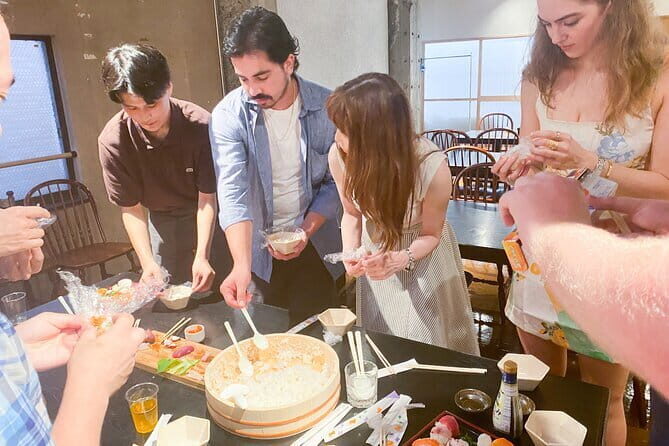
- Maki + temari in one session: you’ll make two different styles of sushi you can actually repeat at home
- Small group setup (max 8): more attention from your instructor when you get stuck rolling or shaping
- Clear timing: 30 minutes orientation, 1.5 hours cooking, then 1 hour tasting with drinks
- Drinks are part of the experience: sake and beer are included, with age rules (20+)
- Central but quiet kitchen location: it’s close to Shinsaibashi and Honmachi stations, yet in a peaceful neighborhood
- You bring yourself, not ingredients: the class supplies tools, ingredients, aprons, and disposable gloves
Osaka sushi cooking class: why this format works for real travel days
Osaka is great for eating, but it’s even better when you leave with skills. This class is built for that. You’re not just watching someone else cook. You’re getting your hands involved with two classic homemade styles: maki sushi (the roll) and temari sushi (the bite-size rice ball).
The timing also makes sense for vacation logic. The 30-minute orientation helps you understand what matters before you get busy. Then the cooking block gives you enough time to actually do the steps, not just learn terms like maki, nori, or rice seasoning. Finally, the tasting hour with drinks turns your work into a relaxed reward, so the evening doesn’t feel like you only worked and never enjoyed.
And the price? At $70 per person for about 3 hours, including ingredients, tools, and drinks, it’s not cheap like a street snack tour. But it’s not just paying for food either. You’re paying for instruction, hands-on practice, and the convenience of having everything ready for you in the kitchen.
You can also read our reviews of more cooking classes in Osaka
Finding the kitchen: near Shinsaibashi and Honmachi, in a calmer pocket
The meeting point is in Minami-Senba (南船場 / Nambasenba area), in Chuo Ward. The address listed is:
南船場コレット9044-chōme-3-1 Bakurōmachi, Chuo Ward, Osaka, 541-0059, Japan
The key practical detail is location. The kitchen is about a 5-minute walk from both Shinsaibashi and Honmachi stations (Osaka Metro). That’s a sweet spot. You get easy transit access, but you’re not stuck in the loud, crowded parts of Osaka all the time.
Why this matters: cooking classes can feel stressful if you’re rushing to find a place or getting lost. Here, you can plan to arrive on foot from a station, take a breath, and get into kitchen mode.
The class also runs “start and end back at the meeting point,” so you’re not dealing with a long end-to-the-next-thing transfer. When you finish tasting, you’re already in the area you likely want to explore next.
What the 30-minute orientation gets you ready for
Before you cook, the class gives you a proper orientation and preparation period (about 30 minutes). This is the part I’d call the “unsexy but important” section.
You’ll learn how the process works for:
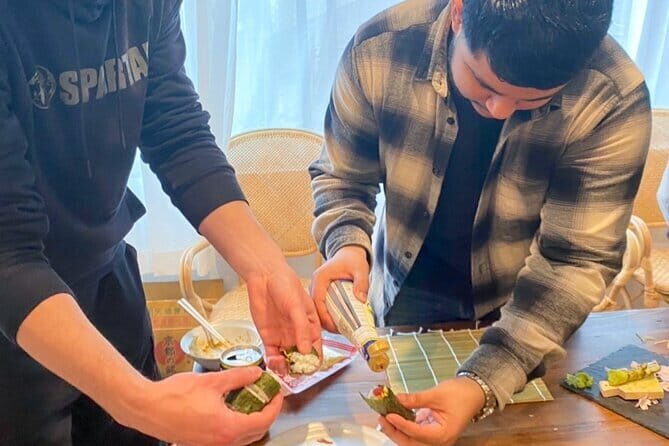
- Maki sushi (sushi rolls): rolling rice, fillings (fish and vegetables are part of the concept), and seaweed sheet into a tight roll
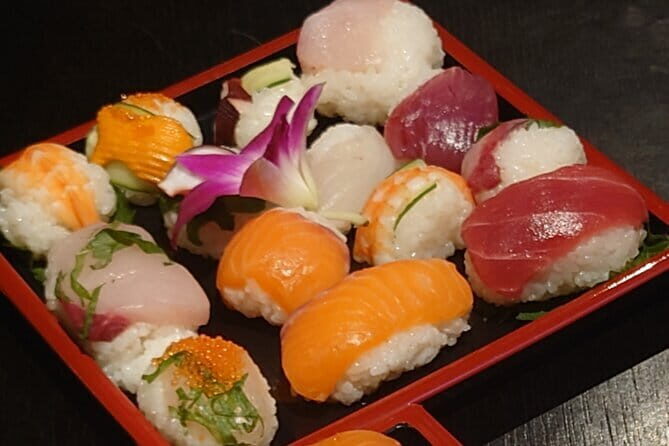
- Temari sushi (sushi balls): shaping bite-size rice balls, then topping with fish or vegetables
The goal of orientation is to help you avoid the classic mistakes. If you go straight into rolling without understanding the order of steps, it’s easy to end up with a roll that falls apart or a rice mixture that’s too sticky or too dry.
The class is taught by instructors fluent in English and Japanese, with Spanish speaking support available upon request. That multilingual setup matters if you’re traveling with mixed-language groups—or if you just feel more confident when you can understand the same instruction in a second language.
Rolling maki sushi: what you’re really learning
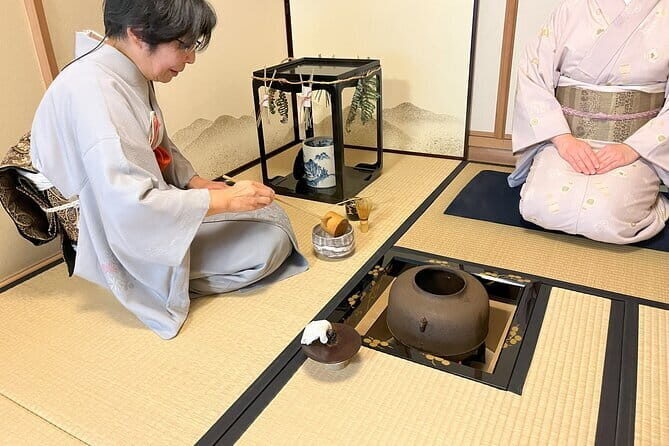
Maki sushi is the best-known kind of sushi roll for a reason. It’s the most common homemade style, and it teaches you core sushi technique.
In this class, you’ll build a roll by working with:
- Sushi rice (seasoned rice is implied by the style and instructions, though the class keeps it simple by supplying ingredients)
- Fillings such as fish and vegetables
- Nori seaweed, which wraps the roll
In a hands-on class, the big skill isn’t memorizing steps. It’s developing muscle memory for pressure and alignment. When you roll, you want the right tightness: snug enough to hold together, but not crushed.
Also, you’ll be glad the class provides kitchen tools, ingredients, aprons, and disposable plastic gloves. Sushi prep can get messy fast. Gloves help keep rice from sticking to your hands, and aprons keep your clothes from becoming part of the final presentation.
Shaping temari sushi: bite-size, cute, and surprisingly forgiving
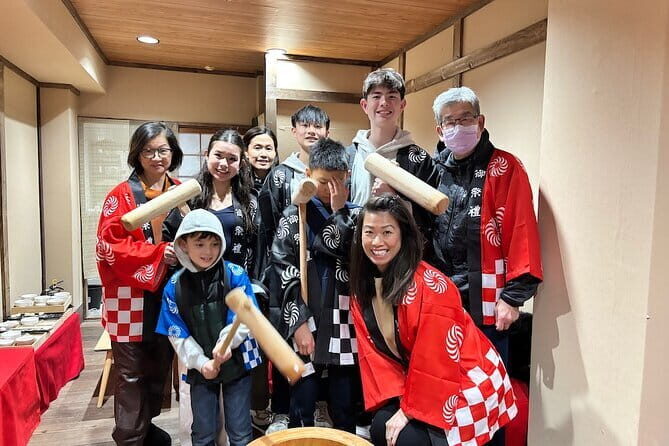
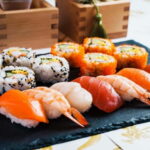
Temari sushi is where the fun really shows. This is the bite-sized rice ball style, topped with fish or vegetables.
One reason people love temari is that it often feels more forgiving than rolling a perfect maki. Instead of worrying about a long, even roll, you’re focusing on shaping the ball and adding the topping. And yes, that “cute factor” is real. Temari looks adorable when it’s done, which matters when you want the final plate to feel like a reward, not just a homework assignment.
The supplied ingredients and tools keep this practical. You’re not expected to hunt down specialty items before you arrive. And the class’s hands-on structure means you can learn the method during the cooking time rather than guessing at home afterward.
From the feedback around this class, the temari portion is often described as easy and fun, including using simple methods to keep hands clean while forming the balls. That kind of step-by-step guidance is exactly what turns a sushi dream into a repeatable at-home skill.
A few more Osaka tours and experiences worth a look
Cooking time: 1.5 hours that actually leaves room for mistakes
The cooking period is about 1 hour 30 minutes. That’s a good length. Short cooking classes can feel rushed, and you end up copying someone else’s method instead of learning yours.
Here, you get enough time for:
- Preparing your station
- Working through the steps for both sushi styles
- Fixing problems while you’re still in class, not after you go home
With a maximum of 8 travelers, you’re also more likely to get help when something goes sideways—like if your roll is uneven or your rice ball is sticking too much.
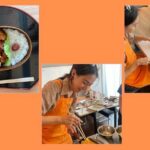
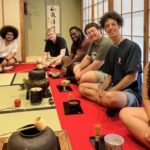
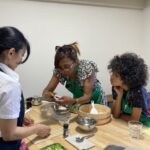
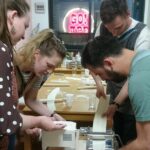
And you’re not alone in the kitchen. Even if you’re traveling solo, the small-group format keeps the atmosphere friendly. It’s not a lecture hall vibe. It’s more like a group project where you eat the result.
The tasting hour: sake, beer, and soft drinks with what you made
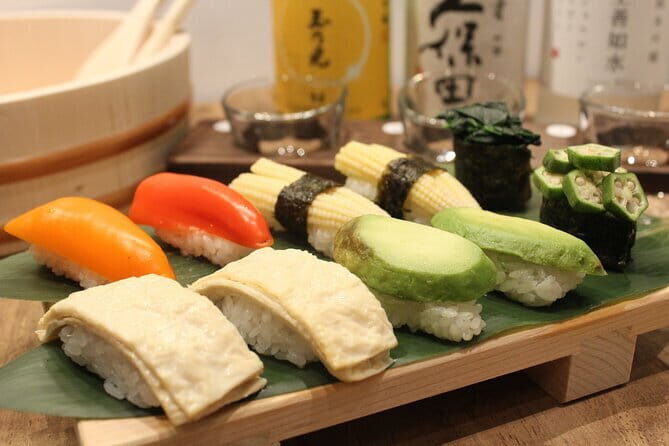
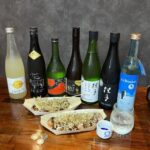
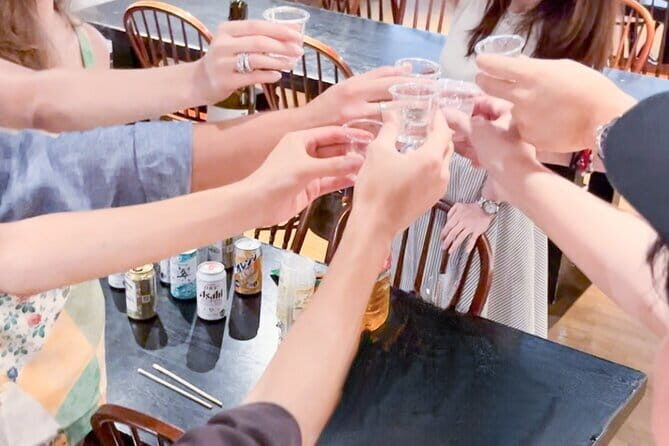
After cooking, you’ll taste your creations for 1 hour, and drinks are included: Japanese sake, beer, and soda/soft drinks.
There’s an important rule: alcohol is only served to travelers 20 years old and above. If you’re under 20, you’ll be offered non-alcoholic options instead. That keeps the vibe welcoming for mixed-age groups.
This part is more valuable than it sounds. Eating right after cooking helps you connect the technique to the flavor. You’ll notice things like:
- How rice seasoning tastes with nori and fillings
- How a topping changes the bite of temari sushi
- What you did well in shaping and rolling
And it’s also just nice to relax. Cooking is active. Tasting is where you slow down and actually enjoy Osaka-style homemade sushi.
What’s included, what’s not, and how to pack for a smooth class
Let’s keep it practical.
Included:
- English-speaking instructor
- Spanish speaking instructor upon request
- Japanese speaking instructor upon request
- Japanese sake and beer (age 20+), plus soda/pop
- Kitchen tools
- All ingredients
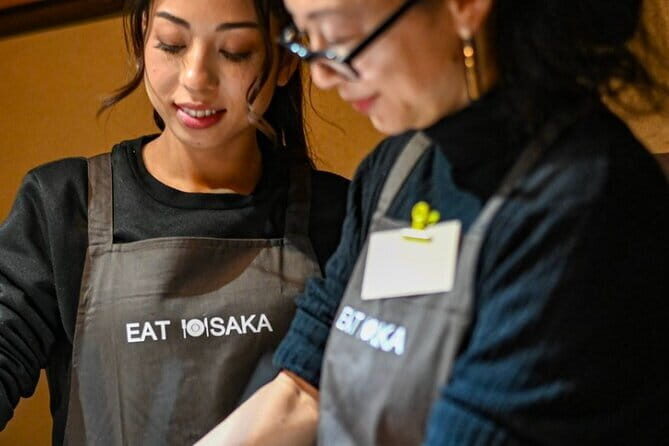
- Aprons and disposable plastic gloves
Not included:
- Private transportation
So you’ll want to plan your own way to the kitchen near Shinsaibashi and Honmachi. Public transit is the easiest match here.
What should you bring? The class says you can just come ready to cook, with everything provided. Still, I’d recommend:
- Wear clothes you don’t mind getting a little rice on them, even with aprons
- Bring water or plan to hydrate before/after, since you’ll be in a kitchen setting
- If you have dietary needs, don’t assume. The class asks you to contact them for vegetarian or allergy options after booking.
Price and value: what $70 is really buying you
At $70 per person, you’re paying for a full experience, not just a plate of sushi.
You’re getting:
- Step-by-step instruction for two different sushi styles (maki and temari)
- All the ingredients and tools supplied so you don’t need to shop
- A relaxed tasting moment with sake/beer and soft drinks
- A small group size (max 8), which usually means better attention than a bigger class
This is good value if you want an at-home skill. Sushi is one of those foods that looks simple until you try. Learning the technique in a kitchen with tools in your hands is exactly how you avoid the frustration of trying to replicate it alone.
It’s not the best value if your main goal is to sit down and eat a lot. This class is “make it, then taste it.” The tasting is a reward, but the main thing is the making process.
Who this Osaka class is perfect for (and who should skip it)
This class fits especially well if:
- You want an Osaka activity that’s hands-on, not just sightseeing
- You like food experiences where you can take skills home
- You’re traveling with a small group or family and want a structured activity
- You want language support with English plus optional Spanish
It may be less ideal if:
- You hate cooking tasks or you want a fully passive experience
- You’re short on time and only have a small window for a quick meal
- You need guaranteed special dietary accommodations and you haven’t contacted them yet
One more point: you’re in a quiet neighborhood even though it’s near major stations. That’s a nice change from constant street noise, especially if you’re tired after a day of walking around Osaka.
Should you book this Osaka sushi cooking class?
Yes, I’d book it if you want to learn how to make maki sushi rolls and temari sushi rice balls in a small, friendly kitchen, with everything provided and a tasting session included.
I’d think twice if you’re mainly after a restaurant-style meal, or if you’re expecting a super flexible schedule. This is a guided cooking class with a set flow, and the real value comes from participating.
If you’re 20+ and you enjoy sake or beer, the drink part adds to the overall experience. And if you’re under 20, you still get the non-alcoholic drinks, so it’s not an adults-only setup.
If you have vegetarian needs or food allergies, message the operator after booking so they can advise on options.
FAQ
FAQ
How long is the Osaka sushi cooking class?
The class runs about 3 hours (approximately): 30 minutes of orientation, 1.5 hours of hands-on cooking, and 1 hour of tasting with drinks.
What sushi types will I learn to make?
You’ll learn to make maki sushi (sushi roll) and temari sushi (bite-sized rice balls).
Are drinks included, and is alcohol served?
Yes. Drinks are included with the tasting, including Japanese sake, beer, and soft drinks. Alcohol is only served to travelers 20 years old and above.
Do I need to bring ingredients or kitchen tools?
No. The class includes all ingredients and kitchen tools, plus aprons and disposable plastic gloves.
Where is the meeting point, and is it near public transportation?
You meet at 南船場コレット9044-chōme-3-1 Bakurōmachi, Chuo Ward, Osaka, 541-0059, Japan. The kitchen is about a 5-minute walk from Shinsaibashi and Honmachi stations (Osaka Metro).
What happens if the weather is bad?
This experience requires good weather. If it’s canceled due to poor weather, you’ll be offered a different date or a full refund.