REVIEW · NAGOYA
Nagoya Castle and Local Flavor Samurai Tales and Street Food Walk
Book on Viator →Operated by Reelu inc · Bookable on Viator
Step from Tokugawa power to street-food cravings.
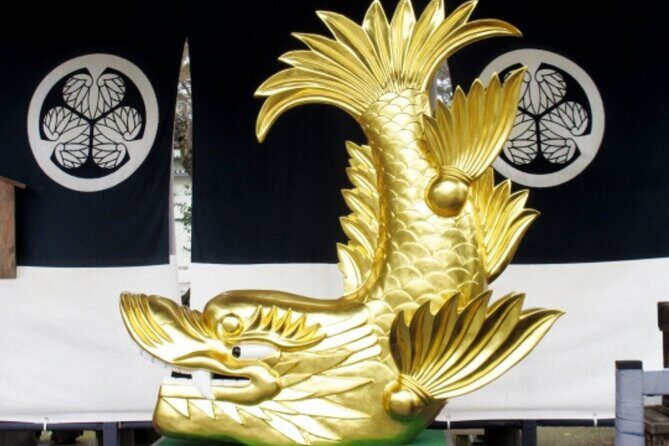
This walking tour strings together Nagoya Castle and Kinshachi Yokocho with an expert guide, so you don’t just see sights—you get the story behind the shachihoko, the rebuilt palace halls, and the Edo-era construction. I love how the timing is tight (about 2 hours 30 minutes) and how the castle portion is practical: stone walls, gardens, and even a climb for city views. I also like the food stop at Kinshachi Yokocho because it’s set up for you to try local dishes with context, not just wander. The main drawback: you’ll do a fair amount of walking, and the castle entry climb can feel like a workout if you’re not used to stairs.
What makes it easy to recommend is the human touch. Guides like Toshi and Shu are described as patient and friendly, and that matters when you’re moving fast through a big complex. One thing to watch: if you show up late, you’ll likely feel the crowd and line pressure more than you would with an on-time start.
In This Review
- Key highlights worth your attention
- Samurai stories, then street-food energy: how this tour feels
- Nagoya Castle route: East Gate to Ninomaru Garden and Honmaru Palace
- The climb to the reconstructed main keep (and why it’s worth it)
- Honmaru Palace details: what Edo-era reconstruction adds
- Kinshachi Yokocho: guided tasting near the castle
- Guides who actually talk: Toshi and Shu’s impact
- Price and value: what you’re paying for (and what you aren’t)
- Timing, group size, and how to avoid crowd stress
- Food stop expectations: tasting vs. full meal
- Should you book this Nagoya Castle and Kinshachi Yokocho walk?
- FAQ
- How long is the Nagoya Castle and Kinshachi Yokocho walk?
- Where do I meet the guide, and where does the tour end?
- Is a mobile ticket provided?
- Is Nagoya Castle admission included?
- Are meals included?
- How big is the group?
- Is the tour near public transportation?
- What happens if I need to cancel?
- Is the tour suitable for most travelers?
Key highlights worth your attention
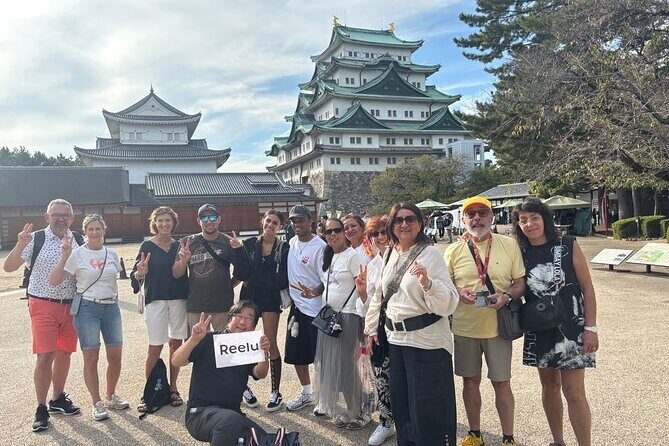
- Nagoya Castle focus with shachihoko, reconstructed palace halls, and famous Edo-era storytelling
- Ninomaru Garden and Honmaru Palace route through the spaces you actually want to photograph
- A climb to the reconstructed main keep for panoramic Nagoya city views
- Kinshachi Yokocho food time near the castle with guided tastings and a plan for what to look for
- Small group size (max 12) so questions don’t get lost in the shuffle
- Mobile ticket and public transport access—you can keep logistics simple
Samurai stories, then street-food energy: how this tour feels
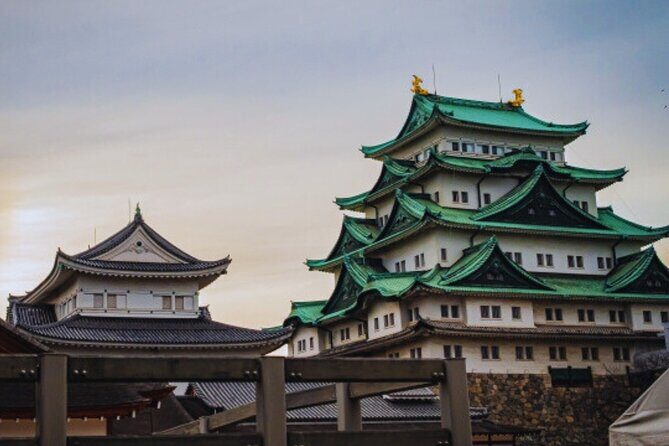
This is the kind of tour that works best on a first visit to Nagoya. You start at a landmark that anchors the city’s samurai-era identity, then you end in a nearby food spot that helps you shift gears from history to everyday local life.
The structure is what makes it smart. The castle portion runs long enough for real context—more than a quick photo stop. Then the Kinshachi Yokocho segment gives you a focused introduction to Nagoya flavors in an easy, walkable area. No long detours, no complicated schedule, and no need to figure out where to go next.
At $52.12 per person for about 2.5 hours, it’s not the cheapest way to see the area. But you’re paying for two things: (1) guide-led navigation through a big site, and (2) guided food sampling at the end, which is where many self-guided strolls become guesswork. Also, with a small max group of 12, you’re more likely to get personal answers than “good luck” energy.
You can also read our reviews of more walking tours in Nagoya
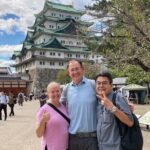
Nagoya Castle route: East Gate to Ninomaru Garden and Honmaru Palace
The tour begins at Nagoya Monument 1 Ninomaru, Naka Ward, and you enter Nagoya Castle through the East Gate. That matters because it sets you up for the right flow of spaces, instead of wandering the grounds and second-guessing the route.
From there, you follow your guide through calm, in-between moments as well as the big ticket parts:
- You’ll stroll through Ninomaru Garden, which is one of the quieter breaks inside the castle grounds.
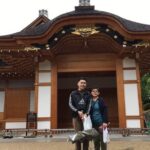
- You’ll move toward Honmaru Palace, where you’ll see traditional sliding screen paintings mentioned as part of what makes the palace halls important.
This isn’t presented as a museum lecture. It’s more like walking with someone who knows what you’re looking at. You get explanations of architecture and why certain areas mattered during the Tokugawa period—so the stone and wood feel less random and more intentional.
One practical consideration: the castle grounds are not flat. Even when you’re moving at a walking-tour pace, plan for steady legs. If you’re sensitive about stairs and inclines, wear shoes you can trust on uneven surfaces.
The climb to the reconstructed main keep (and why it’s worth it)
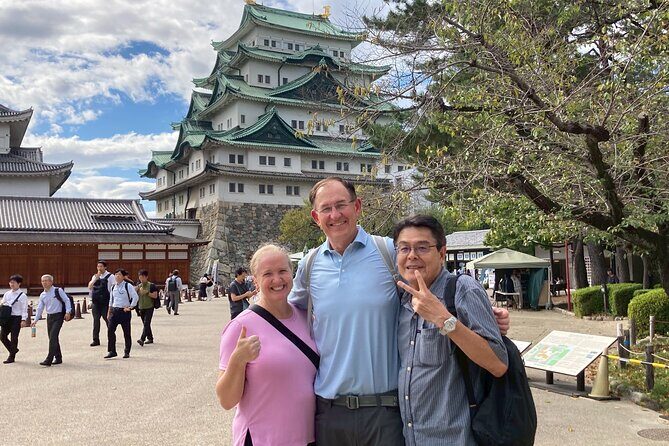
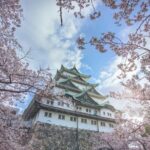
After gardens and palace halls, the tour builds toward a highlight that’s both visual and symbolic: you climb the reconstructed main keep for panoramic views of Nagoya city.
The value here isn’t just the view (though it’s the payoff). It’s that the climb helps you connect the story to the geography. Castles are built for control and visibility. When you’re higher up, the guide’s explanations about feudal power and Edo-era construction tend to click faster, because you can literally see the space they were designed to watch.
In the reviews, the guide attention to pacing and conversation shows up clearly. People specifically called out guides like Toshi for being easy to talk to and Shu for being warm and engaging. That makes a difference on a climb—if you’re stuck with a quiet, rigid guide, you can feel trapped in your own effort. With the better guides, the walk feels lighter because you’re learning as you go.
Tip from real-world logistics: getting there can be easy on the purple line, which drops you close to the East Gate. That’s a big deal if you want to start on time and avoid crowd pressure.
Honmaru Palace details: what Edo-era reconstruction adds
Nagoya Castle includes rebuilt and reconstructed sections, and that can confuse people if they expect everything to be untouched original material. The tour frames this in a helpful way: you’re seeing how the Tokugawa clan’s power was presented through construction, design choices, and the way the palace halls were built to communicate authority.
You’ll spend time inside areas tied to sliding screen paintings and the feel of traditional interiors. Even if you don’t read every sign, your guide’s explanations help you understand what to look for: structure, placement, and the way spaces were organized for the people of the era.
This is also where a guided format beats an audio app. The guide can point out what matters and what doesn’t, and you don’t waste time trying to translate every label on your own. If you like learning while walking, this section is where the tour earns its keep—no pun intended.
Kinshachi Yokocho: guided tasting near the castle
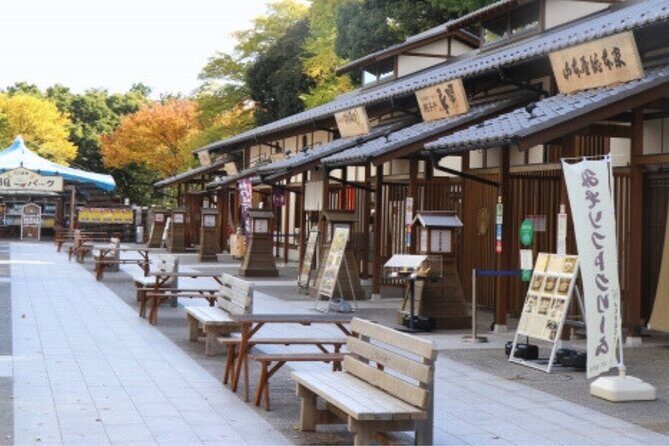
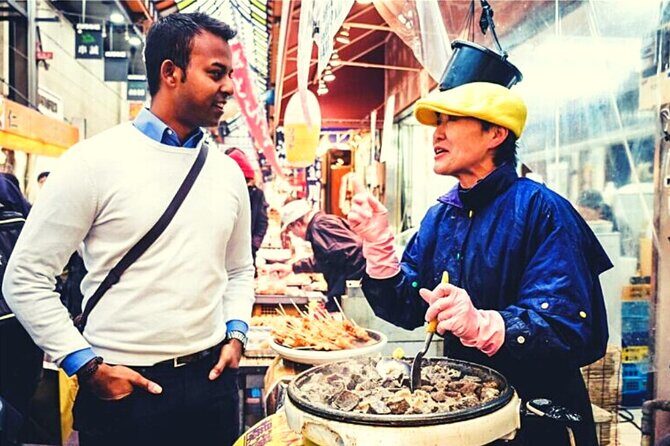
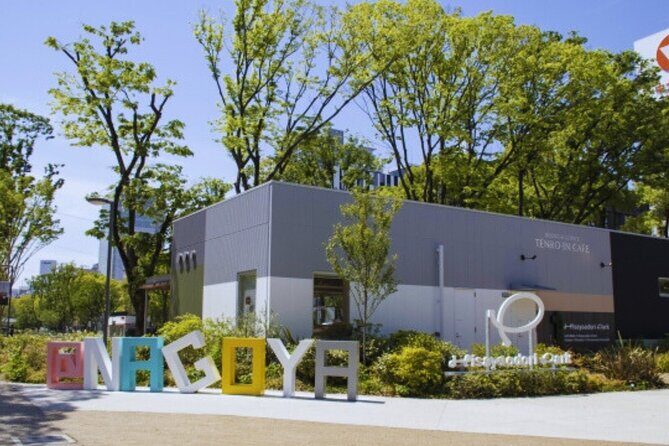
At the end of the castle loop, you move to Kinshachi Yokocho near Nagoya Castle. The guide takes over again, this time shifting from samurai architecture to local food culture.
You’ll head into the front gate area around the Yoshinao Zone, where the setting feels like a traditional-style shopping and food district. The tour gives you a simple plan:
- You stroll through the area with your guide explaining Nagoya’s local cuisine and food culture.
- You try a variety of local dishes (meals aren’t included overall, so treat this as tasting and guided sampling rather than a full sit-down meal).
- You also get time to browse souvenir shops along the way.
What I like about ending here: it turns the day into a full-circle experience. A lot of Nagoya history tours end abruptly. This one hands you something active and tasty to do right after—so you’re not leaving the castle in a food vacuum.
One caution: because you’re tasting, you’ll want to pace yourself. If you’re starving from the climb, it’s tempting to overdo it in the first few stops. A guide’s pacing advice can save you from feeling overfull before the best bites hit.
You can also read our reviews of more food & drink experiences in Nagoya





Guides who actually talk: Toshi and Shu’s impact
The castle is the star, but the guide is the glue. In the experiences shared, Toshi stands out for patience and professionalism, and Shu for being friendly and warm, with plenty of conversation about Japanese culture.
That’s not just “nice personality.” On-site learning matters. When someone is easy to talk to, you’re more likely to ask questions like:
- What does this design signal about power or status?
- Why is this area placed where it is?
- What should I notice in the paintings or the architecture?
This tour style encourages interaction. When the vibe is good, the whole day feels less like checking boxes and more like understanding how the pieces connect.
Also worth noting: one person highlighted a crowd-and-line problem tied to arriving late. That’s a real reminder. On a guided timeline, early starts protect the experience. If you’re even a few minutes behind, you can lose the calm you were meant to have.
Price and value: what you’re paying for (and what you aren’t)
Let’s talk value honestly. $52.12 per person for a 2 hour 30 minute guided experience includes:
- A local guide
- Admission fee to Nagoya Castle (listed as included)
However, one detail to double-check at checkout: the stop information indicates “admission ticket not included” for Stop 1, while the “included” section says the castle admission fee is covered. Different versions sometimes treat entry fees differently depending on how they’re processed. When you book, glance at the exact inclusions shown for your date so you’re not surprised at the gate.
What’s not included: meals. Even though you’ll taste local food at Kinshachi Yokocho, don’t assume this replaces a real meal. If you have a big appetite, plan a proper dinner after.
Is it a bargain? Not exactly. But it’s a strong value if you want:
- a curated castle route you don’t have to map yourself
- a guided food stop with a plan for what you’re trying
- a small group size that keeps things moving without feeling rushed
And if you’re only in Nagoya for a short time, paying for the guide can save mental energy. You get a smoother day with less guesswork.
Timing, group size, and how to avoid crowd stress
This tour runs about 2.5 hours, with the castle taking the lion’s share. That means your early minutes matter. Start on time, and you’ll experience the route with fewer slowdowns.
Group size is kept to a maximum of 12. For many walking tours, that’s the sweet spot: small enough for questions, large enough to keep the tour lively.
The tour also uses a mobile ticket, which helps. You can keep everything on your phone and focus on getting to the meeting spot:
- Start at Nagoya Monument 1 Ninomaru, Naka Ward
- End at Kinshachi Yokocho
The tour notes that it’s near public transportation, which is what you want in a city like Nagoya where transfers can eat time.
One more practical point: wear comfortable shoes. This experience blends gardens, palace halls, and an uphill climb. If your legs are happy, you’ll enjoy it more.
Food stop expectations: tasting vs. full meal
Kinshachi Yokocho is where you’ll learn about local dishes and taste a variety. The tour frames this as knowing Nagoya’s food culture, not as a heavy meal crawl.
So here’s the mindset I’d use:
- Expect to sample multiple items rather than one big plate.
- Plan to continue eating after if you’re hungry—meals aren’t included.
- Let your guide steer you. If you try to optimize everything yourself, you can miss the “why this matters” part.
Also, souvenir browsing is part of the experience. If you like small gifts and local snacks, build a little extra time for the shops on your own after the tour ends.
Should you book this Nagoya Castle and Kinshachi Yokocho walk?
You should book if you’re:
- visiting Nagoya for the first time and want a structured introduction
- interested in samurai-era architecture, Tokugawa-era storytelling, and castle design
- happy to do a moderate amount of walking in exchange for clear guidance
- looking for a food stop with context, not a random snack hunt
You might skip it if you:
- dislike climbs and stair-heavy sites
- want a full, sit-down meal included in the price
- prefer total DIY touring with no guided route
My take: for the price, this works best as a “day starter + end-of-tour payoff.” You’ll leave the castle with a better understanding of what you saw, then you’ll finish in a food district that helps you taste the city in a low-pressure way.
FAQ
How long is the Nagoya Castle and Kinshachi Yokocho walk?
The tour is about 2 hours 30 minutes.
Where do I meet the guide, and where does the tour end?
You start at Nagoya Monument 1 Ninomaru, Naka Ward, Nagoya. The tour ends at Kinshachi Yokocho (Sannomaru area).
Is a mobile ticket provided?
Yes, this tour uses a mobile ticket.
Is Nagoya Castle admission included?
Admission fee to Nagoya Castle is listed as included, but it’s smart to confirm the exact entry details shown at checkout for your date.
Are meals included?
No. Meals are not included, though you’ll learn about local foods and do tasting at Kinshachi Yokocho.
How big is the group?
The tour has a maximum of 12 travelers.
Is the tour near public transportation?
Yes, it’s noted as being near public transportation.
What happens if I need to cancel?
You can cancel for a full refund up to 24 hours before the experience starts.
Is the tour suitable for most travelers?
The tour states that most travelers can participate, and service animals are allowed.