REVIEW · NAGOYA
Specialties of Nagoya Food Tour
Book on Viator →Operated by Nagoya is not boring · Bookable on Viator
Nagoya tastes better with someone else ordering. This 3.5-hour small-group food walk is a fast way to get real local flavors, with tastings included so you spend your time eating, not paying.
I love that the guide makes the whole experience smooth for you, including ordering for you, which is a big relief in a city where menus can be tough. Another thing I really like is the focus on Nagoya specifics, like miso-nikomi udon and eel-style dishes, not generic Japanese food.
The only real drawback to plan for is diet needs: it isn’t set up for vegans or vegetarians, and the menu is pre-selected and may shift based on availability.
In This Review
- Key highlights worth circling
- A Nagoya food tour built for people who hate guessing
- Price and what you’re really paying for ($150.89)
- Where you start: Mirai Tower area, then back again
- The walking rhythm: plan for steps, but not for suffering
- Stop 1 in Sakae: your first tastes set the tone
- Oasis 21: a scenery break between snacks and stories
- Matsuzakaya Nagoya underground: where cravings go to work
- The dishes that define this Nagoya route
- Miso nikomi udon in red miso broth
- Pickles from the world’s longest radish
- Rice balls with shrimp Tempura
- Hitsumabushi: learn the eel way
- Grilled eel and spicy chicken wings (especially on dinnertime tours)
- Demons, famine, and a sweet potato treat
- Nighttime option: izakaya culture and your last-stop drink
- The guide factor: ordering, pacing, and cultural context
- What might change: pre-selected food and availability
- Who this tour is best for (and who should skip)
- Should you book this Nagoya food tour?
- FAQ
- How long is the Nagoya food tour?
- How many people are in the group?
- What food and drinks are included?
- Does the guide order food for you?
- Where does the tour start and end?
- Is the tour suitable for vegans or vegetarians?
- What’s the cancellation policy?
Key highlights worth circling
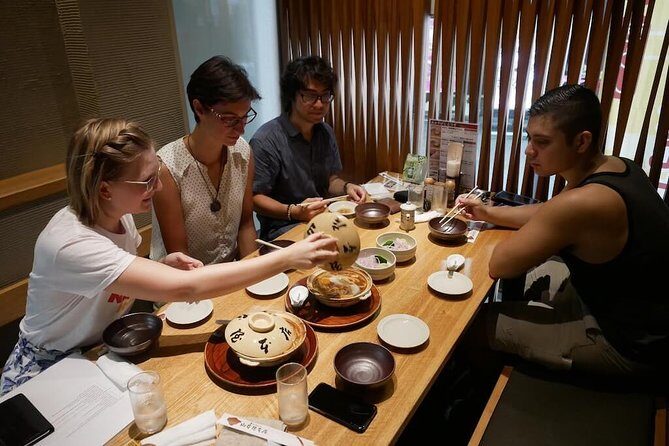
- Small group of up to six means you get attention and real answers instead of being shuffled.
- Guide orders the food for you, so you’re not stuck translating or guessing.
- 5–6 foods and snacks are included, plus drinks on nighttime tours only.
- Nagoya specialties on the route, from red miso udon to Hitsumabushi (eel).
- Cultural stories with the food, including demons, famine, and a sweet potato treat.
- Central stops including Sakae and Oasis 21, plus a food-focused walk into Matsuzakaya Nagoya.
A Nagoya food tour built for people who hate guessing
Nagoya has a reputation for being a little more down-to-earth than some of Japan’s flashier food cities, and that’s exactly why this tour works. You get a curated set of tastes tied to Nagoya habits, so you don’t spend your trip playing menu roulette.
What makes it feel practical is how the tour is designed to remove friction. You’re walking, you’re learning, and you’re eating at planned breaks, with tastings included so there’s no constant stop to pull out your card.
You can also read our reviews of more food & drink experiences in Nagoya

Price and what you’re really paying for ($150.89)
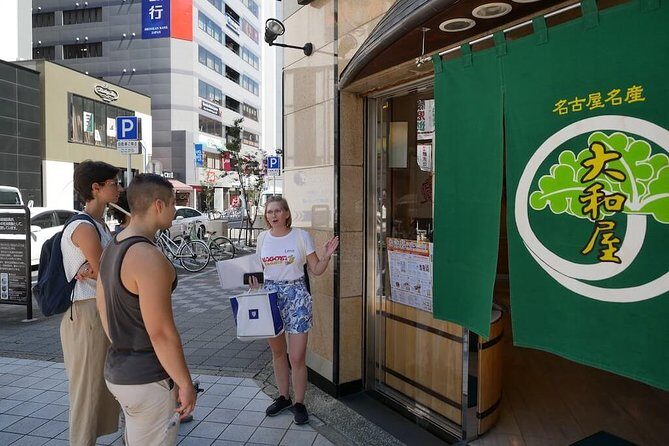
At $150.89 per person for about 3 hours 30 minutes, you’re paying for three things: convenience, variety, and accuracy.
If you try to DIY this, you’ll likely pay for multiple meals/snacks anyway, but you’ll also spend time figuring out what to order and whether it’s actually a Nagoya thing. Here, you get 5–6 foods and snacks handled for you, plus drinks on nighttime tours at the last stop. That adds up fast, especially if you want unagi eel-style food and miso udon without hunting down the right places.
The booking pattern is also a clue: it’s commonly reserved around 60 days in advance, which suggests the small-group format doesn’t sit around forever. If you’re traveling in peak season, don’t wait until the last week to decide.
Where you start: Mirai Tower area, then back again
You meet at the Chubu Electric Power MIRAI TOWER area in Nishiki, Naka Ward, and the tour ends back at the meeting point. That matters more than it sounds. You don’t have to worry about finishing in a distant neighborhood and trying to connect home while hungry.
The meeting area is listed as near public transportation, so getting there is usually manageable. Still, transportation to and from the tour isn’t included, so budget for your own transit to the start.
Also, you’ll use a mobile ticket, which is one less thing to print or lose.
The walking rhythm: plan for steps, but not for suffering
Yes, there’s walking. But the tour is structured with breaks at restaurants so you can rest and recharge. That’s important on a food tour because Nagoya specialties can be hearty—especially when you’re hitting warm noodle dishes and eel.
The good part: you’re not just wandering around looking for food. Each stop connects to what you’re tasting, and the guide uses the pauses to explain what you’re eating and why it matters locally.
Stop 1 in Sakae: your first tastes set the tone
The route begins with Stop 1: Sakae. Even without spending time studying a map, Sakae works as a launching pad for a food-focused day because it keeps you in a central area and lets the tour move at a steady pace.
Expect your early bites to teach you what Nagoya does well. This tour leans into items like pickles from the world’s longest radish, so you get a sharp, tangy counterpoint to richer flavors later on. It’s a smart way to start, because it wakes up your palate instead of starting with something heavy.
A minor consideration: if you’re the type who dislikes walking before you’ve eaten, this tour still moves early. The tradeoff is that you’ll get food fairly quickly, and it builds momentum from there.
A few more Nagoya tours and experiences worth a look


Oasis 21: a scenery break between snacks and stories
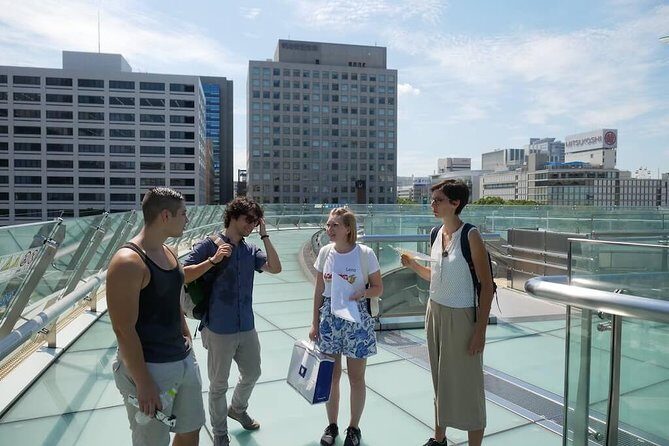
Next comes Stop 2: Oasis 21. Think of this as your visual palate cleanser. It breaks up the experience so you’re not stuck in a single shopping-street loop.
This is also where the tour pacing helps you. After the first tastes, you get a change of scenery and a bit of breathing room, then you transition toward the larger department-store stop later. It’s a good flow for people who don’t want nonstop eating, but still want food to stay central.
Matsuzakaya Nagoya underground: where cravings go to work
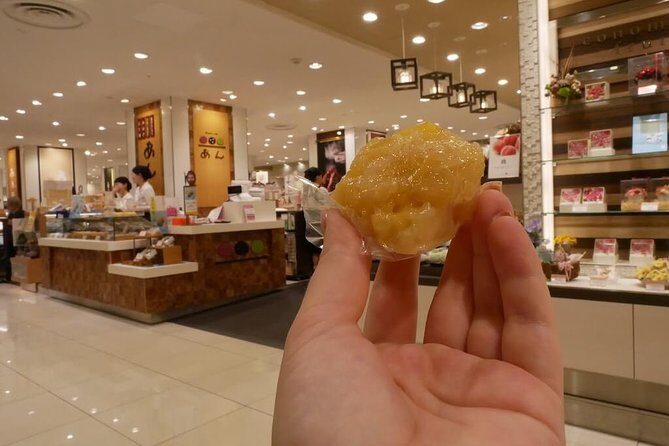
Stop 3: Matsuzakaya Nagoya is the big food-and-spotlight moment. You’ll explore the underground level of Japan’s oldest department store, which is a very Japanese way to experience eating: it’s practical, compact, and designed for browsing and snacking.
This is where you’ll also get a deeper story connection. The tour shares background behind things like local rice balls stuffed with shrimp Tempura—not just what they are, but where the idea comes from and how people think about them.
If you like food that has a local reason for existing, this stop delivers. It’s not only about taste; it’s about context, which makes your souvenirs feel like memories, not just receipts.
One thing to know: department-store underground areas can be crowded at peak times. That’s not a reason to avoid the tour, but it’s a realistic factor if you prefer quiet spaces.
The dishes that define this Nagoya route
This is a specialty-forward tour. You’re not just collecting random snacks—you’re tasting specific Nagoya styles and learning how they fit into local eating.
Miso nikomi udon in red miso broth
You’ll try Miso Nikomi Udon, described as a variety of udon noodles served in a steaming hot soup of red miso paste. This is the kind of dish that makes you understand why Nagoya food is a category of its own.
If you like comfort food with personality, this is a strong highlight. The heat and miso depth give the noodles structure, and it’s a satisfying mid-tour anchor.
Pickles from the world’s longest radish
You’ll also taste pickles from the world’s longest radish. That’s a very Nagoya-flavored kind of detail—specific ingredients with local identity.
Pickles on a food tour aren’t just a side. They reset your palate so later flavors, like grilled items or spicy wings, don’t blur together.
Rice balls with shrimp Tempura
Expect the story behind the local rice balls stuffed with shrimp Tempura. This kind of bite is great for you if you like texture contrasts: crunch and chew in one package.
It’s also the kind of snack that teaches you how Nagoya people think about meals as something you can grab, not always something you need to sit down for.
Hitsumabushi: learn the eel way
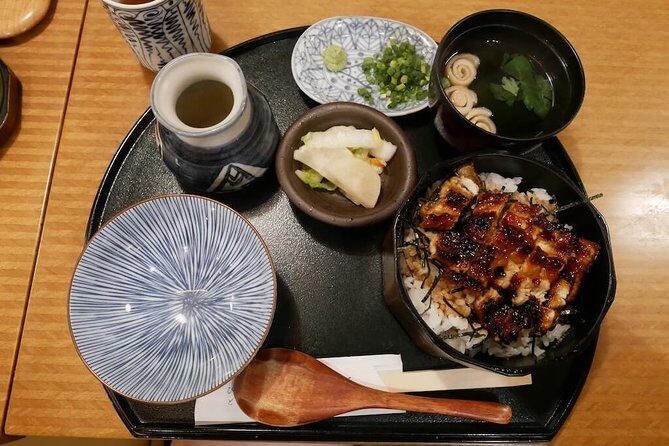
The tour includes Hitsumabushi, made from freshwater eel, and you’ll learn how to eat it. That’s key: eel dishes aren’t always obvious if you’re eating without guidance, and the tour gives you the local approach rather than just serving a plate.
Even if you think you’ve tried eel before, this format is about doing it the right way for Nagoya.
Grilled eel and spicy chicken wings (especially on dinnertime tours)
Dishes listed for tastings include grilled eel and spicy chicken wings. If you’re choosing a nighttime slot, the food tends to lean into what Nagoya does for evening comfort.
And yes, the peppery chicken wings plus a cold drink is a very real pairing here, not just a nice-sounding idea.
Demons, famine, and a sweet potato treat
One of the most memorable pieces of this tour is the storytelling. You’ll hear about Japanese demons and famine, and what they have to do with a local sweet potato treat.
This is exactly the kind of cultural link that makes a food tour more than a meal parade. You end up remembering the dish because you remember the reason behind it.
Nighttime option: izakaya culture and your last-stop drink
If you book a dinnertime tour, you’ll spend time in a popular Nagoya izakaya and learn about Japan’s drinking culture. You’ll also wash down your food with a cold Japanese beer or other beverage.
For nighttime tours, you get one drink at the last stop—alcoholic or non-alcoholic. That keeps the experience social and fun without turning it into a night out where you lose your appetite or your focus.
If you don’t drink, you’ll still be included. It’s built for people who want the culture and the pairing, not just alcohol.
The guide factor: ordering, pacing, and cultural context
This is where the tour earns its keep. The guide orders the food for you, which matters in real life, not theory. You don’t need to know menu vocabulary. You don’t need to worry about whether an item is spicy or what’s inside.
The guide also sets the pacing with breaks, so you keep moving without feeling rushed. And you get explanations tied to what you’re tasting, including local stories and how Nagoya people interpret their own dishes.
You may meet guides with backgrounds that bring extra color to the experience—people like Patricia and Erica have shared how their unique perspectives add depth to the cultural talk, and families have mentioned guides like Lena for making first-timers comfortable.
The important point for you: regardless of who leads your group, the role is practical—help you eat well, understand what you’re eating, and not stress.
What might change: pre-selected food and availability
Food is pre-selected, but it can change based on availability. That’s normal for tours dealing with restaurant schedules and inventory, but it does mean you shouldn’t treat the exact menu as guaranteed.
If you have allergies or dietary restrictions, let them know ahead of time. The tour also notes it is not suitable for vegans or vegetarians, so keep that in mind when planning.
If you’re flexible about what snack replaces what, this tour still works because the theme stays Nagoya-specific.
Who this tour is best for (and who should skip)
This experience is a strong fit if you:
- Want Nagoya specialties without spending hours researching
- Prefer a small group (up to six) with real interaction
- Would rather have someone else handle ordering
- Enjoy learning the story behind food, not just eating it
You might want to skip or look for another option if you:
- Need vegan or vegetarian meals
- Have strict allergy requirements that require total control over ingredients (the tour encourages you to message them, but it’s not designed as a special-diet tour)
Should you book this Nagoya food tour?
I think you should book it if you want a fast, low-stress way to taste what makes Nagoya different. The tastings included setup, the small-group limit, and the guide ordering are exactly the combo that helps you eat boldly without fear.
I’d pass if your diet is vegan/vegetarian, or if you only want one specific dish with zero substitutions. But if you’re open to a curated mix of miso udon, eel specialties, pickles, and rice-ball snacks—plus a bit of cultural storytelling—this is a very efficient use of half a day.
FAQ
How long is the Nagoya food tour?
The tour lasts about 3 hours 30 minutes.
How many people are in the group?
It’s a small-group tour limited to six people.
What food and drinks are included?
You get 5–6 foods and snacks and all fees and taxes. On nighttime tours, one drink is included at the last stop (alcoholic or non-alcoholic).
Does the guide order food for you?
Yes. A key feature is that the guide orders the food for you to help avoid language barriers.
Where does the tour start and end?
It starts at the Chubu Electric Power MIRAI TOWER meeting point in Nishiki, Naka Ward, Nagoya, and it ends back at the same meeting point.
Is the tour suitable for vegans or vegetarians?
No. The tour is not suitable for vegans and vegetarians. If you have food allergies or dietary restrictions, you should let them know.
What’s the cancellation policy?
You can cancel for a full refund if you cancel at least 24 hours in advance of the experience start time. If you cancel less than 24 hours before, the amount paid isn’t refunded.