REVIEW · KYOTO
Kyoto Private Tour with Customized Itinerary
Book on Viator →Operated by Flip Japan Guide · Bookable on Viator
Kyoto feels different when you have your own route. This private tour builds a custom itinerary around temples, quiet streets, and photo stops, guided by people like Alejandra, Laura, Maya, and Milo who know how to explain Kyoto without talking in circles. I like that you can shape the day to your pace, not the other way around.
The main thing to plan for is that you might pay small extras: temple entrance fees if your stops require them ($8 per person), and local bus/subway rides if the guide uses them ($5 per person). Also, it’s weather dependent—if conditions are bad, you’ll be offered a different date or a refund.
In This Review
- Key highlights
- Why a private, customized Kyoto day beats hopping alone
- Fushimi Inari-taisha: torii gates, fox details, and good timing
- Kiyomizudera and Higashiyama: the temple plus the story streets
- Yasaka Shrine to Gion: where Kyoto history meets entertainment district reality
- Arashiyama bamboo grove in Sagano: walking into the light
- How the itinerary customization actually works (and what to tell your guide)
- Logistics that make the day smoother: pickup, walking time, and mobile tickets
- What value $293.19 buys you in Kyoto (and when it’s worth it)
- Who this private Kyoto tour suits best
- What to watch for before you book
- Should you book this Kyoto Private Tour with Customized Itinerary?
- FAQ
- What is the tour duration?
- How much does the Kyoto private tour cost?
- What time does the tour start?
- Is hotel pickup included?
- Is this tour private?
- Are entrance fees included?
- Is transportation included?
- What attractions are included?
- Do I get a mobile ticket?
- What happens if the weather is poor?
Key highlights
- Fushimi Inari’s torii path with halfway-up views and fox-guardian details that make the whole walk click
- Kiyomizudera + Higashiyama lanes so you see the temple and the classic shopping streets in one smooth flow
- Yasaka Shrine’s Gion connection (it’s tied to Gion Matsuri in July) with a calm, scenic stop length
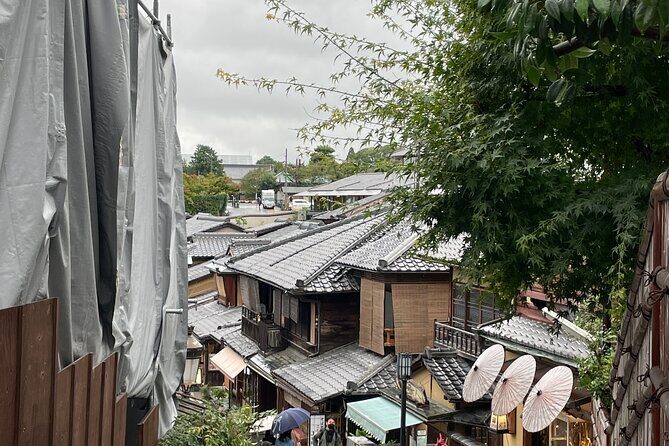
- Gion walk focused on Hanamikoji and Shimbashi with traditional wooden houses and tea-house vibes
- Arashiyama bamboo grove in Sagano village with that “light through bamboo” effect you can actually notice on foot
- True flexibility built into the day so the route can be adjusted if your interests (or legs) change
Why a private, customized Kyoto day beats hopping alone
Kyoto is a city where “doing the big sights” is easy. Doing them in a way that feels personal is the hard part. This tour solves that by being fully private (up to 6 people) and built around what you want to see—traditional temples, quieter neighborhoods, or the old-and-new contrast Kyoto does so well.
The price is $293.19 per group for about 5 hours, and that matters because it changes the math. If you fill up the group, the per-person cost drops fast compared with many per-person tours, and you get a guide who can spend time solving problems instead of herding people. Plus, you’re not stuck making independent decisions between far-apart areas; you’re walking a plan that’s meant for one coherent morning.
I also like that it’s not just “walk, point, move on.” The guide approach is to share stories, practical context, and favorite spots you might miss on your own—especially when your interests drift toward backstreets and less-obvious corners.
You can also read our reviews of more private tours in Kyoto


Fushimi Inari-taisha: torii gates, fox details, and good timing
Fushimi Inari is the kind of place that looks straightforward on a map, but feels different once you understand what you’re walking through. The tour starts with the shrine grounds and the famous path of thousands of red torii gates, winding up Mount Inari. Even if you don’t go all the way, you’ll still get strong views partway up.
Here’s what makes a guide useful at Inari: you notice the patterns. Fox statues and guardian figures (linked to Inari) become more than decoration. They turn the climb into a readable story, so you’re not just taking photos—you’re understanding what the place is trying to communicate.
A practical note: expect a steady walking path. Wear shoes you trust for uneven ground and lots of steps. The good news is that the stop is long enough to take it in without turning the morning into a sprint. Admission here is free, so it’s also a budget-friendly start.
Kiyomizudera and Higashiyama: the temple plus the story streets
From Fushimi Inari, you’ll move toward Kiyomizudera, one of Kyoto’s best-known temples. The tour gives you about an hour here, then shifts your attention to the historic district of Higashiyama—narrow lanes, traditional wooden structures, and the kind of small shops and cafes that make you slow down without forcing it.
This is where the customization really helps. If you love architecture, you can focus your time on the temple experience. If you’re more about atmosphere, you can spend more energy on the streets right outside, where the vibe is classic Kyoto. Either way, you’re not doing a “temple ticket then scramble for lunch” routine. You’re getting a connected flow.
One caution: Kiyomizudera’s admission isn’t included, so you should plan for paid entry at venues that require it. The tour lists an added budget of $8 per person for entrance fees if applicable, which is a helpful ceiling to keep in mind when you’re deciding what to prioritize.
Yasaka Shrine to Gion: where Kyoto history meets entertainment district reality
After Kiyomizudera and Higashiyama, the itinerary heads to Yasaka Shrine. It’s an older place—established over 1350 years ago—and it’s associated with Kyoto’s Gion entertainment district. It’s especially known for the Gion Matsuri in July, so even outside festival season, it helps to know the cultural anchor you’re standing in.
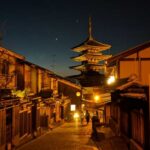
Then you’ll walk into Gion, where you can check out Hanami-koji street and the Shimbashi area. This part of Kyoto is where the traditional wooden houses and upscale restaurants, cafes, and tea houses create a very specific atmosphere. The tour keeps it to about an hour, which is just enough time to see the main lanes and pick a few places to linger without exhausting your group.
The big advantage of having a guide here is route selection. Gion can feel crowded depending on time of day. A good guide can steer you along the calmer edges of the district so you still get the photos and the feel, without spending half your tour stuck in bottlenecks.
Also note: Yasaka Shrine admission is listed as free, and Gion stop admission is free too, so this segment is a “value” part of the day.
Arashiyama bamboo grove in Sagano: walking into the light
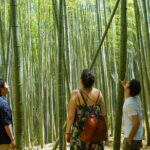
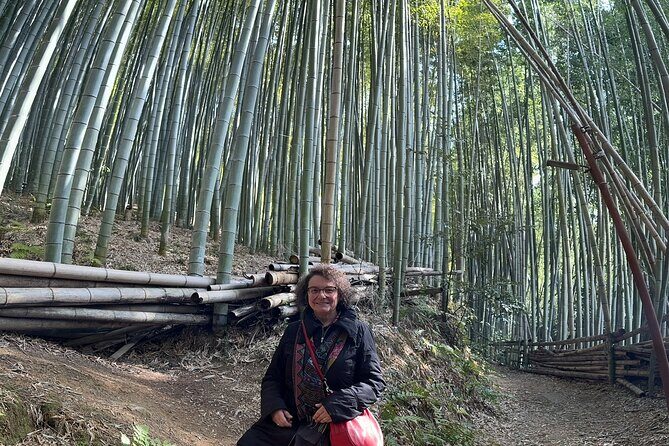
Arashiyama is Kyoto’s western-side contrast to the eastern temple areas, and it’s built into this 5-hour loop with about an hour and 10 minutes allocated to the bamboo grove route. The tour specifically calls out Arashiyama bamboo grove in Sagano village, where you walk through bamboo and watch how the light filters through.
This is one of those stops where timing matters, but you don’t need perfect timing to get a good experience. A guide helps you find the best walking line and the spots where the effect is strongest. You’ll likely also notice that the bamboo grove feels less like a “single photo” and more like a changing corridor as you move.
Admission for Arashiyama is not listed as included, so again, keep the $8 per person entrance-fee estimate in mind if a paid venue is used or required for access. The good part is that this stop is about atmosphere and walking—not long museum-style time—so it works well inside a half-day tour.



How the itinerary customization actually works (and what to tell your guide)
This tour’s core promise is that you shape the day. Practically, that means you should start with simple, honest preferences before you arrive. If you want temples over streets, say so. If you care more about quieter neighborhoods than famous photo lanes, say so. If you want a calmer pace, tell the guide upfront.
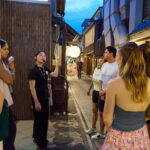
The guide style shown by different names you might encounter is consistent: flexibility and attention to what your group needs. One guide approach highlighted is thoughtful outreach ahead of time and patience on the day itself. Another focuses on taking you to places you might never find alone, including off-the-beaten-path stops. Another guide style includes picture-friendly help, which matters in Arashiyama and the Gion lanes where it’s easy to lose time.
Here are a few things you can ask for that fit the info you’re given:
- A route that mixes UNESCO-level highlights with quieter walking blocks
- Enough time in each area to actually look, not just pass through
- Photo stops that don’t require you to fight for position
- A pace adjustment if your group has kids, older legs, or anyone who needs breaks
If you go in with those priorities, you’ll feel the difference fast.
Logistics that make the day smoother: pickup, walking time, and mobile tickets
Start time is 10:00 am, and the tour runs about 5 hours. Pickup is offered from your hotel or accommodation, which is a big deal in Kyoto—access is possible, but it can be slow to figure out on your own when you’re moving between districts.
The tour is a walking experience, but it acknowledges that transportation may be used. If bus or subway rides are needed during the day, they’re listed as $5 per person (not included). You also get a mobile ticket, which helps reduce last-minute admin.
The tour’s location notes say it’s near public transportation, which is useful if you end up needing a Plan B. Also, service animals are allowed. And the tour says most people can participate, which suggests the walking is standard for Kyoto sightseeing, not some extreme fitness event.
What value $293.19 buys you in Kyoto (and when it’s worth it)
Let’s talk value without math gymnastics. You’re paying for:
- A private guide for the whole 5-hour window
- A customized plan that can include Fushimi Inari, Kiyomizudera, Yasaka Shrine, Gion, and Arashiyama
- Hotel pickup plus a guide who handles pacing and sequencing
- Cultural context and route guidance, especially in places that can overwhelm you fast
If you’re traveling as a couple and you keep the group small, you’ll still get value, but it depends on how much you dislike planning and how much you want to avoid wasted time. If you’re traveling with a small family or a group of friends (up to 6), the cost evens out nicely because the price is per group, not per person.
This tour is especially worth it when you:
- Want classic Kyoto sights but on your own terms
- Prefer a human explanation over guidebook reading
- Would rather walk an efficient route than figure out transfers and crowd timing
Who this private Kyoto tour suits best
This is a strong match for first-timers who already know the big names—Fushimi Inari, Kiyomizudera, Gion, Arashiyama—but want meaning, not just checkmarks. It also fits people who don’t want a rigid schedule, because the day is described as customizable around your interests.
From the way guides are described, it also works well for groups with mixed needs:
- Families who want the day to stay enjoyable and not rushed
- People who care about photos and timing in the right spots
- Anyone who wants quieter alternatives to the busiest routes
If you’re the type who loves solo wandering with zero structure, you might prefer to build your own route. But if you want Kyoto to feel guided while still flexible, this style hits that sweet spot.
What to watch for before you book
The biggest practical “watch for” is weather. The tour says it requires good weather, and if it’s canceled due to poor conditions, you’ll be offered a different date or a full refund.
The second is cost creep from add-ons. Entrance fees and transportation aren’t included, with a listed estimate of $8 per person for paid venues and $5 per person for bus/subway rides when used. If you know you’ll choose stops with paid entry, budget that in early so you don’t get surprised later.
Finally, think about walking comfort. This is a walking tour across multiple districts. Even with pickup and guidance, you’ll be on your feet enough that good shoes matter.
Should you book this Kyoto Private Tour with Customized Itinerary?
Book it if you want a Kyoto day that feels intentional: a guide who can shape the route, explain the places, and help you spend your time on the parts you actually care about. It’s also a great pick if you’d rather not manage district-to-district movement on your own.
Skip or reconsider if you’re traveling so light and independently that you don’t want any guide influence, or if you have tight mobility limits that make walking between these areas stressful. And if your dates sit in a rainy season, remember the tour depends on weather and may shift to another date or refund.
If you want Kyoto’s highlights—Fushimi Inari, Kiyomizudera, Gion, and Arashiyama—while keeping control of your pace, this is a solid way to do it.
FAQ
What is the tour duration?
The tour lasts about 5 hours.
How much does the Kyoto private tour cost?
It costs $293.19 per group (up to 6 people).
What time does the tour start?
The start time is 10:00 am.
Is hotel pickup included?
Yes, pickup at your hotel or accommodation is included.
Is this tour private?
Yes. It’s completely private, and only your group will participate.
Are entrance fees included?
Entrance fees for paid venues are not included. The listed estimate is $8.00 per person if applicable.
Is transportation included?
Transportation (bus and subway when used) is not included, and the listed estimate is $5.00 per person.
What attractions are included?
The planned stops include Fushimi Inari-taisha Shrine, Kiyomizu-dera Temple, Yasaka Shrine, Gion, and Arashiyama.
Do I get a mobile ticket?
Yes, the tour offers mobile tickets.
What happens if the weather is poor?
The experience requires good weather. If it’s canceled due to poor weather, you’ll be offered a different date or a full refund.