REVIEW · KYOTO
KYOTO-NARA: Giant Buddha Deer Pagoda “Geisya” (Italian, full day)
Book on GetYourGuide →Operated by Agenzia Turisti Italiani in Giappone · Bookable on GetYourGuide
A giant Buddha and tame deer in one day. What makes this tour special is the Italian guidance and the small group pace, with real explanations you can actually follow. My favorite part is how the guide connects what you’re seeing at Todai-ji and Kiyomizu-dera to the stories people still live with, often with details you won’t find in a quick guidebook blurb. The one thing to consider: it’s a full day with trains, buses, and walking, so you’ll want decent stamina and comfortable shoes.
You’ll start at Kyoto Station, head to Nara for the morning, then shift back to Kyoto for the afternoon temples and the Gion-kobu area. If you’re traveling in Italian (or just want to spend the day with an Italian-speaking guide), the experience can feel easy and focused, especially with a guide like Omae—praised for perfect Italian, humor, and answering questions clearly.
If you’re hoping for a slow, no-schedule sightseeing day, this isn’t that. It’s structured to hit the big sights without turning into a blur—and you’ll still get room to look around and take photos.
In This Review
- Key things you’ll notice on this Kyoto-Nara day
- From Kyoto Station to Nara: Todai-ji and the deer park effect
- Todai-ji: the giant Buddha isn’t just a photo
- The deer park: gentle chaos with a cultural role
- Ukimido: a change of scene before you head back
- Back to Kyoto: a real break at the station
- Kiyomizu-dera and the old streets: temple plus neighborhood energy
- The shopping street zone: what you should actually do there
- Gion-kobu and the Geisya world: seeing Kyoto’s performer side
- Ending in Pontocho: a good last step for the day
- Italian guidance that feels more like storytelling than recitation
- Pacing and logistics: what the structure gets right (and what it costs)
- Price and value: $176 for transport, entry, and guide time
- Who this tour suits best
- Should you book this Kyoto-Nara full-day tour?
- FAQ
- Is the tour guided in Italian?
- How long is the Kyoto-Nara full-day experience?
- Where does the tour start?
- What places are visited during the day?
- Is transportation included?
- Are temple entrance fees included?
- How big is the group?
- Can the schedule be changed?
- What if I need practical help with travel in Japan?
- Is there free cancellation?
Key things you’ll notice on this Kyoto-Nara day
- Italian explanations at every major stop, with practical context you can keep in your head
- Todai-ji in Nara plus a walk through key areas of the deer park, where feeding cookies is part of the experience
- Ukimido stop that breaks up the morning and gives you a change of pace
- Kiyomizu-dera guided visit, then time to wander the surrounding old-street area
- Gion-kobu and Pontocho area finish, for a graceful handoff from temple to historic Kyoto streets
- Small group (max 15), which makes questions easier and the pace feel human
From Kyoto Station to Nara: Todai-ji and the deer park effect
The day starts in a simple, central way: meet at Kyoto Station, in the space between the four escalators outside the bus terminal area—east just beyond the north central entrance. If you like to orient fast, you can spot Kyoto Tower from there, which helps you avoid the usual early-morning scramble.
Once you’re together, you take a train toward Nara, then a bus for the last stretch. The travel time is built into the day so you don’t feel like you’re constantly switching directions; it’s timed so the morning still feels like a proper temple visit, not a commute marathon.
A few more Kyoto tours and experiences worth a look


Todai-ji: the giant Buddha isn’t just a photo
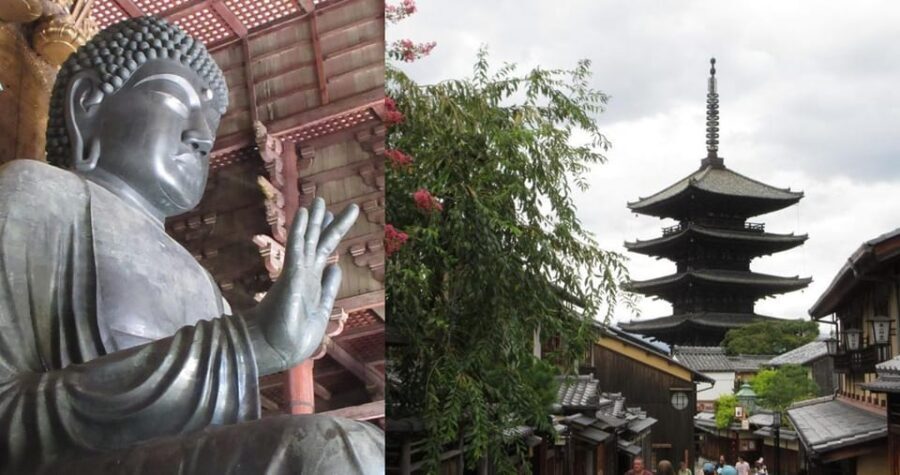
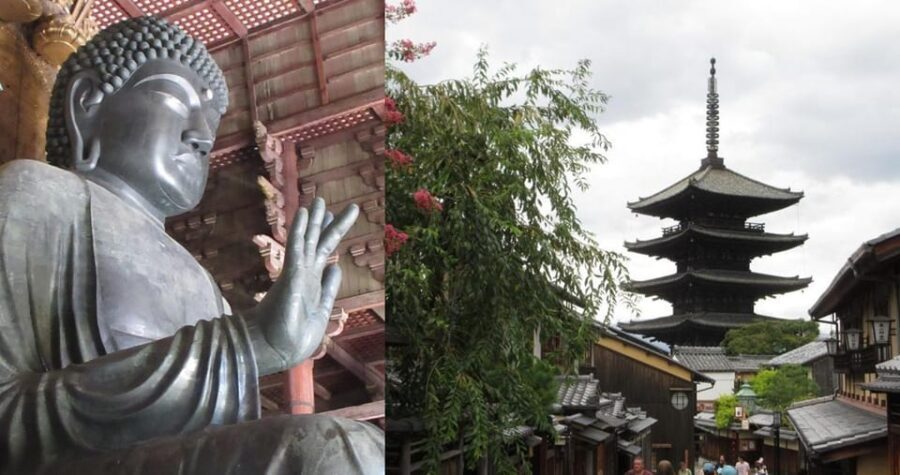
Todai-ji Temple is famous for its colossal Buddha statue, one of the largest in Japan. The guide’s job here is more than pointing at architecture. You’ll get a guided walkthrough of the key monuments and what makes them nationally significant. In practice, this turns a huge space into something you can actually understand while you’re there.
I like how the tour handles the “why it matters” part. You’re not just told what’s important; you’re guided through popular Buddhist devotion and how people have approached these sacred spaces over time. There’s also a strong storytelling vibe: the guide shares insights meant for the tour group, the kind of human details that help the temple feel connected to real lives, not just a landmark.
The deer park: gentle chaos with a cultural role
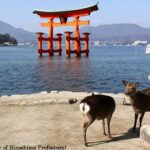
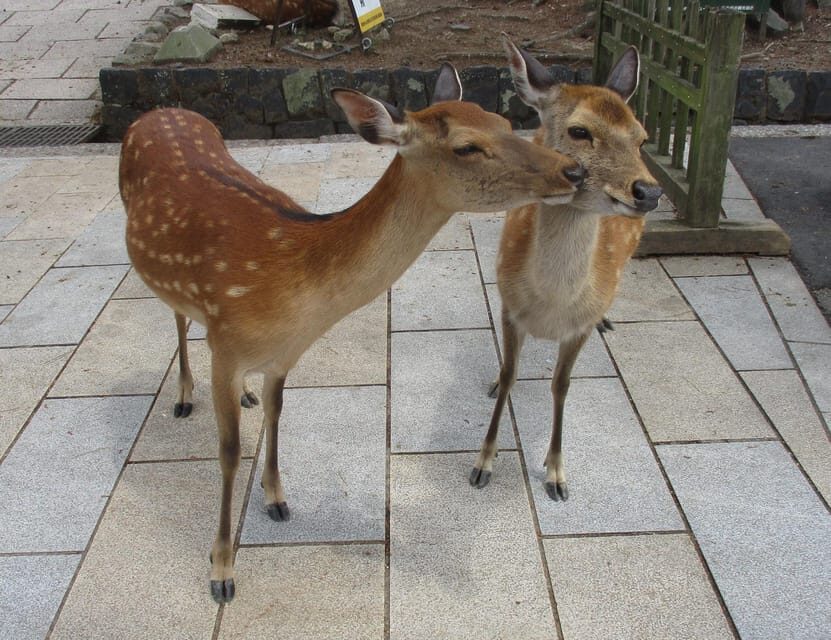
After you’ve had your guided temple time, you’re in the big park around Todai-ji where tame deer roam alongside visitors and local life. This is one of those places where rules are simple: don’t panic, be calm, and follow local cues. You can feed the deer with cookies sold at stalls set up for the purpose.
Here’s the practical truth: the deer can be bold when they smell food, so keep your hands and snacks controlled. But the experience is still easy—most deer interactions feel like part of the everyday rhythm of the park. If you’re traveling with kids, it’s often the highlight. If you don’t care about deer at all, it still gives you a memorable atmosphere that’s uniquely Nara.
Ukimido: a change of scene before you head back
The morning doesn’t end after the deer loop. You also have time for Ukimido—there’s a visit and a short walk/passing time built into the schedule. Even when it’s not the headline, stopping here gives your eyes and legs a pause after Todai-ji’s main monument area.
This kind of “small detour” matters on tours. It prevents the day from feeling like one long list of must-sees and lets you enjoy the atmosphere of the area rather than just rushing from point to point.
Back to Kyoto: a real break at the station
After the Nara portion, you head back by train. Then you get a break time at Kyoto Station—about one hour. I like this design. It’s not glamorous, but it’s smart: you can eat, use the restroom, and reset before the afternoon temples and old streets.
If you want food, the station area makes it easy. If you want quiet, it’s simple to step away from the main flow for a few minutes. Either way, this break helps you enjoy the second half rather than arriving in Kyoto temples already tired.




Kiyomizu-dera and the old streets: temple plus neighborhood energy
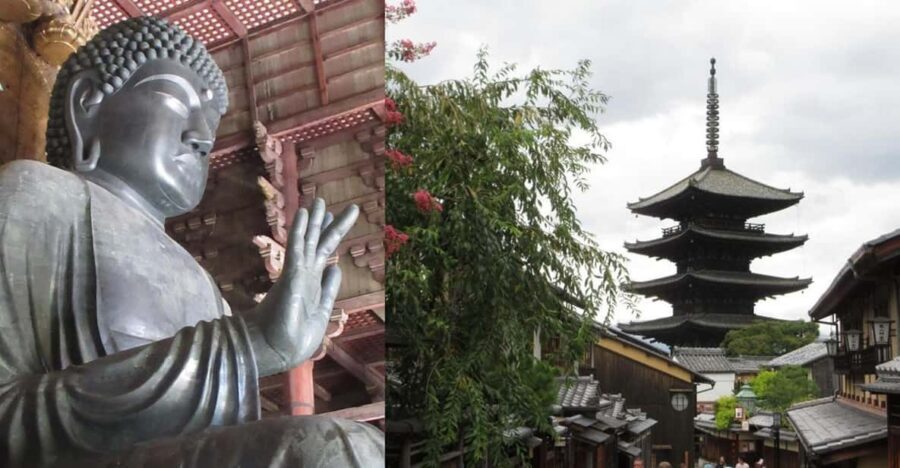
In the afternoon, you go on to Kiyomizu-dera for a guided visit. Like Todai-ji, this is where the guide’s explanations make a difference. Kiyomizu-dera is one of Kyoto’s best-known sacred sites, and your visit is structured to give you a guided hour rather than a quick stop.
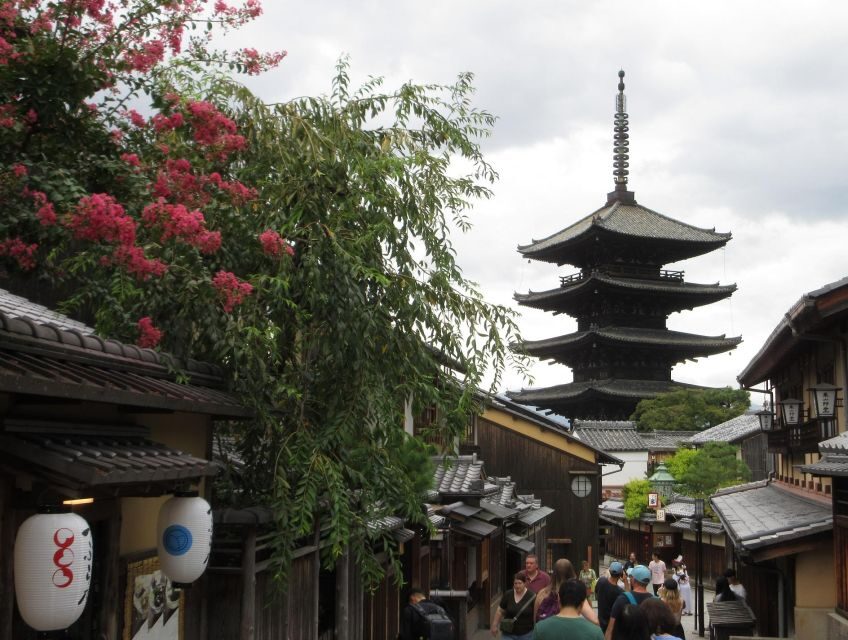
After the temple time, you move on foot through the surrounding area with its long-established streets and lots of small shops. This is where the tour’s “history meets modern life” approach really shows. The streets have developed from as far back as the 8th century to today, and it’s reflected in how people still shop, snack, and stroll around the sacred site.
The shopping street zone: what you should actually do there
Don’t treat the old street area like a checklist. It’s better to pick 2–3 things you want—one souvenir type, one snack, and one short photo stop. That way you don’t burn your energy fighting crowds or trying to do everything.
Since the tour includes a guided pass through the area, you’ll know where to look and what’s worth your time, which saves you the usual guessing game. And if you want to take your own photos, the schedule leaves room to move at your pace during walking segments.
Gion-kobu and the Geisya world: seeing Kyoto’s performer side
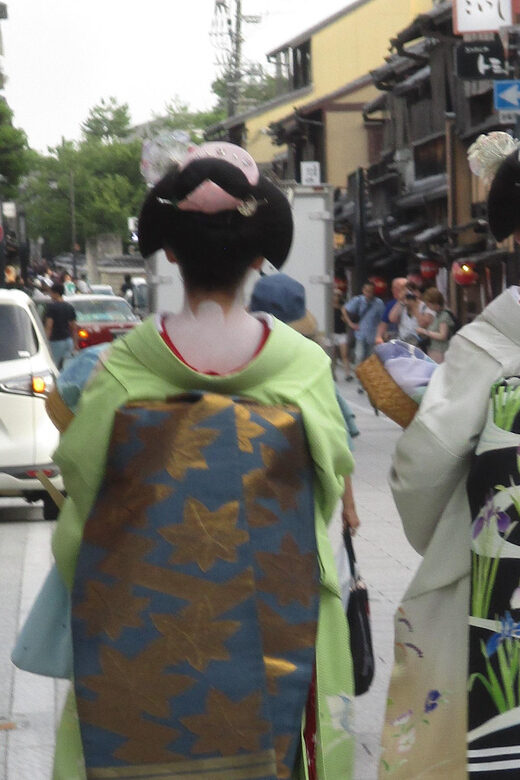
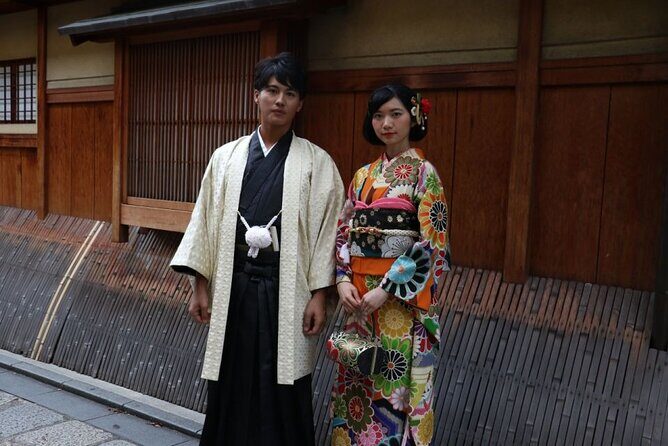
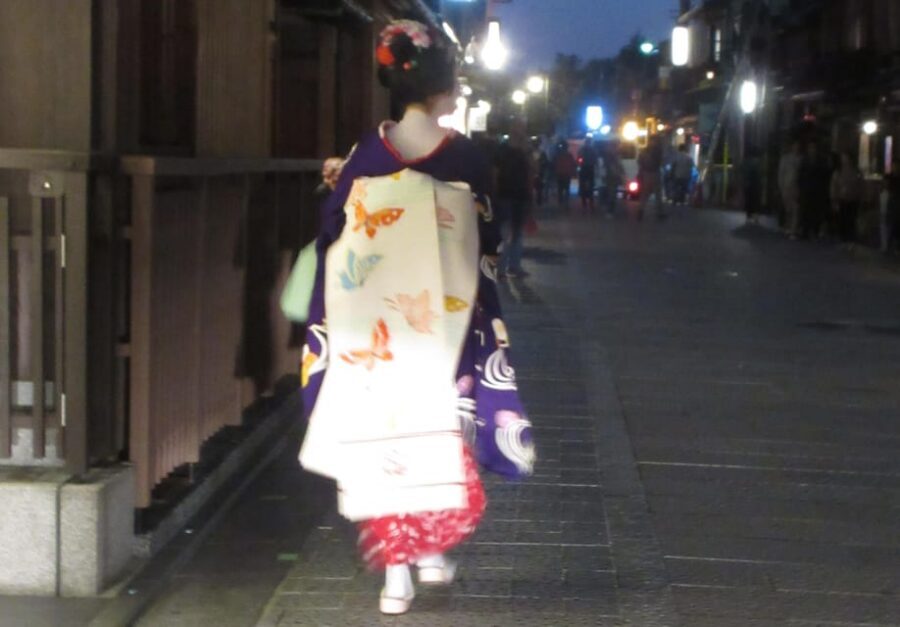
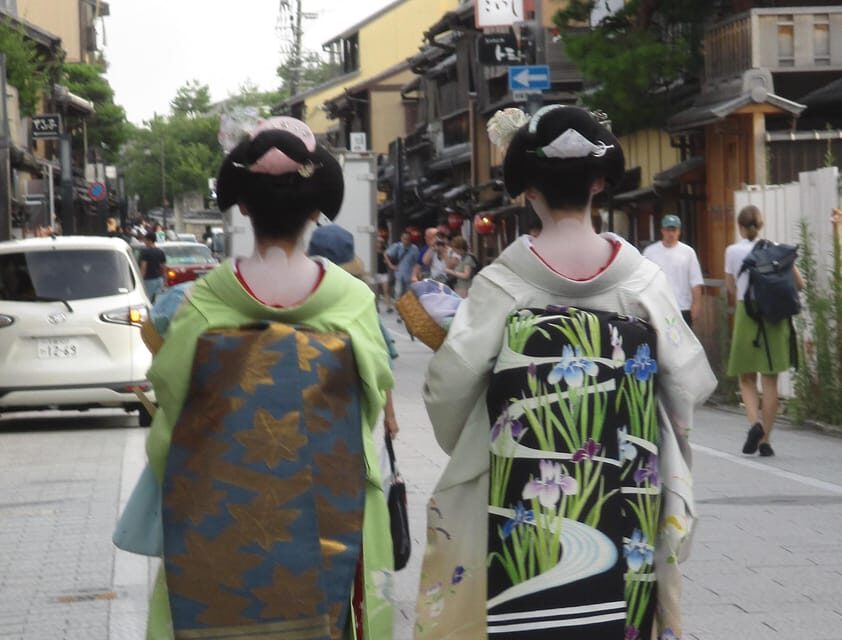
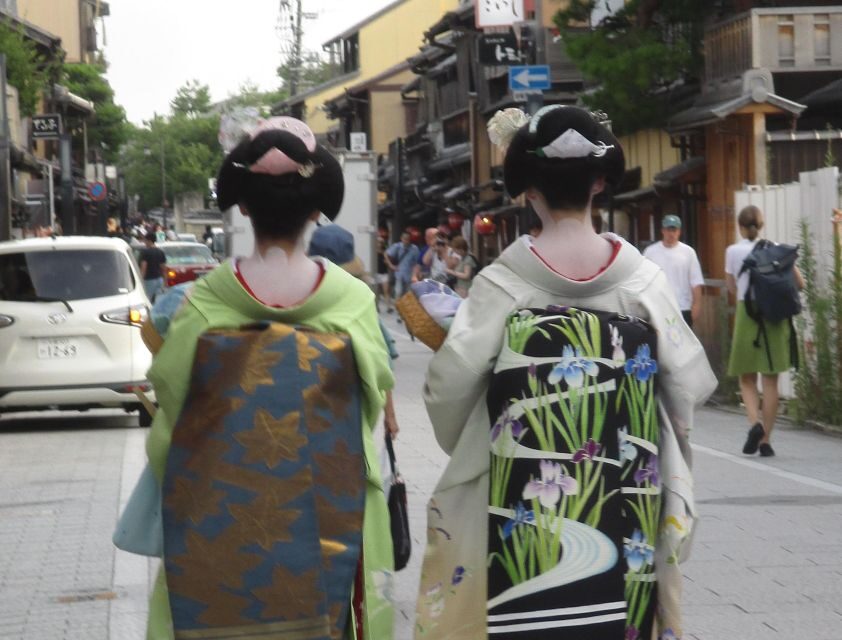
Next comes Gion-kobu, a classic Kyoto district tied to the arts and entertainment traditions. Your guided visit focuses on the area where professional Maiko and Geiko artists work, often connected with the broader word Geisya.
This part of the tour is short but meaningful. Twenty minutes of guidance is enough to understand what you’re seeing—how the district functions, why the atmosphere feels different, and what the local traditions mean in context. You’re not trying to force a performance experience; instead, you’re learning how the neighborhood supports that world.
Ending in Pontocho: a good last step for the day
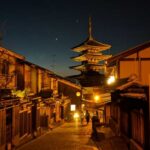
You finish near Pontocho. That matters because it’s a natural “last chapter” of Kyoto. After temples and old streets, Pontocho feels like you’ve stepped into an evening-friendly Kyoto scene, with narrow lanes and classic street energy.
It’s a helpful ending point if you want to continue on your own after the tour. You’re placed in an area where it’s easy to keep exploring without feeling like you’ve been dropped into the middle of nowhere.
Italian guidance that feels more like storytelling than recitation
The best part of this tour, in my view, is how language and explanations are handled. The tour is guided in Italian, and the guide answers questions in English as needed. That combo is especially useful if you’re traveling with mixed language ability or if you want to clarify something without feeling stuck.
The guide’s style is also repeatedly praised: humor, strong cultural knowledge, and clear Italian. Omae comes up as a standout example in the guide’s performance—people mention perfect Italian, a friendly approach, and the confidence to answer questions while still letting you explore on your own.
If you’re the kind of traveler who likes your photos but also wants meaning, this is a great match.
Pacing and logistics: what the structure gets right (and what it costs)
This is a full-day tour with set transport segments and set visit times. On paper, it looks busy: train, bus, walking, a station break, and then Kyoto temple time plus district wandering. In real life, the structure works because each segment has a purpose.
Still, there’s a tradeoff. The tour can’t be slow. You’ll want:
- Comfortable shoes for multiple on-foot stretches
- A light snack or water plan for the walking portions
- A mindset that says yes to guided flow, and no to wandering for hours outside the plan
If you love to plan your days down to the minute, this is fine. If you prefer total freedom, consider whether a group day like this will feel restrictive.
Price and value: $176 for transport, entry, and guide time
At about $176 per person for a full day, the price isn’t “budget.” You should think of it as paying for four things you’d otherwise have to piece together:
- Train and bus fares included
- Entrance fees covered
- Guided time at major sites (Todai-ji, Kiyomizu-dera, and the district walks)
- Italian explanations, plus practical travel information upon request
When you compare it to building the day yourself, the value becomes clearer. Coordinating transport to Nara, handling entrance logistics, and finding a guide who can explain the monuments in a way that sticks is the hard part. Here, that hard part is already handled.
And because the group is capped at 15, you’re not paying to be one face in a crowd. The guide can manage questions without the typical chaos.
Who this tour suits best
I’d point this tour toward travelers who:
- Want an Italian-guided day with real cultural storytelling
- Prefer a structured route that still leaves some time to take photos and look around
- Care about temples beyond postcard views
- Like mixing Nara’s deer park energy with Kyoto’s temple-and-district atmosphere
It’s also a nice option for families who want a full day, since the deer and the old streets give natural “wow moments.” If you’re traveling with limited stamina, you can still do it, but you’ll need to be honest about your walking comfort.
Should you book this Kyoto-Nara full-day tour?
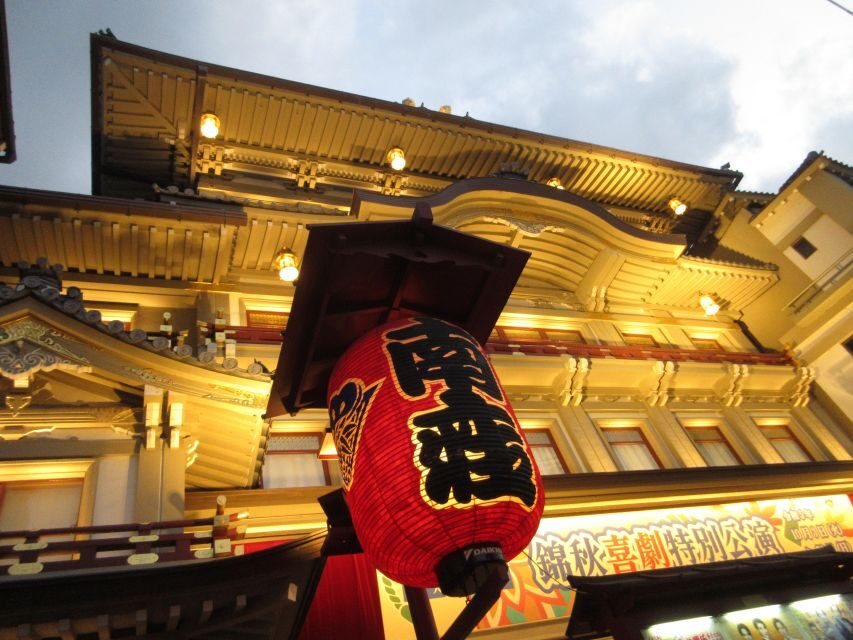
Book it if you want a guided, Italian-led day that ties together Todai-ji, the deer park, Kiyomizu-dera, and Gion-kobu in a way that actually helps you understand what you’re seeing. The small group size and the guide quality (Omae is singled out for excellent Italian and storytelling) make it feel like a thoughtful day, not just a stamp-collecting route.
Don’t book it if you want maximum freedom and zero schedule. This day is meant to run with set visit blocks and transport segments. If that kind of structure frustrates you, a self-guided plan might fit better.
FAQ
Is the tour guided in Italian?
Yes. The live tour guide speaks Italian.
How long is the Kyoto-Nara full-day experience?
It runs for a full day (1 day).
Where does the tour start?
The meeting point is at Kyoto Station, in the space between the four escalators in front of the cab terminal, east just outside the north central entrance.
What places are visited during the day?
You visit Todai-ji in Nara, then Ukimido, then Kiyomizu-dera, and also the Gion-kobu area, finishing near Pontocho.
Is transportation included?
Yes. Train and bus/coach fares scheduled in the program are included.
Are temple entrance fees included?
Yes. Entrance fees of the monuments listed in the program are included.
How big is the group?
It’s a small group with a limit of 15 participants.
Can the schedule be changed?
The itinerary can be flexible upon request as far as possible.
What if I need practical help with travel in Japan?
Practical information about traveling in Japan in general is available upon request and at no extra cost.
Is there free cancellation?
The tour offers free cancellation up to 24 hours in advance for a full refund.