REVIEW · TOKYO
Tokyo Professional Sushi Chef Experience
Book on GetYourGuide →Operated by H.I.S. Co Ltd(TIC) · Bookable on GetYourGuide
Sushi skills in a real Tokyo setting. This 2-hour hands-on class is taught by an Itamae with 30 years of experience, so you learn sushi technique in the kind of restaurant atmosphere that actually makes it feel like craft, not entertainment. I love the focus on practical steps like grating fresh wasabi and building proper shari, and I love that you roll and shape sushi yourself, not just watch.
One consideration: the tasting lineup includes seafood specialties like uni, negitoro, hirame, kuruma-ebi, chutoro, and akami, so if you avoid seafood, plan to choose the vegetarian or allergy-friendly option in advance.
4-6 highlights you’ll care about
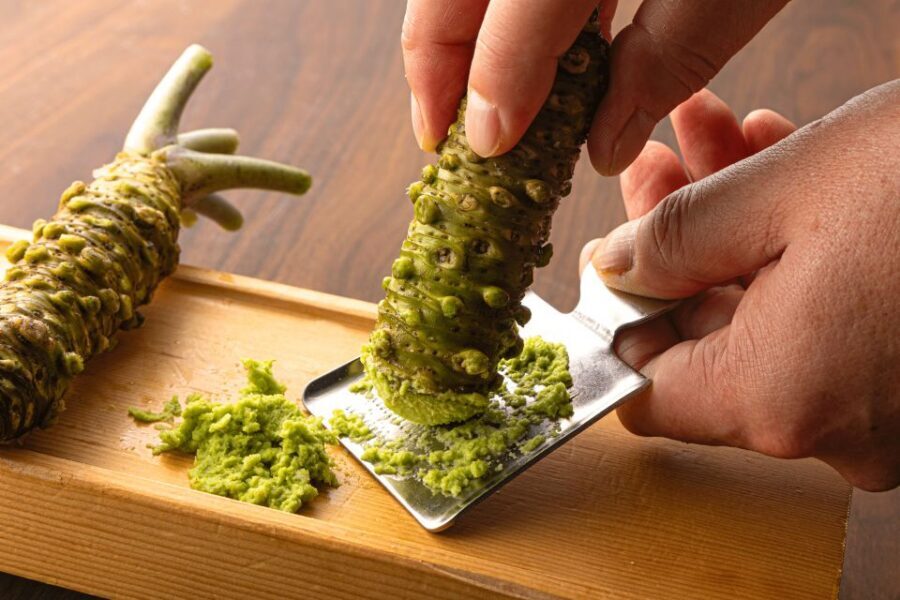
- Fresh wasabi grated for real, so you taste what you can’t get from paste.
- Learn shari secrets for sushi rice that holds together and tastes right.
- Hand-rolled sushi practice using premium nori, not vague “assembly.”
- Technique time plus fish prep demonstrations from the chef.
- Tastings of classic cuts like uni and negitoro, plus a warm finish with wakame udon.
- Small group size (up to 8) with English support for questions.
In This Review
- A Tokyo sushi lesson that feels like training, not a show
- What happens during the 2 hours: your mini sushi workshop flow
- Fresh wasabi: the small step that changes how you taste everything
- Shari and sushi rice: the secret behind good nigiri
- Nori and hand-rolling: turning ingredients into sushi with your own hands
- Fish prep demos and the tasting lineup: uni to akami
- Wakame udon plus a complimentary drink to round out the meal
- Vegetarian and allergy-friendly options without losing the craft
- Price and value: why $161 can make sense for a short class
- Who should book this (and who might not)
- Should you book the Tokyo Professional Sushi Chef Experience?
- FAQ
- How long is the Tokyo sushi chef experience?
- How many people are in the group?
- What language is the instruction provided in?
- Is this class hands-on or mostly watching?
- What do I make and eat during the class?
- Are vegetarian or allergy-friendly options available?
- Is it suitable for children?
- What is included in the price?
- Can I get a refund if plans change?
A Tokyo sushi lesson that feels like training, not a show
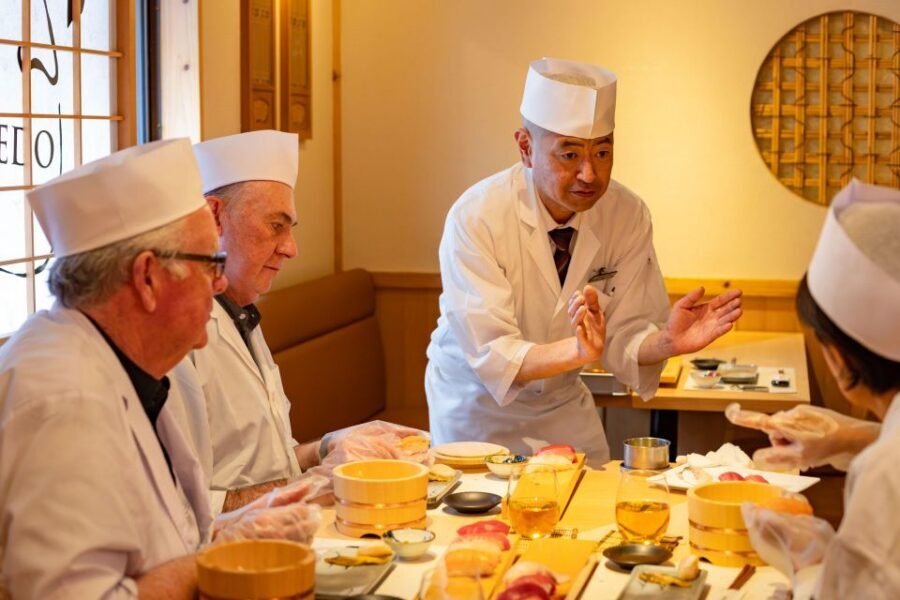
This experience works because it’s run like a real workspace. You’re in a Tokyo sushi restaurant environment with an Itamae at the center of it, and the rhythm is about technique: do it, fix it, do it again. That’s why it’s more satisfying than a quick tasting-only experience. You leave with repeatable actions you can explain and try later.
In particular, I like that you get coached through the basics that matter. The class doesn’t treat sushi as magic; it treats it as skills: correct rice seasoning, the right hand pressure, clean slicing, and smart ingredient handling. Reviews also point to the staff being warm, patient, and organized, and that patience matters when you’re learning things with your hands.
The other strength is the small group. With a maximum of 8 participants, you’re more likely to get real feedback rather than getting rushed through.
What happens during the 2 hours: your mini sushi workshop flow
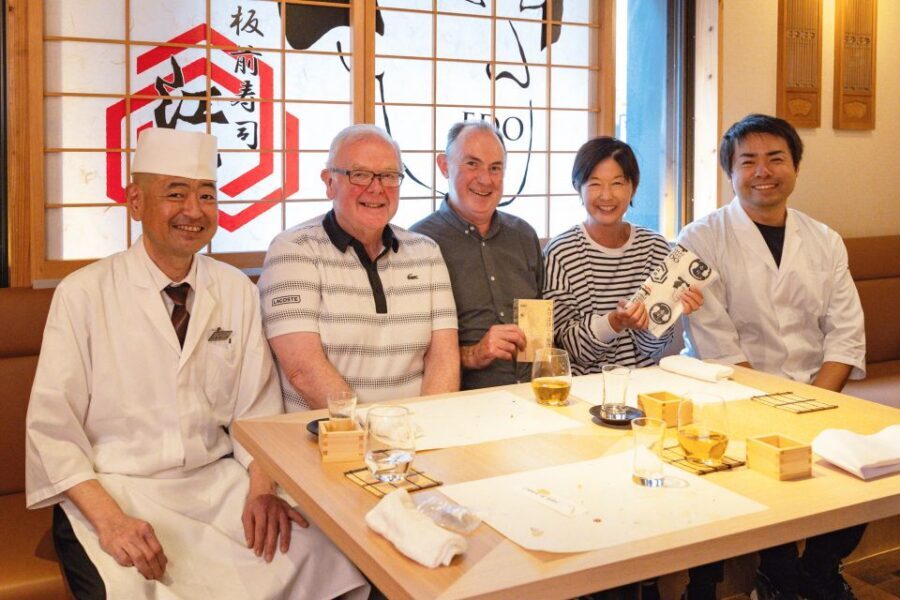
You’ll spend the whole session actively working. A typical flow starts with getting oriented in the restaurant setting and learning how the chef wants you to handle your tools and ingredients. Expect short coaching moments followed by hands-on practice, so the time stays efficient.
From there, you focus on core sushi building blocks:
- You’ll learn sushi rice (shari) basics and how to season it for the right balance.
- You’ll practice hand-rolled sushi with premium nori, guided step-by-step.
- You’ll take part in tastings while the chef demonstrates fish preparation and technique.
Between making and tasting, the class keeps you moving so you don’t get bored. The pacing also helps your confidence grow fast, since you’re not stuck staring at a cutting board for the entire session.
If you’re the type who likes food experiences that actually teach you something, this format is a great match.
You can also read our reviews of more tours and experiences in Tokyo.



Fresh wasabi: the small step that changes how you taste everything
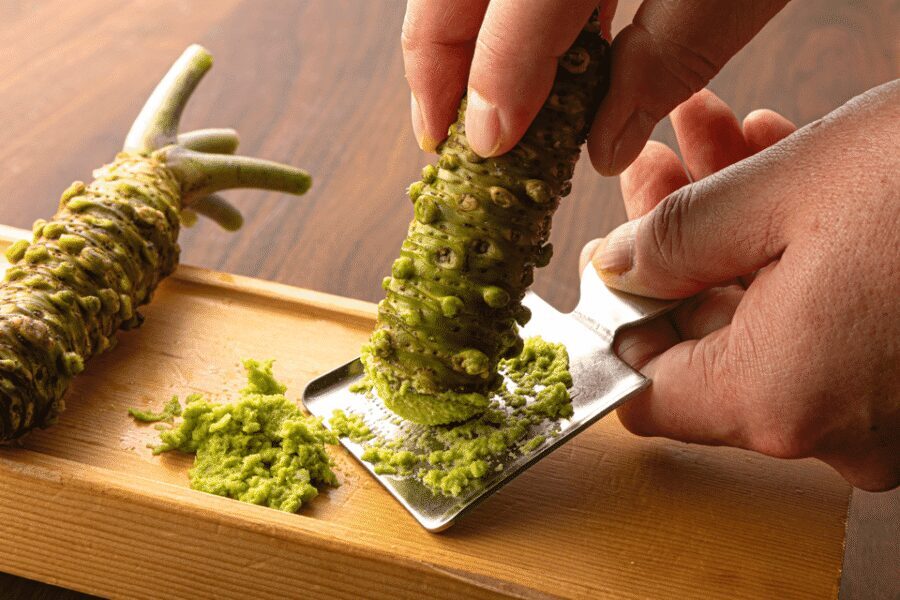
One of the most memorable parts is grating real wasabi. That’s not a gimmick; it affects aroma and intensity in a way that bottled or paste versions can’t fully match. You’ll learn how to grate it fresh and experience its flavor as it develops—sharp, clean, and surprisingly nuanced.
This matters because sushi is built on contrast. The chef’s balancing act depends on seasoning and texture, and wasabi is part of that balancing equation. When you taste it fresh in context, it gives you a new reference point you’ll carry even after the class ends.
I also like that this is included as a skill, not just a sensory moment. You’re learning how to treat wasabi as an ingredient, which helps if you ever try making sushi at home.
Shari and sushi rice: the secret behind good nigiri
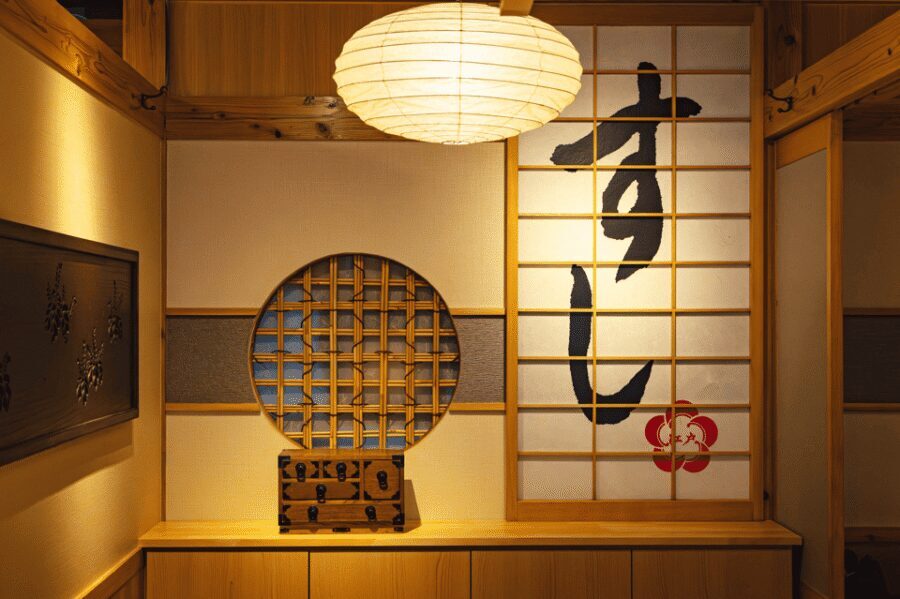
A major chunk of the value is learning the secrets of perfect shari. Sushi rice isn’t just “cooked rice plus vinegar.” Getting it right affects how the grains clump, how it releases flavor, and how it behaves when you shape it.
In class, you’ll prepare sushi rice and get guidance on technique and consistency. The goal is simple: rice that’s seasoned correctly and cooled or handled in a way that makes rolling and shaping workable. When that step clicks, everything else becomes easier.
This is the part you’ll thank yourself for later. Most people can order sushi. Fewer people can understand why it tastes the way it does—especially the rice. If you want to impress friends at home, rice is where you start.
Nori and hand-rolling: turning ingredients into sushi with your own hands
Hand-rolled sushi is where the class becomes real. You’ll use premium nori and practice forming the roll with proper technique. That means paying attention to how much filling to use, how to distribute it, and how to seal without tearing.
What makes this satisfying is the direct coaching. Reviews mention being taught everything from getting ready with an apron to forming nigiri, and that same hands-on focus shows up in rolling too. You’re not guessing. You’re building muscle memory.
This is also where you get a chance to slow down and learn the “feel” of sushi. That texture control is hard to pick up from videos. In a guided session, you can adjust quickly—often within minutes.
Fish prep demos and the tasting lineup: uni to akami
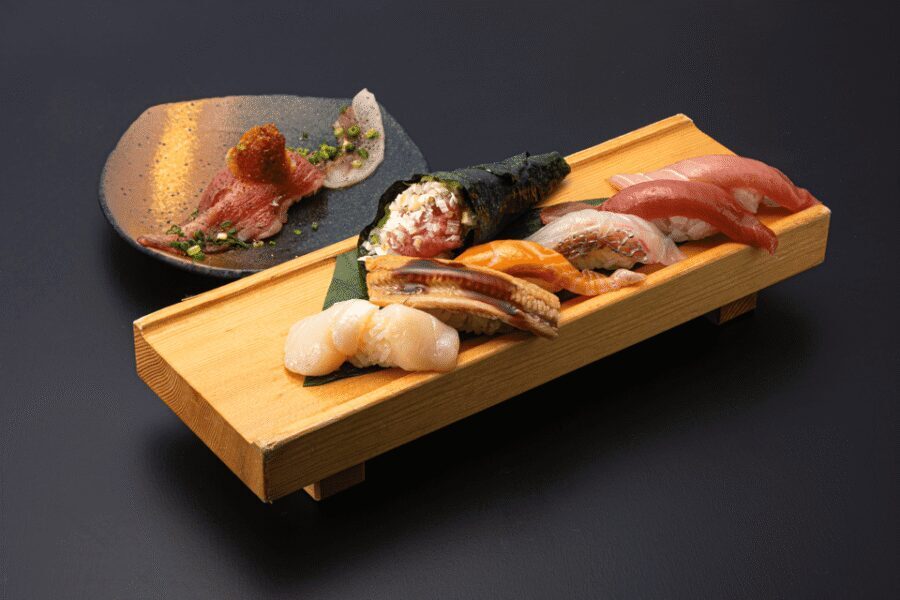
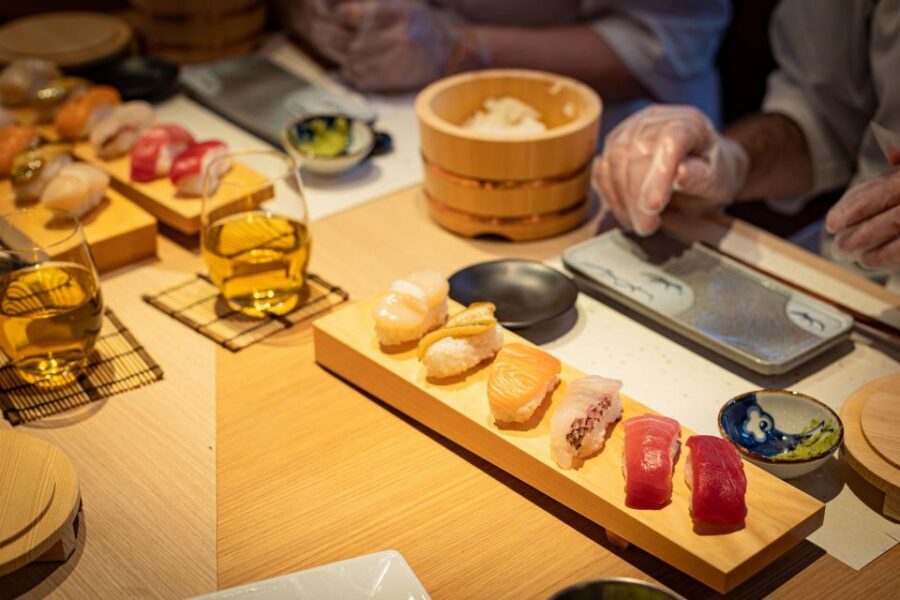
The class includes watching professional demonstrations of fish preparation and sushi techniques. You get to see how the chef handles fish cuts and how technique shows up in the final result. Even if you don’t plan to replicate cutting at home, seeing how the process works helps you appreciate what you’re eating.
Then you move into tastings, including:
- Uni
- Negitoro
- Hirame
- Kuruma-ebi
- Chutoro
- Akami
These aren’t random choices. They represent different flavors and textures—from rich and buttery to clean and delicate. Tasting them as part of a structured experience also helps you connect the dots between technique and taste.
One practical tip: if you’re uncertain about certain seafood, you can still get value from the sushi-making skills. The experience does offer vegetarian and allergy-friendly options, so you’re not stuck with only seafood. Still, because seafood tastings are part of the main arc, you’ll want to plan your selection ahead of time.






Wakame udon plus a complimentary drink to round out the meal
You won’t leave with just sushi. The experience also includes a special wakame udon, which adds a warm, comforting counterpoint to the delicate, vinegared profile of sushi.
You’ll also get a complimentary drink, with options like beer, sake, cola, or green tea. Since beverages are otherwise listed separately, think of this as a class benefit plus a chance to upgrade if you want something else from the restaurant menu.
This final portion makes the class feel like a complete meal rather than a snack-sized workshop.
Vegetarian and allergy-friendly options without losing the craft
I appreciate that the class is designed to be accessible. Vegetarian and allergy-friendly options are available, which matters because sushi dining often assumes everyone eats everything. Here, you can still participate in the main workflow while choosing ingredients that fit your needs.
Just don’t assume. Sushi sessions live and die on ingredient accuracy, so if you have allergies, you’ll want to confirm how your option is handled with the team in advance. The experience includes English interpretation support, which helps you communicate clearly.
The bigger takeaway: you’re learning sushi technique, not just eating a special meal. That means you can still take home skills like rice handling, rolling technique, and understanding balance.
Price and value: why $161 can make sense for a short class
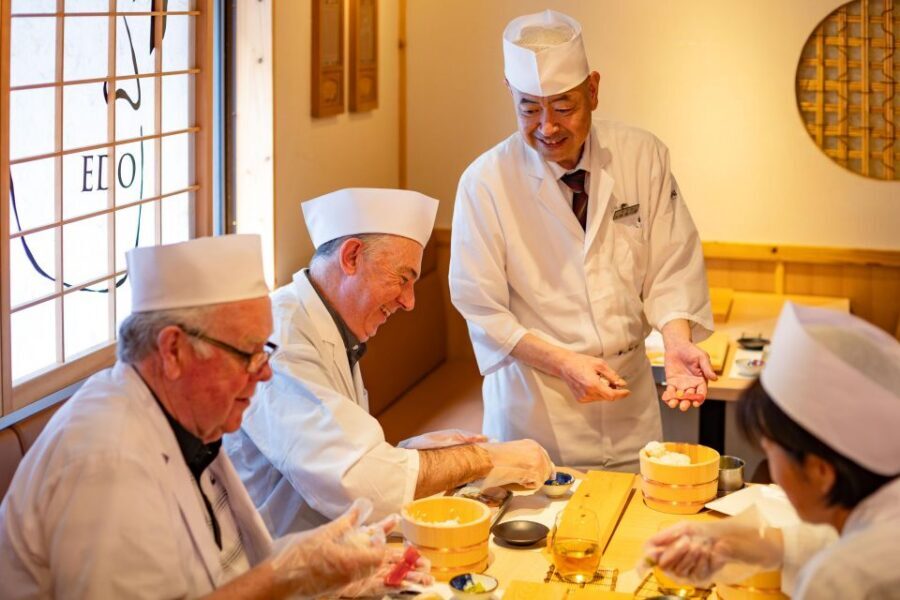
At $161 per person for 2 hours, this isn’t a bargain compared to casual food tours. But the value is built into what’s included. You’re paying for tuition plus food, tools, and equipment, all in a real Tokyo restaurant setting with an Itamae instructor.
Also, the small group format matters. You’re less likely to be treated like a spectator, and that kind of coaching costs time and attention. If you’ve ever done a large-group cooking class, you know how quickly it becomes demo theater. This one is built to keep you hands-on.
Where you might spend extra: beverages beyond the included complimentary drink are not part of the main fee, and the restaurant drink menu is separate.
If you want a short, high-instruction experience, this price can feel fair because you get both making time and a focused tasting program.
Who should book this (and who might not)
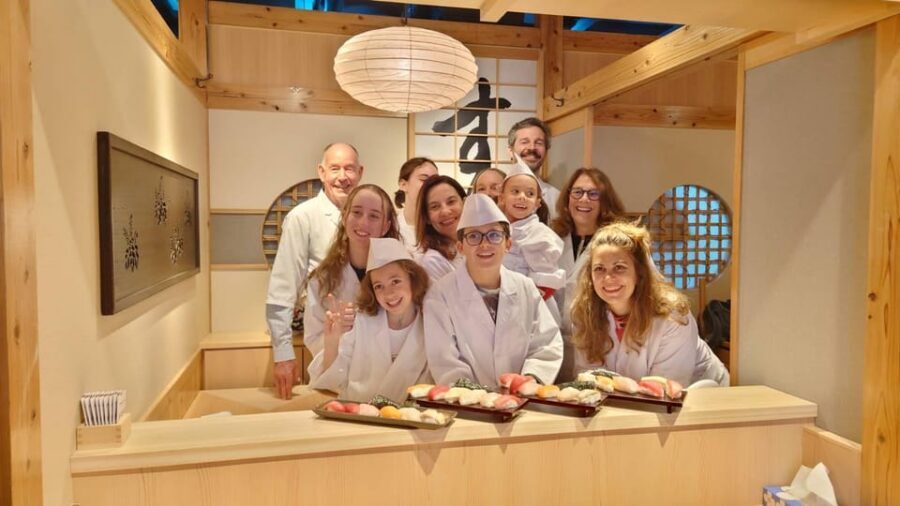
This is a strong fit for food lovers who want to learn real sushi technique. If you enjoy hands-on activities, you’ll likely love the way the class breaks sushi into learnable steps: wasabi, shari, nori rolling, then fish and tastings.
It’s also a good choice for families with kids who are old enough. The experience is available for elementary school students and up, but it’s explicitly not suitable for children under 10. So if you’re traveling with younger kids, you’ll want to skip this one or look for a different option.
If you hate fish or have strict dietary needs, you can still potentially participate via vegetarian and allergy-friendly options. Just remember that the main tasting lineup includes multiple seafood specialties, so plan your choices carefully.
Finally, keep in mind the rules: smoking indoors isn’t allowed, and strong fragrances are not permitted. Those details matter in a small restaurant setting.
Should you book the Tokyo Professional Sushi Chef Experience?
Book it if you want more than a meal. You’re getting practical sushi skills you can actually repeat: how fresh wasabi tastes, how shari is handled, and how to form hand-rolled sushi with guided instruction. The small group size and the Itamae-led coaching are the biggest reasons this can be worth it.
Skip it if your top priority is a long, relaxed sit-down dinner or if you strongly dislike seafood and don’t want to navigate the tasting structure. And if you’re traveling with kids under 10, this one isn’t for them.
FAQ
How long is the Tokyo sushi chef experience?
It lasts 2 hours.
How many people are in the group?
It’s a small group limited to 8 participants.
What language is the instruction provided in?
The instructor provides instruction in English, with interpretation support.
Is this class hands-on or mostly watching?
It’s hands-on. You learn techniques from the Itamae and also watch professional demonstrations of fish preparation and sushi techniques.
What do I make and eat during the class?
You’ll learn to grate fresh wasabi, prepare sushi rice and shari, make hand-rolled sushi with premium nori, and you’ll taste several sushi items such as uni, negitoro, hirame, kuruma-ebi, chutoro, and akami. You’ll also have special wakame udon and a complimentary drink.
Are vegetarian or allergy-friendly options available?
Yes. Vegetarian and allergy-friendly options are available.
Is it suitable for children?
It’s available for elementary school students and up, but it is not suitable for children under 10.
What is included in the price?
The price includes tuition, food, tools, and equipment (and other items necessary for the experience).
Can I get a refund if plans change?
Yes. Free cancellation is available up to 3 days in advance for a full refund.