REVIEW · KYOTO
Kyoto: Essential Tour with Fushimi Inari & Bamboo Grove
Book on GetYourGuide →Bookable on GetYourGuide
Two Kyoto icons, one calm plan. I like the Fushimi Inari Taisha guided walk and the quiet spell of the Arashiyama Bamboo Grove with your own private guide. It’s a focused way to see two must-dos without turning your day into a scavenger hunt.
One consideration: this tour is not wheelchair friendly, and you’ll do enough walking that comfortable shoes really matter. The schedule is also fairly set, so last-minute same-day changes can be difficult.
The upside is real: hotel pickup and drop-off in Kyoto, live English or Japanese guide time, and a bit of built-in flexibility so your pace and interests can steer the stops.
In This Review
- Key things I’d watch for
- Hitting Kyoto’s Most Famous Red Gates (Without Wasting Your Morning)
- Hotel Pickup to Fushimi Inari: Starting Smoothly in Kyoto (and Osaka Option)
- Fushimi Inari Taisha: Your Private Guide Turns a Walk Into a Story
- The Shrine Details That Make Your Photos Mean Something
- Train West to Arashiyama: Changing Scenery, Changing Pace
- Arashiyama Bamboo Grove: When Quiet Becomes the Attraction
- Flexible Within a Set Plan: How Your Guide Can Tailor Your Stops
- Price and Value: Why $135 Can Be Fair Here
- What to Bring (and What to Expect Walking)
- Who This Tour Makes the Most Sense For
- Should You Book This Kyoto Fushimi Inari and Bamboo Grove Tour?
- FAQ
- How long is the Kyoto tour?
- Where can I be picked up and dropped off?
- Is this a private tour?
- What languages are the guides available in?
- Are meals included in the price?
- Are transportation costs included?
- Is the tour wheelchair accessible?
- Can I cancel if plans change?
Key things I’d watch for
- Private guide time at both icons so you don’t just pass through
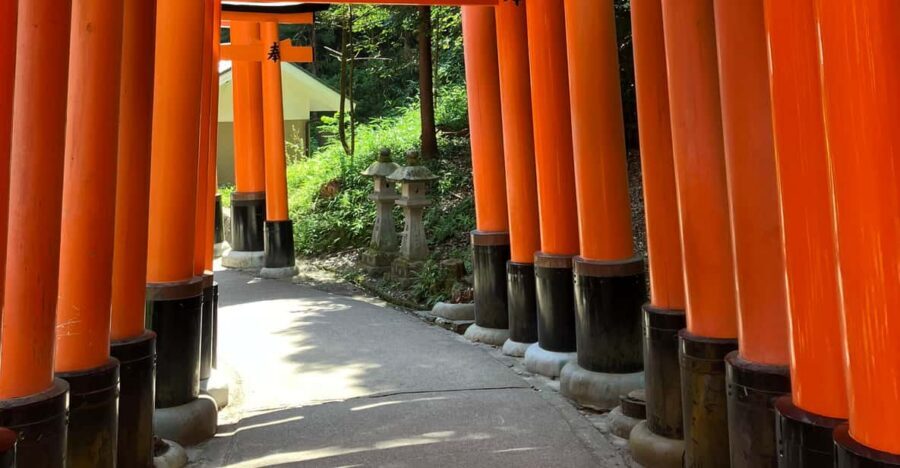
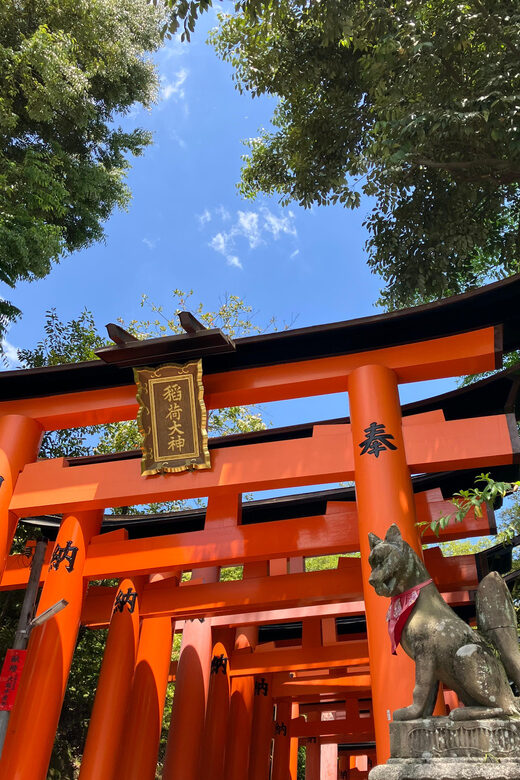
- Fushimi Inari’s torii-gate path with explanation of its meaning and fox imagery
- Arashiyama Bamboo Grove on foot for soft light, photos, and a slower mood
- About 210 minutes total which keeps it to a half-day feel
- Hotel pickup and drop-off options in Kyoto (and drop-off can include Osaka too)
- English or Japanese live guide for questions as you go
Hitting Kyoto’s Most Famous Red Gates (Without Wasting Your Morning)
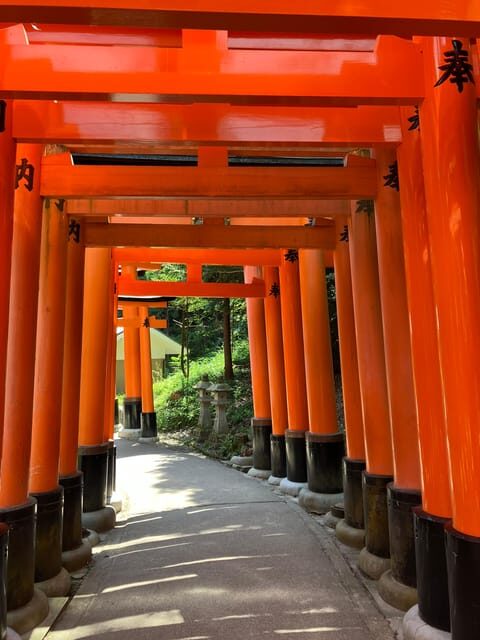
Kyoto can swallow time fast. One train gets you close, another walk gets you tired, and suddenly you’re late for something else. This tour cuts the effort down with hotel pickup and drop-off, then focuses on two iconic spots: Fushimi Inari Taisha and the Arashiyama Bamboo Grove.
What makes it work is that it’s not just sightseeing. You’re walking through places that have meaning. At Fushimi Inari, the torii gates aren’t random decor; they’re part of a sacred route connected to Shinto beliefs. In Arashiyama, the bamboo grove offers a different kind of attention: less explanation needed, more atmosphere you can feel.
The tour duration is about 210 minutes, so it’s long enough to get good time at each stop, but short enough that you’re not wiped out by the end.
You can also read our reviews of more tours and experiences in Kyoto.


Hotel Pickup to Fushimi Inari: Starting Smoothly in Kyoto (and Osaka Option)
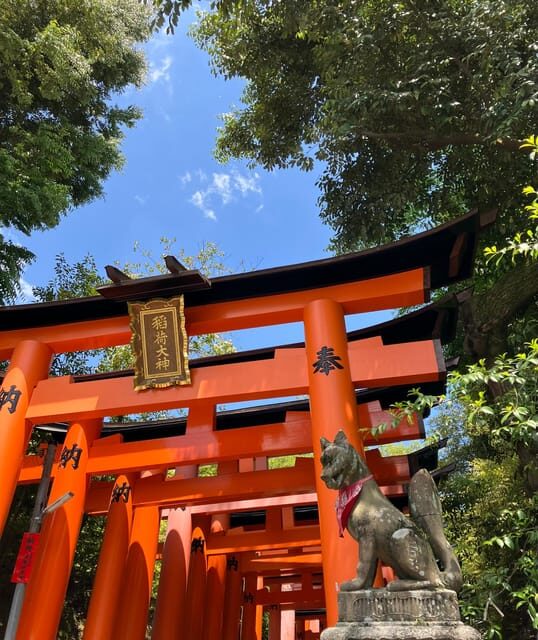
Your day begins with hotel pickup in Kyoto. The tour also lists Osaka and Kyoto pickup options, which is useful if you’re basing in Osaka and don’t want to fight transit before sightseeing even starts.
There’s about 30 minutes of train time before the first guided stop. That matters because it sets expectations: this isn’t a slow neighborhood stroll from your hotel. It’s more like a guided route with transport between districts, built around timing.
Practical tip: if you’re staying in central Kyoto, you’ll appreciate the convenience. If you’re in a more spread-out area, pickup becomes the difference between a relaxed start and a stressful start.
Fushimi Inari Taisha: Your Private Guide Turns a Walk Into a Story
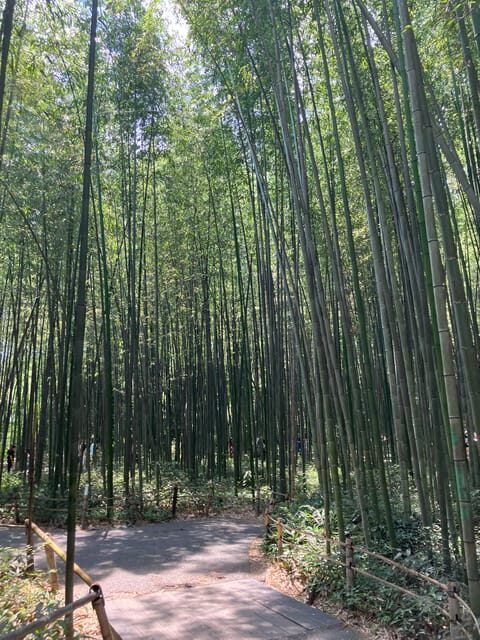
Fushimi Inari Taisha is one of Kyoto’s most important Shinto shrines, and the big draw is the thousands of bright red torii gates that create a tunnel-like path up Mount Inari. On your own, it’s easy to take photos and move on. With a private guide, you get the context that makes the place click.
You’ll have about one hour for the guided tour here. Your guide will explain:
- why the shrine is dedicated to the god of rice and business prosperity
- what the fox statues represent and why they appear across the complex
- how to read the winding paths so you don’t feel lost
The best part is how the guide helps you slow down at the right moments. Instead of rushing to the next torii gate, you start noticing patterns and details you’d normally skip: where the fox imagery shows up, how the sacred route flows, and what your eyes should look for as you walk deeper.
A small reality check: Fushimi Inari involves walking and some slopes. Wear shoes that can handle uneven stone and keep your water handy.
The Shrine Details That Make Your Photos Mean Something
The gates get all the attention, but the meaning comes from the smaller elements. Since your guide focuses on Shinto tradition, you’re not left guessing.
Here are the kinds of things you’ll want to pay attention to during the walk:
- Fox statues scattered throughout the shrine area
- the focus on rice and prosperity as part of the shrine’s identity
- the way the torii gates form a continuous route, not just a landmark
If you care about photographing sacred places, a guide also helps you choose when to pause. You’ll likely spend less time in photo-queue stress and more time framing shots while still moving with the flow of the site.
Also, keep your expectations grounded. This is a public shrine area. You’ll share space with other visitors, but a private guide helps you move with intention instead of feeling swept along.
Train West to Arashiyama: Changing Scenery, Changing Pace
After Fushimi Inari, there’s another 30 minutes by train to the Arashiyama area. This is where the tour’s structure shines: you’re not burning daylight trying to figure out the best transport method mid-day.
About 30 minutes also shows up later again for the return segment, so the timing is built into the plan. That means you’re more likely to have enough energy left when you reach the bamboo grove.
What I like about the rhythm here is the contrast. The shrine part is full of movement and meaning. Arashiyama shifts you toward calm: shade, quiet paths, and that soft, filtered light.


Arashiyama Bamboo Grove: When Quiet Becomes the Attraction
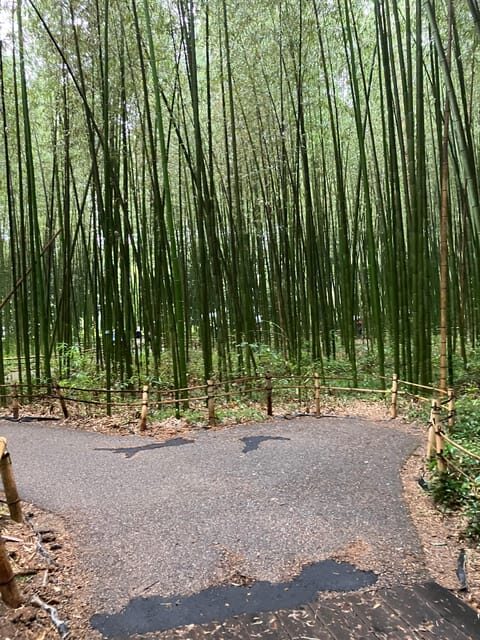
The Arashiyama Bamboo Grove is visited for the look, but it stays with you for the feel. Once you enter, the towering bamboo stalks rise above you and create an almost otherworldly tunnel of green. Even the way light filters through matters, because it turns ordinary photos into atmospheric ones.
You’ll get about one hour for the guided tour in the grove. Your guide will share background about Arashiyama’s significance as a retreat for Kyoto’s aristocracy during ancient times, which gives the grove more weight than just scenery.
How to make the most of your time here:
- Slow down and let your eyes adjust. The lighting changes as you move, and that’s when photos get better.
- Keep your camera ready, but also enjoy the rustle-and-shadow feeling without constantly shooting.
- If you feel photo-fatigue, lean on the guide’s pace. You don’t need to cover every inch to enjoy the atmosphere.
There’s also time to explore the surrounding Arashiyama area beyond the bamboo itself, which is a smart choice. The grove is the headline, but the neighborhood context helps your brain connect the experience to real place.
Flexible Within a Set Plan: How Your Guide Can Tailor Your Stops
This tour is built for a private group, and it explicitly notes that the itinerary can be tailored to your preferences. That flexibility matters most when you’re deciding how long to linger at viewpoints, what questions to ask during guided time, and how you want to handle photo pauses.
You’ll also have a live guide in English or Japanese, so communication stays direct. For many Kyoto tours, the difference between good and great is whether the guide can respond in the moment. With this format, you’re not stuck with one-way information.
One more helpful detail: the tour mentions you can ask questions and request flexibility, but same-day changes might be tough. So if you want a specific adjustment, message ahead.
Price and Value: Why $135 Can Be Fair Here
The price is $135 per person for about 210 minutes. That can feel high if you think only in terms of “two locations.” But the value comes from what’s included and what’s avoided.
Here’s the value equation:
- You get hotel pickup and drop-off in Kyoto, which is often the biggest hidden cost in time and effort.
- You get a private guided tour at both major stops, not just a transfer.
- The guide adds cultural context (Shinto focus at Fushimi Inari, plus Arashiyama background) that you’d usually have to research yourself.
What’s not included is also important:
- Meals aren’t included, so plan on budgeting for food separately.
- Transportation costs aren’t included, even though the plan uses train time between districts.
For many people, the decision comes down to how much they value stress-free logistics. If you like independent travel, you might choose to do it on your own. If you’d rather spend your energy enjoying the places instead of planning trains and routes, the private structure at this price can be a good trade.
What to Bring (and What to Expect Walking)
This kind of Kyoto day is all about comfort. The essentials listed are worth taking seriously:
- comfortable shoes
- camera
- sunscreen
- water
Since you’re walking inside shrine grounds and through the bamboo grove area, good footwear is non-negotiable. Kyoto stone and uneven paths can be sneaky, especially if you’re tempted by fashion sandals.
Other quick notes:
- Smoking isn’t allowed.
- If you’re hoping for wheelchair access, this one won’t work; it’s not suitable for wheelchair users.
Who This Tour Makes the Most Sense For
I’d point this tour toward people who want:
- a private guide at two top Kyoto sights without juggling planning
- strong cultural context at Fushimi Inari Taisha
- a calmer, atmospheric Arashiyama experience with guided timing
- a half-day format that still feels meaningful
It’s also a good match if you like asking questions in real time. The guide includes cultural and Shinto insights, which is where a live person helps.
If you’re the type who only wants the shortest possible visit for quick photos, you might find the guided time less your style. This tour leans toward understanding and pacing, not sprinting.
Should You Book This Kyoto Fushimi Inari and Bamboo Grove Tour?
I’d book it if you want a smooth day with hotel pickup, a private guide, and a structured path between two of Kyoto’s most famous stops. The time budget is tight enough to avoid fatigue, and the guide-led focus at Fushimi Inari is exactly what turns torii gates from wallpaper into meaning.
Skip it if you’re extremely mobility-limited, since it’s not suitable for wheelchair users. Also skip if you’re determined to keep every part totally independent and you don’t care about Shinto and historical context.
If you can handle some walking and you’d rather pay for convenience than manage logistics, this is a solid way to see Kyoto without losing the day to transit.
FAQ
How long is the Kyoto tour?
The total duration is 210 minutes.
Where can I be picked up and dropped off?
Pickup options include Osaka and Kyoto. Drop-off options include Kyoto and Osaka.
Is this a private tour?
Yes. It’s a private group tour with a live guide.
What languages are the guides available in?
The tour includes a live guide in English and Japanese.
Are meals included in the price?
No. Meals are not included.
Are transportation costs included?
Transportation costs are not included, even though the schedule includes train time between stops.
Is the tour wheelchair accessible?
No. The tour is not suitable for wheelchair users.
Can I cancel if plans change?
The tour offers free cancellation up to 24 hours in advance for a full refund.