REVIEW · SAPPORO
Day Trip Kyoto from Tokyo with a Licensed Guide by Bullet Train
Book on Viator →Operated by MY Travel Consulting · Bookable on Viator
Kyoto in one day sounds wild, until logistics get handled. I like that this trip pairs bullet train round-trip tickets with a nationally licensed guide, so you spend less time figuring out trains and more time seeing Kyoto. I also like the tight hit list: Kinkaku-ji and Fushimi Inari in the same day. The one drawback to weigh is the pace: with about 12 hours total and walking at both temple areas, it helps to have moderate physical fitness.
The tour also feels built for real-world travel, not just sightseeing. Stops are timed around getting from Tokyo Station to Kyoto Station, using local transport, and then back again with a short Tokyo Station finale at the Red Brick exterior. If weather changes the plan, your day may shift, and you’ll still need to handle lunch on your own.
In This Review
- Key Things to Know Before You Go
- How This One-Day Kyoto Trip Actually Works
- Leaving Tokyo with Hotel Pickup and a Real Plan
- Bullet Train to Kyoto: Speed with Less Guesswork
- Kinkaku-ji (Golden Pavilion): Why This Stop Works Early
- Nishiki Market: Kyoto Kitchen Energy with a Time Budget
- Fushimi Inari-taisha and the Torii Gates: Two Hours, Real Steps
- Kyoto Station and the Tokyo Station Red Brick Finale
- Price and Value: What You’re Paying For
- Customizing the Day Without Breaking the Schedule
- Who This Tour Suits Best (and Who Might Not)
- Should You Book This Kyoto Day Trip from Tokyo?
- FAQ
- How long is the Kyoto day trip from Tokyo?
- Do you get hotel pickup?
- Is this a private tour?
- Which attractions are included in the itinerary?
- Are bullet train tickets included?
- What languages is the guide available in?
- Is lunch included?
- Are admission fees included?
Key Things to Know Before You Go
- Hotel pickup + a licensed guide makes the train day simpler, especially if you want help navigating stations.
- Round-trip Shinkansen tickets between Tokyo and Kyoto are included, so you’re not hunting schedules.
- Kinkaku-ji admission is included (most other stops are free to enter).
- A realistic food stop at Nishiki Market gives you a chance to snack and browse without committing to a full meal there.
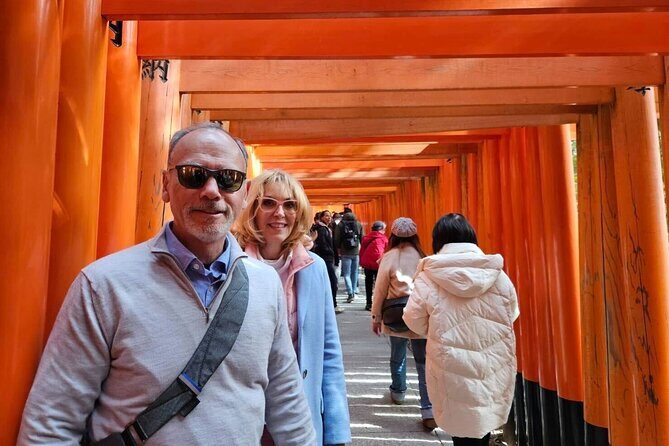
- Fushimi Inari has real walking time—plan for steps and lots of torii gate photos.
- Private tour for your group means the pace can be managed around your needs (within the set itinerary).
How This One-Day Kyoto Trip Actually Works
This is a classic “big two temples plus a food street” plan, organized so you can leave Tokyo early, see Kyoto highlights, and still get back before your energy fully drains. The tour is timed around train travel and local transfers, with the guide helping you stay on the schedule.
You’ll spend most of the day moving between key neighborhoods: Tokyo’s rail hub, Kyoto Station, then on to Kinkaku-ji, Nishiki Market, and finally Fushimi Inari. The payoff is that you don’t need to build your own route or worry about which bus or train to take at each step.
And because the guide is nationally licensed, you’re getting more than directions. You’re getting someone who can explain what you’re looking at and help you make smart decisions on timing—especially important when you’re only in town for a single day.
You can also read our reviews of more guided tours in Sapporo



Leaving Tokyo with Hotel Pickup and a Real Plan
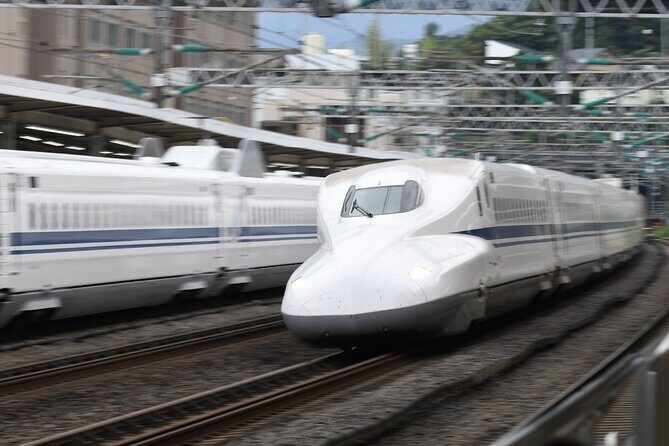
The day starts at Tokyo Station Marunouchi Ekimae Hiroba. You don’t just get a train ticket and a map; you get hotel pickup, plus guidance getting you to the station. One review stood out for this part: the guide Kishy helped with finding the way through Shinagawa Station to reach the bullet train smoothly.
This matters because the Tokyo rail system can feel like a puzzle even when you’re prepared. If you’re traveling with family, using a stroller, or just want less stress, this kind of coordination is often the difference between enjoying the day and feeling rushed.
You’ll also get a mobile ticket, which helps reduce ticket-counter friction. If you’ve ever spent vacation time chasing the right platform, you’ll appreciate how much this reduces hassle.
Bullet Train to Kyoto: Speed with Less Guesswork
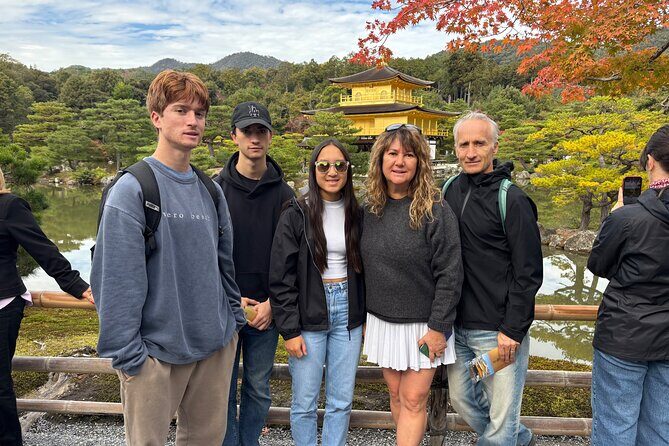
The included bullet train ride takes about 2.5 hours from Tokyo to Kyoto. That speed is the entire reason a one-day Kyoto trip is even possible. Without the train included, a day trip becomes a budgeting and scheduling problem fast.
Once you arrive at Kyoto Station, the tour doesn’t just dump you on the street. You head toward your first major stop using local transport—described here as a local bus to Kinkaku-ji. That’s useful, because Kyoto’s layout can be confusing if you’re moving between areas and trying to read transit signage on the fly.
I like that the itinerary keeps your first Kyoto block simple: get to the Golden Pavilion, see it, then move on. You’re not zigzagging across the city trying to match vibes with transit apps.
Kinkaku-ji (Golden Pavilion): Why This Stop Works Early
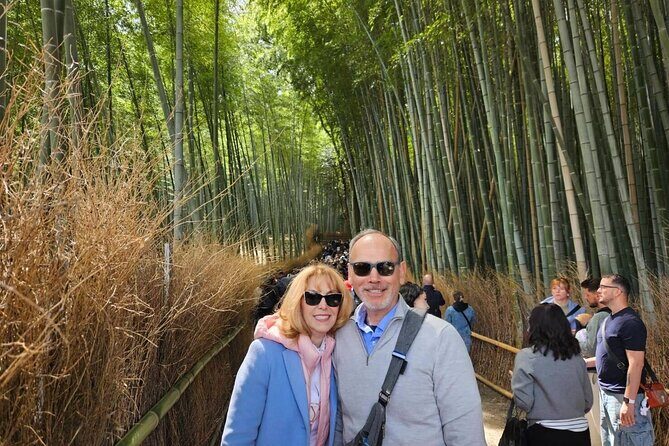
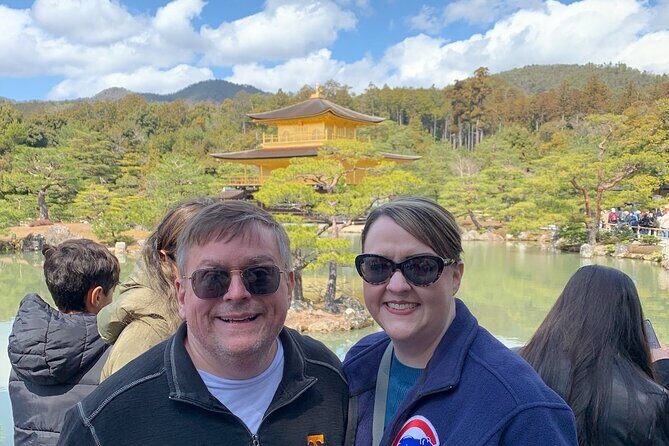
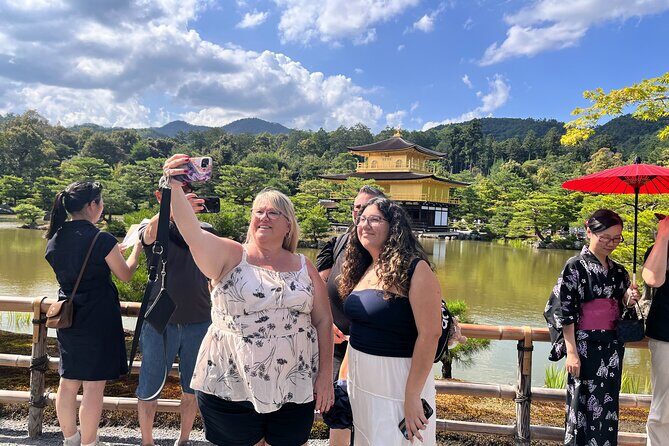
Your first big Kyoto sight is Kinkaku-ji, the Golden Pavilion Zen Buddhist temple. It’s famous for its architecture and the way the setting frames the pavilion. With an included admission and about one hour on site, you can see the main viewpoints without turning it into a half-day project.
The trade-off is that one hour goes quickly if you stop for every photo, read every sign, and also want time to walk the surrounding areas. If you’re the kind of visitor who takes lots of pictures, you’ll still have time—but you’ll want to keep the pace moving.
The value here is that Kinkaku-ji is the sort of place where a guide helps you avoid common missteps, like focusing only on the most obvious photo point and missing the best approach angles. You also get cultural context, which changes the experience from look-and-go to actually understanding why the pavilion and grounds matter.
Tip for your planning: wear shoes you’re comfortable walking in. You’re at a major tourist landmark, and you’ll likely spend part of the hour moving between viewpoints and paths.
Nishiki Market: Kyoto Kitchen Energy with a Time Budget
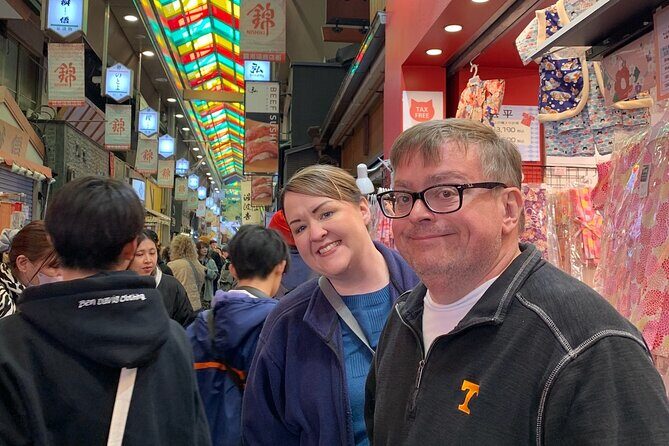
Next you have Nishiki Market Shopping District, often called Kyoto’s Kitchen. It runs along a set of blocks in central Kyoto and is known for food stalls and snack-style browsing.
This is one of those stops that can be either a highlight or a time sink, depending on your approach. In one hour, you can do what most people do best here: walk, sample a couple of small bites, and enjoy the atmosphere without trying to shop for gifts for everyone you know.
The tour keeps it practical by not overcommitting time. You’re not stuck in a long meal. Instead, you get a chance to recharge a bit before moving to your next temple, which involves more sustained walking.
If you’re sensitive to crowds, use this time strategically: plan to move with the flow, but don’t get trapped at a single stall. Quick choices beat indecision when your itinerary is moving forward.
A few more Sapporo tours and experiences worth a look





Fushimi Inari-taisha and the Torii Gates: Two Hours, Real Steps
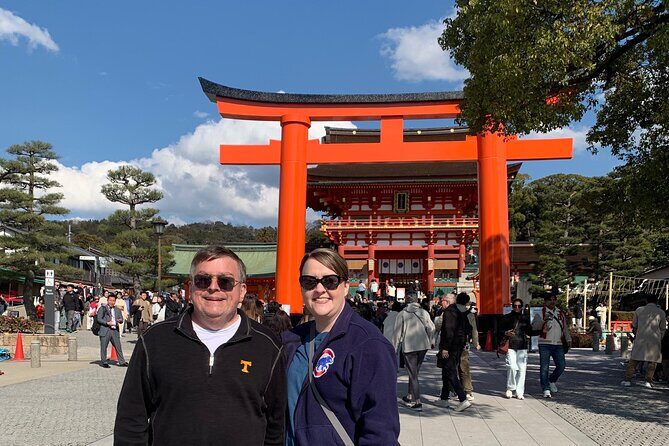
Finally, you head to Fushimi Inari-taisha Shrine, famous for its thousands of red torii gates climbing up Mount Inari. This is the stop people remember, partly because the torii corridor creates a visual rhythm you can follow for photos and perspective.
You’ll have about two hours here, which is both generous and honest. It’s enough time to walk a meaningful portion of the paths, take photos, and still come back down without sprinting. But it also means you’ll be on your feet for long stretches.
The photos are obvious, but what you’ll feel is the pace shift: the air changes as you go deeper into the wooded area, and the walkway becomes a steady climb. If you’re traveling with kids, go slowly and treat it like a hike with breaks. The tour’s moderate-fitness note makes sense for this stop.
A guide can also help here by steering you toward a satisfying turn-around point. With limited time, choosing where to stop matters. You don’t want to miss the best section just because you kept going out of photo momentum.
Kyoto Station and the Tokyo Station Red Brick Finale
After Fushimi Inari, you return to Kyoto Station and then take the bullet train back to Tokyo, about three hours. That return leg is where the day’s schedule becomes very real: your body will tell you when it’s time to slow down.
On the Tokyo side, you end with a short visit to the Tokyo Station Red Brick Station Building shaped like a Mail Box for about 30 minutes. It’s a pleasant little visual finish that breaks up the “train and temples” monotone, especially if you’re the type who likes architecture and classic transit landmarks.
This is also a nice way to close the loop: you start at Tokyo’s rail hub, you experience Kyoto’s rail hub, and you finish with Tokyo’s iconic exterior. It turns the day trip into a full travel story, not just a list of stops.
Price and Value: What You’re Paying For
At $915.00 per person, this isn’t a budget day trip. So the question is: what are you getting for that price?
You’re paying for a bundle of high-cost items: bullet train tickets, hotel pickup, a nationally licensed English/Spanish/French guide, public transportation in Tokyo and Kyoto, and admission fee for Kinkaku-ji. On a do-it-yourself day trip, the guide is what usually costs the most—but it’s also what turns a complicated logistics day into something that feels manageable.
Then there’s the private aspect: it’s described as a private tour/activity, meaning it’s only your group participating. That’s often where the value shifts. If you’re traveling as a small group and don’t want to coordinate everything yourself, the total feels more reasonable than it first appears.
Also, this is one day. You’re compressing travel time, transfer time, and sightseeing time into a single block. If you’ve only got limited days in Japan, buying back that time can be worth a lot.
Lunch is not included (budget around $15–$20 per person). That’s a small but important point. You’ll want a plan for where to eat so your day doesn’t stall when hunger hits.
Customizing the Day Without Breaking the Schedule
The tour notes that the plan might be changed due to weather conditions or other reasons, and that itinerary changes are sometimes necessary. It also says they’re open to customization if you want different places.
In practice, customization works best when you’re swapping one stop for another that fits the timing. If you add extra temple time without adjusting the order, you risk running out of buffer and turning your day into a sprint.
Use the guide to help you decide what matters most. A good question to ask is which stop you should treat as flexible if crowds are heavy or transport runs slower than expected.
Who This Tour Suits Best (and Who Might Not)
This day trip fits well if you want big highlights without planning stress. It also makes sense for families with children who need smooth transitions and guidance through busy transport hubs.
If you’re a solo traveler, you’ll still get the benefit of a guide who can manage timing and directions. Just know the overall day is packed, and you’ll still be walking and climbing, especially at Fushimi Inari.
If you prefer freeform travel and don’t mind handling trains and ticketing yourself, you might find a DIY route more flexible. But if you want someone to handle the train logistics and sequencing, this tour is built for that.
Finally, the guide experience shows up in the reviews: Yutaka was described as polite and helpful, leading guests from the New Otani hotel lobby to the station and navigating the rail network so the day ran smoothly. That kind of support is exactly what you’re buying here.
Should You Book This Kyoto Day Trip from Tokyo?
I’d book this if you want a high-success, one-day Kyoto plan with less transit stress and more time actually sightseeing. It’s especially appealing if your travel window is short, you value a guide’s context, or you’d rather not figure out Kyoto transfers while juggling a packed schedule.
I would think twice if you hate tight timelines or you’re expecting a relaxed day with long breaks. This itinerary is designed to fit in major sights, and that means you’ll keep moving.
If you decide to book, do two things: wear comfortable shoes, and treat lunch as part of your planning so you don’t lose momentum. With those in place, this becomes one of the most efficient ways to experience Kyoto’s famous contrasts—Zen temple views, a food-stall market walk, and the torii gates climb—all in a single day.
FAQ
How long is the Kyoto day trip from Tokyo?
The tour runs about 12 hours (approx.).
Do you get hotel pickup?
Yes, hotel pickup is included.
Is this a private tour?
Yes. It’s private, and only your group participates.
Which attractions are included in the itinerary?
You’ll visit Kinkaku-ji Temple, Nishiki Market Shopping District, and Fushimi Inari-taisha Shrine. You also have time at Kyoto Station and a short stop at Tokyo Station’s Red Brick building exterior shaped like a mail box.
Are bullet train tickets included?
Yes. Bullet train tickets between Tokyo and Kyoto are included.
What languages is the guide available in?
The guide is available in English, Spanish, and French.
Is lunch included?
No. Lunch is not included, and it’s estimated around $15 to $20 per person.
Are admission fees included?
Kinkaku-ji admission is included. The other listed stops are marked as free admission in the itinerary details.