REVIEW · FUKUOKA
Ceramics and Green Tea Tour of Nagasaki and Saga Prefecture
Book on Viator →Operated by Shannon Lefebvre · Bookable on Viator
That first sip of tea and first look at porcelain. Ceramics and green tea pair up in Kyushu in a way I rarely see in one day, and this tour ties them together with real-world stops from Arita to Ureshino. You get a structured route through pottery towns and tea sites, plus English support where it matters, so you’re not just looking—you’re learning what you’re looking at.
I especially like the mix of hands-on-feeling pottery visits and calm, historical tea moments. You’ll also have time at places like Kyushu Ceramic Museum and multiple Arita-area ceramic parks and shops, so your day doesn’t feel like a rushed photo sprint. The one thing to consider is simple: it’s a long day (about 10 to 11 hours), and it depends on good weather to run smoothly.
In This Review
- Key Points to Know Before You Go
- How Ceramics and Green Tea Fit Together in Kyushu
- Private, Comfortable Day Trip From Fukuoka (and What That Changes)
- Ceramics Stops: From Okawachiyama Village to Arita Porcelain Park
- Stop 1: Okawachiyama Village (Imari Town, Saga) — 1 hour
- Stop 2: Izumiyama Quarry (Arita Town) — 20 minutes
- Stop 3: Tozan Shrine — 20 minutes
- Stop 4: Kyushu Ceramic Museum — 45 minutes (included)
- Stop 5: Arita Sera — 2 hours
- Stop 6: Arita Porcelain Park — 45 minutes
- Stop 7: Ceramics Park (Yakimono Kouen, Hasami area) — 30 minutes
- Green Tea Heritage Around Ureshino: Museums, Producers, and a First-Tea Site
- Stop 8: Ureshino Tea Exchange Museum: Chaoshiru — 45 minutes
- Stop 9: Tokunaga Seicha — 30 minutes
- Stop 10: Site of Japan’s First Ureshino Tea — 15 minutes
- Lunch, Snacks, Water, and the Day’s Real Pace
- Price and Logistics: Is This $716.68 Private Tour Good Value?
- What to Buy Without Regretting It Later
- Should You Book This Ceramics and Green Tea Tour?
- FAQ
- How long is the Ceramics and Green Tea tour?
- What’s included in the tour besides the visits?
- Are any tickets included?
- Is pickup available?
- What group size is this tour for?
- What happens if weather is poor?
Key Points to Know Before You Go

- Private group up to 3 keeps the pace comfortable and gives you flexibility inside each stop.
- Arita ceramics circuit includes museum time plus multiple viewpoints on how pottery is made, collected, and sold.
- Ureshino tea heritage goes beyond tea shop browsing with museum and a site tied to Japan’s first Ureshino tea.
- Lunch + snacks + water means you’re fueled without constantly hunting for food in the countryside.
- Free WiFi on board makes it easier to plan purchases and refresh maps or notes during breaks.
How Ceramics and Green Tea Fit Together in Kyushu
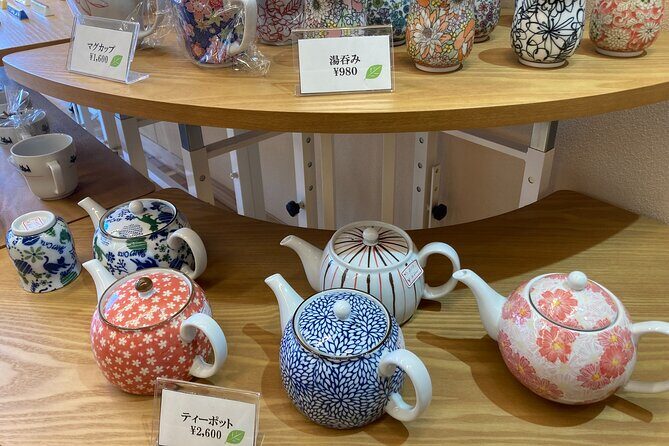
Kyushu has a particular rhythm to its culture: craft towns sit next to agriculture and tea history, and both connect to the same everyday values—patience, quality, and repetition until it becomes good. This tour leans into that idea by pairing porcelain-focused stops around Arita and Hasami-style ceramics areas with tea stops around Ureshino.
If you’re the type who likes context, you’ll appreciate that the day isn’t only about shopping. You start with a sense of place, move into how porcelain happened in this region, then you shift to tea sites that explain why Ureshino’s green tea became so important. You get a clean arc: art first, then plant-based tradition.
You can also read our reviews of more tours and experiences in Fukuoka.



Private, Comfortable Day Trip From Fukuoka (and What That Changes)
This is a private tour, capped at up to 3 people per group. That matters more than you might think. In ceramics towns, people often want to slow down—compare kiln styles, inspect glazes, and ask questions at shops. A private format lets you do that without feeling like you’re holding up a bus full of strangers.
You also get real comfort for a full day: an air-conditioned vehicle, onboard WiFi, parking fees handled, and pickup offered. The tour runs roughly 10 to 11 hours, with about 3 hours spent traveling between stops. That leaves plenty of time at the sites themselves, which helps you actually enjoy each place instead of just passing through.
The other practical note: the experience requires good weather. If conditions are poor, you’ll be offered a different date or a full refund. For anyone traveling in a tight window, it’s worth booking early enough to have options.
Ceramics Stops: From Okawachiyama Village to Arita Porcelain Park
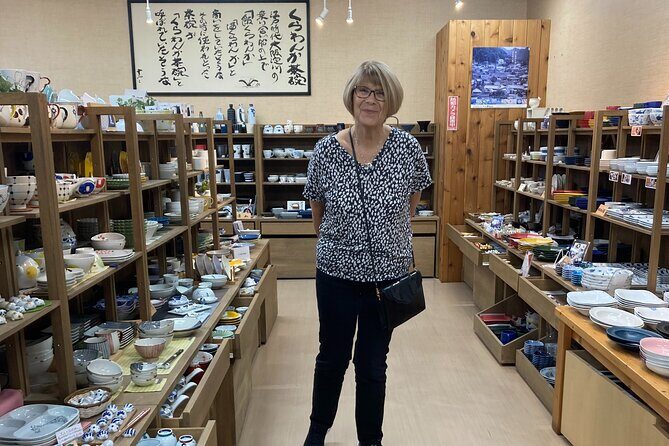
This part of the day is built around Saga and the Arita orbit—one of the most important ceramics regions in Kyushu. What you’re really doing is comparing ceramics from different angles: village craft life, the raw-material story behind porcelain, religious art, museum interpretation, and retail picking.
Stop 1: Okawachiyama Village (Imari Town, Saga) — 1 hour
Okawachiyama Village is a pottery village tucked into a mountainous area in Imari Town. The time here is valuable because it feels like you’re walking through living craft culture rather than a single-ticket attraction. Even when you don’t buy anything, it’s a great place to get your bearings about style—how forms and decorative patterns tend to look in this region.
Tip for your visit: if you’re shopping, treat this stop like your warm-up. Decide what you like before you hit the bigger retail areas later in the day.
Stop 2: Izumiyama Quarry (Arita Town) — 20 minutes
Izumiyama Quarry connects directly to the porcelain breakthrough. Around 1616, a group of Korean potters led by Yi Sam Pyeong discovered porcelain stone here, and they were among the first in Japan to successfully fire porcelain. This is a short stop, but it gives you something important: the idea that porcelain isn’t only artistry—it’s geology plus technique.
What to watch for: the stop is brief, so keep your attention on the story and any visual materials that show why this location mattered.



Stop 3: Tozan Shrine — 20 minutes
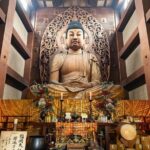
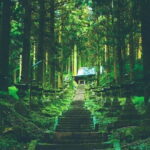
Tozan Shrine is quick, but memorable for a simple reason: the shrine is decorated with porcelain designs. It’s a neat reminder that ceramics here isn’t locked away in workshops or showrooms—it’s part of public, traditional spaces.
If you like seeing art in unexpected places, you’ll enjoy this one. If you’re mostly interested in buying and building a collection, it’ll feel like a small pause—but it sets the tone for the rest of the day.
Stop 4: Kyushu Ceramic Museum — 45 minutes (included)
The Kyushu Ceramic Museum is where the day starts to click. There is enough English provided to give you background and context, so you can connect what you saw earlier (materials, regional craft, historical threads) to what you’re seeing now in shops and parks.
This is also a smart place to slow down. A 45-minute museum segment is enough time to understand categories and design cues without turning your day into a classroom.
Stop 5: Arita Sera — 2 hours
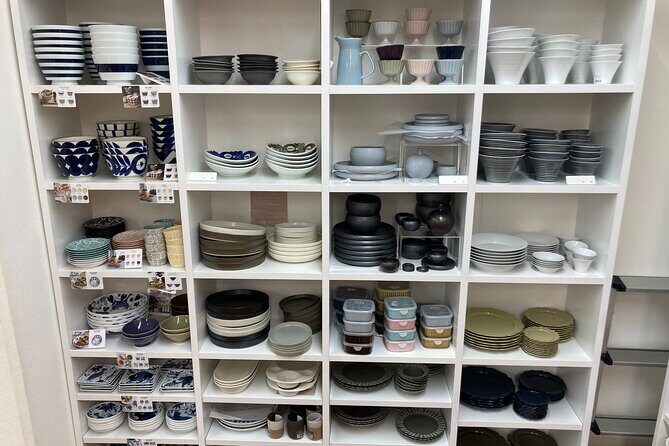
Arita Sera is one of the longer commercial stops, and that length is a gift. It’s here that you’ll likely spend real time comparing pieces and deciding what you want to carry home.
The big advantage: you’re not just picking a random shop. The stop is designed for selection, and the whole premise is making it easier to match the right ceramics to your preferences. That matters because pottery can look similar at a glance, but glaze color, shape, and finishing details tell you what you’re really buying.
How to make this efficient: set yourself a small checklist before you arrive (for example, cups vs. plates, everyday use vs. display, and what budget you’re comfortable with). Two hours is plenty, but only if you have a plan.
Stop 6: Arita Porcelain Park — 45 minutes
Arita Porcelain Park borders Nagasaki so closely that the region can feel like one continuous ceramics zone. You’ll get a sense of how Arita fits into the broader Kyushu ceramics map, not as an island, but as a neighbor to other craft areas.
This stop works well if you like strolling. It gives you time to look at the wider pottery culture around you instead of only inside specific stores.
Stop 7: Ceramics Park (Yakimono Kouen, Hasami area) — 30 minutes
Ceramics Park in Hasami is a shorter stop, but it’s positioned well: you’ll see another layer of ceramics identity in a town surrounded by mountains and rolling hills of greenery. Hasami is described as a town with a population around 15,000, and that size shows up in the feel of the visit—more local rhythm, less big-city production energy.
What you’ll get here: more ceramic variety and another chance to spot visual patterns you’ll recognize later when shopping or comparing purchases.
Green Tea Heritage Around Ureshino: Museums, Producers, and a First-Tea Site
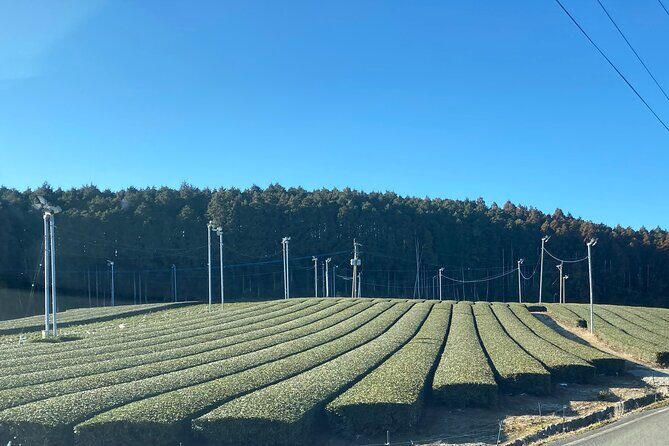
After ceramics, the tour shifts gears to green tea culture in Saga Prefecture, especially around Ureshino. This section is great if you love food history, plant-based traditions, or you just want a reason to stop and smell what you’re drinking.
Stop 8: Ureshino Tea Exchange Museum: Chaoshiru — 45 minutes
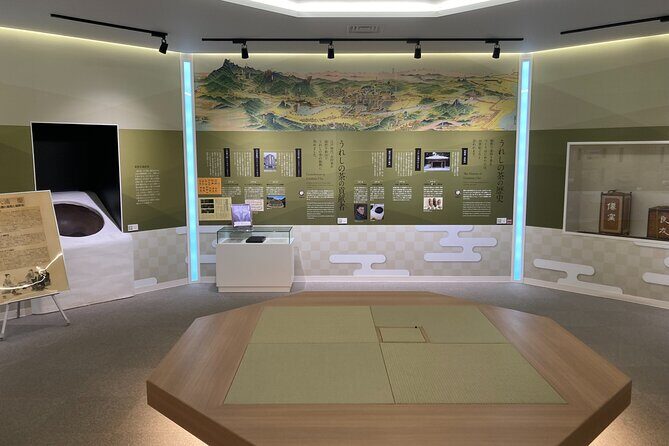
Chaoshiru is a tea-focused museum, and it’s built for understanding. Green tea gets explained in terms of why it’s valued, and the museum setting helps you connect health talk to actual tea culture rather than leaving it as vague wellness marketing.
This stop is also a good pacing reset after ceramics. Museum time in a tea setting feels calmer and gives you a break for your eyes after lots of shop displays.
Stop 9: Tokunaga Seicha — 30 minutes
At Tokunaga Seicha, you meet the wife of the owner of a speciality tea producer from the region. She’s described as a tea sommelier originally from Europe, and she guides you through the intricate details of tea characteristics and what to look for.
Even if you’re not a tea expert, this kind of guided explanation makes tasting and choosing easier. You’re learning how to think, not just what to drink.
Practical note: tea producers can make excellent souvenirs, especially if you want something consumable and easy to pack compared to fragile ceramics.
Stop 10: Site of Japan’s First Ureshino Tea — 15 minutes
This final tea stop is short: the site tied to the origins of Ureshino’s first green tea, marked by a giant tree in rural Saga. It gives the day an ending that feels grounded in place and time, not just commerce.
If you like “origin stories,” you’ll appreciate this last moment. If you prefer shopping over history, keep your expectations realistic—this is more about significance than buying.
Lunch, Snacks, Water, and the Day’s Real Pace
Food on a rural route can make or break a long day, and this tour handles it well. Lunch is included, either as a sit-down meal or something on the go, with options described as Japanese or Western. Plus, snacks are carried onboard and at certain picnic-like spots, and you get bottled water (sparkling and still) during the day.
That means you can focus on ceramics and tea without constantly adjusting your schedule to find food. It also helps if you’re doing serious shopping—your energy stays stable, and you’re less likely to rush decisions.
The pace is also more reasonable than it first sounds. Yes, it’s 10 to 11 hours, but only about 3 hours are dedicated to traveling between attractions. The rest of your time is spent at stops, so you’re not trapped in traffic the whole day.
Price and Logistics: Is This $716.68 Private Tour Good Value?
The price is listed as $716.68 per group (up to 3). That sounds high until you remember it’s a private full-day route with pickup offered, onboard WiFi, air-conditioned transportation, parking fees, and included meals and water.
For value, the key question is whether you’re the kind of traveler who will use the structure. If you want multiple ceramics stops plus museum time plus a dedicated tea sequence, this format saves you from stitching together buses, tickets, and routing on your own.
It’s especially strong if you’re traveling as a duo or trio where tastes differ. One person can geek out on porcelain and stores while another leans into tea museums and producer guidance—this itinerary is built to support both.
Potential drawback on value: if you only want one or two ceramics stops and zero interest in tea, you may feel the day is more than you need. But if ceramics and green tea both matter to you, you’re getting a lot of scheduled attention for one day.
What to Buy Without Regretting It Later
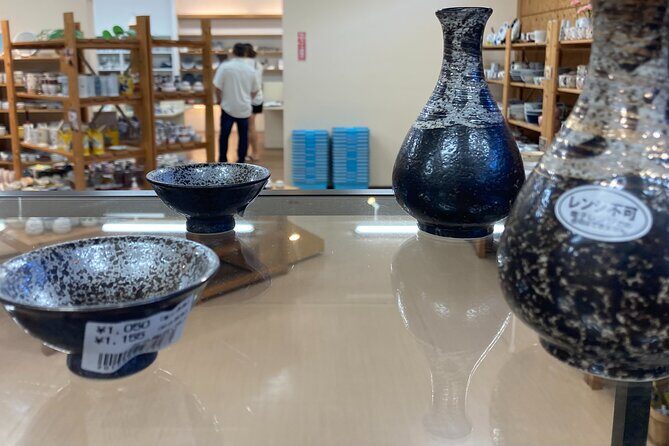
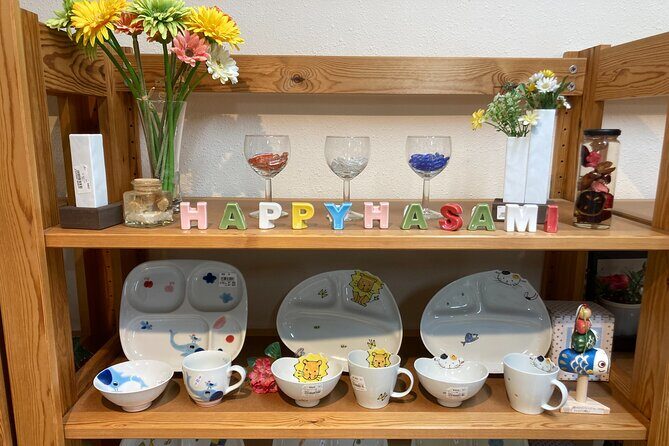
Here’s the honest part: buying ceramics can be fun and stressful at the same time. You need to look closely, and you need to consider how you’ll pack it and how you’ll actually use it.
This itinerary helps you do better choosing because it gives you time in multiple contexts:
- start with a pottery village to see styles
- learn at a museum so you can name what you like
- spend two hours in Arita Sera where selection is the point
- finish with parks and additional stops so you keep comparing
Packing strategy for your day: decide early whether you’re buying everyday pieces or display pieces. That affects how many you can comfortably bring home. Also, if you do buy something fragile, plan to keep it protected on the ride back to Fukuoka.
If tea is your souvenir lane, the producer stop and the tea museum give you enough grounding to shop with confidence. You’ll have learned what characteristics matter, so it’s easier to choose what fits your preferences.
Should You Book This Ceramics and Green Tea Tour?
Book it if you want a structured, private day through Kyushu that treats both crafts seriously. I think it’s a great fit for couples and small groups where interests split—ceramics lovers get enough time to shop and compare, and green tea fans get producer guidance and tea heritage stops. The included museum time and the tea sommelier-style explanation also make the experience feel more than a sightseeing checklist.
Skip it or reconsider if you’re short on time, hate long days, or only care about one half of the theme. And remember the weather dependency: it’s not the kind of tour you want to book as a last-ditch backup on a rainy schedule.
If you’re excited by the idea of porcelain origins in Arita and the story of Ureshino tea, this one makes a lot of sense.
FAQ
How long is the Ceramics and Green Tea tour?
It runs about 10 to 11 hours, with roughly 3 hours traveling between attractions.
What’s included in the tour besides the visits?
The tour includes lunch, snacks, bottled water (sparkling and still), an air-conditioned vehicle, WiFi on board, and parking fees.
Are any tickets included?
Yes. The Kyushu Ceramic Museum admission is included, while several other stops list admission tickets as free.
Is pickup available?
Pickup is offered, and the tour uses a private transportation setup.
What group size is this tour for?
It’s a private tour with only your group participating, priced per group up to 3 people.
What happens if weather is poor?
The tour requires good weather. If it’s canceled due to poor weather, you’ll be offered a different date or a full refund.