REVIEW · OSAKA PREFECTURE
Osaka Sushi Cooking Class
Book on Viator →Operated by MatchaExperience Osaka · Bookable on Viator
Fresh sushi comes from practice.
This Osaka Sushi Cooking Class turns a simple meal into real skill, fast. I especially like the hands-on flow—roll maki and shape nigiri—and the small group vibe that keeps things moving.
You’ll also get clear, practical coaching from Kazuki Harada, the kind of instructor who helps you fix mistakes on the spot. And you finish with a plate of what you made, so the class feels useful the moment you leave.
One thing to consider: at about 1 hour 30 minutes, you won’t become a full-on sushi chef. You’ll learn the basics and improve your technique, but it’s still a quick lesson.
In This Review
- Quick Highlights
- Why This 90-Minute Sushi Class Feels Worth It in Osaka
- Meeting Point in Suita: Easy Start, No Mystery
- Sushi Basics: Learning the Parts That Make the Whole Thing Work
- Nigiri Sushi: Shaping Rice and Placing Toppings With Confidence
- Maki Rolls: Rolling With Better Technique (Not Just Guesswork)
- Flavor Enhancements: Wasabi, Soy Sauce, and Pickled Ginger Done Right
- Tea, Tasting, and Sharing: Eating the Evidence
- What’s Included (And What You’ll Need to Budget For)
- Who This Sushi Class Fits Best (And Who Should Skip It)
- Should You Book This Osaka Sushi Class?
- FAQ
- FAQ
- How long is the Osaka sushi cooking class?
- Where is the meeting point?
- How much does the class cost?
- What’s included in the class?
- Is alcohol included?
- What will I learn and make during the class?
- How big is the group?
- What is the cancellation policy?
Quick Highlights
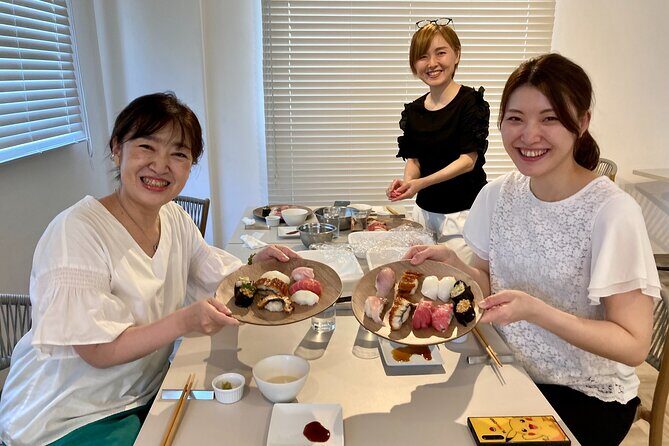
- Small group (max 8) keeps attention on you and your rolling technique
- Chef-led practice covers sushi building blocks, plus nigiri and maki
- Real flavor talk: wasabi, soy sauce, and pickled ginger, explained for better balance
- You eat your own work—a tasting plate of self-made nigiri and maki
- Included basics like green tea, water, ingredients, and equipment
Why This 90-Minute Sushi Class Feels Worth It in Osaka

If you’re in Osaka and want something more fun than another photo stop, this class is a great move. It’s short, structured, and focused on the skills that actually matter when you’re making sushi at home.
I like that it starts with the essentials first—rice, seaweed, fillings, and condiments—because sushi is all about balance. Then it gives you time to do the work, not just watch.
Price matters too. At $78.04 per person for roughly 1 hour 30 minutes, you’re paying for instruction, ingredients, and equipment, plus the chance to eat what you made. For a hands-on food class in Japan, that’s a solid way to get value without needing a full afternoon.
The real payoff is confidence. You don’t leave with vague tips. You leave with repeatable steps you can try again.
You can also read our reviews of more tours and experiences in Osaka Prefecture.


Meeting Point in Suita: Easy Start, No Mystery
The class meets at 3-chōme-35-5 Tarumichō, Suita, Osaka 564-0062, Japan. It also ends back at the same place, so you don’t have to plan extra transit for the last leg.
It’s described as being near public transportation, which is exactly what you want in Osaka. If you’ve ever spent your energy figuring out the right street instead of enjoying your day, you’ll appreciate that this part is meant to be straightforward.
Also, you get a mobile ticket. That removes one small hassle before you even get started. When you’re booking multiple activities, it helps to keep the logistics light.
Finally, the group size cap of up to 8 travelers matters more than people think. In a cooking class, attention is the difference between learning and just getting a meal.
Sushi Basics: Learning the Parts That Make the Whole Thing Work
The class begins with a warm welcome and an overview of what you’ll do. Then you jump into sushi basics, which is the smart foundation if you’re new.
Here’s what you can expect to cover:
- Rice: the “base” that determines texture and stickiness
- Seaweed: how it behaves when paired with fillings
- Fillings and condiments: what works together and why
Even if you already like sushi, this segment helps you understand what you’re tasting. Sushi isn’t only about fish or presentation. It’s about how each component contributes a specific role.
You’ll hear practical reasoning behind each element. That makes it easier to adjust at home—like when your rice feels off, or when your roll doesn’t hold the shape.
This is also where a good instructor can save you time. Instead of trial-and-error forever, you learn the key checkpoints early.
Nigiri Sushi: Shaping Rice and Placing Toppings With Confidence
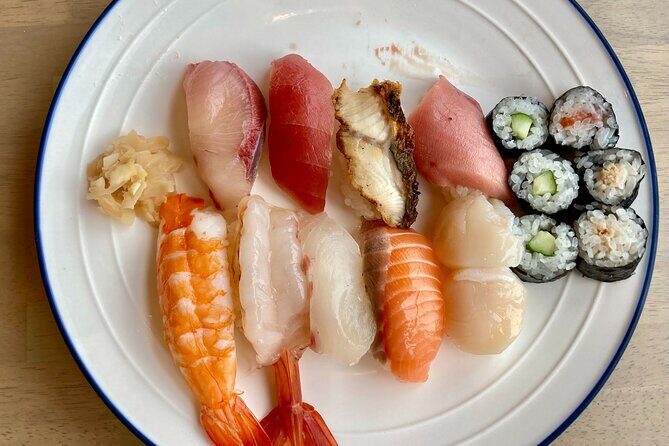
After the basics, the class shifts into Nigiri sushi. This is the classic style where the technique is simple in concept but tricky in execution.
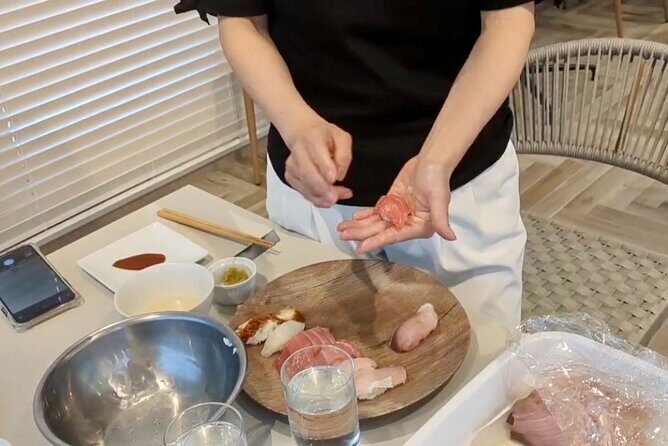
You’ll be shown how to shape the rice, then how to place toppings on top. The guide’s job here is to help you get the right feel without overcomplicating it.
This is where I think beginners benefit the most. Nigiri gives you a clear target: rice form, topping placement, then balance. If you learn those steps, you can reproduce them later.
And if you’re already a sushi fan, you’ll notice what your restaurant nigiri probably has in common. The rice texture matters. The topping placement matters. The combo should feel intentional, not just piled on.
In a short class, that focus is huge. You’re not juggling ten techniques at once. You’re learning one core method, then moving on.
Maki Rolls: Rolling With Better Technique (Not Just Guesswork)
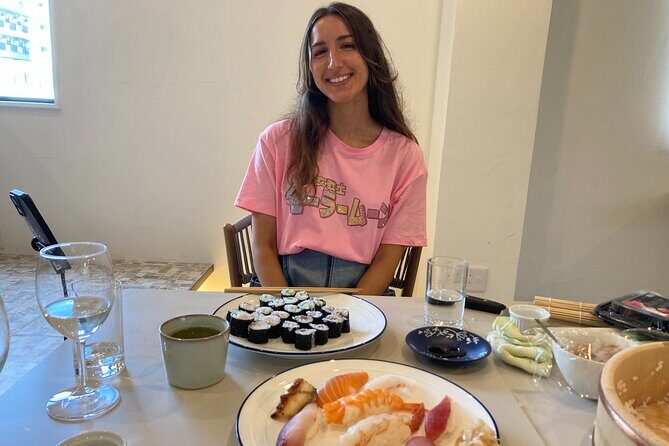
Next comes maki roll crafting. This is the section many people look forward to, because it feels creative—choose fillings, then make it into a neat roll.
But maki has its own logic. Rolling affects everything:
- how tightly it holds
- how evenly it slices
- how the fillings distribute
You’ll get guidance through the rolling process and make your own rolls with your chosen fillings. The instructor helps you troubleshoot while you’re doing it, which is the best time to learn.
One practical tip you’ll likely appreciate: when you roll, you’re working on consistency. If your pressure is uneven or your alignment slips, the roll won’t slice cleanly. The class format helps you correct that in real time.
This is also where a small group matters. If there were 20 people, you’d spend half your time waiting. With a maximum of 8, you’re more likely to get help when you need it.






Flavor Enhancements: Wasabi, Soy Sauce, and Pickled Ginger Done Right
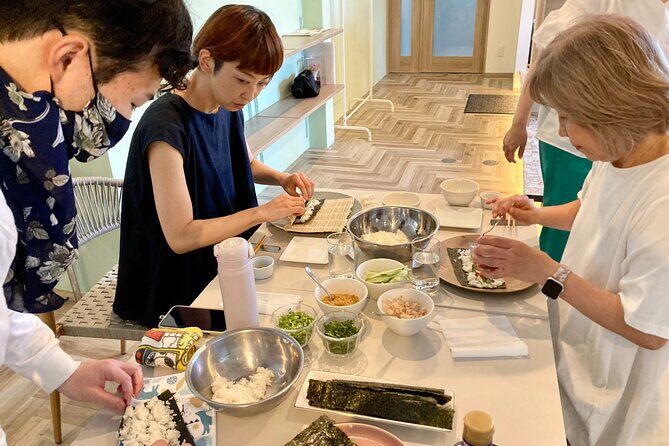
The class doesn’t stop at making sushi. It also covers flavor enhancements, which is where a lot of home sushi attempts fail.
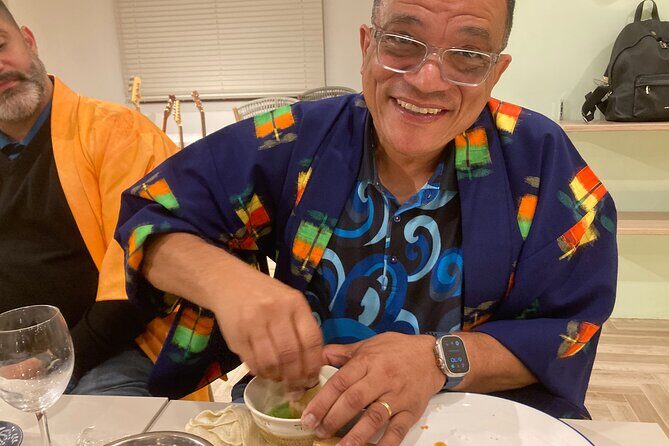
You’ll learn about wasabi, soy sauce, and pickled ginger—and how they work with the flavors you’ve built. Instead of treating condiments like an afterthought, you’ll understand their role.
This matters because sushi is delicate. If you use too much sauce, you can overpower everything. If you skip pickled ginger, you might lose that palate reset that makes each bite feel distinct.
The goal isn’t to use less. It’s to use them with intention. When your flavors make sense together, even basic nigiri or a simple roll tastes more like sushi and less like a rice-and-seaweed project.
Tea, Tasting, and Sharing: Eating the Evidence
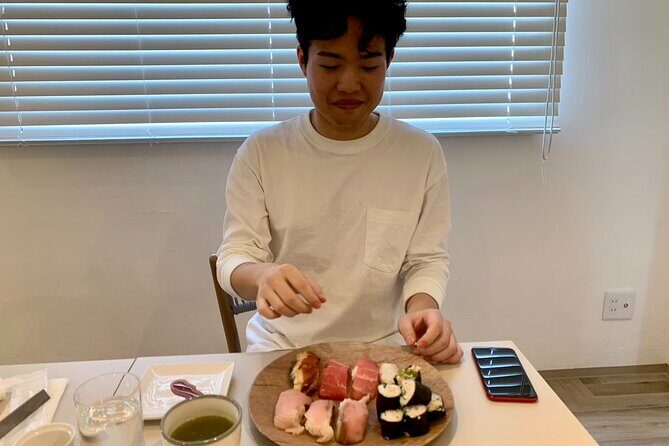
By the end, it’s tasting time. You sample your creations and share your thoughts as a final checkpoint.
The key detail: you’ll taste a plate of self-made nigiri and maki. That’s not just a nice finish. It’s how you learn.
When you eat what you made, you can connect the technique to the result. Your rice shape. Your topping placement. Your roll tightness. All of it becomes clear in one bite.
And because you’re given green tea (and water), the tasting feels comfortable. Tea is a steady companion to sushi flavor, and it helps you focus on texture and balance.
One more perk: sharing the experience with a small group is naturally low-pressure. You’re not being graded; you’re learning. And that keeps the mood light.
What’s Included (And What You’ll Need to Budget For)
Here’s what comes with the class:
- Water and green tea
- Ingredients
- Equipment
- Green tea (again listed, but yes, you’ll have it during the class)
What’s not included:
- Alcoholic beverages, such as sake or beer
So if you plan to pair your meal with a drink, plan for that separately. Some people love a sake break while cooking. Others prefer to keep it simple and just focus on the technique.
The value question is really about what you’re paying for. At $78.04, you’re covering chef instruction, ingredients, and equipment. For a hands-on lesson that ends with you eating what you made, that price feels reasonable—especially since the class is capped at 8 people, which usually means more individual attention.
Who This Sushi Class Fits Best (And Who Should Skip It)
This class works well if:
- you’re in Osaka and want a meaningful food activity
- you’re a beginner who wants a structured start
- you like sushi and want to understand what makes it work
It’s also a good pick if you want something lighter than a full-day tour. With an approximate 1 hour 30 minutes, it’s easy to slot into your schedule without draining the rest of your day.
Who might want to skip it? If you’re expecting a long, multi-lesson deep training program, you might feel rushed. This is a fast class built for quick skill building, not an advanced course.
Also, if you’re hoping for an alcohol-forward experience, that’s not part of what’s included here.
Should You Book This Osaka Sushi Class?
Yes, if your goal is practical sushi skills and you want to leave with something you can actually repeat at home. The format is built for quick learning: basics first, then nigiri and maki practice, then a tasting so you can connect technique to flavor.
If you’re the type who likes structured, chef-led guidance, this fits your style. And with a maximum of 8, you’re more likely to get real help instead of just watching other people work.
Book it especially if you want a fun, authentic Osaka food experience that doesn’t require advanced cooking knowledge. You’ll walk away with confidence, a plate of sushi you made, and enough know-how to impress friends and family without sounding like you studied sushi in a secret ninja dojo.
FAQ
FAQ
How long is the Osaka sushi cooking class?
It’s about 1 hour 30 minutes (approx.).
Where is the meeting point?
The class starts at 3-chōme-35-5 Tarumichō, Suita, Osaka 564-0062, Japan.
How much does the class cost?
The price is $78.04 per person.
What’s included in the class?
It includes water and green tea, plus ingredients and equipment.
Is alcohol included?
No. Alcoholic beverages are not included.
What will I learn and make during the class?
You’ll learn sushi basics, then make Nigiri and Maki. You’ll also taste a plate of self-made nigiri and maki.
How big is the group?
The activity has a maximum of 8 travelers.
What is the cancellation policy?
You can cancel for a full refund if you cancel at least 24 hours before the experience’s start time.