REVIEW · KYOTO
Kyoto: Matcha & Traditional Japanese Music Immersive Experience
Book on Viator →Operated by Tea House Labo · Bookable on Viator
Kyoto can be loud. Tonight, it gets gentle. This koto-and-violin concert mixes traditional Japanese melodies with anime and game music in a way that stays musical, not gimmicky. You also get a chance to try the koto yourself, guided by performers who clearly love the craft.
What I love most is how the program holds two threads at once: elegant classical-style playing and familiar modern tunes. I also like the artist interaction after the performance, because you leave with practical context, not just sound. The main thing to consider is the price: at $850 per person, you’ll want to be sure live music plus hands-on instrument time is your thing before you book.
In This Review
- Key Highlights You Should Care About
- Koto Meets Violin at Suzaku Garden
- Inside the Live Performance: Traditional Tunes, Modern Familiarity
- The Koto Experience: You Don’t Just Watch
- Tea Rooms and Traditional Spaces at the Venue
- Artist Interaction After the Show: Questions That Actually Help
- Matcha Snacks and Food on Site
- Price and Value: Is $850 Worth It?
- Timing, Tickets, and Getting There Without Stress
- Who Should Book This Experience
- Should You Book? My Straight Answer
- FAQ
- How long is the Kyoto matcha and music experience?
- What music and instruments are included?
- Do I get to play the koto?
- Is matcha included?
- Are meals included?
- Is transportation included?
- What’s included besides food?
- Is there free cancellation?
Key Highlights You Should Care About
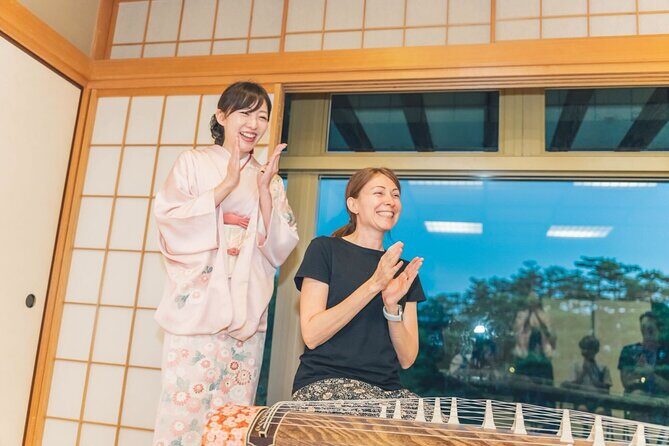
- Koto + violin pairing with both traditional melodies and anime/game arrangements
- Try the koto yourself with guidance, so you’re not just watching
- Tea-room and traditional spaces to slow down before or after the show
- Meet the artists afterward and ask what matters to you about the instruments and training
- Matcha snacks included to tie the music session to Kyoto flavors
Koto Meets Violin at Suzaku Garden
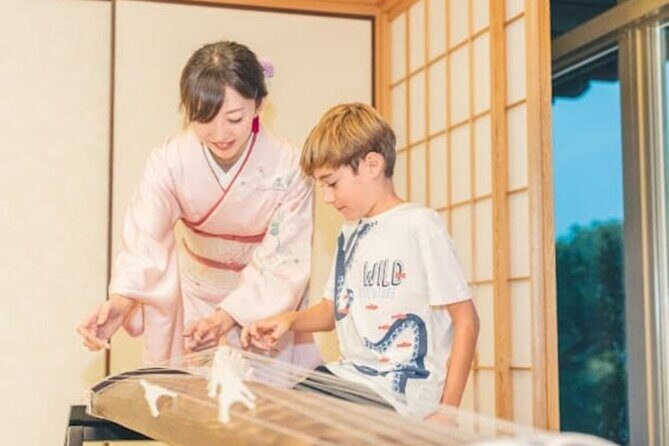
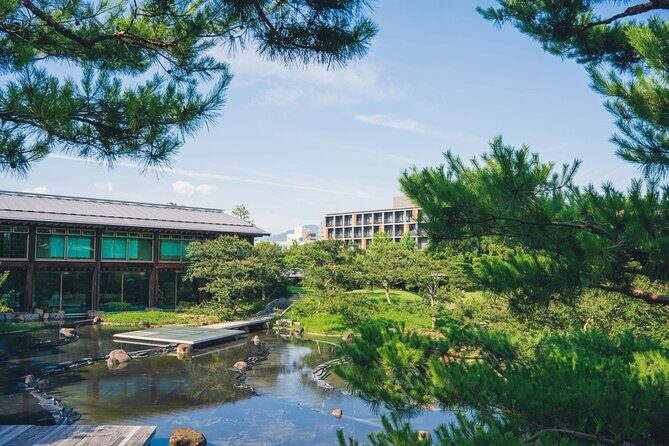
This experience takes place at Suzaku Garden, in an indoor setting designed for listening and close contact. The concept is simple: you’ll hear a live performance featuring the koto and Western-style violin side by side. That pairing matters. The koto’s sound is light and precise, while the violin carries emotion and momentum. Put them together and you get a balanced show—thin, clean notes meeting louder, expressive phrases.
What really makes it fun is the music range. You’re not stuck in one lane. The performance can include traditional Japanese pieces, plus anime and game melodies, along with original arrangements. So if you’re coming because you like Japanese music in general, it still works. If you’re coming because you want something approachable that doesn’t require a background in traditional instruments, this format helps.
And yes, you can expect it to feel curated for real attention. This is not a “pass through and take selfies” kind of stop. It’s set up like a concert where you can hear the instrument details: finger work, note changes, and how the melodies shift between genres.
You can also read our reviews of more tours and experiences in Kyoto.


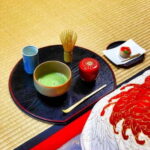
Inside the Live Performance: Traditional Tunes, Modern Familiarity
During the concert, the focus stays on the instruments. The koto and violin perform together through a set that blends traditional Japanese lines with modern pop culture references like anime and game themes. When that works well, it creates a bridge: you recognize the melody shape from the modern material, then you hear how the koto reshapes it.
Here’s what I think you should listen for:
- How the violin carries the “story” of a tune while the koto colors it from underneath.
- Moments where the melody turns more traditional in phrasing, even if the tune started as something from games or shows.
- The way the arrangement changes the mood. The same theme can feel calm, playful, or dramatic depending on how the koto phrases it.
It’s also worth noting that the music includes original arrangements, not only covers. That tends to be where the show becomes more than background entertainment. You’re hearing artists make choices, not just replay something you’ve already heard a hundred times online.
The Koto Experience: You Don’t Just Watch
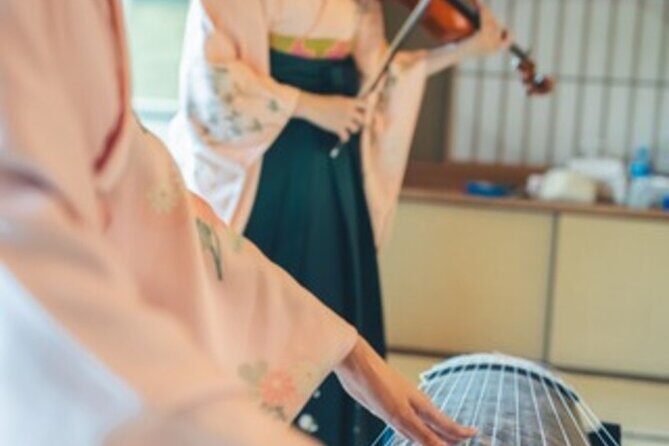
One of the biggest reasons I’d recommend this is the hands-on component. After the performance, you get access to a koto experience. You’re guided by the musicians, and you have a chance to play the instrument.
This isn’t “everyone in the room tries for ten seconds” chaos. The experience is described as guided access, which usually means you’ll get at least some instruction on how the koto is played and how to produce sound safely and correctly. Even if you only manage a simple phrase, you’ll understand what makes the instrument tricky in a way you couldn’t from listening alone.
Why that matters: the koto is all about controlled touch—how you pluck and how you let notes ring. When you attempt it, you start hearing the difference between a performance that sounds polished and one that’s just technically correct. Your ears wake up fast.
If you’re the kind of person who likes to do one practical thing in every city—cook, write, carve, learn a craft—this fits that style neatly.
Tea Rooms and Traditional Spaces at the Venue
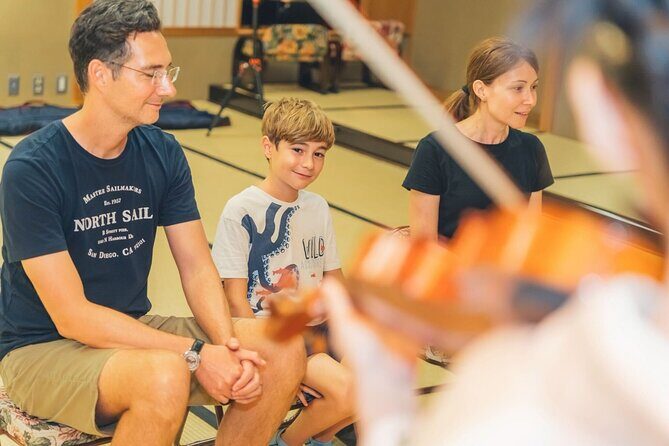
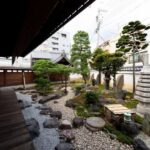
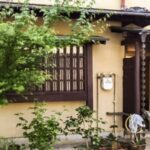
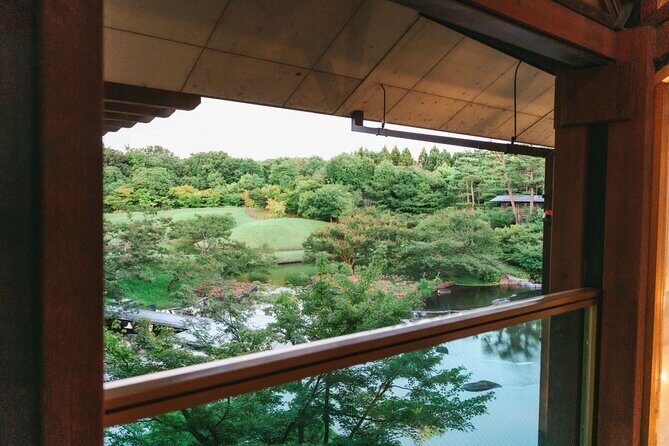
Before and/or after the concert, you’ll explore serene tea rooms and other traditional Japanese-style spaces inside the venue. This is a real break from the “constant moving” feeling that can take over in Kyoto.
For me, the value here is pacing. You get a chance to reset your brain with quiet architecture and calm corners, instead of rushing from shrine to shrine. Even if you’re not a tea expert, the spaces themselves support the mood of the music. Think of it as setting the right atmosphere for what you came to hear.
You should plan to take your time walking through these areas. No one benefits from treating it like a checklist. Sit for a minute, look at details, and let the sounds from the performance settle in your head before you move on.
Artist Interaction After the Show: Questions That Actually Help
After the concert, you get to meet and interact with the artists. This is one of the most praised parts of the experience, and for good reason. Live music can be impressive, but it’s the conversation that turns impression into understanding.
From the information shared about the performers, these are young, passionate musicians who have been training from childhood. That detail matters because it explains the level of control you’ll hear. When you ask questions afterward—what they practiced, what’s hard about the koto, how they approach arrangements—you’re not just hearing a story. You’re getting insight into the work behind the sound.
I’d recommend you come ready with one or two simple questions:
- What makes a koto part feel traditional versus modern?
- How do they prepare for a set that mixes genres?
- What should first-time listeners focus on while they play?
If you do that, the interaction becomes useful, not just polite.



Matcha Snacks and Food on Site
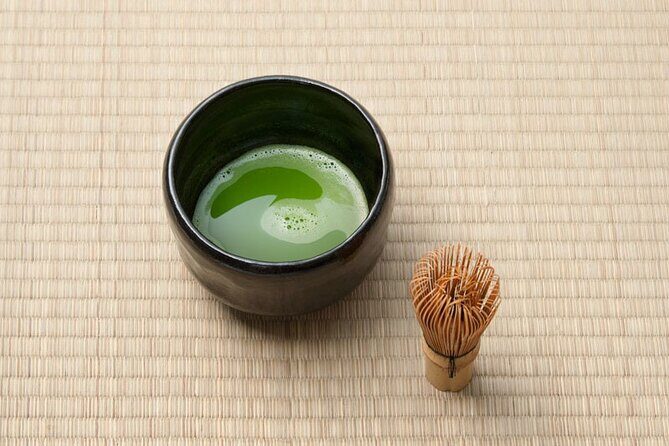
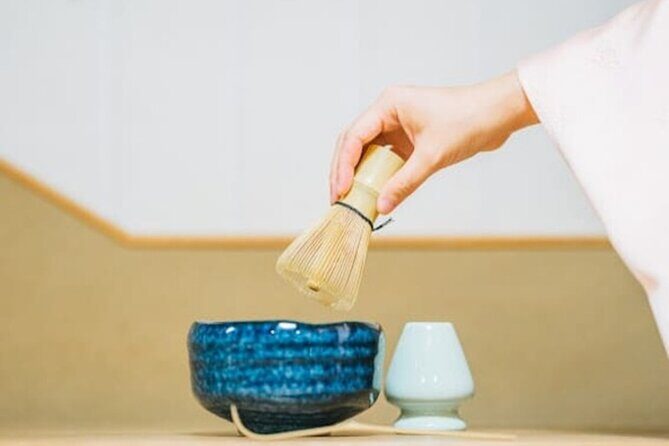
You’ll receive matcha (green tea) snacks included with the experience. That’s a small detail, but it adds cohesion. In Kyoto, food and drink often help you slow down and pay attention. Here, the matcha ties into the tea-room setting and the traditional feel of the session.
Meals are not included. The good news: there’s a café and restaurant on the first floor of the venue. So if you’re hungry before or after your time slot, you won’t be stranded. Just don’t count on this experience to be your full meal plan.
Practical tip: if you have a tight schedule that day, check nearby food options around your concert time too. You’ll have a better buffer.
Price and Value: Is $850 Worth It?
Let’s talk about the elephant in the room: $850 per person is not a casual splurge. So what does that price buy you that you can’t easily get elsewhere?
You’re paying for four things, bundled together:
- A live indoor concert featuring koto and violin with traditional music plus anime/game melodies.
- A guided chance to play the koto, not just watch.
- Time in tea rooms and traditional spaces inside the venue.
- Direct interaction with the musicians after the show.
If you love music, hands-on cultural experiences, and you’re the type who enjoys asking questions, this can feel worth it. If you only want to listen and you don’t care about playing an instrument, the price may feel steep.
The value gets stronger if:
- You’re traveling with someone who also likes learning, not only sightseeing.
- You want a Kyoto evening that’s calm and indoor, with a clear start and finish.
- You’re trying to balance mainstream familiarity (anime/game tunes) with authentic technique (koto/violin).
If you’re budget-first, you’ll likely find plenty of free or cheaper musical events in Kyoto. But if this is the one structured, guided, musician-interaction experience you want, the set of included elements makes the cost easier to justify.
Timing, Tickets, and Getting There Without Stress
This experience runs about 1 hour to 1 hour 20 minutes. That length is convenient. It’s long enough to feel like a real event, but short enough that you can still plan dinner afterward.
You get a mobile ticket, and you should be able to locate the venue easily because it’s near public transportation. Private transportation is not included, so plan on using transit or walking from nearby stops.
Confirmation is handled after booking, with faster turnaround unless you book within 2 days of travel. For you, the takeaway is simple: once you book, keep an eye out for your confirmation and keep your mobile ticket ready so you’re not scrambling on arrival.
Who Should Book This Experience
This tour fits best if you:
- Want an evening activity that combines music and hands-on learning
- Like both traditional Japanese sound and modern familiar tunes like anime and games
- Enjoy meeting artists and getting answers in person
- Prefer an indoor, structured program in Kyoto
It may not fit as well if you:
- Only want a “look and go” experience with zero participation
- Are extremely price sensitive
- Are expecting outdoor sightseeing or major walking routes during the activity
Should You Book? My Straight Answer
If you’re drawn to the koto and violin sound and you’d actually like to try the instrument, I think this is a booking worth considering. The hands-on koto time plus the post-show artist interaction are the parts that most often make people feel the experience was more than just a concert.
On the other hand, at $850 per person, I’d book with intention. Make sure you care about live traditional-instrument performance, genre-mixing (traditional plus anime/game), and a guided learning moment.
If that’s your vibe, go for it. Kyoto has lots of “see everything” energy. This gives you a quieter kind of attention—one that you can hear, learn, and remember.
FAQ
How long is the Kyoto matcha and music experience?
It runs about 1 hour to 1 hour 20 minutes.
What music and instruments are included?
You’ll see a live indoor performance featuring koto and violin, with music that can include traditional Japanese tunes and anime/game melodies, plus original arrangements.
Do I get to play the koto?
Yes. The experience includes a koto experience where you can play the instrument with guidance from the musicians.
Is matcha included?
Yes. Matcha (green tea) snacks are included.
Are meals included?
No meals are included, but there is a café and restaurant on the first floor of the venue.
Is transportation included?
No. Private transportation is not included, but the venue is near public transportation.
What’s included besides food?
The listed inclusions are a restroom on board and the matcha snacks.
Is there free cancellation?
Yes. You can cancel for a full refund up to 24 hours before the experience’s start time.