REVIEW · OSAKA PREFECTURE
Cook Homestyle Ramen and Gyoza from scratch
Book on Viator →Operated by Japanese Cooking Studio -WA- · Bookable on Viator
Cooking ramen is easier than you think.
In Osaka, this class turns homemade chicken ramen into a step-by-step, hands-on skill, not a show you observe. You’ll be mixing ingredients, shaping toppings, and building flavor so you can repeat it later.
I really like that you’re not left with vague instructions. Seiki’s focus on practical ramen technique and ingredient prep means you’ll understand what to do (and what to swap) when you cook at home, even abroad. One consideration: the experience is non-refundable, so plan your schedule carefully before you book.
In This Review
- Key things to know before you start cooking
- Finding the class: Senri-Chuo station to a home kitchen
- What you’ll actually cook: creamy ramen broth, toppings, and gyoza
- The ramen broth lesson: chicken flavor without instant stock
- Toppings and ramen garnishes: making a bowl feel finished
- Gyoza from scratch: skin, filling, wrapping, grilling
- How the lesson format works: demo, then hands-on cooking
- Small group energy: up to 5 people, lots of attention
- Price and value: why $78 can be worth it
- Timing realities: what a 10:00 am start means
- Who should book this ramen and gyoza class?
- Should you book this Osaka ramen-and-gyoza class?
- FAQ
- Where do I meet for the cooking class?
- What time does the class start?
- How long is the experience?
- What’s the class size?
- Do we make ramen broth and gyoza from scratch?
- Is the experience refundable?
Key things to know before you start cooking
- Small group size (up to 5) keeps the class personal and gives you time at the stove.
- Home-style chicken ramen broth in about 30 minutes uses no instant soup stock, so you learn the real method.
- Gyoza from scratch covers everything: skin, filling, wrapping, and grilling.
- Welcome tea and a sit-down meal turn the class into an actual eating experience, not just production.
- Recipe focus for home cooking and substitutions helps if Japanese ingredients are hard to find where you live.
Finding the class: Senri-Chuo station to a home kitchen
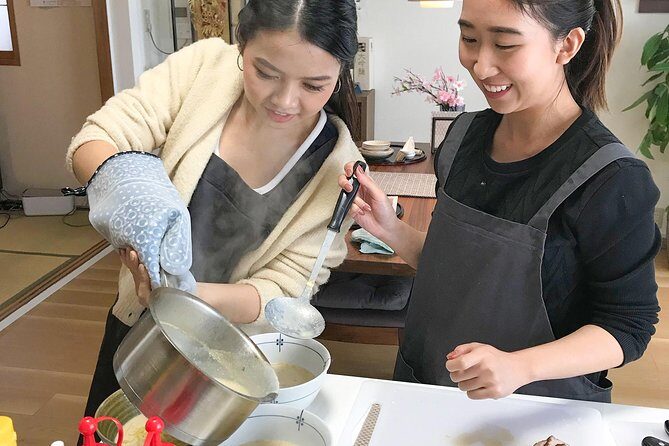
Your morning starts at Senri-Chuo1 Chome-3 Shinsenri Higashimachi, Toyonaka, Osaka, with the class beginning at 10:00 am. You’ll meet at Senri-Chuo station and walk a few minutes to the kitchen, which is a nice setup when you want to see a more local Osaka routine rather than a commercial cooking space.
The big advantage of a home-kitchen format is pacing. In a small room, you don’t waste time waiting for equipment or big-team staging. In my view, that’s part of why the class can cover ramen, toppings, and gyoza in about three hours without feeling rushed.
Do note the obvious tradeoff: it’s not a huge venue. If you don’t enjoy cramped kitchen logistics, you might want to mentally prepare for a more “busy home kitchen” feel.
You can also read our reviews of more tours and experiences in Osaka Prefecture.


What you’ll actually cook: creamy ramen broth, toppings, and gyoza
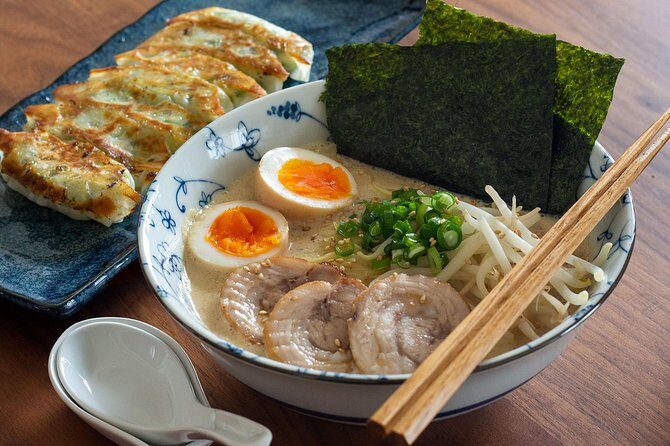
This isn’t a single-dish cooking class. You’ll build a whole ramen meal: broth, toppings, and sides—then finish with gyoza.
On the ramen side, you’ll prepare the ingredients needed to make the soup and garnishes. That includes learning basic Japanese ingredients so you can recognize what you’re using and why it works together. Then you’ll make a chicken-based broth that can be done within roughly 30 minutes without relying on instant stock.
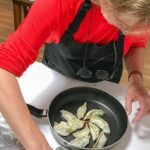
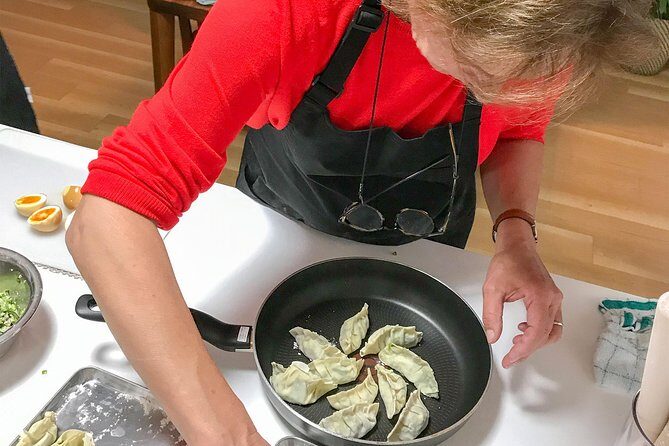
On the gyoza side, the class goes further than folding dumplings. You’ll learn to make the gyoza skin and the filling, wrap each gyoza, and grill them. That means you leave with a repeatable process, not just a finished plate.
The ramen broth lesson: chicken flavor without instant stock
The ramen broth is the heart of the class, and it’s also where you get practical technique. You’ll learn how to create a creamy home-style broth using chicken and build it quickly, targeting about 30 minutes even without instant soup stock.
Why that matters for you: instant products can teach you almost nothing about timing, texture, or how ingredients change as they cook. Here, the method is the lesson. You’ll get a sense of what the broth should look and feel like as it comes together, and that makes it far easier to cook again at home without needing the same packaged base.
Also, pay attention to how Seiki explains ingredients upfront with a clear breakdown. Even if you’re new to Japanese pantry items, you’re not guessing. You’re connecting each ingredient to a step and a result.
Toppings and ramen garnishes: making a bowl feel finished
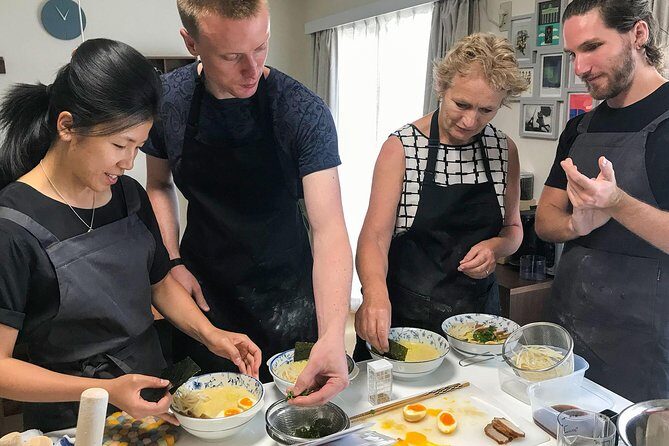
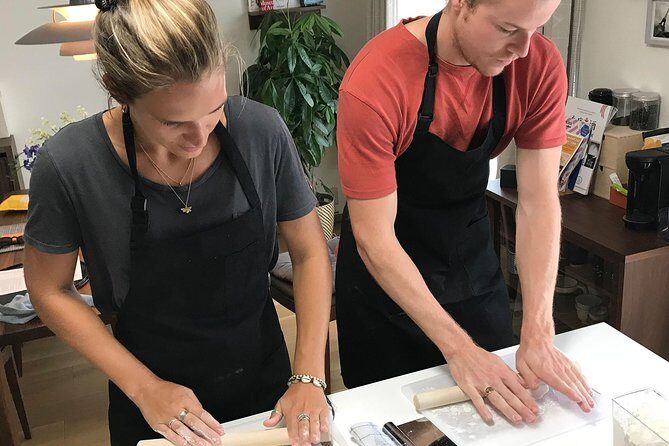
Ramen in Japan isn’t just noodles in broth. It’s layers. In this class, you’ll handle ramen garnishes like grilled pork and a seasoned egg, plus other toppings built to match that home-style bowl.
This section is where the class earns its value. Cooking the broth is one thing. But learning how toppings fit into flavor and timing is what turns your future “ramen night” from okay into convincing.
And since the class is designed for easy home replication, Seiki also focuses on ingredients that are better to use outside Japan when Japanese staples are hard to find. That’s a real help if you live in a country where certain products are expensive, seasonal, or unavailable.
Gyoza from scratch: skin, filling, wrapping, grilling
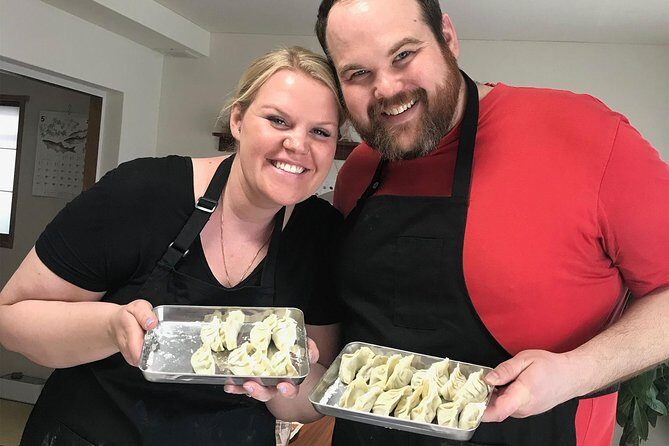
If you’ve ever bought gyoza and wondered what makes the wrapper different, this is the part you’ll remember. You’ll make gyoza skin and filling from scratch, then practice wrapping them properly.
The “from scratch” emphasis matters because gyoza is mostly technique. The wrapper thickness, the ratio and texture of the filling, and the fold all affect the bite. Even if your first batch isn’t perfect, you’ll learn what to adjust next time—because you’ll be working the process with your hands.
Then comes the final skill: grilling. This is where gyoza goes from dough-ball to dumpling with texture. You’ll see how heat changes the surface and how the grilled finish complements the juicy interior.
Also, since the group is small, you can ask questions during the hands-on portion instead of waiting until the end. In a cooking class, that’s a big deal.






How the lesson format works: demo, then hands-on cooking
The flow is straightforward: you’ll be welcomed, then you’ll learn the ingredients first. After that, Seiki demonstrates, and you cook together through the steps.
I like this structure because it reduces the usual “I watched, now what?” problem. You’re not just collecting tips; you’re doing the action while the method is fresh in your mind.
Before you start cooking, you’ll also get a welcome tea. It sounds small, but in a home setting it helps you shift into the lesson mood. It also buys you a few minutes to get settled and ask quick questions about ingredient prep.
Finally, after cooking, you’ll eat and enjoy chatting. That turns the class into a meal you participate in, not just labor.
Small group energy: up to 5 people, lots of attention
The experience caps at a maximum of five travelers, which is exactly the kind of ceiling that makes hands-on classes work. With fewer people, it’s easier to see what you’re doing, correct small mistakes early, and keep the pace moving.
This class also seems to work well with families and different age groups, based on what I appreciated in others’ experiences—kids can stay engaged when tasks are clear and interactive. Since the class is built around doing, not just listening, it naturally keeps attention when people have questions.
If you come with curiosity—how to roll, how to fold, why a step matters—you’ll get more out of it. The small group format rewards active participation.
Price and value: why $78 can be worth it
At $78 for about three hours, this isn’t the cheapest option, but it’s not overpriced for what you get. You’re paying for a home-kitchen teaching setup, time with an instructor, and the fact that you’re making multiple components from scratch: ramen broth + toppings + gyoza skin, filling, and grilling.
A lot of cooking classes focus on one dish. Here, your skill set expands fast. That means the value isn’t only in the meal you eat—it’s in what you can recreate later.
You also get something less common at this price point: a recipe approach meant to work at home, with guidance on ingredient substitutions if Japanese items are hard to source. If you cook after the trip, that substitution guidance can pay off again and again.
Timing realities: what a 10:00 am start means
A 10:00 am start is great if you like your travel day to run on a plan. You’ll get a focused activity in the morning, then have the rest of the day open for Osaka exploring.
The total time is about three hours, and the session ends back at the meeting point. That makes it simple to plan meals afterward—especially if you want to keep your day structured instead of improvising.
Because the class includes cooking, eating, and chatting, it’s not a quick snack. Go in hungry, but don’t show up starving. You’ll be busy enough that you’ll appreciate not rushing.
Who should book this ramen and gyoza class?
This class is a strong fit if you want ramen that’s more than a restaurant memory. If you care about learning the real broth process and building a bowl with proper toppings, you’ll enjoy how everything connects.
It also suits you if you want practical cooking skills you can repeat at home. The instruction is designed for replication, and Seiki specifically helps with ingredient substitutions for life abroad.
If you want a passive, sit-and-watch experience, you might find it too hands-on. But if you like rolling up your sleeves—mixing, folding, shaping, grilling—this is exactly the kind of class that stays with you.
Should you book this Osaka ramen-and-gyoza class?
I’d book it if you want a compact, hands-on lesson that covers both ramen and gyoza from scratch, with a method you can realistically repeat. The small group limit and the emphasis on making everything yourself are the real reasons this feels worth it.
Skip it only if your schedule is uncertain, because it’s non-refundable and cannot be changed. Also, if you know you dislike cooking in a home-kitchen setting, the intimate format could feel less comfortable than a large studio.
If you’re ready to learn the whole meal—broth, toppings, and gyoza—this class is an easy yes.
FAQ
Where do I meet for the cooking class?
You meet at Senri-Chuo station, and then you walk a few minutes to the home kitchen. The activity ends back at the meeting point.
What time does the class start?
The start time is 10:00 am.
How long is the experience?
It runs for about 3 hours.
What’s the class size?
The class has a maximum of 5 travelers.
Do we make ramen broth and gyoza from scratch?
Yes. You’ll make home-style creamy ramen broth from chicken (without instant soup stock) and also make gyoza from scratch, including the skin, filling, wrapping, and grilling.
Is the experience refundable?
No. It is non-refundable and cannot be changed for any reason.