REVIEW · NAHA
E-Bike Nature Tour in Shuri
Book on Viator →Operated by Discovery Bicycle Tours Okinawa / e-CHARIty Naha · Bookable on Viator
One easy ride, and suddenly Shuri feels close. I love how this tour mixes quiet nature spots with major Ryukyu landmarks, all on an e-bike that keeps the pace comfortable. You’ll also get the kind of small-group attention that makes questions easy—just note that a few sections involve water-side and rocky areas, so good shoes matter.
I also like the way the route is built around real neighborhoods, not just photo stops. You’ll pass residential streets with local life, then climb into Shuri Castle town for the ceremonial sights, and end with a fun downhill back toward Naha.
The main consideration: this is weather-dependent. If conditions are rough (or heavy rain probability is high), the plan can change and you’ll be contacted the day before.
In This Review
- Key takeaways before you pedal
- Getting your bearings in Naha (and why the meeting point helps)
- E-bike nature without the overexertion
- Stop-by-stop: what you’ll actually see and why it’s worth stopping
- e-CHARIty Naha Kokusai Street: start with gear, then hit the riverside
- Shurigibocho: stone steps and trees off the main flow
- Shuritobarucho: a spring where birds do the talking
- 1 Chome sweets shop: Ryukyu recipes traced through 7 generations
- Shureimon Gate: the vermilion ceremonial gate view
- Overlook descent: castle-town edges and the view over Naha
- Shrikinjocho Stone-Path Road: cobblestones, temples, and sacred corners
- e-CHARIty Naha Kokusai Street: finish strong with an exhilarating downhill
- The guides: what makes the experience feel smooth
- Value for money at $98.83: what you’re really paying for
- Who this tour is best for
- Weather, routing, and what you should wear
- Should you book the E-Bike Nature Tour in Shuri?
- FAQ
- How long is the e-bike tour in Shuri?
- How much does the tour cost per person?
- Where do I meet for the tour?
- What time does the tour start?
- What is included in the tour price?
- What should I wear and bring?
- Is the tour dependent on weather?
- Can I cancel for a refund?
- Are there child options?
Key takeaways before you pedal
- Small group size (max 5) means safer riding and more personal pace control
- Helmet intercom setup helps you hear the guide clearly while moving through streets
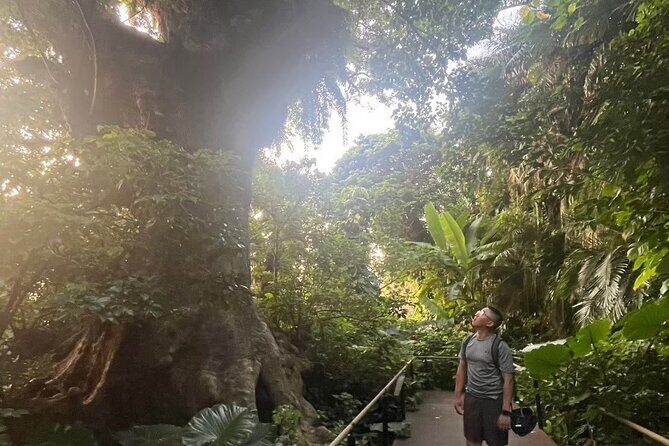
- Springs with bird activity give you a break from city noise and a different side of Shuri
- Ryukyu heritage stops blend gate views, stone paths, and a traditional sweets shop
- 3 hours is long enough to feel like a tour, short enough to still enjoy Naha after
Getting your bearings in Naha (and why the meeting point helps)
You start in central Naha, near the Makishi Monorail Station area. The shop is about a 1-minute walk from the monorail, so you don’t need to hunt around with complicated directions. Meeting at 10:00 am also helps you avoid the late-day rush, and it gives you time to keep exploring after the ride.
Right when you arrive, you’ll pick up the e-bike and get a quick safety briefing. This is not just about how to ride. It’s also about how the tour moves as a group—important when you’re threading through narrow streets, stone steps, and places where pedestrians pop up.
You can also read our reviews of more cycling tours in Naha


E-bike nature without the overexertion
The big value here is that you’re riding an e-bike, not a fitness challenge. The course includes hills and a return downhill that makes the whole experience feel like a smooth arc: effort up, breeze down.
You’ll get a cycling helmet with an intercom installed, which is a practical touch. Instead of constantly leaning in or trying to catch directions over street noise, the guide can communicate clearly as you roll. For anyone who’s nervous about group riding, that comfort matters.
You should still dress for movement. The tour includes water-side and rocky areas, and the advice is to wear athletic shoes or similar footwear and avoid high heels or sandals.
Stop-by-stop: what you’ll actually see and why it’s worth stopping
The course order can shift depending on road conditions and business hours. So think of this as a flow through Shuri and Naha rather than a rigid script.
e-CHARIty Naha Kokusai Street: start with gear, then hit the riverside
Your first stop is at e-CHARIty Naha Kokusai Street, very close to Makishi Monorail. After the intro, you’ll begin heading along the riverside, where you can see traditional and modern homes side by side. This is one of the best ways to “get” Okinawa’s mix: you’re not only looking at monuments; you’re seeing how people actually live around the water.
A simple but memorable moment: if you greet people you pass, you can get a warm response back. That small human contact is part of why I like this style of tour.
Shurigibocho: stone steps and trees off the main flow
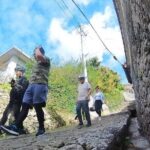
Just near the monorail running overhead, Shurigibocho feels like it slips away from the main streets. You’ll notice unexpected trees and stone steps that create a slower rhythm as you descend.
This stop works well because it’s not a huge landmark. It’s atmosphere. The combination of steps, greenery, and quiet makes the next parts of the Shuri story land better. It’s a good reset if you’re arriving to Okinawa with a “city brain” still on.





Shuritobarucho: a spring where birds do the talking
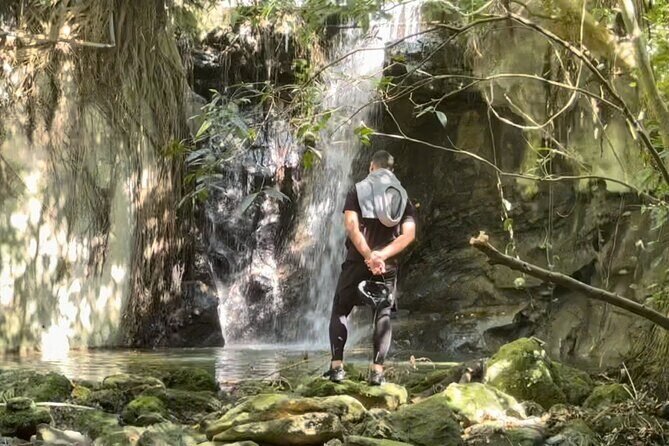
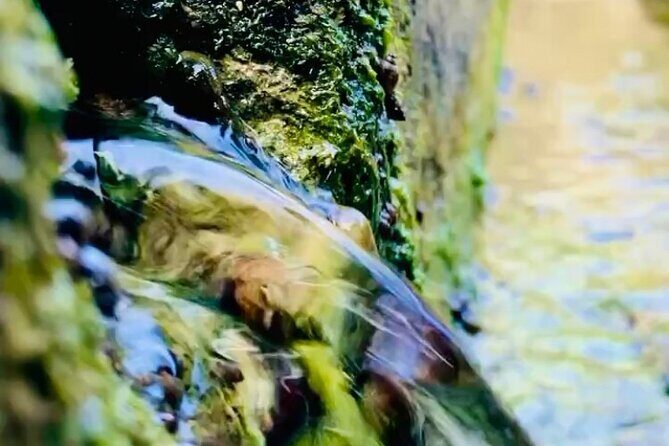
After residential lanes, you reach another spring area: Shuritobarucho. The highlight here is the idea of a miraculous spring where waterfowl gather from the depths of the forest.
What you’ll likely notice is how calm it feels once the group slows down. The tour description points to birdsong as the main soundtrack. Even if you don’t catch every bird moment, the setting gives you a clear contrast from street-level walking.
1 Chome sweets shop: Ryukyu recipes traced through 7 generations
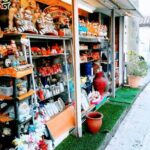
Next comes something tangible you can take home: a shop that preserves recipes passed down seven generations since the Ryukyu Kingdom era. You’ll see artisans handcraft traditional Ryukyu sweets with care.
This is a smart stop for two reasons. First, it breaks up the riding with a sensory moment—smell and texture, not just scenery. Second, sweets are a small, easy souvenir. If you like bringing something local back, this is where you’ll feel good spending time.
Shureimon Gate: the vermilion ceremonial gate view
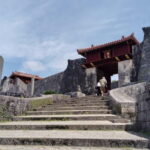
Then you reach Shureimon Gate, described as the ceremonial gate that symbolizes Okinawa. The color is striking—vermilion—and it’s known for balanced design.
Even if you’ve seen gates elsewhere, this one feels specific to Shuri’s setting. It’s also a great pause point in the tour because you can slow down, look around, and connect the geography to what you’ve heard from the guide.
This is one of the stops I’d call a “don’t rush it” moment. Give yourself time to look at the shape, the way the gate frames the approach, and how it sits within the castle-town streets.
Overlook descent: castle-town edges and the view over Naha
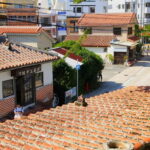
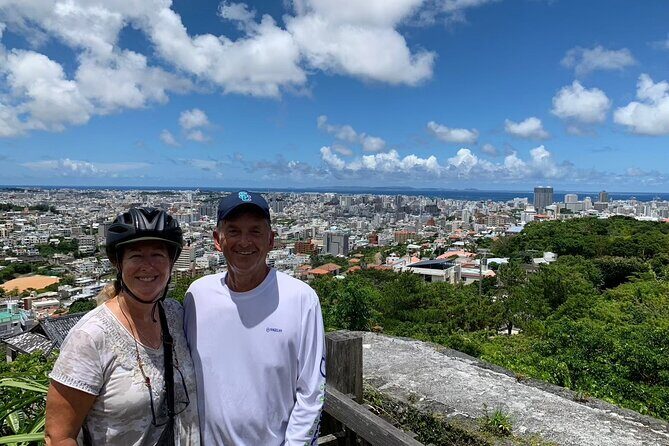
After the gate area, you’ll slowly descend a hill to overlook Naha City. The description calls out red roofs, guardian figurines, and stone pillars scattered through the view.
This part matters because it turns the ride into something bigger than a checklist. You start to understand why Shuri is dramatic: you’re moving through places that feel elevated and ceremonial, then slipping back down toward the city.
Shrikinjocho Stone-Path Road: cobblestones, temples, and sacred corners
Your next walk/ride segment is Shrikinjocho Stone-Path Road, where you explore the Shuri Castle town area that served as the capital of the Ryukyu Kingdom.
You’ll move through streets with cobblestones, plus temples and sacred shrines. This is the “old streets” feeling that most people hope for—but don’t always find on short visits.
One practical note: you’ll want to stay mindful on stone surfaces. The tour is designed for this kind of walking-and-riding pace, but your footing is still on you.
e-CHARIty Naha Kokusai Street: finish strong with an exhilarating downhill
On the way back, the tour leans into the fun part: an exciting downhill where you can feel the wind as you ride. You’ll roll back to the original meeting point to return your bicycles.
This kind of ending is more than entertainment. It keeps the ride memorable and helps you avoid the “we did a lot, now I’m tired” feeling. If you’re pairing this with other Naha plans, you’ll likely finish with enough energy to go grab food nearby on your own.
The guides: what makes the experience feel smooth
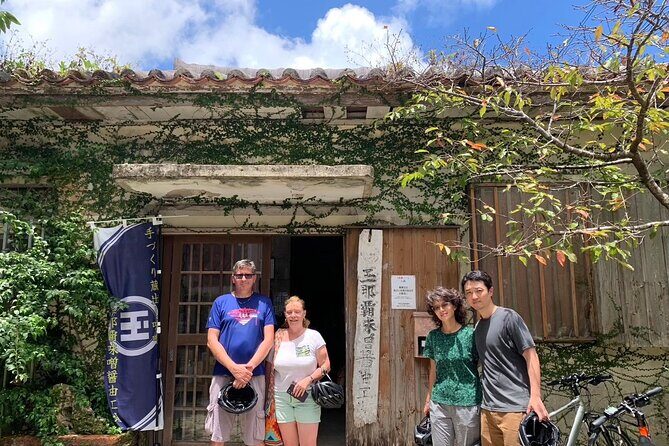
Two guide names come up in the experiences people shared: Jojo and Yuri. Both are described as having excellent English and being patient with guests, and they also prioritize safety.
That combination—clear communication plus calm pacing—makes a big difference on a ride like this. E-bike tours can feel intimidating if you don’t speak the local language well. When the guide is easy to understand and keeps everyone moving together, you spend your attention on the streets and scenery, not on translating.
Value for money at $98.83: what you’re really paying for

At $98.83 per person for about 3 hours, you’re paying for more than bike use. You’re getting a guided route with context, plus a bike setup that includes a helmet with intercom. You’re also paying for the small-group experience (maximum of 5 travelers), which usually means less waiting and less confusion at stops.
If you were to do this on your own, you could probably recreate some portions. But the value here is the pacing and the interpretation—knowing where to look and why each place matters, without spending your day figuring out logistics block by block.
Also: the description notes admission tickets for the stops are free, at least for the listed experiences. So the fee feels more like a service fee for guiding and bike time than a lineup of paid entries.
Who this tour is best for
This works especially well if you:
- Want a first-timer-friendly way to explore Naha and Shuri without a full-day commitment
- Like a mix of nature + heritage rather than only castles or only streets
- Prefer a small group where you can ask questions and hear instructions clearly
It’s also a strong match for couples and solo travelers who want structure but still want freedom at the end. Once you’re finished, you’re back in the central area with time to explore Naha on your own.
If you’re someone who wants a very deep historical lecture nonstop, you might find the pace more “story through places” than “lecture tour.” But for most visitors, the balance feels right.
Weather, routing, and what you should wear

The tour depends on good weather. If precipitation probability exceeds 70% or severe weather hits, the plan can be adjusted, and you’ll be contacted the day before.
Plan your day with flexibility. If you’re carrying a phone in an inconvenient way, note that mobile phone holders and camera mounts are not included. You might want to plan how you’ll carry it—especially if you like taking photos at gates or viewpoints.
Finally, bring the right shoes. Since you can hit water-side and rocky terrain, avoid sandals. Even if it looks dry, the footing can surprise you.
Should you book the E-Bike Nature Tour in Shuri?
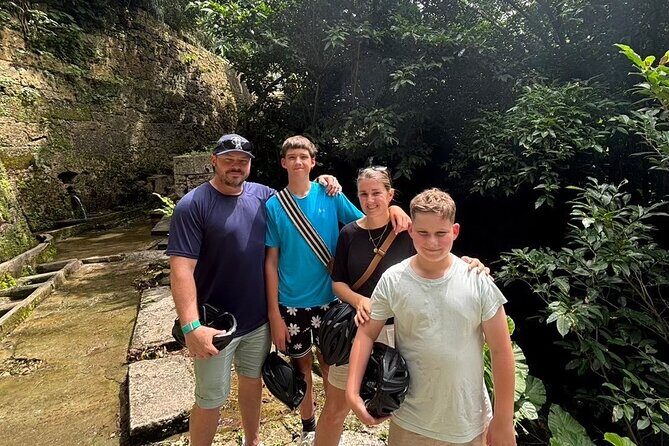
I think it’s a great pick if you want an efficient way to experience Shuri’s “two worlds”: calm nature pockets (springs and birds) and iconic Ryukyu landmarks (like Shureimon Gate). The small group size, the helmet intercom, and guides like Jojo or Yuri make it feel organized without feeling stiff.
I wouldn’t book it if you absolutely hate hills or you’re wearing footwear that can’t handle uneven surfaces. And if your schedule is fragile with weather, keep in mind the plan may change when conditions are poor.
If you can handle a few stone-and-water-side moments and you’re excited to ride through real neighborhoods, this tour gives you a satisfying mix of movement, scenery, and culture in just a few hours.
FAQ
How long is the e-bike tour in Shuri?
The tour lasts about 3 hours.
How much does the tour cost per person?
The price is $98.83 per person.
Where do I meet for the tour?
You meet at 3-chōme-13-20 Makishi, Naha, Okinawa 900-0013, Japan, at e-CHARIty Naha Kokusai Street near Makishi Monorail Station (about a 1-minute walk).
What time does the tour start?
The start time is 10:00 am.
What is included in the tour price?
Included are bike use, an installed cycling helmet, a cycling guide, and bike rental.
What should I wear and bring?
Wear athletic shoes or similar footwear and avoid high heels or sandals. Camera mounts and a mobile phone holder are not included.
Is the tour dependent on weather?
Yes. The tour requires good weather, and if precipitation probability is high or severe weather happens, the plan may change. You’ll be contacted the day before in that case.
Can I cancel for a refund?
Yes. You can cancel for free up to 24 hours in advance for a full refund.
Are there child options?
Children aged 1 to 5 can have a child seat attached to the parent’s bicycle, but you should consult staff for details.