REVIEW · TOKYO
Shibuya by night in Small Groups: Neon Lights and Local Flavors
Book on Viator →Operated by Amigo Tours Japan · Bookable on Viator
Shibuya at night has a pulse. This 3-hour, small-group walk (max 10 people) mixes the big, recognizable landmarks with quick stops for local-style food and street-level photo moments that feel very Tokyo. You start at 6:00 pm and move through the district while the lights come up and the shopping streets stay active.
I especially like two things: the tastings are built right into the route (konbini bites, street snacks like Takoyaki, and classic onigiri), so you’re not just sightseeing while deciding what to eat later. And the guides are a big part of the experience, with past groups praising guides such as Lily, Giorgio, Camila, and Jorge for being friendly, informative, and attentive to what you care about.
One consideration: this is a set plan with short stop times at shops, so if you want long browsing (especially at big stores), you may feel a little rushed. The tour is designed for movement and bite-sized discoveries, not for a slow shopping spree.
In This Review
- Key highlights you’ll feel on the street
- Shibuya After Dark: Why the 6:00 pm Start Matters
- Small Groups, Bilingual Guides, and a Route That Stays Together
- Stop 1: Hachiko Square and the Story That Gives Shibuya Meaning
- Stop 2: Miyashita Park for Skyline Views and City Life
- Stop 3: Shibuya Crossing and Konbini Food That’s Easy to Love
- Stop 4: Shibuya Center-gai for Street Snacks and Photo Stops
- Stop 5: MEGA Don Quijote Shibuya for Discount Fun and Snacks
- Stop 6: Antenna 21 Onigiri Stand for a Classic Bite
- Stop 7: Hands Shibuya (Tokyu Hands) to End With Real Shopping Time
- Price and Value: Getting More Than a Walk for $79
- Who This Shibuya Night Tour Is Best For
- Should You Book This Shibuya by Night Tour?
- FAQ
- How long is the Shibuya by night small group tour?
- Where does the tour start?
- Where does the tour end?
- What time does the tour start?
- How much does the tour cost?
- Is this tour limited to a small group?
- Are the guide services in multiple languages?
- Is a mobile ticket used?
- What food is included in the tastings?
- Are entrance fees included?
- Can I cancel for a refund?
Key highlights you’ll feel on the street
- Small-group size (10 max) keeps it easier to ask questions and stay together
- Night route starts at 6:00 pm, so you catch Shibuya as the neon ramps up
- Food stops are practical: konbini staples, street snacks, and onigiri from a dedicated stand
- Iconic-to-local flow: Hachiko Square and the crossing get followed by side streets and lively lanes
- Shopping with purpose: Don Quijote and Hands are included, but time is short, so go in with a plan
- Mobile ticket makes check-in simple once you’re at the meeting point near public transit
Shibuya After Dark: Why the 6:00 pm Start Matters
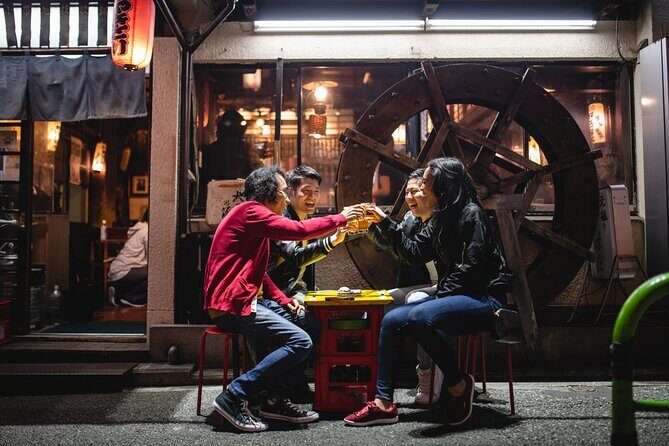
A night walk in Shibuya changes the whole mood. Starting at 6:00 pm means you’re moving through the area when the streets look their best for photos, and when food options are everywhere. It also helps you avoid the hottest part of the day, since you’ll spend most of your time outdoors at a calmer hour.
I also like that the tour is timed for “see and eat,” not just “see.” You’re not relying on finding dinner on your own after a long day. Instead, the schedule drops you into food moments right as you hit the places people come to for the atmosphere.
You can also read our reviews of more evening experiences in Tokyo


Small Groups, Bilingual Guides, and a Route That Stays Together
This is a small-group tour for up to 10 people, which is a quiet superpower in Tokyo. In big stations and dense districts, smaller groups mean you spend less time hunting for your people and more time actually enjoying what’s in front of you.
You’ll get a bilingual guide in Spanish and English, and the general feedback pattern around this experience is that the guides bring energy and plenty of details. Past notes also mention guides like Lily, Giorgio, Camila, and Jorge, and how they were friendly and responsive to individual interests. That matters because Shibuya can feel like visual noise if you’re walking solo; a guide helps you spot what’s worth your attention.
The tour uses a mobile ticket, which is handy. When you’re meeting at Hachiko Square, the smoother your check-in is, the less time you waste before the fun begins.
Stop 1: Hachiko Square and the Story That Gives Shibuya Meaning
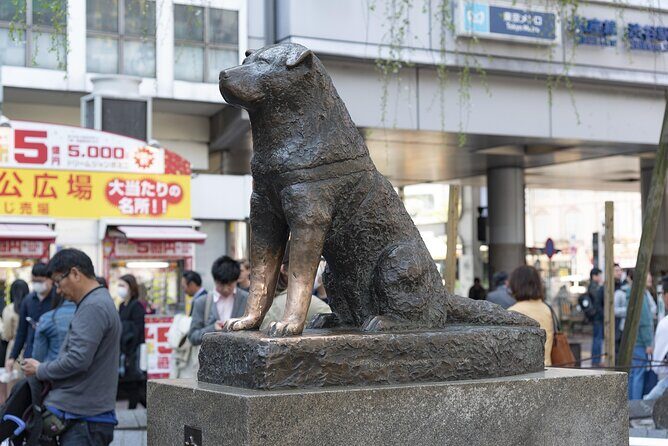
You begin at Hachiko Square, right by the famous Hachiko statue. This stop lasts about 10 minutes, so it’s not a long museum moment. The value is in the setup: you get the story of Hachiko, the loyal Akita dog who waited nearly a decade for his owner.
Why it works for a night tour: it grounds the neon chaos in something human. Before you’re surrounded by the world-famous crowd-control crossing and bright shopping streets, you’re reminded that Shibuya has deep roots under all the modern energy.
Even if you already know the name Hachiko, this is still a good starting point because it gives you a simple narrative thread for the rest of the evening.
Stop 2: Miyashita Park for Skyline Views and City Life
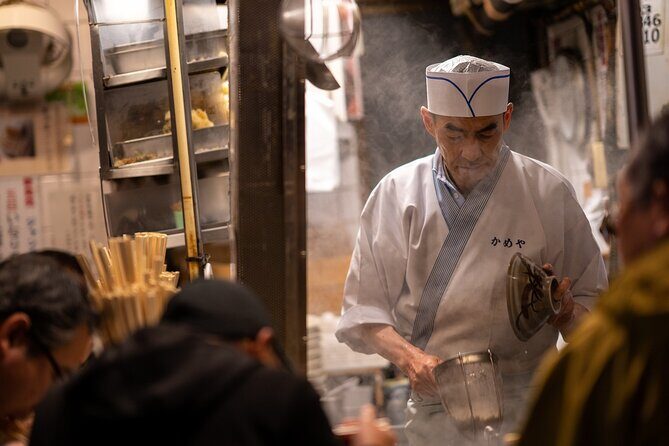
Next up is Miyashita Park, a modern elevated space where nature, shopping, and entertainment overlap in one place. You’ll spend about 40 minutes here, which is enough time to actually look around instead of just passing through.
I like this stop because it’s a breather from street-level intensity. You get a different angle on Shibuya: more open space, more of a “Tokyo layers” feel, and a chance to reset your eyes before the crossing and food lanes.
If you’re the type who likes photos, this is also a smart time to take them. Because you’re up high and the district is right there, you can capture the contrast between “planned architecture” and “everyday city life.”
Stop 3: Shibuya Crossing and Konbini Food That’s Easy to Love
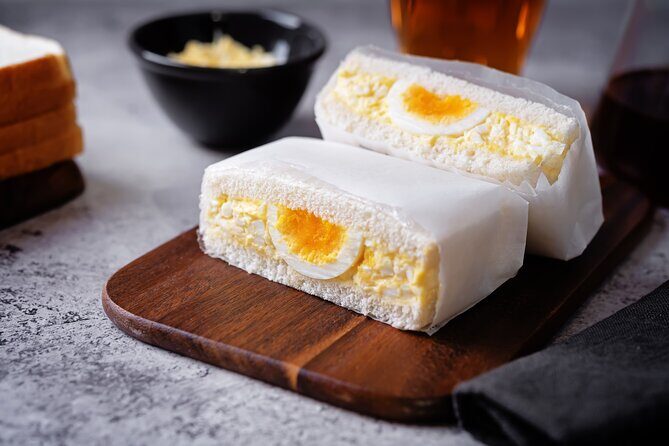
Then you’re back at the famous Shibuya pedestrian crossing. The stop is about 15 minutes, but it’s paired with a very practical activity: a visit to a konbini to try local favorites.
This is where the tour earns its value. Instead of telling you to figure out what to eat while everything looks interesting, you get guided tastings. Expect items like egg sandwiches, fried chicken with bread, and classic onigiris.
Konbini food is one of the easiest ways to experience Japan without making a whole meal out of planning. And eating something simple right near the crossing helps you feel the rhythm of Shibuya: quick, efficient, and still fun.
Two tips for this stop:
- Eat slowly enough to taste each item, because you’ll likely move straight to the next streets afterward.
- If you have dietary questions, ask your guide early so they can point you to what fits best.





Stop 4: Shibuya Center-gai for Street Snacks and Photo Stops
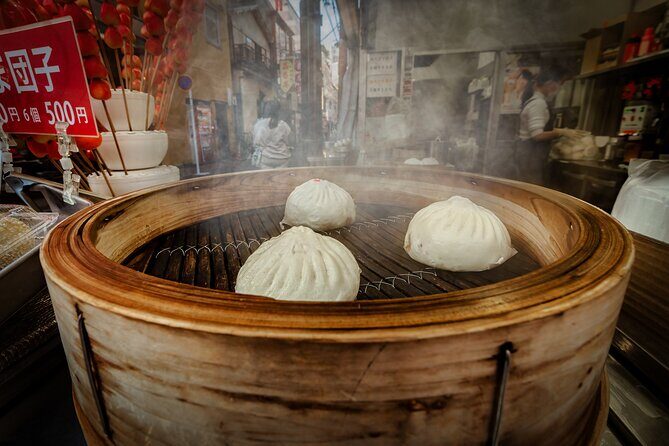
Shibuya Center-gai is one of those streets where the signs, lighting, and crowd flow all work together. This is a longer stop, around 55 minutes, and it includes both food and a lively sightseeing rhythm.
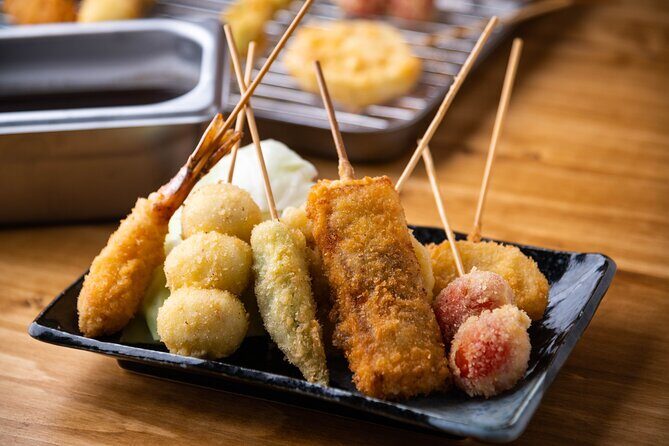
You can try Korean corndog or Takoyaki, and there’s also time for photos along Center-gai. The snack choice is part of why this stop feels “local” in practice. You’re eating what people grab while hanging out, not a sit-down meal that requires reservations and extra time.
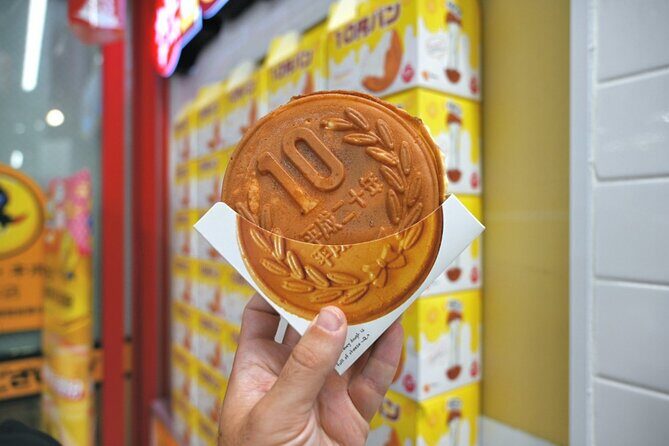
There’s also a quick moment to buy a 10-yen coin from a nearby store. It’s small and easy to miss, but it’s the kind of detail that makes the tour feel less like a checklist and more like being in the neighborhood.
One practical consideration: Center-gai is busy, and the tour pace is designed to keep everyone moving. If you want the perfect photo without people in it, you might need to accept a little crowd and work around it rather than waiting for the street to clear completely.
Stop 5: MEGA Don Quijote Shibuya for Discount Fun and Snacks
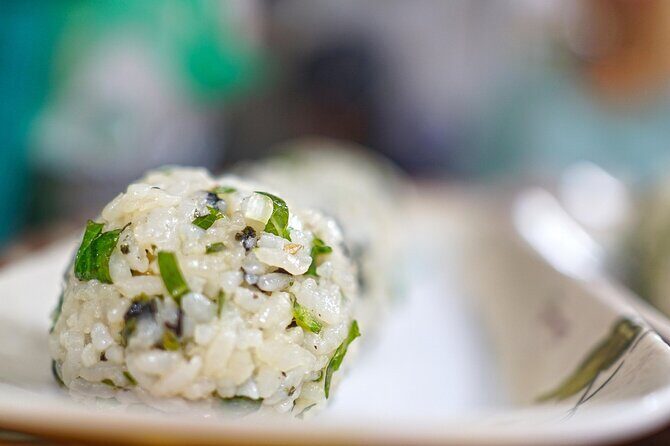
Next you’ll head to MEGA Don Quijote Shibuya, a famous discount store packed with quirky products, Japanese snacks, and souvenirs. This stop is about 10 minutes, so think of it as a fast “what’s worth noticing” walk.
I like including a big store like this because it saves you from spending your whole trip comparing prices and brands. The guide can help you see what’s typical, what’s fun, and what makes sense if you’re shopping for gifts.
But be honest with your expectations: 10 minutes is short. If you plan to buy a lot, go in with a rough list in your head—what you want to bring home and how much space you have.
Quick strategy that helps in any Don Quijote-style store:
- Decide in advance if you’re shopping for snacks, character items, or practical souvenirs.
- Grab one or two items you can confidently carry, then decide if you want to do more.
Stop 6: Antenna 21 Onigiri Stand for a Classic Bite
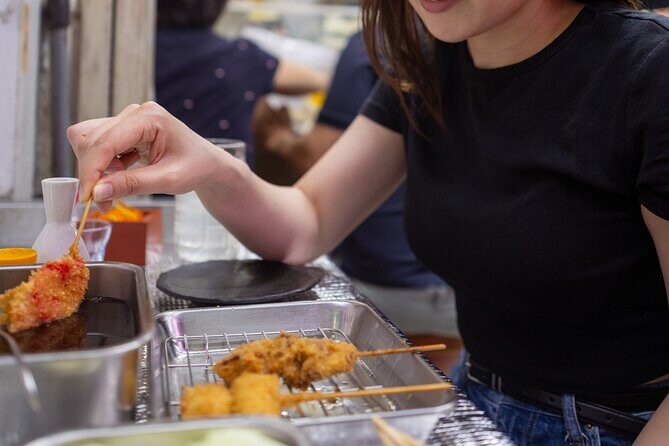
At Antenna 21 Bldg., the tour includes a short stop at an onigiri stand, with about 15 minutes here. If you’ve been eating handheld food across the night, this one matters because it’s a classic: onigiri as an everyday comfort.
This stop is valuable for first-timers because it’s not about novelty. It’s about understanding what Japanese “grab-and-go” tastes like at its simplest: rice, filling, and that satisfying handheld format.
If you’re already full from previous tastings, take a small portion anyway. Onigiri is one of those foods where even a little helps you connect the dots between what you’ve tried and what locals actually repeat.
Stop 7: Hands Shibuya (Tokyu Hands) to End With Real Shopping Time
The tour ends at Hands Shibuya (formerly Tokyu Hands), a department-store style space known for stationery, home goods, and Japanese curiosities. You’ll spend about 30 minutes here, and it’s a strong finish because it’s easy to turn browsing into souvenirs without overthinking.
I like that the tour doesn’t stop at another street snack. It closes with a store where you can use the evening’s context. After seeing Shibuya’s neon and food culture, you’re now shopping for the tangible side of it: design accessories, gadgets, and practical little items you’ll actually use.
Since this is the ending point, you get the freedom to slow down a bit and decide what to buy. If you’re the type who needs a plan, scan what you like early, then come back for purchases.
Price and Value: Getting More Than a Walk for $79
At $79 for about 3 hours, this tour isn’t trying to be the cheapest way to see Shibuya. The value is in what’s included:
- A bilingual guide
- Small group size (max 10)
- Tastings of the specific foods mentioned along the way
- Stops that don’t require extra entrance fees in the way the schedule describes
Also, the tour uses admission-free time blocks for the major stops listed, so you’re not spending the evening paying extra at each door just to keep moving.
What’s not included is also clear: entrance fees to any specific attractions that might require them, plus personal expenses and any extra meals beyond the tastings. In practice, that means you should budget a bit if you want to shop at Don Quijote or Hands, since those are set up for buying.
Who This Shibuya Night Tour Is Best For
This fits best if you want:
- A set plan that helps you eat well without guessing
- A guided path through iconic landmarks and side streets
- Short, practical stops that show you what Shibuya is like after dark
It’s especially good for couples, friends, and small families who don’t want to navigate crowded crossings and store signage while also trying to decide what to eat. And because the tour is described as suitable for most travelers and near public transportation, it’s a low-friction option for an evening schedule.
If you’re the kind of traveler who hates structured timing, you might feel that the shopping stops are short. Don Quijote is about 10 minutes, and even Center-gai time is still part of a flowing route. In that case, you might treat this as a “Shibuya highlights plus food” evening, then plan a separate slower shopping window on your own.
Should You Book This Shibuya by Night Tour?
Book it if you want a guided, food-forward night in Shibuya with small-group pacing and tastings that actually help you eat like a local. The route does a smart job of mixing story (Hachiko), views (Miyashita Park), and practical snacks (konbini, street food, and onigiri) with a finish at Hands where your souvenirs are easy to buy.
Skip it or pair it with extra self-time if your top priority is long hours of shopping. This tour gives you taste and direction, not unlimited browsing.
If your travel style matches “see the icons, try the food, then shop with a plan,” this $79 evening is a solid value.
FAQ
How long is the Shibuya by night small group tour?
It runs for about 3 hours.
Where does the tour start?
The meeting point is at the Hachiko Statue, 2 Chome-1 Dogenzaka, Shibuya, Tokyo 150-0043, Japan.
Where does the tour end?
It ends at Hands Shibuya, 12-18 Udagawachō, Shibuya, Tokyo 150-0042, Japan (Tokyu Hands / Hands).
What time does the tour start?
Start time is 6:00 pm.
How much does the tour cost?
The price is $79.
Is this tour limited to a small group?
Yes. The maximum group size is 10 travelers.
Are the guide services in multiple languages?
Yes. The guide is bilingual in Spanish and English.
Is a mobile ticket used?
Yes, it uses a mobile ticket.
What food is included in the tastings?
The tastings include items mentioned in the stops, such as foods from a konbini near the crossing, Korean corndog or Takoyaki at Center-gai, and onigiri at the Antenna 21 stop.
Are entrance fees included?
Entrance fees to specific attractions are not included. The stops listed in the schedule are marked as free for admission.
Can I cancel for a refund?
Yes. Free cancellation is available up to 24 hours in advance for a full refund.