REVIEW · OSAKA
Osaka/Kyoto: Arashiyama, Fushimi Inari & Nara Park Day Trip
Book on Viator →Operated by F Trip · Bookable on Viator
One day like this is a fast time machine. I love how it sends you straight into the Fushimi Inari torii tunnel first, then slows down at the Arashiyama Bamboo Forest for that hushed, green-walled walk. You also get a real mix of Shinto, Zen temple culture, and nature without needing to plan a single train connection.
The main thing to consider is pace. This is about 9 hours with multiple stops, and you’ll be doing meaningful walking—so comfortable shoes and a plan for lunch matter.
In This Review
- Quick hits before you go
- Why this Fushimi Inari–Nara–Arashiyama day plan works from Osaka
- Fushimi Inari Senbon Torii: walking the vermilion tunnel
- Nara Park: an hour with bowing deer in a huge green space
- Arashiyama planning: quick area orientation then the Bamboo Forest focus
- Nonomiya Shrine: a black torii gate that changes the visual rhythm
- Tenryu-ji Temple: UNESCO Zen time, plus the one ticket cost
- Arashiyama Nakanoshima Park and Kimono Forest: mixing river views with modern art
- Guide quality is the real upgrade: humor, clarity, and food ideas
- Price and value: what $57 buys on a 9-hour circuit
- Who should book this Osaka-to-Kyoto-to-Nara trip
- Should you book this Arashiyama, Fushimi Inari & Nara day trip?
- FAQ
- How long is the tour?
- What are the main stops on this day trip?
- Is lunch included?
- Do I need to pay for Tenryu-ji Temple?
- Is transportation included?
- Is the tour ticket mobile?
- How big is the group?
- What should I do if I’m traveling with a stroller or large luggage?
- Can I cancel for a full refund?
Quick hits before you go
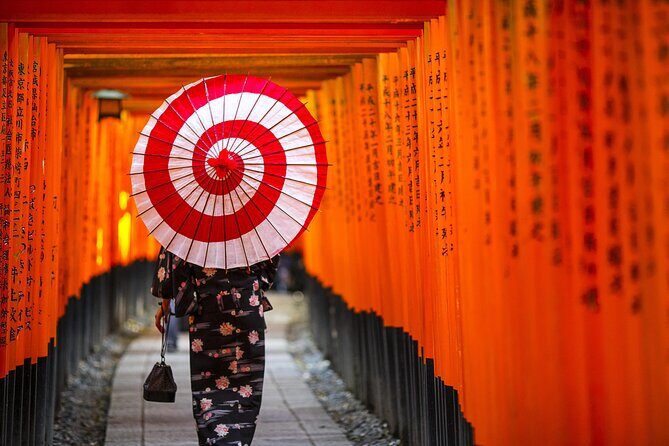
- Fushimi Inari Senbon Torii: a free, must-see Shinto maze of roughly 30,000 torii gates
- Nara Park deer time: about an hour in a huge park known for free-roaming deer
- Bamboo Forest + Tenryu-ji: combine the famous grove with a UNESCO Zen temple stop
- Little-known shrine contrast: Nonomiya Shrine’s black torii gate breaks up the usual red-gate look
- Good group size: up to 45 people, with an air-conditioned vehicle and a guide
Why this Fushimi Inari–Nara–Arashiyama day plan works from Osaka
If you only have one day to cover the big icons around Kyoto and Nara, this kind of tour is hard to beat. You’re not just ticking boxes—you’re moving through three different “moods” of Japan: a shrine corridor of red gates, a park world with deer roaming freely, and Arashiyama’s blend of temple, bamboo, and riverside scenery.
I also like the basic structure. You get a guide and an AC vehicle, so the energy you spend is mostly for sightseeing, not logistics. And because many stops are free to enter (with one notable paid ticket), you can keep the day financially predictable.
The tour runs about 9 hours, with multiple timed windows (some short, some longer). That’s great if you want variety quickly. It’s less great if you prefer slow mornings and long temple sittings with zero schedule pressure.
A few more Osaka tours and experiences worth a look
Fushimi Inari Senbon Torii: walking the vermilion tunnel
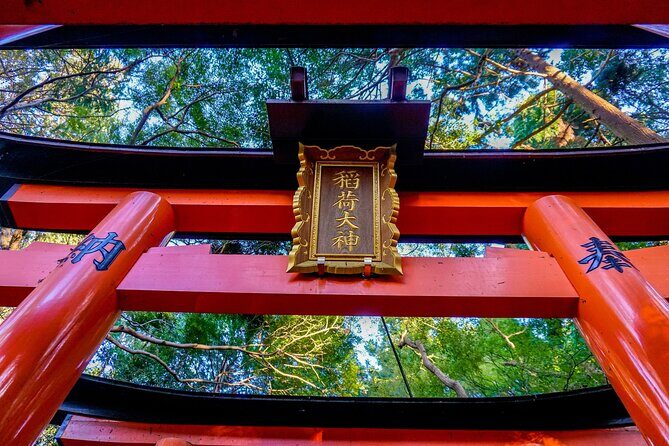
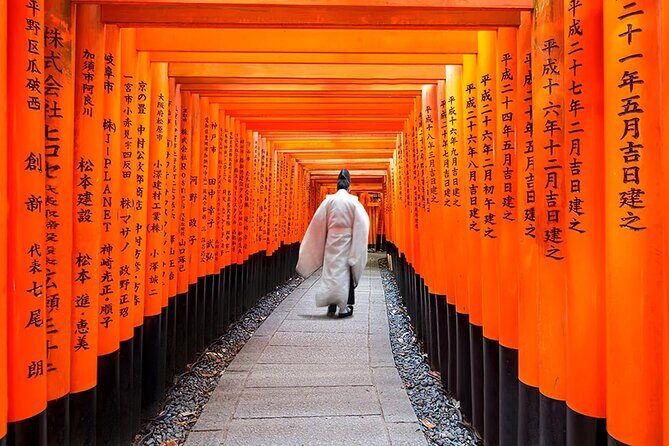
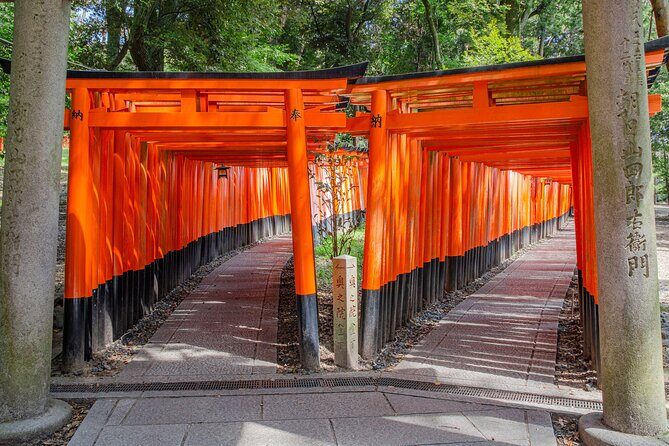
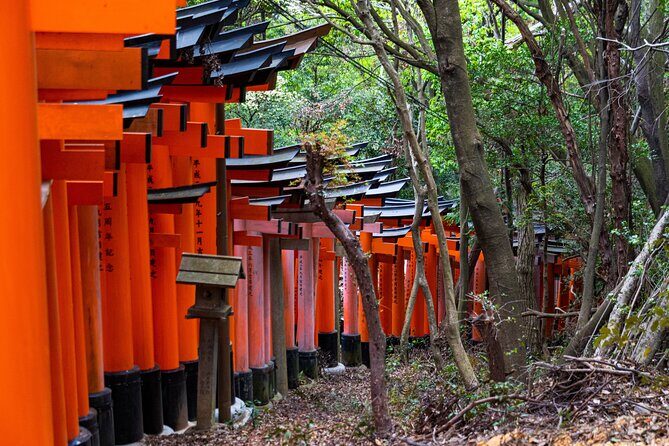
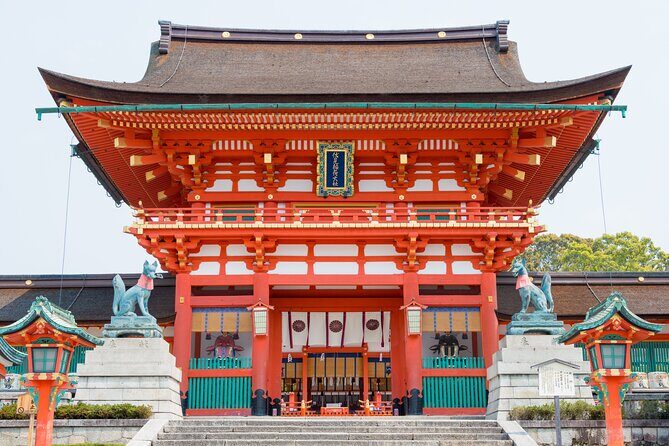
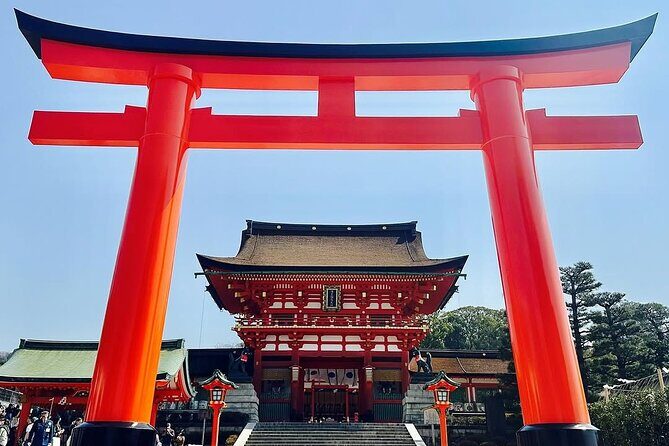
Fushimi Inari Taisha is the head shrine of Inari, the Shinto god associated with rice. The star attraction is Senbon Torii—the thousands of vermilion torii gates that form corridors you can walk through.
You’ll get about 1 hour and 10 minutes here, and most of that time is essentially the walk itself. That means you’ll be moving at a steady pace, soaking in the repeated pattern of gates rather than focusing on one single building.
A practical tip: treat this as a place where photos and atmosphere both take time. The area is known for its dramatic gate lines, and you’ll likely want to step aside occasionally to slow down and actually take in the depth of the tunnel feeling.
What to watch for
- Wear shoes you trust. You’ll be on your feet for the walk and for small detours.
- Keep an eye on meeting points and timing—your later stops depend on leaving on schedule.
Nara Park: an hour with bowing deer in a huge green space
Next comes Nara Park, one of the city’s oldest parks and a major highlight for visitors. It’s huge—about 660 hectares—so even with a group, you don’t feel like you’re trapped in one tight area.
The deer are the obvious draw. They’re free-roaming, and the experience here has a playful edge because the deer are known for bowing in hopes of a treat. That interaction is part of why people remember Nara.
You’ll have around 1 hour. That’s enough time to see deer in several spots and also reach the temple area without feeling rushed—though it won’t be enough if you’re the type who wants to wander every footpath.
How I’d approach it
- Start by watching deer behavior from a respectful distance, then move in once you understand where the animals cluster.
- If you want calm photos, give yourself a couple minutes to let a crowd wave pass.
Arashiyama planning: quick area orientation then the Bamboo Forest focus

Arashiyama is a whole district, not a single landmark. In this day trip, you get a brief introduction to the area first (about 10 minutes), which helps you orient yourself before the main sights.
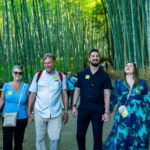
Then comes the big moment: Arashiyama Bamboo Forest, with about 50 minutes to stroll. This is the part most people come for, and it earns the hype. The walkway is lined with bamboo so tall it covers the sky, creating a cool, shaded corridor where your footsteps and movement feel louder than you expect.
Fifty minutes is a healthy chunk of time for a grove like this. You can slow down for photos, pause for a breather, and still have time to keep going rather than rushing back immediately.
A realistic drawback
Bamboo forests draw crowds. Even if your group moves efficiently, you’ll still share the space. If you’re sensitive to crowds, use your time intentionally: walk steadily, then linger where you can see depth and pattern instead of constantly stopping in the densest lines.
Nonomiya Shrine: a black torii gate that changes the visual rhythm
After bamboo, you’ll stop at Nonomiya Shrine for about 20 minutes. This is a Shinto shrine in the Arashiyama district, and the distinctive detail is the black torii gate—a contrast to the bright red torii gates most people associate with Japan’s shrine scenery.
This kind of stop is valuable because it breaks up the day. You go from the repeating bamboo columns to a more grounded shrine feeling, with a different color palette and a simpler visual story.
The time window is short, so don’t plan on a deep reading of every corner. Instead, treat it like a quick mood shift: look up at the gate, notice the surroundings, then move on with a calmer head for the next temple.




Tenryu-ji Temple: UNESCO Zen time, plus the one ticket cost
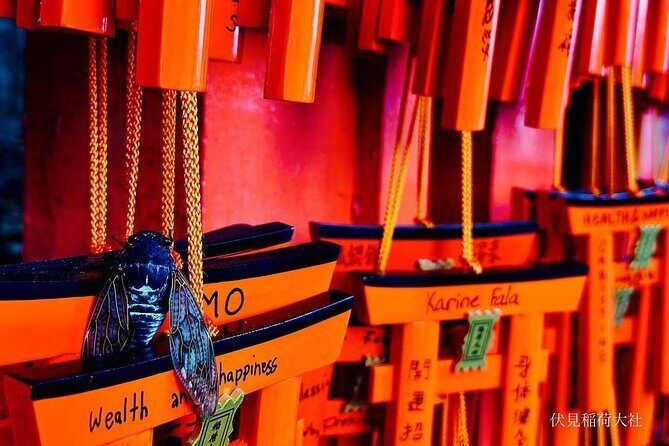
Tenryu-ji Temple is the UNESCO World Heritage Site stop, and it’s ranked among Kyoto’s top five great Zen temples. You’ll have about 20 minutes here.
One important note: the Tenryu-ji ticket is not included. You’ll likely need to budget 500 yen if you want to go inside. That’s a small add-on compared to the overall tour cost, but it’s still worth planning for—especially if you prefer not to dig for cash at the gate.
With only 20 minutes, your best strategy is to pick what you want to notice. Don’t try to see everything. Instead, focus on one or two areas and let the Zen layout do its job: quiet, order, and careful space.
When this stop pays off
If Tenryu-ji makes you want more, you’ll probably feel it right away. A shorter visit can leave you wanting a second pass later with more time. That’s not a failure of the tour—it’s just what happens when you hit a place this well-known.
Arashiyama Nakanoshima Park and Kimono Forest: mixing river views with modern art
The later Arashiyama portion leans into variety.
First is Arashiyama Park Nakanoshima area (about 30 minutes). This spot is especially known for seasonal beauty—cherry blossoms in spring and autumn color in fall. Even if you’re there outside peak season, a park like this helps balance the day after temple and bamboo. It’s a chance to reset and breathe.
Then there’s Arashiyama Kimono Forest, around 20 minutes. This installation uses 600 clear acrylic cylinders, each about 2 meters tall, decorated with vibrant kimono fabrics. It’s visually striking and very photo-friendly, but it also works as a fun modern counterpoint to the traditional sites earlier in the day.
How to get good photos without losing time
- Do a quick circuit first to see where the best angles are.
- Then go back for photos once you’ve figured out the light and spacing.
- Keep it moving—this portion is designed as a shorter stop.
Guide quality is the real upgrade: humor, clarity, and food ideas
The biggest praise across this tour type isn’t about any single landmark. It’s about the guide’s control of the day.
Guides like Amy, Laura, Scarlet, Steven, Sofia, Lucy, and Frederick are repeatedly described as friendly, helpful, funny, and clear about instructions—exactly the traits that matter on a packed one-day schedule. When a guide stays on top of timing and gives updates on where to meet (especially for bus pickup and drop-off), the day feels smoother and less stressful.
I also appreciate when a guide adds practical local value, like quick food recommendations. Lunch isn’t included, so having a confident suggestion helps. It’s the difference between searching around bored and hungry versus eating well nearby and continuing your day without missing a beat.
A small piece of advice for you
Bring a little cash or a card you’re comfortable using for the 500 yen temple fee, and treat the lunch gap as your chance to recharge rather than rush.
Price and value: what $57 buys on a 9-hour circuit
At $57 per person, this tour is priced around transportation + guided routing + a bundle of high-demand sights. The value comes from how many parts are either free-entry or included time-wise.
Here’s what you should expect in terms of costs:
- Included: air-conditioned vehicle and a guide
- Not included: lunch
- Not included: Tenryu-ji ticket (500 yen)
Because Fushimi Inari’s Senbon Torii, Nara Park, and most Arashiyama stops listed here are free, your main surprise cost is the Tenryu-ji ticket. Compared to paying separately for a guided day across three distant sightseeing zones, the pricing feels reasonable.
The “hidden” value is time efficiency. Getting from Osaka to Kyoto and onward to Nara without spending your whole day figuring out trains is what makes one-day sightseeing actually enjoyable.
Who should book this Osaka-to-Kyoto-to-Nara trip
This is a strong fit if:
- You want a lot of important stops in one day and don’t have time to build a multi-day Kyoto/Nara plan.
- You’re okay with a guided pace and short-to-medium sightseeing windows.
- You like a blend of Shinto (Fushimi Inari), nature (Nara deer), and Zen/culture (Tenryu-ji) plus a photo stop like Kimono Forest.
It might not be the best fit if:
- You hate walking or feel uncomfortable with crowds at famous sites.
- You want deep, unhurried temple time. The 20-minute Tenryu-ji visit is great for a first look, but you’ll likely want to return later for a longer visit.
Should you book this Arashiyama, Fushimi Inari & Nara day trip?
I’d book it if you’re short on time and want the highlights grouped into one efficient day with a guide who keeps the schedule moving. The strongest part of the experience is the contrast: torii gates, deer park energy, then Arashiyama’s bamboo quiet and temple atmosphere.
Do it with two expectations: you’ll walk, and you’ll probably want to return to your favorite place for more time. If you plan ahead for shoes, lunch, and the 500 yen Tenryu-ji ticket, you’ll get a full, satisfying day without the stress of juggling transit.
Also, there’s some peace of mind built in. The tour offers free cancellation up to 24 hours before the start time for a full refund, so you’re not locked into a bad-weather or schedule mismatch decision.
FAQ
How long is the tour?
The tour lasts about 9 hours.
What are the main stops on this day trip?
You’ll visit Senbon Torii at Fushimi Inari, Nara Park, Arashiyama (area stop), Arashiyama Bamboo Forest, Nonomiya Shrine, Tenryu-ji Temple, Arashiyama Park Nakanoshima area, and Arashiyama Kimono Forest.
Is lunch included?
No. Lunch is not included.
Do I need to pay for Tenryu-ji Temple?
Yes. The Tenryu-ji ticket costs 500 yen and is not included.
Is transportation included?
Yes. The tour includes an air-conditioned vehicle and a guide.
Is the tour ticket mobile?
Yes. It uses a mobile ticket.
How big is the group?
The tour has a maximum of 45 travelers.
What should I do if I’m traveling with a stroller or large luggage?
You should indicate this when booking so the operator can plan accordingly.
Can I cancel for a full refund?
You can cancel up to 24 hours in advance for a full refund.
![[Private]Shinjuku Golden Gai Bar Hopping w/ Japanese Local Guide - Omoide Yokocho (Memory Lane): why the first stop hits hardest](https://images.thejapantraveler.com/wp-content/uploads/privateshinjuku-golden-gai-bar-hopping-w-japanese-local-guide.jpg)