REVIEW · TOKYO
Tokyo Wagyu Culinary Tour Cooking Culture and Tasting
Book on Viator →Operated by emc · Bookable on Viator
Cooking Wagyu is one thing. Learning why it works is another, and that is where this Tokyo class shines. You start with a welcome drink, then a local instructor walks you through what makes Wagyu special, including origins and how the beef is graded.
I especially liked the hands-on format: you watch a butchery and cooking demo, then you cook several cuts yourself with chef support. The whole thing stays focused on skills you can actually use at home, not just eating good meat.
One possible drawback: at $920 for about 2 hours, this is a splurge. If you’re expecting a casual, low-effort meal, the class part can feel like more time and money than you planned for.
In This Review
- Key highlights before you book
- Tokyo Wagyu Culinary Tour: what makes this class feel different
- Getting started in Oshiage: welcome drink and a Wagyu baseline
- Wagyu cuts in plain language: sirloin, tenderloin, and the why
- Heat control and seasoning: the steak skills you can reuse
- Cook your own Wagyu: learn by doing, not just watching
- What the tasting is like: enjoying the work you made
- Extra Tokyo value: local recommendations from the instructor
- Who this tour is best for (and who should skip it)
- Price and value: what $920 is buying
- Practical tips before you go
- Should you book this Tokyo Wagyu cooking class?
- FAQ
- How long is the Tokyo Wagyu culinary tour cooking culture and tasting?
- Where is the meeting point for this tour?
- How much does the tour cost?
- Is there a mobile ticket for this experience?
- How many people are in a group?
- What happens first during the tour?
- Does the tour cover Wagyu grading and different cuts?
- Will I cook or only watch?
- Are dietary restrictions accommodated?
- What is the cancellation policy?
Key highlights before you book
- Small group of up to 6 so you get real attention while you cook
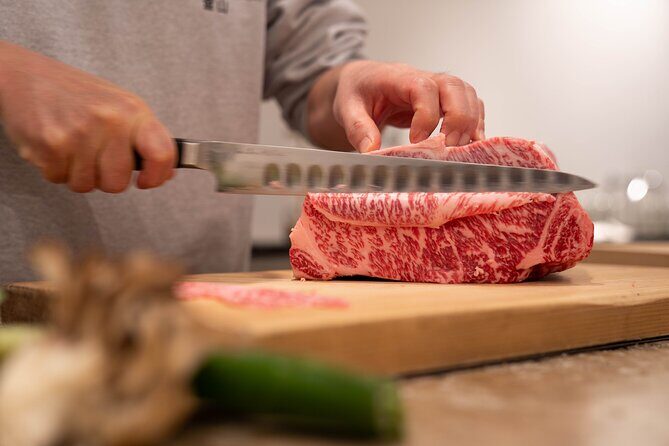
- Cut-by-cut learning, with examples like sirloin and tenderloin and what each is best for
- Heat control and timing practice, the two things that make or break steak at home
- Butchery demonstration that makes the cooking lessons easier to understand
- Tasting included, with dishes paired with beverages
Tokyo Wagyu Culinary Tour: what makes this class feel different
Tokyo does steak in a million ways, but this tour is built around one idea: Wagyu deserves technique. You’ll still eat, and yes, the beef matters. But the center of gravity is how to treat the meat properly, from seasoning to timing.
The class also connects food to place. You’ll get a talk about Wagyu’s role in Japanese culture, and the course keeps linking ingredients and methods to the Tokyo way of thinking about craft. It’s not just chef theater. It’s practical instruction with context.
And you won’t be stuck listening the whole time. The format is: intro, demo, then you cook. That rhythm helps a lot, especially if you’re nervous about cooking steak.
You can also read our reviews of more food & drink experiences in Tokyo
Getting started in Oshiage: welcome drink and a Wagyu baseline
The experience meets at 3-chōme-25-17 Oshiage, Sumida City, Tokyo. It’s in Oshiage, which is a real neighborhood stop rather than a tourist-only zone. If you like experiencing everyday Tokyo, that’s a plus.
You begin with a welcome drink inspired by the flavors of the season in Japan. It’s a small touch, but it sets the tone: this class is meant to feel like part of Japanese food culture, not a generic cooking show.
Then you get your Wagyu baseline. You’ll learn:
- where Wagyu comes from and why it’s considered special
- what makes Wagyu different from other beef
- how Wagyu is graded
That grading part matters more than it sounds. Even if you don’t plan to buy “the same grade” at home, learning how quality is assessed helps you shop smarter later.
Wagyu cuts in plain language: sirloin, tenderloin, and the why
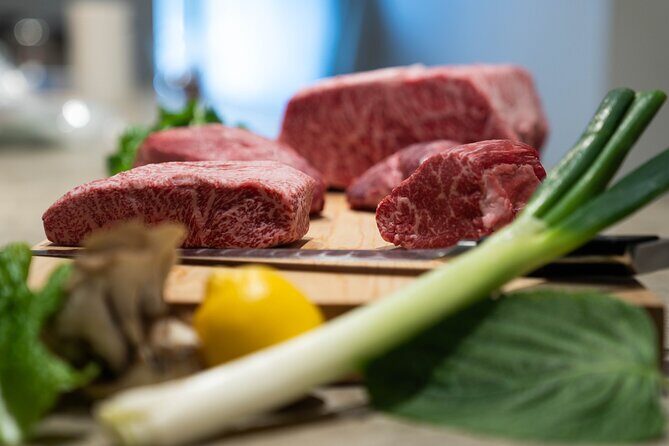
After the Wagyu intro, the class moves into actual cuts. You’ll look at different types, including sirloin and tenderloin, and the instructor explains how each cut behaves and where it tends to shine.
This is the kind of information that saves dinner later. Instead of treating every steak like it needs the same heat and timing, you’ll start thinking in terms of texture, thickness, and fat behavior. Wagyu fat is part of the magic, and understanding where that fat sits helps you understand what you’re aiming for on the plate.
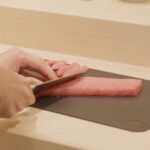
You’ll also get a butchery demonstration. Seeing cuts prepared makes the lesson click. When someone shows you how the pieces are handled before cooking, you stop thinking of steak as a single blob and start seeing it as specific meat with specific needs.
Heat control and seasoning: the steak skills you can reuse
The cooking demo is where this class earns its keep. Wagyu is famous, but it is also easy to mess up if you cook it like cheap beef.
You’ll learn proper cooking methods with attention to:
- temperature control
- timing
- proper seasoning
The big idea is simple: control the heat so the fat renders well without turning the outside into something you’d rather not chew. With steak, small changes matter. A hot pan for too long can push you past the point where the texture goes from silky to dry.
The class emphasizes techniques you can apply at home. That means you’re not just memorizing “cook it five minutes.” You’re learning what to watch for—heat behavior, doneness targets, and how seasoning works with the flavor profile of Wagyu.
Cook your own Wagyu: learn by doing, not just watching
Then comes the best part: you cook.
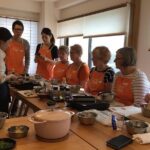
You’ll cook different cuts with help from the chefs/instructor. This matters because steak feedback is real-time. When you’re actively cooking, you can ask questions and adjust while it still counts.
You’ll get to practice the core steps:
- seasoning appropriately
- managing time
- working with the cut you’re given rather than forcing a one-size method
Cooking your own portions also makes the tasting more meaningful. You’ll know which part of the process changed the result. That’s where the skill sticks.
Also, this class is designed for small groups (up to 6 travelers). That size makes it easier for the instructor to correct your technique without leaving you behind in the corner of the kitchen.
You can also read our reviews of more cooking classes in Tokyo

What the tasting is like: enjoying the work you made
Once cooking is done, you’ll taste your dishes. Wagyu flavors are a whole experience on their own, and the tasting is paired with beverages that complement the beef.
This pairing detail is useful. It’s not just “drink something.” The idea is to match flavors so the beef stays the star, while the beverage helps keep each bite interesting. If you’ve ever had steak that tasted great for the first piece and then felt repetitive, you’ll appreciate this pacing.
The overall vibe here is straightforward and satisfying. The class ends with that sense that you actually completed something, not just got a meal.
Extra Tokyo value: local recommendations from the instructor
One thing I really liked from the experience is that the local instructor also shared recommendations for food and activities in Tokyo. That’s not always the case with cooking classes.
If your schedule is tight, this kind of advice can save time. The instructor isn’t just teaching meat; they’re also pointing you toward how to spend the rest of your Tokyo days with more confidence.
Who this tour is best for (and who should skip it)
This class fits best if you:
- care about learning technique, not just eating
- want a hands-on Tokyo food experience with Wagyu cuts
- like small-group instruction where you can ask questions
- plan to cook steak at home and want better results
You might want to think twice if:
- you’re only in Tokyo for a quick bite and want a low-cost, low-time option
- you’re not into beef at all, since the focus is specifically Wagyu
- you’re price-sensitive for a two-hour experience
Dietary restrictions can be accommodated if you let the organizers know. Still, since the theme is Wagyu, it’s smart to confirm what “accommodation” looks like for your specific needs before booking.
Price and value: what $920 is buying
Let’s talk money honestly. $920 for about 2 hours is not cheap. You’re paying for more than a meal.
You’re paying for:
- a guided class with a local instructor
- instruction on Wagyu origins and grading
- demonstrations (including butchery and cooking)
- chef-supported cooking practice
- a tasting with beverages
- a small-group setting (max 6)
That last part matters. Small groups cost more to run, but they also make the experience more personal. In a big class, you might watch. Here, you cook.
If you already love food classes and plan to cook at home, the value makes more sense. If you’re mainly chasing the best steak possible and don’t care about technique, you may find a traditional meal option fits better.
Practical tips before you go
Since this is a cooking class, a few small choices help:
- Come hungry, but not so full you can’t enjoy the tasting afterward.
- If you have dietary restrictions, tell them clearly during booking so the team can plan.
- Wear comfortable clothes. You’ll be in a working hands-on environment.
Also, because the class is in Oshiage, consider how you’ll get there and back. It’s part of the fun, but you’ll enjoy it more if transit stress is low.
Should you book this Tokyo Wagyu cooking class?
I’d book it if you want a serious but friendly class on how to cook Wagyu well. The combination of learning cuts, seeing a butchery demo, then cooking with real support is the core reason it works. If you like getting skills you can repeat at home, you’ll leave with practical confidence, not just a full stomach.
Skip it if your main goal is simply eating a luxury meal with no instruction. This tour is a class first, a tasting second, even though the tasting is the payoff.
If you’re on the fence, here’s the easiest decision rule: if you care about technique and don’t mind paying for a small-group, chef-guided experience, this is a very solid pick.
FAQ
How long is the Tokyo Wagyu culinary tour cooking culture and tasting?
The experience lasts about 2 hours.
Where is the meeting point for this tour?
The start is at 3-chōme-25-17 Oshiage, Sumida City, Tokyo 131-0045, Japan. The tour ends back at the meeting point.
How much does the tour cost?
The price is $920.
Is there a mobile ticket for this experience?
Yes. It includes a mobile ticket.
How many people are in a group?
This activity has a maximum of 6 travelers.
What happens first during the tour?
You’ll be greeted with a welcome drink inspired by the flavors of the season in Japan.
Does the tour cover Wagyu grading and different cuts?
Yes. You’ll learn about Wagyu origins and how Wagyu is graded, and you’ll also cover cuts such as sirloin and tenderloin.
Will I cook or only watch?
You’ll cook yourself. After demos, you’ll cook different cuts with chefs’ help.
Are dietary restrictions accommodated?
Yes. If you have dietary restrictions, you can let the organizers know, and they will accommodate.
What is the cancellation policy?
There is free cancellation. You can cancel up to 24 hours in advance for a full refund; cancellations within 24 hours are not refunded.