REVIEW · OTARU
Otaru 6hr Private Trip with Government-Licensed Guide
Book on Viator →Operated by Japan Guide Agency · Bookable on Viator
Otaru clicks into place fast with a guide. This 6-hour private trip pairs a government-licensed English-speaking guide with a customizable route, so you can hit the right sights without guessing your way through Otaru. I like that you can choose 3–4 stops based on what you actually care about, and I also like the efficient pacing of a route that stacks the canal area with old-town shopping and craft stops.
One watch-out: it’s a walking tour, and while the guide helps you connect the dots, you’ll cover transportation and most entrance fees yourself (lunch too). The payoff is big if you’re comfortable walking for a few hours and want someone to explain what you’re seeing instead of wandering.
In This Review
- Key highlights in 6 hours
- Price and what you’re really paying for
- Walking logistics: how the day flows without a private car
- Stop 0: Otaru Canal and the city’s trading legacy
- Stop 1: Otaru Art Base in the old-building vibe
- Stop 2: Sakaimachi Street for food, sweets, and shopping
- Stop 3: Tanaka Sake Brewing Kikkogura and the craft behind the bottle
- Stop 4: Otaru Tenguyama Ropeway and the Ski Museum stop
- Choosing your 3–4 stops: make it match your priorities
- Guides: what the licensed experience feels like
- What to budget for on the day
- When this tour is a great match (and when it isn’t)
- Should you book this Otaru private 6-hour trip?
- FAQ
- FAQ
- How long is the Otaru private trip?
- Is this a private tour or a group tour?
- What’s included in the price?
- Are entrance fees included?
- Is transportation included?
- Do I get hotel-style pickup?
- Which sites can I choose from for my customized itinerary?
- Is there a mobile ticket?
- Can I cancel for free?
- Is the tour suitable for most travelers?
Key highlights in 6 hours
- Government-licensed English guide: built for clear explanations and confident navigation.
- Choose 3–4 sites: you drive the focus, not the other way around.
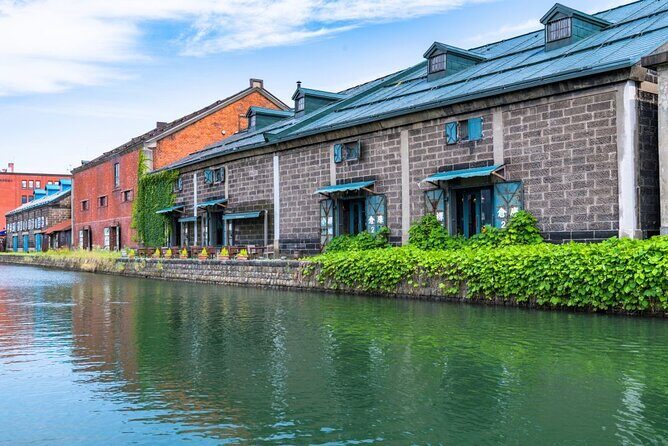
- Otaru Canal first: start with the city’s historic “why it mattered” view.
- Old-town variety: art space, shopping street, sake brewing, and Mt. Tengu ropeway/ski museum options.
- Walking-friendly route: you see more by staying close to the action.
- Mobile ticket + group discounts: small but practical touches for smoother day-of logistics.
Price and what you’re really paying for
At $153.50 per person for about 6 hours, this isn’t the cheapest way to “do Otaru.” But it is good value if you want time savings and a smart plan. You’re paying for a licensed local guide, plus the ability to shape your own mini-itinerary from the listed must-see areas.
The biggest value isn’t the places themselves. It’s the way the tour works like a handheld GPS with context. Otaru is easy to enjoy—but hard to understand quickly if it’s your first time in Hokkaido. A guide helps you connect the old port, the historic buildings, and the food and drink culture so the day feels like a story instead of a checklist.
You should also budget for what’s not included. Entrance tickets are not part of the price, and transportation fees and lunch are also on you. If you plan your day with a couple of paid stops and you’re okay walking, this price starts to make more sense.
You can also read our reviews of more guided tours in Otaru

Walking logistics: how the day flows without a private car
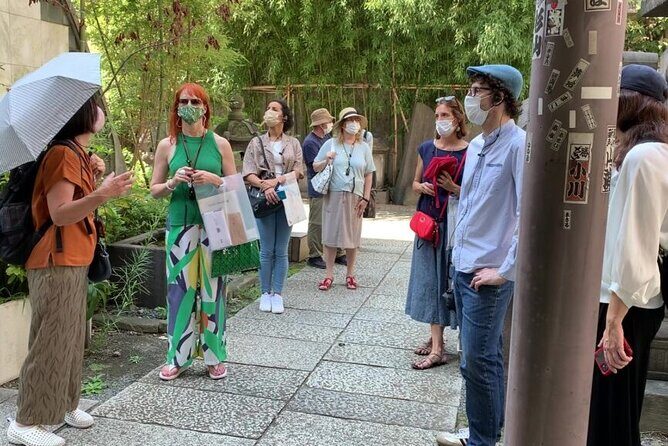
This is set up as a walking tour, with pickup on foot within a designated area in Otaru. That means you’re not relying on a private vehicle. For many visitors, that’s a plus: you’ll spend less time in transit and more time inside the streets you actually came to see.
Still, it changes how you should prepare:
- Wear comfortable shoes with grip.
- Keep your plans flexible if weather turns cold or rainy.
- Bring a small bag you can manage while you stop and snack.
One detail that matters: the guide entry fees are only covered for sights listed under What to expect, so if you go off-script or add extra stops, you may end up paying additional admission. If you want a clean day with fewer surprises, stick to your chosen sites.
Stop 0: Otaru Canal and the city’s trading legacy
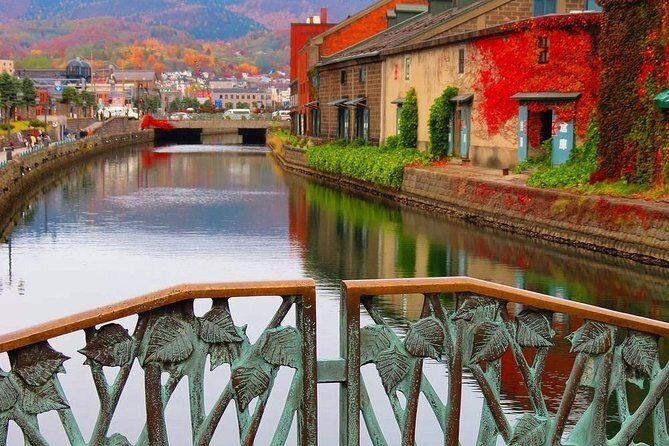
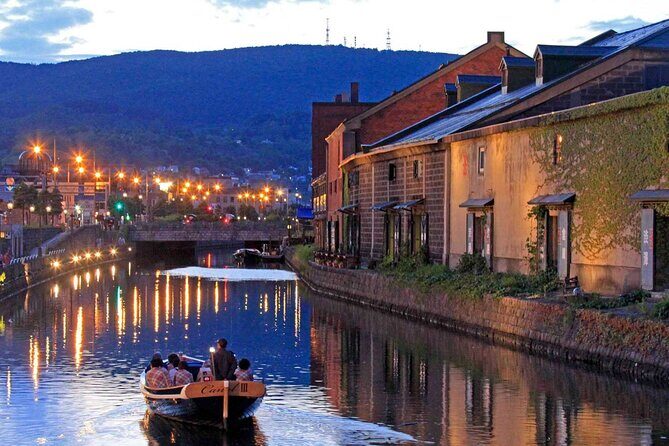
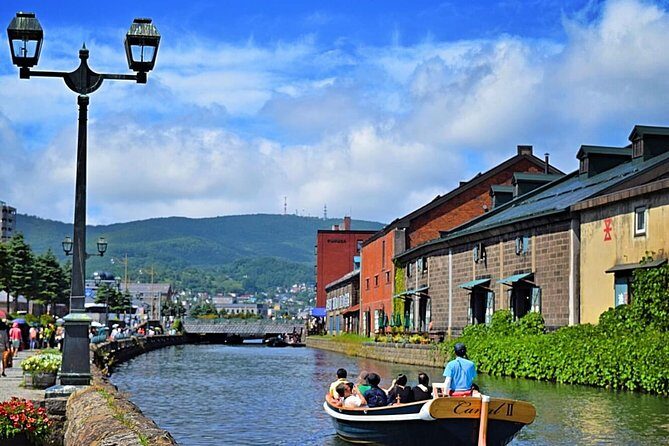
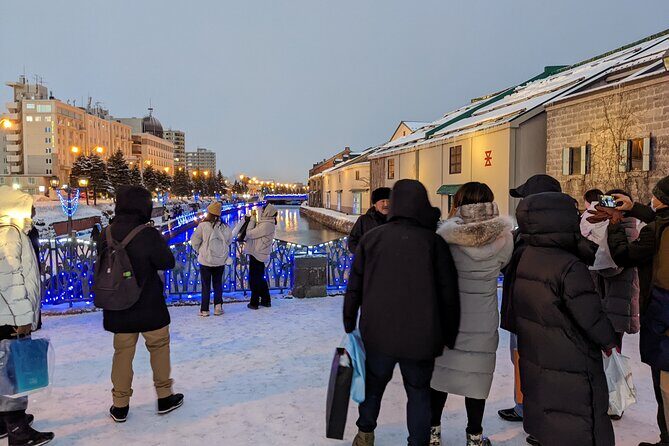
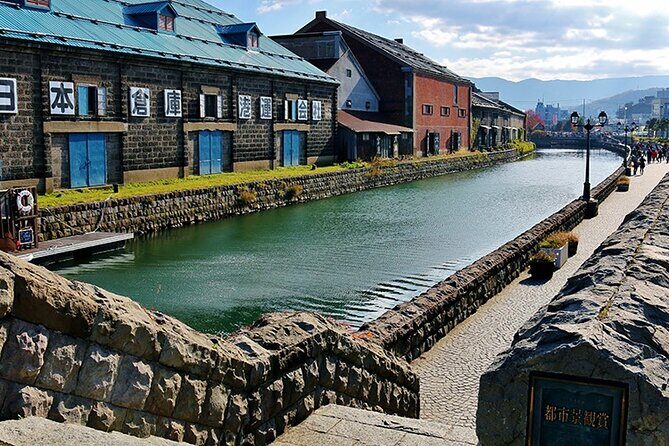
Your route typically starts at Otaru Canal, one of Hokkaido’s most recognizable scenes. This area wasn’t just built for photos. It was a major distribution hub, and the shipping role was so strong that the canal-era city once had a population surpassing Sapporo.
Why that matters for you: the canal becomes more than pretty water when you know the “jobs and people” behind it. Even if you’re not into history museums, understanding that Otaru grew through trade makes the architecture and the slow, nostalgic vibe feel purposeful.
What I like about starting here: it’s a natural orientation point. You can get your bearings early, then move through the older streets with a clearer sense of how the city functions.
Possible downside: if you’re aiming for a very short stop at the canal, you might prefer to spend more time later on shopping or food. The good news is the tour is built around choosing 3–4 sites, so you can make the canal a quick start or a main event.
Stop 1: Otaru Art Base in the old-building vibe
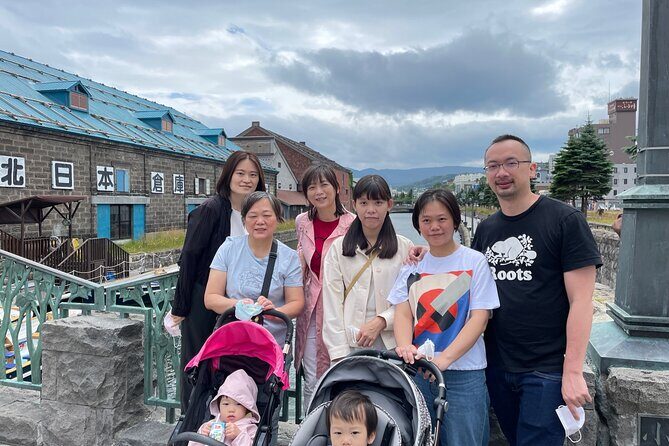
Next is Otaru Art Base, an area that turns historic early-20th-century buildings into tourism resources. It’s located opposite the canal across Rinkosen Street, which makes it easy to stitch into your day without long transfers.
This stop is a nice change of pace. When the day is mostly streets and viewpoints, the art base gives you a quieter, indoor break if you need one. And because it’s built around repurposed historic architecture, you’re not just looking at displays—you’re seeing how old structures can gain a second life.
Time on this stop is about an hour, and admission isn’t included. If you’re the type who likes hands-on art or design, you may enjoy spending the full hour. If you’re more “walk and snack” focused, you might use the time to get oriented and then move quickly to the next stop.
Stop 2: Sakaimachi Street for food, sweets, and shopping
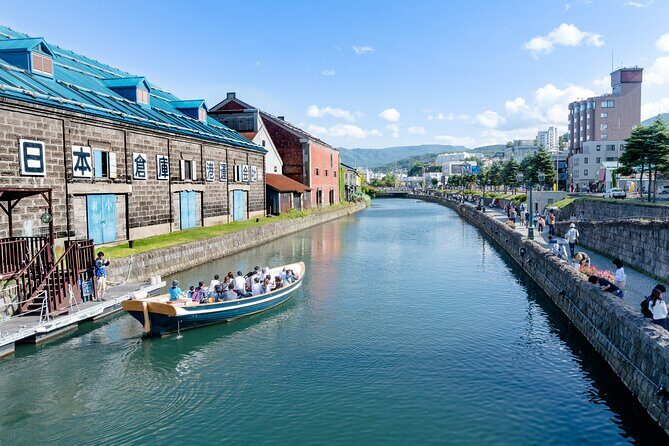
Then you’ll hit Otaru Sakaimachi Street, a shopping street on the inland side of Rinkosen Street, running parallel to the canal area. This is where you turn sightseeing into tasting and browsing.
The tour framing is smart here: after a canal start and a cultural stop, Sakaimachi is the obvious place to shop for small gifts and try local snacks. If you’re buying paper goods, sweets, or souvenirs, this is the kind of street where you can actually compare and wander without it feeling random.
Practical note: the best shopping days include time to pause. Don’t pack this part so tightly that you only look at storefronts through the lens of your watch. If you’re going in winter, build in time to warm up and sit down somewhere—especially before you head toward the ropeway area.
You can also read our reviews of more private tours in Otaru
Stop 3: Tanaka Sake Brewing Kikkogura and the craft behind the bottle
From historic port vibes, you shift to a distinctly Japanese craft: Tanaka Sake Brewing Kikkogura. The tour description emphasizes the way this spot conveys history through sake brewing.
Even if you don’t plan to do a deep tasting session, this is a worthwhile stop because it gives context to what you’ll see and eat around Otaru. Sake isn’t just a drink here—it’s a cultural thread. A guide can help you understand what you’re looking at and why sake brewing fits this city’s story.
Like the art base, this is timed around an hour and admission isn’t included. If you know you’re interested in alcohol-related tours, consider setting aside enough time so you don’t feel rushed. If you’d rather focus on other parts of the itinerary, you can still use the stop to learn the story and move on without turning the day into a one-topic deep dive.
One more practical consideration: if you have dietary needs, the guide can often help manage choices. In one example, a guide named Akiko tailored the day for very cold weather and assisted with ordering vegetarian food. That kind of support can be a big deal when you’re trying to keep the day enjoyable rather than stressful.
Stop 4: Otaru Tenguyama Ropeway and the Ski Museum stop
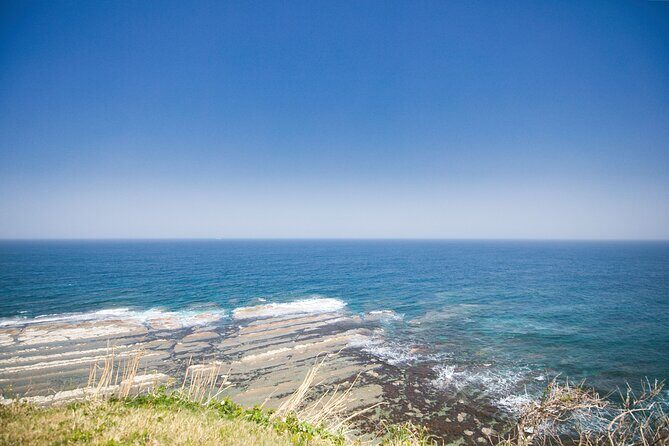
The final stop option is Otaru Tenguyama Ropeway Ski Museum, tied to Mt. Tengu. The route is about 15 minutes by car from Otaru IC, and the key draw here is the view over the seaside city and the Sea of Japan.
Why this matters to you: a ropeway area gives you a different angle on Otaru—literally. When you’ve spent the day at street level (canal, buildings, shopping), getting above it helps the city “click” into a bigger picture.
The tour timing lists about an hour for this stop, and admission isn’t included. If the weather is clear, this is often the easiest place to get a memorable view. If it’s foggy or rainy, you may still enjoy the experience, but the photo value can drop.
Also consider your comfort level. Ropeway and museum-related stops can involve stairs and indoor walking. Wear footwear that works on wet surfaces, and keep an extra layer handy.
Choosing your 3–4 stops: make it match your priorities
The tour works because it’s built around selection. You choose 3–4 sites from the available list, and your route is customized around that set.
Here’s how to think about your picks:
- If you’re a history/architecture fan, lean toward Otaru Canal + Otaru Art Base + Tanaka Sake Brewing Kikkogura.
- If you’re food and shopping focused, make Sakaimachi Street one of your anchors.
- If you want an outdoors-and-views moment, include Mt. Tengu / ropeway.
I also like that your guide isn’t just guiding. They’re translating the why behind each place. In past trips, guides like Tom and Roy have been praised for being attentive to requests and taking time to explain history. That matters because it turns your chosen stops into a coherent narrative instead of separate attractions.
Guides: what the licensed experience feels like
This trip is led by a licensed local English-speaking guide, and the setup is multilingual-ready in a way that’s meant to be thoughtful rather than rushed.
Here’s what I’d expect you to feel in real time:
- The guide keeps the day moving, but not in a “hurry-hurry” way.
- You get explanations that connect the dots between canal trade, historic buildings, and local craft or food.
- If you ask for adjustments—pace, focus, or practical needs—the guide can often respond.
You’ll see that pattern in examples tied to different guide names. Tom is described as knowledgeable, helpful, and interesting. Roy is described as attentive and personable, with a focus on history explanations. Akiko is described as tailoring the day for cold weather and helping with vegetarian food ordering. Even if you don’t get the same guide, the service style is clearly consistent: clear communication, thoughtful attention, and real local grounding.
What to budget for on the day
To keep the day smooth, plan money for:
- Entrance tickets for any paid stops you select (art base, sake brewing, ropeway/ski museum are marked as not included).
- Transportation fees (the tour is a walking tour, but extra travel costs may still apply depending on how the day unfolds).
- Lunch and personal expenses.
Because entrance fees aren’t included, your “true cost” depends on the mix you choose. If you select two or three paid venues, you’ll pay more upfront. If you build your day around free outdoor time like the canal and shopping streets, your total spend stays lower.
The good part: you’re not locked into a single fixed path. Your selection choices directly influence your budget.
When this tour is a great match (and when it isn’t)
This tour is a smart fit if you:
- Want an easy-first-day introduction to Otaru.
- Like walking but don’t want to plan every turn.
- Want a guide to explain the story behind what you’re seeing.
- Care about matching the day to your interests using 3–4 chosen sites.
It may be less ideal if you:
- Hate walking and want a fully vehicle-based itinerary.
- Expect a “tickets included” day with no extra payment.
- Want to add lots of extra stops beyond the chosen sights, since coverage is tied to what’s listed.
Should you book this Otaru private 6-hour trip?
If you want a confident first visit—one where the canal, old-town streets, and craft culture connect—you should seriously consider booking. The combination of a government-licensed English guide, a flexible selection of 3–4 stops, and an efficient 6-hour flow is exactly what helps Otaru feel understandable fast.
Skip it only if you’re on a strict budget for entrances and transport, or if walking for a half-day sounds miserable for you. Otherwise, this is the kind of tour that saves you from decision fatigue and turns your time into something you can actually remember.
FAQ
FAQ
How long is the Otaru private trip?
It’s about 6 hours.
Is this a private tour or a group tour?
It’s private. Only your group will participate.
What’s included in the price?
A licensed local English-speaking guide is included, along with a customizable tour based on 3–4 sites you choose. Meet-up is on foot within a designated area.
Are entrance fees included?
No. Entrance fees are not included.
Is transportation included?
Transportation fees are not included.
Do I get hotel-style pickup?
Pickup is offered on foot within a designated meet-up area, since this is a walking tour.
Which sites can I choose from for my customized itinerary?
The option list includes Otaru Canal, Otaru Art Base, Otaru Sakaimachi Street, Tanaka Sake Brewing Kikkogura, and Otaru Tenguyama Ropeway Ski Museum.
Is there a mobile ticket?
Yes, the tour offers a mobile ticket.
Can I cancel for free?
Yes. Free cancellation is available up to 24 hours in advance for a full refund.
Is the tour suitable for most travelers?
Most travelers can participate, and service animals are allowed.