REVIEW · OTARU
Otaru: Private Otaru Sightseeing Tour by Rickshaw
Book on GetYourGuide →Operated by Ebisuya Rickshaw · Bookable on GetYourGuide
Otaru by rickshaw turns a quick walk into a guided story you can see and feel. You glide along canals and old port areas with a Japanese-speaking guide who points out details as your rickshaw rolls past Otaru’s standout buildings. I especially like how the route can be customized—you can start at the train station area or a canal bridge, then shape the pace and viewpoints.
Two things I love right away are the guide-style facts and the photo-friendly stops. Guides like Toshy, and drivers like Ed, come across as genuinely friendly and highly informative, which makes the scenery make sense fast.
One consideration: the rickshaw ride isn’t for everyone. If you have back problems, or you’re in the early stages of pregnancy (first 16 weeks), you won’t be able to ride, and the seat is fairly narrow.
In This Review
- Key highlights worth knowing before you go
- Why a rickshaw through Otaru feels different than just sightseeing
- Getting started near the train station or canal bridges
- Your guide in Japanese: what that changes for your tour
- What you’ll actually see: canals, primeval piers, and old port structures
- Picture stops that feel worth it, not forced
- Seasonal ride styles: summer breezes vs winter snow streets
- Comfort limits: narrow seat, posture matters, and who should avoid it
- Wheelchair accessible, but still read the fine print
- Price and value: what $35 per person really covers
- Who this Otaru rickshaw tour suits best
- Should you book this Otaru rickshaw tour?
- FAQ
- How long is the Otaru private rickshaw sightseeing tour?
- What language is the guide?
- Where do we meet?
- Is it possible to access the tour with a wheelchair?
- Are selfie sticks allowed?
- What’s included in the price, and what’s not?
Key highlights worth knowing before you go
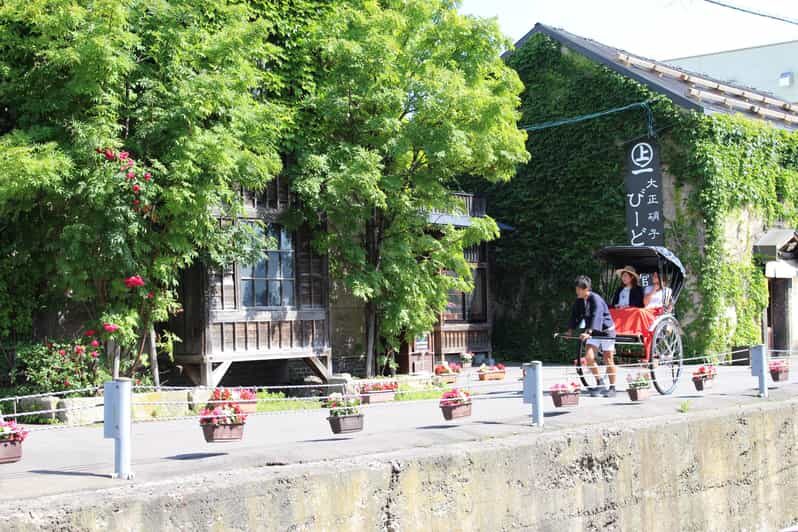
- Private rickshaw, private time: It’s a private group experience rather than a shared bus stop-and-go.
- Japanese-speaking guide included: You get narration as you pass architecture, canals, and harbor areas.
- Seasonal route feel: Summer means a light breeze; winter means snow-covered streets and a cozy, close ride.
- Photo stops built into the tour: You’re guided to pleasant spots for commemorative pictures.
- Higher-vantage viewpoints at times: The route is designed to give you perspectives from above, not only street-level.
- Wheelchair accessible: The activity is listed as wheelchair accessible, but the ride itself still has physical limits to consider.
Why a rickshaw through Otaru feels different than just sightseeing
Otaru is the kind of place where the details matter. A normal stroll is fine, but it’s easy to miss why certain buildings, canal angles, and harbor structures look the way they do. On a rickshaw, the movement is slow enough that you can actually take in what’s in front of you, and the guide fills in the story as you go.
I like the “in-between” feeling here. It’s not museum-stop sightseeing, and it’s not a long, exhausting day. You get a guided ride that can fit into a short window—anywhere from 30 minutes to about 2 hours—so you can stay flexible with your Otaru schedule.
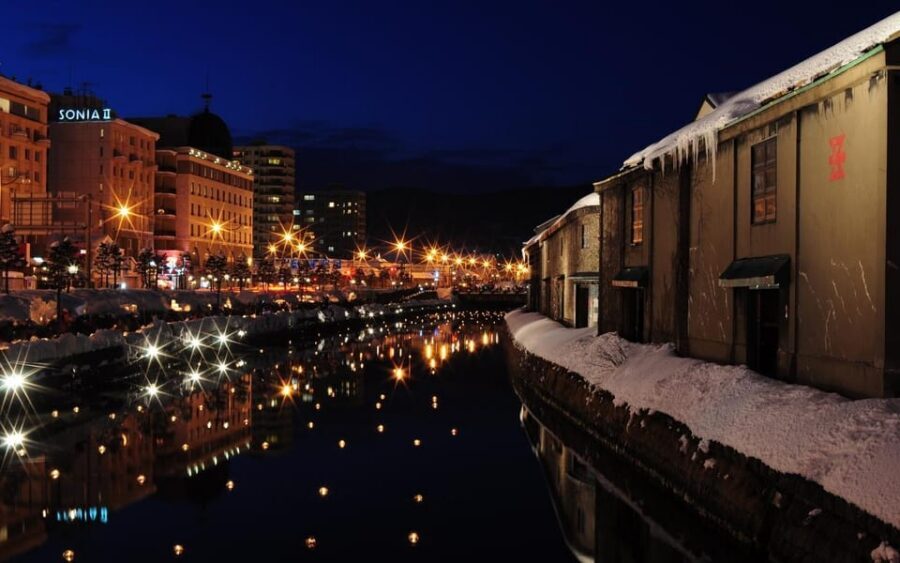
And yes, the romance of it is real. In winter, the ride feels cozy and close, and in summer the air can feel light and pleasant as you roll through the central area. It’s the kind of experience that makes you slow down on purpose.
You can also read our reviews of more private tours in Otaru
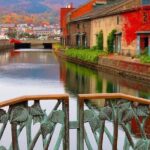
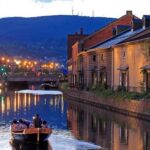
Getting started near the train station or canal bridges
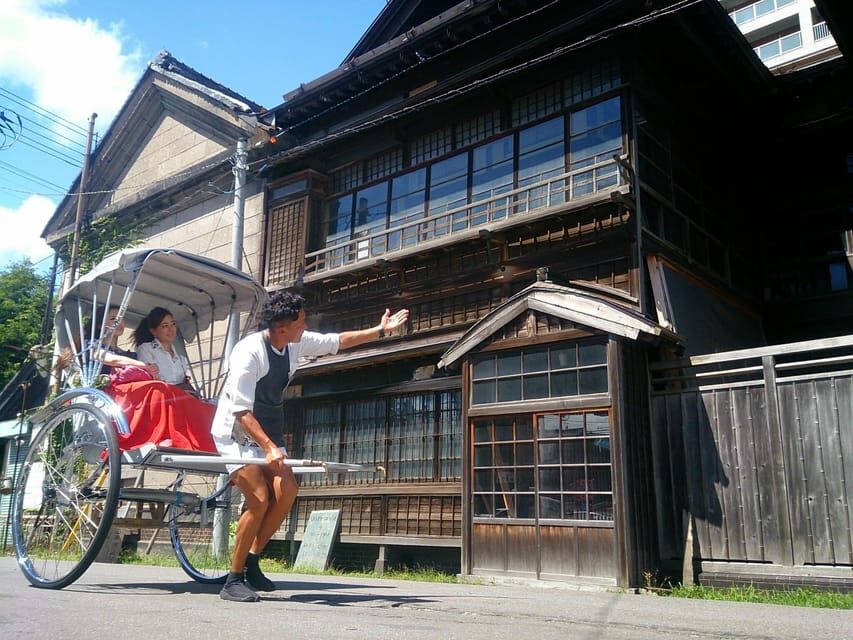
Your trip begins either at Otaru’s iconic train station area or at one of the bridges spanning the central canal. That opening choice matters more than it sounds, because the “first views” set your orientation for the rest of the ride.
If you start at the station, you’ll likely get a smooth transition from arrivals to the historical center. If you start at a canal bridge, you’re immediately placed at a classic Otaru angle—good for orientation and for photos right away.
One practical note: the meeting point can vary depending on the option you booked. So when you confirm, make sure you have the exact spot pinned down. If you’re aiming for a specific time window in Otaru, this avoids the classic “we’re here but not at the right entrance” problem.
Your guide in Japanese: what that changes for your tour
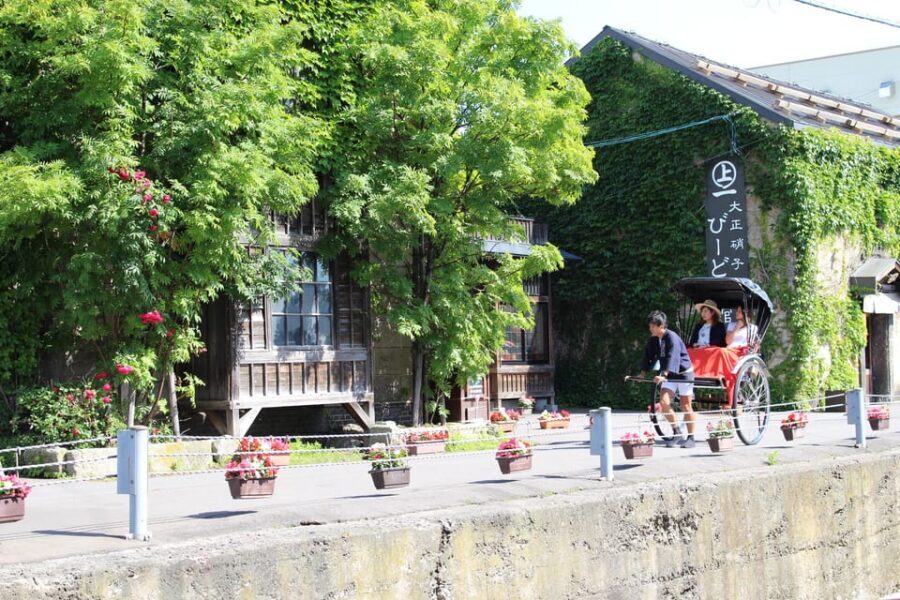
This is a private group experience with a Japanese-speaking guide included. That matters because you’re not just looking at buildings; you’re learning what to look for while the rickshaw passes.
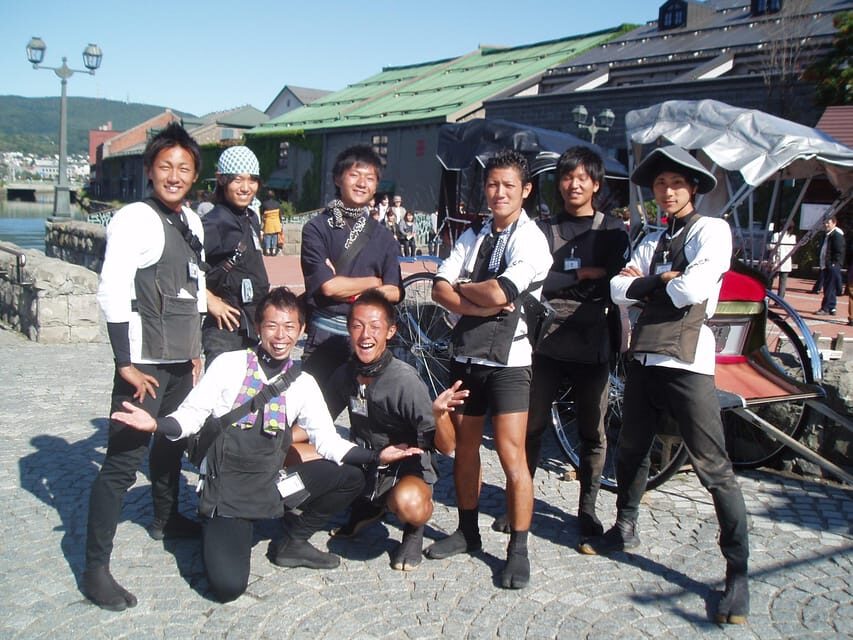
From the rides I’ve read about, the best part is how guides keep it both friendly and informative. Toshy stood out for being ace and for using the time well, and Ed was praised as outgoing and knowledgeable. In plain terms: you’re less likely to feel like you’re watching scenery with no “why” behind it.
What you can expect your guide to do:
- Point out iconic architecture as you glide by
- Share insider facts tied to how Otaru developed as a port town
- Help you choose picture moments so you don’t just stop, pose, and move on
If you don’t speak Japanese, you’ll still benefit from the guide’s explanations, especially since this isn’t a self-guided audio tour. You’ll get context as the scenery appears.
What you’ll actually see: canals, primeval piers, and old port structures
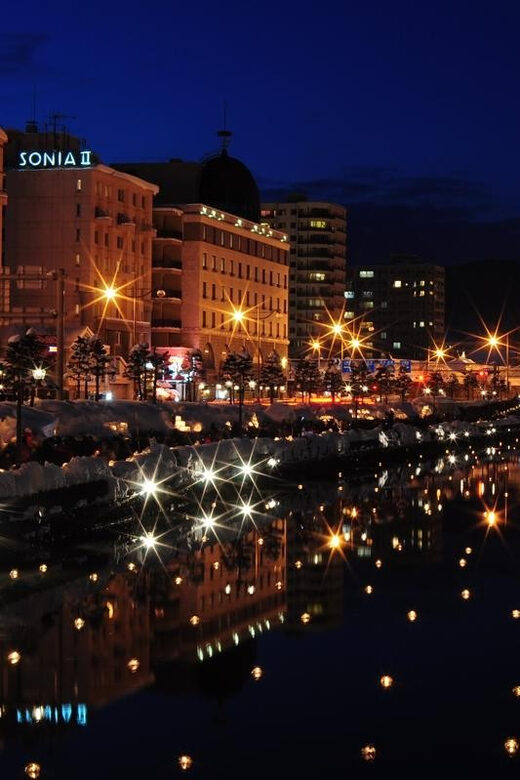
Otaru’s charm is tied to its waterways and its harbor heritage, and the route is designed around that. As your rickshaw moves, you pass primeval piers, canals, and stockyards—areas that help explain how trade and daily life used to function here.
A big advantage of this format is perspective. You’re not simply viewing from one sidewalk. You’re carried alongside the canal and through portions of the central area, which makes the spacing between buildings, the canal bends, and the harbor layout easier to understand.
You also get time on higher ground at points. That’s a thoughtful design choice: from street level, you can miss how Otaru’s shapes connect. A vantage shift helps you connect the dots—where the canal leads, how the port area sits, and why certain structures belong to the same story.
Picture stops that feel worth it, not forced
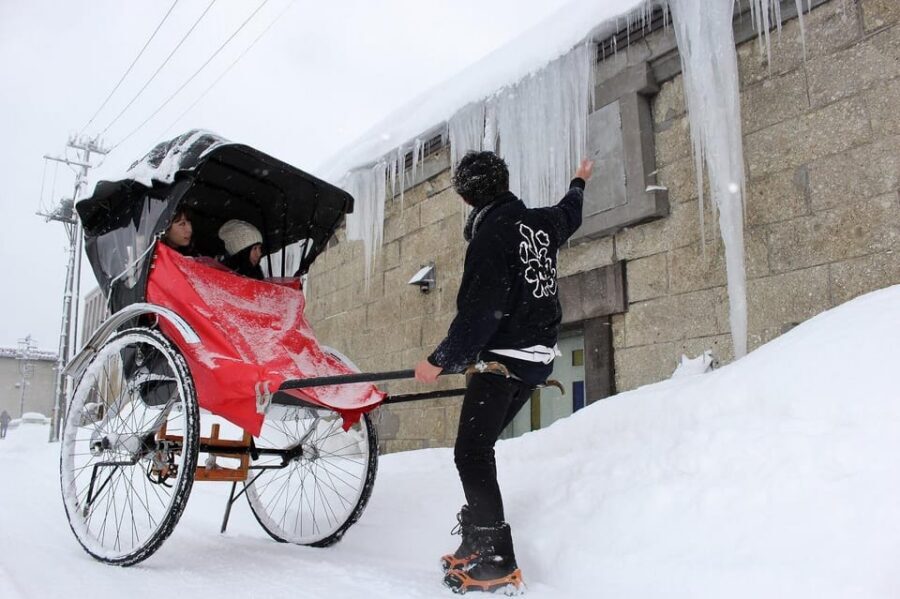
The tour includes stops at beautiful locations for commemorative pictures. I like this because it removes the guesswork: you don’t have to hunt for “the perfect angle” while you’re squeezed into a schedule.
Also, the guide helps you time it. If you stop at the wrong moment—crowds, glare, awkward angles—you lose the whole point. Here, the stops are built into the flow of the ride, so you can focus on the photo rather than on planning it mid-journey.
Quick heads-up: selfie sticks aren’t allowed. If you bring one, leave it behind. It’s a small rule, but it can cause a hassle at the start if you’re used to filming everywhere.
Seasonal ride styles: summer breezes vs winter snow streets
Otaru changes character across the year, and the rickshaw ride matches that. In summer, you can expect a calming breeze as you move through town. In winter, the experience shifts into something more sheltered and snug, with snow-covered streets and a quieter feel.
This is more than atmosphere. Winter also tends to make lights, reflections, and canal views pop. Even without naming specific landmarks, the route is framed around canals and port areas, so those winter conditions amplify the look of the places you’re passing.
So if you’re deciding when to go, think about what kind of memories you want:
- Summer: airy, light, and easygoing
- Winter: cozy, scenic, and visually dramatic
Either way, you’re still getting guide-led storytelling as you pass the major architecture and port settings.
Comfort limits: narrow seat, posture matters, and who should avoid it
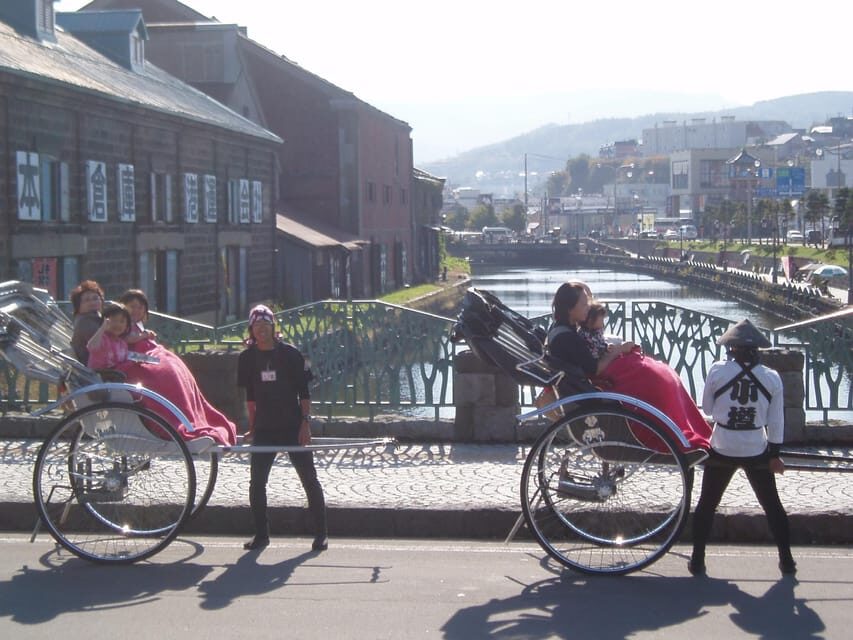
Let’s talk physical reality. The seat width measures 74cm, and it can fit 2 adults. That’s not huge, and it means you’ll want to ride with a comfortable posture and avoid expecting lots of room for shifting.
Here’s what the rules imply for planning:
- For 1 person per rickshaw, you’ll need separate bookings per person.
- If you’re dealing with back problems, this isn’t suitable.
- Pregnant women are not permitted, including expecting mothers in their first 16 weeks.
If you’re traveling as a couple or small group, this setup can be great. But if you’re sensitive about cramped seating, arrive with expectations set. You’ll enjoy the ride more when you’re comfortable, and you won’t spend the journey thinking about your back or shoulder position.
Wheelchair accessible, but still read the fine print
The activity is listed as wheelchair accessible, which is great news if you need that. Still, wheelchair accessibility doesn’t automatically mean every aspect of the ride will work for every body type. Since rickshaws involve getting into a seat and sitting in a specific posture, it’s smart to think about how you’ll transfer and stay comfortable.
If accessibility is a deciding factor for you, confirm the exact arrangement with the provider when you book so there are no surprises.
Price and value: what $35 per person really covers
At $35 per person, this is priced like an experience rather than a major attraction ticket. The big value here is the combination of a private ride plus a Japanese-speaking guide included in the cost.
What’s included:
- Japanese-speaking guide
- The rickshaw sightseeing time within the 30 minutes to 2 hours window
What’s not included:
- Admission fees to attractions
- Food and drinks
- Pick-up and drop-off fees (unless you stay to the main rickshaw stand area)
- Not all locations may be possible, and pricing can vary depending on the location
So the value equation is simple. You pay for guided time and the slow, scenic transport through the central areas. If you’re the type who enjoys learning while you see sights, it’s a good match. If you’re only looking for quick photos and don’t care about explanation, you might feel like you could cover similar areas on your own. But for most people, the guide’s facts and the picture stops are the difference.
Also, you can use the time strategically. If your day in Otaru is packed, booking a 60–90 minute ride can act like your orientation tour, helping you decide what to explore later on foot.
Who this Otaru rickshaw tour suits best
This tour fits best if you want a mix of calm movement, guided context, and scenic stops.
It’s especially worth considering if you:
- Like history and want the “why” behind architecture and port areas
- Want a romantic, scenic way to see central Otaru
- Prefer a shorter commitment with a 30 minutes to 2 hours time range
- Enjoy being guided to photo spots rather than searching on your own
- Want a private group experience without the stress of navigating everything alone
It’s not the right fit if you:
- Have back issues
- Are pregnant in the first 16 weeks
- Need lots of space inside the vehicle
- Plan to use a selfie stick (not allowed)
Should you book this Otaru rickshaw tour?
I’d book it if you want Otaru to feel personal and guided rather than like a checklist. The private setup, the Japanese guide, and the built-in photo moments make it an efficient way to get real understanding of what you’re seeing—especially around the canals and port-linked scenery.
I’d skip it if your priority is covering maximum distance on your own, or if cramped seating is a concern. Also be careful about your expectations around pickup/drop-off and extra fees; the tour cost mainly covers the guided ride, not entrance tickets or meals.
If you’re planning a winter or summer trip and you want a slower, story-based way to experience Otaru, this is a strong choice.
FAQ
How long is the Otaru private rickshaw sightseeing tour?
It runs for 30 minutes to 2 hours, depending on the option you book and availability.
What language is the guide?
The tour includes a Japanese-speaking guide.
Where do we meet?
The meeting point may vary depending on the option booked.
Is it possible to access the tour with a wheelchair?
The activity is listed as wheelchair accessible.
Are selfie sticks allowed?
No. Selfie sticks are not allowed.
What’s included in the price, and what’s not?
A Japanese-speaking guide is included. Admission fees, food and drinks, and pick-up/drop-off fees (for locations other than the main rickshaw stand) are not included.