REVIEW · OTARU
Private Customizable walking Tour in Otaru
Book on Viator →Operated by MY Travel Consulting · Bookable on Viator
Otaru on foot feels made for wandering. I love how flexible this private tour is, and I also like that it strings together the town’s biggest hits without feeling rushed: Otaru Canal views, retro streets, and indoor stops like the Nitori museum. One thing to weigh is the walking pace—4 hours in a row, with possible weather tweaks to the route.
A good guide makes or breaks a short day like this, and the standards here are high. I’ve seen guides such as Hiro and Ken described as patient and schedule-savvy—able to adjust the plan while still covering the essentials, and even extending the time when you’re enjoying it.
Value is solid if you want both sights and local perspective. With pickup offered, a licensed speaking guide, and admission to the Nitori Museum of Art included, you’re paying for guidance and structure; just remember lunch and personal spending are on you.
In This Review
- Key highlights you’ll actually feel
- Why Otaru’s canal-and-street mix works so well
- Otaru Canal: the 1,140 meters of classic gas-lamp nostalgia
- Sakai-machi Street: where retro storefronts lead to real snack ideas
- Otaru Music Box Museum: steam-clock charm in a Meiji-era building
- LeTAO Main Store: a dessert landmark you can plan around
- Kikkogura sake brewery: learning how Hokkaido rice becomes local sake
- Nitori Museum of Art: the former bank hall atrium and stained glass
- How the custom private format keeps the day feeling like yours
- Price and logistics: what $165 buys, and what you’ll add
- Who this Otaru walk is best for
- Should you book this private customizable walking tour in Otaru?
- FAQ
- FAQ
- How long is the Otaru private walking tour?
- Is this tour private or shared with other groups?
- Does the tour offer pickup?
- What’s included in the price?
- Is lunch included?
- Are there ticket apps involved?
- What if I have dietary restrictions?
- Do I need to pay for public transportation?
- What happens if the weather is bad?
- How is the cancellation refund handled?
- What fitness level is recommended?
Key highlights you’ll actually feel
- A private, customizable plan: your guide can steer the order and timing to match your interests
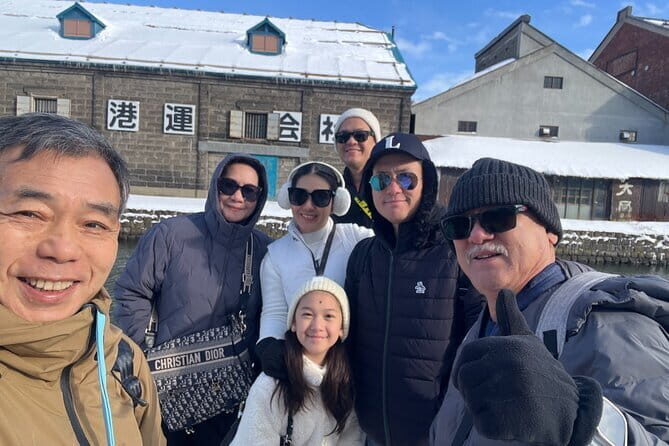
- Otaru Canal’s 63 gas lamps: iconic, photogenic scenery along gentle curves (and it’s free to enter)
- Retro Meiji-era details: the Music Box Museum building and its steam clock create a strong sense of place
- Culture plus calories: LeTAO is a must-stop landmark, especially if you’re into the famous Double Fromage
- Sake-brewing education at Kikkogura: made with 100% Hokkaido rice, with a brewery tour available
- Nitori Museum of Art in a former bank hall: an atrium with classical columns and a Lewis C. Tiffany stained glass gallery
Why Otaru’s canal-and-street mix works so well
Otaru is compact in a way that makes walking feel natural. This tour is built around that idea: you get a slow, scenic opener at the canal, then shift into historic shopping streets and signature indoor stops. In about 4 hours, you can go from “wow, that looks like a movie scene” to “I know what to do with my hands in this town,” like where to pause, what to look for, and what to taste.
The other smart part is that it’s private. That means you’re not trying to keep up with a train of strangers, and you can ask direct questions as you go—especially helpful in Japan when you want small cultural context, not just photos.
The only drawback I’d flag is the timing. Since it’s a walking tour, you’ll want comfortable shoes and a moderate pace. Also, the route might change due to weather, so build a little flexibility into your day.
You can also read our reviews of more walking tours in Otaru

Otaru Canal: the 1,140 meters of classic gas-lamp nostalgia

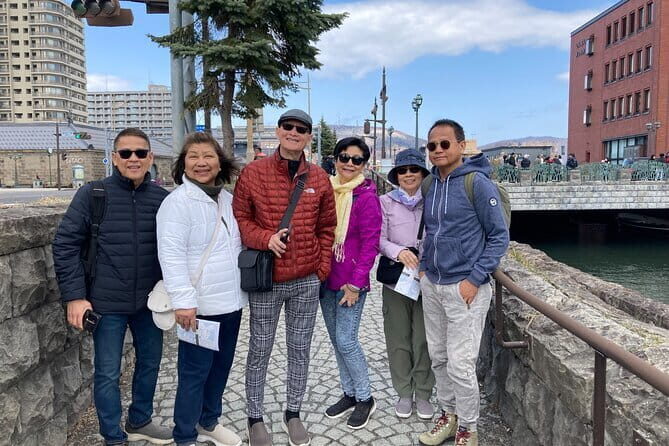
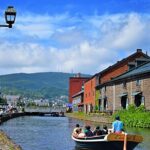
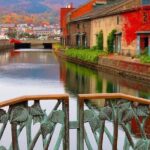
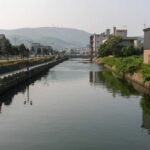
You start with the Otaru Canal, a stretch about 1,140 meters long with gentle curves. It’s one of those places where even if you’re not a “history person,” your eyes still get rewarded: the 63 gas lamps line the water and create that nostalgic vibe Otaru is known for.
This stop is about 30 minutes and admission is free, so it works as a perfect warm-up. I like starting here because it helps you get your bearings fast. Once you’ve seen the canal, the rest of the day clicks: the streets, the museums, and the landmarks all feel connected instead of random.
Practical tip: dress for the weather you’re actually facing. Wind around water can change how long 30 minutes feels.
Sakai-machi Street: where retro storefronts lead to real snack ideas

After the canal, you head to Otaru Sakaimachi Street, the main sightseeing street near the waterfront. It’s about 1 hour, and it’s free to enter, which makes it ideal for browsing without feeling guilty about spending.
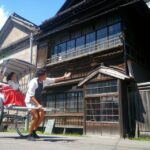
This is where the town’s movie-inspired charm shows up in architecture and atmosphere. The street is formed by historical buildings, so it’s not just a shopping strip—it’s a walk through the style and texture of old Otaru.
The best use of this hour is letting your guide help you match food to your tastes. The tour notes that you can tell your guide if there’s a restaurant you want to visit. That’s a small detail, but it can make a big difference: you’re more likely to land somewhere that fits your mood instead of just picking the first place you see.
Possible consideration: if you’re the type who needs very quiet, rigid itineraries, shopping streets can feel a bit unpredictable. That’s the trade-off for a custom private walk.
Otaru Music Box Museum: steam-clock charm in a Meiji-era building

Next up is the Otaru Music Box Museum for about 30 minutes. What I find compelling here isn’t only the products—it’s the setting. The store sits in a building from the Meiji era (1868–1912), and at the entrance you’re greeted by a steam clock.
That kind of detail matters on a short tour. It turns a quick stop into a mini time machine. And since admission is listed as free for this tour stop, you get the atmosphere without paying extra just to walk in.
What to do during your visit: slow down. Don’t just scan the shelves for souvenirs. Take a minute to notice how the retro decor supports the music-box theme. Even if you don’t buy anything, it’s a fun place to reset your attention.
LeTAO Main Store: a dessert landmark you can plan around
Then you hit LeTAO Main Store, one of Otaru’s best-known stops, about 30 minutes. LeTAO is more than a patisserie here—it’s treated like a local landmark. The tour highlights their signature Double Fromage cheesecake, famous for a light, creamy texture.
Because this is on your list, you can use the stop strategically. If you love dessert, this is your moment to get your fix without hunting for it later. If you don’t, you can still treat it as a “walk-through stop”—see the space, grab a drink, and keep moving.
One note for budgeting: admission to the stop is free as part of the experience, but anything you buy is your own expense. If LeTAO is a priority, you’ll probably want to account for it in your day’s money plan.
You can also read our reviews of more private tours in Otaru
Kikkogura sake brewery: learning how Hokkaido rice becomes local sake
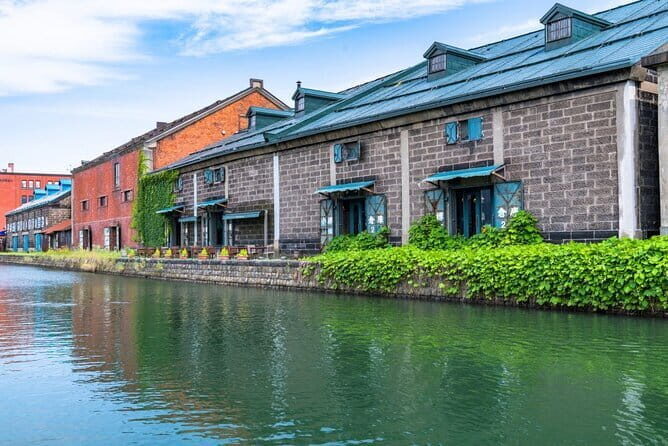
For a change of pace, you visit Tanaka Sake Brewing Kikkogura for about 30 minutes. This is a brewery that uses 100% Hokkaido rice and produces local sake all year round.
The nice practical angle: at Kikkogura, visitors can join a brewery tour any time of the year. That means you’re not relying on a seasonal schedule to get the “brewing process up close” experience described for this stop.
What you can take away from this stop is context. Instead of tasting or buying something blindly, you learn what goes into the local product. That usually makes any purchase afterward feel more meaningful.
Possible consideration: if you’re not into alcohol at all, ask your guide what’s included in the tour flow for your visit. The tour data emphasizes learning and seeing the process, but it doesn’t spell out tasting specifics, so clarifying in advance is smart.
Nitori Museum of Art: the former bank hall atrium and stained glass
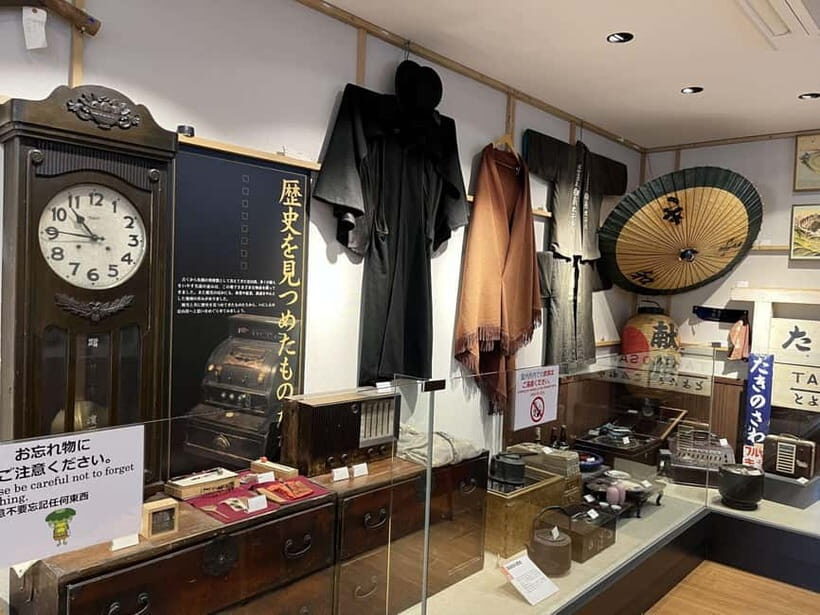
One of the strongest points of the day is Nitori Museum of Art, about 30 minutes, with admission included. This museum is housed in the former Hokkaido Takushoku Bank Otaru branch, and the building itself is a highlight.
The tour notes an atrium that extends to the second floor and features six classical columns—it’s the kind of architecture that makes you stop and look up. There’s also a Lewis C. Tiffany Stained Glass Gallery, which adds color and craft detail to the visit.
If you’re thinking “I’m in Otaru for the streets and canal, not museums,” this is still worth your time because the museum experience is tied to the building’s character. It’s not only about art inside; it’s also about the space you stand in.
Practical tip: this stop can be a welcome break from outdoor walking. If the weather shifts, you’ll appreciate having an indoor anchor.
How the custom private format keeps the day feeling like yours
This is a private tour/activity, so only your group participates. That sounds obvious, but it matters in real life. When you’re with one guide, you can pace yourself, slow down for photos, or skip ahead if you’re ready for the next stop.
The customization is the biggest reason I’d pick this over a rigid group walk. The experience is designed with stops that cover multiple interests—scenery, retro streets, crafts, food culture, and a museum—so your guide can shift focus based on what you care about.
I also like that the guide approach is described as accommodating and patient. One review notes that Hiro was very accommodating and stayed with the group for almost double the scheduled time. Another mentions Ken as a guide who had strong ideas but adjusted the schedule based on interest. That’s what you want when time is short: structure, plus flexibility when your group wants more of something.
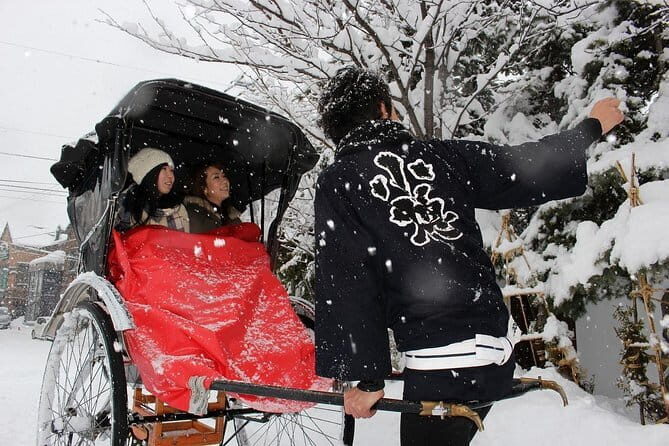
Weather is the one variable. The tour notes that the itinerary might change, so if you’re visiting in a season with rain or snow, keep your plans adaptable.
Price and logistics: what $165 buys, and what you’ll add
At $165 per person, the headline number can look steep until you map what’s included. Here’s what you’re getting in the base price:
- Port or station pickup
- Licensed speaking guide
- Nitori Museum of Art admission included
- Other stops are listed with free entry for this tour flow
- Mobile ticket support
What’s not included is also clear:
- Lunch (roughly $20–30 per person)
- Souvenirs and personal expenses
- Public transportation fees, if you need to take transit during the day
So is it worth it? I think it’s good value if you want a guided day that reduces decision fatigue. Otaru can be straightforward to navigate on your own, but the benefit here is that someone else handles timing, stop order, and the small “what should I look at here?” questions.
The cost is easier to justify if:
- your group wants a dessert-and-culture day
- you like having a guide who can steer you toward good fits
- you want pickup to reduce hassle
The main reason it might not be worth it for you is if you’re the type who enjoys building your own route and doesn’t need a guide for context.
Who this Otaru walk is best for
This tour is best for people who want a compact sampler of Otaru in one morning/afternoon chunk. It suits couples, small families, and friend groups who can share pace and interests.
You’ll also appreciate it if:
- you like retro streets and photography (the canal and Sakai-machi fit that mood)
- you enjoy craft-style stops (the music box museum)
- you want a local product story (the Hokkaido rice sake brewery)
- you’re okay mixing outdoors with indoor time at a museum
It asks for moderate physical fitness. That doesn’t mean “hard,” but it does mean you should be comfortable walking for long stretches on uneven or urban surfaces.
Dietary restrictions are noted as something the tour can accommodate (vegetarian, vegan, gluten-free, etc.). If food matters to your planning, tell the guide your needs at booking.
Should you book this private customizable walking tour in Otaru?
Book it if you want a guided, high-signal day that hits Otaru’s most recognizable themes—canal nostalgia, retro shopping streets, music boxes, LeTAO dessert culture, a sake-brewing stop, and the Nitori museum building—without you having to piece it together.
Skip or reconsider if you hate walking, want a fully free-form day with no scheduled stops, or you’re trying to keep costs very low (because lunch and purchases will add up). Also, if bad weather would ruin your plans, remember the itinerary might shift.
If your goal is to see Otaru in a way that feels intentional—not just accidental—this tour is a strong match.
FAQ
FAQ
How long is the Otaru private walking tour?
The tour is about 4 hours.
Is this tour private or shared with other groups?
It’s private. Only your group participates.
Does the tour offer pickup?
Yes, port or station pickup is offered.
What’s included in the price?
It includes a licensed speaking guide, port/station pickup, and admission fee for the Nitori Museum of Art. Other listed admissions are free for the stops in this route.
Is lunch included?
No. Lunch is not included (about $20–30 per person is suggested).
Are there ticket apps involved?
Yes, there is a mobile ticket.
What if I have dietary restrictions?
The tour can accommodate dietary restrictions such as vegetarian, vegan, and gluten-free. You should indicate your needs at the time of booking.
Do I need to pay for public transportation?
This is a walking tour, so public transportation fees aren’t included. If you need to take bus or train, those costs would be on you.
What happens if the weather is bad?
The itinerary might be changed due to weather conditions or other reasons.
How is the cancellation refund handled?
Free cancellation is offered if you cancel up to 24 hours in advance for a full refund.
What fitness level is recommended?
The tour suggests a moderate physical fitness level.
![[Once-in-a-Lifetime Experience]Tokyo City Go-Kart Experience Tour - Getting There: ALOHA Go-Kart and What You Need Before You Drive](https://images.thejapantraveler.com/wp-content/uploads/once-in-a-lifetime-experiencetokyo-city-go-kart-experience-tour.jpg)