REVIEW · OTARU
Otaru: Private Guided Walking Tour with Local Guide
Book on GetYourGuide →Operated by JGA Inc. · Bookable on GetYourGuide
Otaru is built for slow, curious walking. This private tour puts you on foot through the city’s classic sights and quieter lanes, with a nationally licensed guide who can explain how old trade, fishing, and craft shaped what you see today. You can also shape the route to fit your interests, so it feels less like a checklist and more like a guided day out.
I like the private format, because you can ask follow-up questions and move at a pace that actually works for you. I also like the hit list of stops: the canal walk, the market at Otaru Sankaku Ichiba, and craft stops that make souvenirs feel like part of the story, not just an impulse buy.
One thing to consider: food, drinks, and entrance fees are not included, so your final spend depends on how much you snack, taste seafood, and want to buy at the museums and shops.
In This Review
- Key highlights that make this tour work
- Why Otaru is perfect for a private guided walk
- Picking 4 vs 6 hours without over-scheduling yourself
- Otaru Canal footpath: getting your bearings the right way
- Otaru Sankaku Ichiba: seafood culture in a triangular market
- Otaru Music Box Museum: choosing souvenirs with a story
- Kitaichi Glass: touching craft connected to fishing
- How customization plays out in real life (not just in theory)
- Pickup, getting started, and what the private format changes
- Value check: is $106 per person worth it?
- Who this tour is best for (and who should skip it)
- Should you book this Otaru private guided walking tour?
Key highlights that make this tour work
- Private guide, nationally licensed: English or Japanese with real cultural and historical training
- Two tour lengths (4 or 6 hours): enough time to see Otaru without rushing every photo
- Otaru Canal footpath: the signature walkway through the central area
- Otaru Sankaku Ichiba: a long-running triangular market for seafood atmosphere
- Music Box Museum stop: a nostalgic souvenir moment in a brick-clad building
- Kitaichi Glass craft visit: glasswork tied to the city’s fishing industry
Why Otaru is perfect for a private guided walk

Otaru isn’t the kind of place where you need to sprint between must-sees. It rewards walking, watching, and asking why things are the way they are. That is exactly where a private tour shines. When you have a licensed local guide, you stop seeing the city as buildings and start understanding how people lived, worked, and bought things—especially in a port town where fishing and trade shaped daily life.
On foot, you also catch small details you might miss if you only hop between big landmarks. Even the canal area feels different when someone points out the logic of the streets and the way old commerce spilled into today’s sightseeing. The best part is that you are not locked into one route. You can customize your pace and priorities, or let the guide handle the itinerary planning if you want the day to feel frictionless.
You can also read our reviews of more walking tours in Otaru

Picking 4 vs 6 hours without over-scheduling yourself

The tour runs 4 to 6 hours, with options that let you choose how deep you want to go. If you are the type who likes photos, slow breaks, and a couple of sweet stops, the longer option tends to feel more comfortable. If you have limited time—say, you are traveling on a tight schedule and want the core sights—4 hours is enough to cover the highlights without turning it into a sprint.
Here’s a practical way to decide:
- Choose 4 hours if you want the classic Otaru highlights and a smooth intro, with less time for detours.
- Choose 6 hours if you want more room for questions, extra local spots, and calmer pacing along the canal and market area.
Because the tour is private, your guide can adjust around how you actually experience a place. If you want extra time in one area—whether that is seafood tasting vibes at Sankaku Ichiba or time browsing at the Music Box Museum—you are not fighting a group schedule.
Otaru Canal footpath: getting your bearings the right way
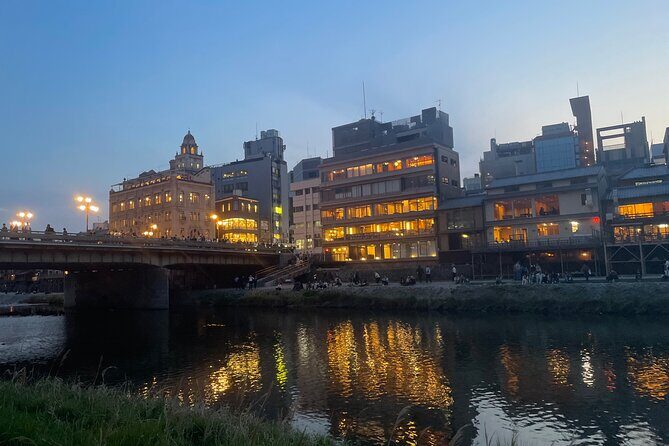
If you want one sight that sets the tone for the whole city, start with the Otaru Canal. The tour includes a relaxing stroll along the canal’s footpath through the central area, which is the heart of Otaru’s sightseeing identity. It is also one of the easiest ways to understand why Otaru became a famous port city in the first place: the canal is where commerce and activity could happen, and today it reads like a built-in reminder of that history.
Walking the canal with a guide does two useful things:
- You see the view, then you get an explanation for what you are looking at.
- You learn how the surrounding areas connect, which helps you navigate later on your own.
Practical tip: wear comfortable shoes. The canal walk is leisurely, but you will still cover distance. Also bring a light layer—this is Japan’s coastal weather, and it can change quickly. The tour runs rain or shine, so you’ll likely want something rain-ready just in case.
Otaru Sankaku Ichiba: seafood culture in a triangular market
Next up is Otaru Sankaku Ichiba, a historic triangular market established in 1957. The triangular shape matters because it reflects how markets were designed to fit trading patterns and foot traffic. Even if you don’t plan a big meal, this is a great place to soak up the rhythm of a working-style market environment.
What I like about this stop is that it is not just a visual experience. You get a sense of what made Otaru a place where food and fishing culture mattered. The tour includes time to taste fresh seafood at Sankaku Ichiba, which helps you connect the explanation you get from your guide to a real, edible experience.
A balanced expectation to keep in mind: the tour does not include food and drinks, so tastings can add up. Still, this is one of the better places to spend money because you are paying for something directly tied to the region, not just a generic souvenir.
If you enjoy markets, you’ll likely appreciate how the guide can point out what is worth tasting based on what you like—fish, shellfish, cooked items, or lighter snack options.
Otaru Music Box Museum: choosing souvenirs with a story
Then you shift from edible local flavor to a craft-and-memory stop. The Otaru Music Box Museum is built around a brick-clad main building that brings a more nostalgic feel to the day. This kind of place is perfect for people who want a souvenir that feels themed to the city’s atmosphere rather than a mass-produced takeaway.
Why it works on a guided walk: the guide can help you understand what you are seeing and how the museum fits into Otaru’s broader identity as a city known for distinctive shops and objects. Even if you only buy one item, it is a good moment to slow down, browse, and pick something meaningful.
If you are traveling with someone who likes music, stationery, small gifts, or display-worthy souvenirs, this is the stop that turns a regular sightseeing day into a memory you can bring home.
You can also read our reviews of more guided tours in Otaru


Kitaichi Glass: touching craft connected to fishing
For many visitors, the most memorable part of Otaru is the way craft is tied to the city’s economic roots. That’s why Kitaichi Glass lands so well on this route. You get to feel and touch the craftsmanship, see impressive glasswork, and learn about the company’s history—plus the important role it played in Otaru’s fishing industry.
This is the stop that changes your mindset. Instead of seeing souvenirs as random purchases, you start seeing how materials, tools, and manufacturing history shaped a whole fishing town. It also helps that you are not just watching from behind glass. The tour includes hands-on time, so you get a more direct connection to the craft.
Practical note: glass souvenirs can be fragile and heavy. If you plan to buy something, think ahead about how you’ll pack it. Bringing a sturdy bag and keeping purchases until you are near your hotel helps.
How customization plays out in real life (not just in theory)
The tour can be customized to your route and interests, or you can let your guide take care of itinerary planning. In practice, customization matters because Otaru can be experienced in different ways. Some people want architecture and canals. Others want markets and food tastings. Others want craft stops and shopping time.
Because this is a private group, your guide can adjust without making you feel like you are breaking a group plan. The result is usually a smoother day:
- If you care more about history, you can ask about how port commerce shaped the city.
- If you care more about food and sweets, you can spend extra time around market and shop areas.
- If you care about shopping, your guide can help you time it so you are not browsing when you are exhausted.
I also like that the guide is bilingual (English or Japanese). That means you don’t lose nuance when you ask a question. A licensed Tour Guide-Interpreter certification means the explanations are built around Japanese culture and history, not just surface-level sightseeing talk.
Pickup, getting started, and what the private format changes
Logistics matter less when the start is easy. This tour includes pickup on foot if you are within a reasonable distance, and otherwise the guide will meet you at your hotel lobby, outside the train station, or at your requested pickup address about 10 minutes before pickup time.
That early timing is helpful. You’re not left standing around wondering if someone missed you. Since the tour is private, you won’t spend your day waiting for a group to assemble.
Also, you’ll be in a wheelchair accessible setting, which is noted for this experience. If you need any specific routing adjustments due to mobility, ask your guide early so the day stays comfortable.
Value check: is $106 per person worth it?
At $106 per person for a private guided walking tour running 4 to 6 hours, the value comes down to what you are trying to get out of the day.
Here’s the way I look at it:
- If you want a guided introduction with context, the price can feel fair. You’re paying for a licensed local interpreter, not just directions.
- If you plan to spend time browsing craft shops and markets anyway, the guide helps you prioritize and avoid aimless wandering.
- If you are mainly trying to do a self-directed canal walk and a couple of photos, you could do it cheaper on your own.
Where this tour earns its money is the combination of private pacing + historical/cultural explanations + flexible routing. Add in stops like Sankaku Ichiba and Kitaichi Glass, and you’re not just buying tickets—you’re getting a framework for why these places matter.
One more reality check: entrance fees are not included, and food and drinks are not included. If you want seafood tastings and souvenirs, budget some extra yen on top. Still, that’s common for a walking tour focused on experiences rather than meals.
Who this tour is best for (and who should skip it)
This private walking tour fits best if you:
- Are in Otaru for the first time and want a smooth, guided orientation
- Want a mix of canal sightseeing, market energy, and craft-related stops
- Prefer asking questions instead of reading signs on your own
- Value English (or Japanese) interpretation with a licensed guide
- Like the idea of flexibility, so your day can match your interests
It might be less satisfying if:
- You are only passing through with a very short port stop and you mainly want a quick photo hit
- You already know exactly what you want to see and you’re confident navigating Otaru on your own
A small but important mindset: Otaru can feel like it deserves time, not a rushed detour. If your schedule is already packed, shorten your expectations or skip the paid guide and do only the parts you truly care about.
Should you book this Otaru private guided walking tour?
Yes, if you want a guided Otaru day that connects sights to culture, and you like walking at a comfortable pace. The private licensed guide is the centerpiece here, and the route is built around places that are easy to enjoy in person—canal views, Sankaku Ichiba market atmosphere, the Music Box Museum for memorable shopping, and Kitaichi Glass for craft that links back to fishing.
Book it with realistic expectations on spending: plan for food and any entrance fees you choose. And if your time in Otaru is tight, decide early whether you want “highlights with context” (the usual win for this tour) or just “fast photos” (where self-guided walking might be enough).