REVIEW · OSAKA
Osaka Castle & Samurai History Walking Tour
Book on Viator →Operated by TripGuru · Bookable on Viator
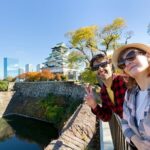
Samurai stories start before you enter the castle. This 3-hour Osaka walk links iconic Osaka Castle sights with military-era sites around the grounds, so you get both big views and specific historical context. You’ll also pass through the quieter pockets many people skip, like Nishinomaru Garden, before ending at Hokoku Shrine.
I especially like two things: first, the tour guides bring the era to life with clear explanations and solid answers. I’ve seen guide names like Shingo Kumagai, Leo, No No, and Rodrigo pop up in past groups, and they all sound like they keep the talk practical rather than textbook. Second, the pacing works well for first-timers because you balance main landmarks with calm breaks—castle tower time, then garden time, then park time.
One consideration: this is a walking tour with some stairs, so wear shoes with grip and expect to move. Also, the main castle museum admission is not included, so your final cost depends on whether you plan to go inside the tower museum.
In This Review
- Key highlights you’ll feel on the ground
- Meeting at Osaka Castle Park: start easy, then walk with purpose
- Osaka Castle main tower time: architecture plus the optional museum cost
- Nishinomaru Garden: a calm pause inside the castle grounds
- Osaka Castle Park: where locals jog and train
- Miraiza Osaka-jo: Imperial Army headquarters and the military story layer
- Hokoku Shrine: Toyotomi Hideyoshi’s legacy in a quieter setting
- Price and value: what $22 gets you, and what might cost extra
- Walking, stairs, and comfort: the small details that affect your day
- How the guides shape the experience (and why it matters)
- Who should book this Osaka Castle & samurai history walk
- Should you book it? My practical take
- FAQ
- How long is the Osaka Castle & Samurai History Walking Tour?
- Where does the tour start and where does it end?
- Is the Osaka Castle Museum ticket included?
- What’s included in the tour price?
- What is the group size limit?
- Do I get a mobile ticket?
- Is the tour suitable for most travelers?
- Is there a group discount?
- Can I cancel for free?
Key highlights you’ll feel on the ground
- A small group (max 20) means it’s easier to ask questions and hear your guide without shouting
- English-speaking guide keeps the history clear, especially around power shifts and battles
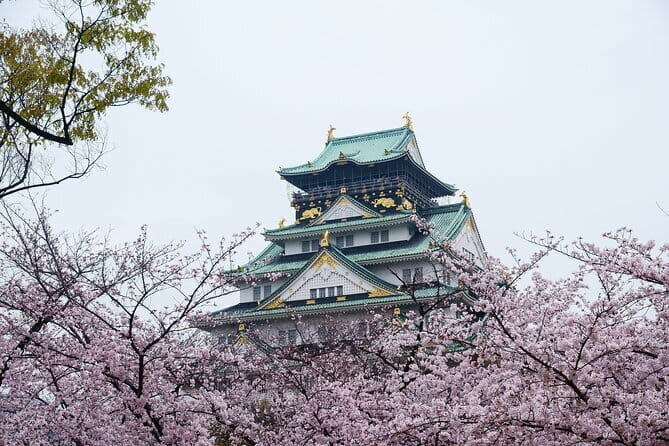
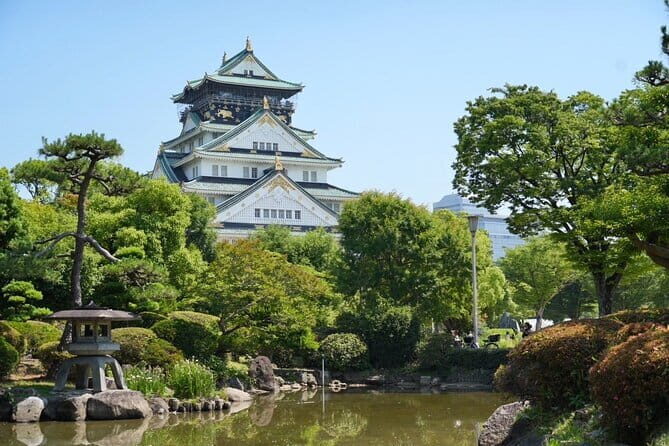
- Osaka Castle views from the main tower area give you a real sense of how the site was meant to dominate the city
- Nishinomaru Garden offers a quieter photo stop with seasonal cherry blossom potential
- Miraiza Osaka-jo and Hokoku Shrine connect the castle story to Japan’s military legacy and Toyotomi Hideyoshi
- Tour ends at Tanimachi 4-chome Station, which can make onward plans simpler than backtracking
Meeting at Osaka Castle Park: start easy, then walk with purpose
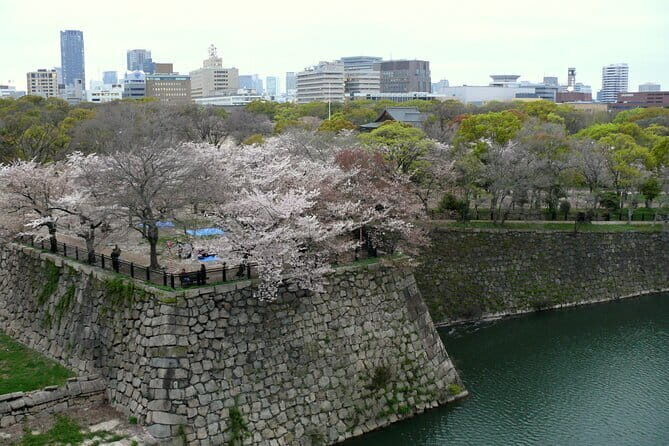
You begin at Ōsakajōkōen Station, near Osaka Castle Park. That matters because Osaka is busy, and the fastest way to enjoy a guided walk is to start the route with minimal stress. You’ll find this tour is designed as a straightforward loop: you meet, follow your guide through the grounds and nearby historical sites, then finish at Tanimachi 4-chome Station.
The timing is also a plus. With an approximate 3-hour schedule, you’re not stuck all day, but you’re not rushing either. It’s long enough for multiple stops, short enough to still have energy for food and evening sights afterward.
You can also read our reviews of more walking tours in Osaka



Osaka Castle main tower time: architecture plus the optional museum cost
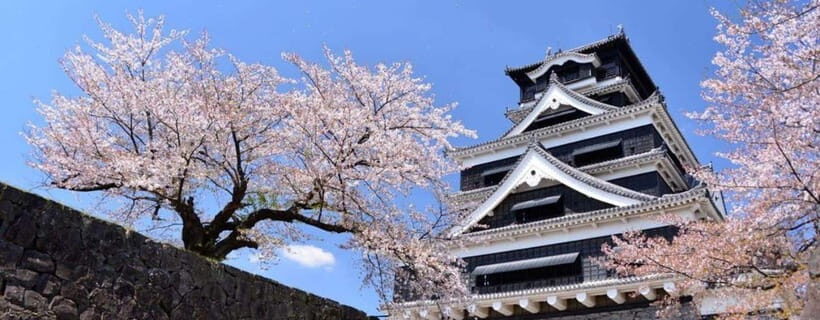
The centerpiece of the experience is the Osaka Castle Main Tower area, where the structure and the surrounding grounds set the tone. Even if you’re not a history superfan, the site hits a few universal travel points: scale, design, and the way the castle sits as a strategic statement. This is also the part where your guide’s explanations really help. You’ll learn how leaders and battles shaped the castle’s role over time, and you’ll see why the architecture isn’t just decoration.
Here’s the practical part: Osaka Castle Museum admission is not included. The fee is 1,200 yen, and 15 years old and below are free. If you only want the exterior views and garden pacing, you can skip paying. If you like artifacts, displays, and deeper story context, budget for the museum ticket.
One tip for planning: decide before you get there. If you think you’ll spend time reading exhibits, factor it in so you don’t feel rushed during your tower block.
Nishinomaru Garden: a calm pause inside the castle grounds
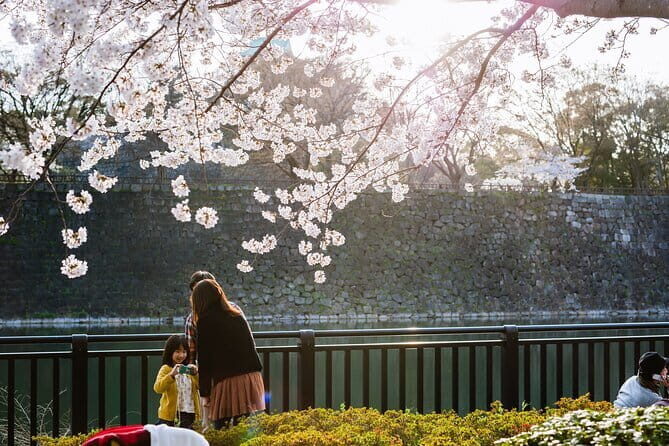
Next comes Nishinomaru Garden, a serene space tied to the days when samurai residences were part of the castle complex. This is the stop where the atmosphere changes from “big landmark” to “quiet courtyard.” You’ll get a scenic setting that works for photos, and the views toward Osaka Castle can be especially satisfying when the garden is in bloom.
What makes this stop valuable is the contrast. Osaka Castle can feel dramatic and loud just from the surroundings. Nishinomaru Garden gives you a reset. It also helps you picture how daily life and military planning coexisted within the same walls—power at the perimeter, calm in designated areas.
If you’re planning your photo timing, keep your phone ready but don’t speed through. A little unhurried walking here makes the whole day feel more complete.
Osaka Castle Park: where locals jog and train

Between the major heritage stops, you’ll spend a short moment in Osaka Castle Park. This isn’t just a scenic walkway. It’s a working public space where you can see locals jogging and practicing martial arts near a place famous for historic warfare.
That’s the underrated value: history doesn’t have to live only behind glass. Watching people train in the same general setting where samurai-era skills mattered gives the tour a grounded feel. Even if your guide focuses on older eras, this park moment shows continuity in daily life.
This portion is brief, so it’s best treated as a stretch-and-breathe moment. Wear shoes you’re comfortable moving in, because a walking tour means you’re always in “step mode.”
Miraiza Osaka-jo: Imperial Army headquarters and the military story layer
Then you’ll visit Miraiza Osaka-jo, a facility that connects the castle area to Japan’s later military heritage. It’s tied to the former headquarters of the Japanese Imperial Army’s 4th Division and also functions as a former Osaka Museum.
This stop can be a turning point for how you understand Osaka Castle overall. When most people hear castle, they picture one era only. Here, you start to see the bigger pattern: the castle’s authority and location continued to matter long after earlier rulers. Your guide’s explanations help you connect dots between leadership, military organization, and why certain buildings and institutions stayed anchored to strategic locations.
Time-wise, the stop is about 30 minutes. That’s a useful length: enough time to grasp the key ideas, not so long that it becomes museum fatigue. If you normally like reading every sign, you might want to move a bit slower through this section. If you prefer high-level story takeaways, 30 minutes will feel just right.
You can also read our reviews of more historical tours in Osaka
Hokoku Shrine: Toyotomi Hideyoshi’s legacy in a quieter setting
You finish at Hokoku Shrine, dedicated to Toyotomi Hideyoshi and his family. This end point is calm compared with the castle tower area, and that pacing choice helps. After seeing architecture, gardens, and military-era context, you get a sacred, reflective space that brings the personal side of leadership into the picture.
This is also where your guide’s historical framing can land. Hideyoshi’s legacy matters in Osaka, and Hokoku Shrine gives you a place to connect names, power struggles, and the reality that leadership shapes built environments.
Plan to slow down at the shrine. Even if you’re mostly there for context, take a moment just to absorb the atmosphere and take your final photos.
Price and value: what $22 gets you, and what might cost extra
At $22 per person, this tour sits in the “good value for a guided walk” category. The main included items are straightforward: an English-speaking guide and a total 3-hour walking tour. You’re also told there are group discounts and you’ll use a mobile ticket.
The biggest value question is the museum admission. Since the Osaka Castle Museum is not included, your final out-of-pocket cost depends on whether you choose to go inside the tower museum. If you’re the type who usually skips indoor exhibits, you can keep spending controlled by focusing on the tower area views and the outdoor stops. If museums are your thing, the museum ticket is a reasonable add-on for a landmark like this.
Also, the tour group size is capped at 20. That’s relevant to value. A smaller group usually means the guide can manage the pace, handle questions, and keep everyone together without feeling chaotic.
Walking, stairs, and comfort: the small details that affect your day
This is a walking tour, and you’ll want to treat it like one. One review mentioned walking and stairs, so plan on some uneven-to-stair transitions inside the castle complex area.
My practical advice:
- Wear grippy shoes, especially if you visit on a rainy day
- Bring a light layer; castle parks can feel breezy near open grounds
- Keep water handy, since you’re moving for about three hours
If you’re visiting Osaka for a first-time sampler trip, this kind of guided structure helps a lot. You don’t have to decide every turn on your own, and you get historical context without turning the day into a museum crawl.
How the guides shape the experience (and why it matters)
What stands out in the guide feedback is not just enthusiasm—it’s how they answer questions and adjust to what the group needs. Past guides named Shingo Kumagai, Leo, No No, and Rodrigo show up as examples of staff who were on time and able to explain the people involved in the castle and battles in a way that feels relevant.
That matters because Osaka Castle can be overwhelming if you only have general knowledge. A good guide gives you the timeline you need to connect what you’re seeing. It’s also helpful for travelers who want to ask about specific rulers or military structure and get a clear response without getting lost in jargon.
Also, if you start early, it can change the feel of the whole day. One group noted that an early morning start turned out to be a smart choice. Even if your schedule is flexible, mornings tend to make walking tours more comfortable.
Who should book this Osaka Castle & samurai history walk
This tour fits best if you want:
- Clear English explanations of why the castle matters
- A blend of major landmarks and calmer grounds like Nishinomaru Garden
- A structured 3-hour plan without giving up your evening
It’s also a good option for first-timers in Osaka who feel a little rusty navigating by train. The meeting point is near public transportation, and the tour ends at another station, so you don’t have to fight the same crowd twice.
If you dislike walking, hate stairs, or want a mostly indoor experience, you might prefer a different style of museum-focused tour. But for most people, most travelers can participate, and the duration is manageable.
Should you book it? My practical take
If you’re visiting Osaka Castle anyway, I think this is an easy yes. For $22, you’re buying a guided storyline plus a route that covers both the showpieces and the quieter pockets. The only real “maybe” comes from the museum decision. If you know you’ll want to go inside the Osaka Castle Museum, plan for the 1,200 yen fee. If you’d rather focus on outdoors and views, you can still enjoy the tour without letting ticket costs balloon.
One more deciding point: you’ll get more value if you like asking questions and want a guide to connect the dots between samurai era power, later military legacy, and Toyotomi Hideyoshi’s place in the story.
FAQ
How long is the Osaka Castle & Samurai History Walking Tour?
It’s approximately 3 hours.
Where does the tour start and where does it end?
It starts at Ōsakajōkōen Station and ends at Tanimachi 4-chome Station.
Is the Osaka Castle Museum ticket included?
No. The Osaka Castle Museum admission fee is not included and is 1,200 yen per person (15 years old and below are free).
What’s included in the tour price?
An English-speaking tour guide and the 3-hour walking tour are included.
What is the group size limit?
The tour has a maximum of 20 travelers.
Do I get a mobile ticket?
Yes. The tour includes a mobile ticket.
Is the tour suitable for most travelers?
Yes, most travelers can participate.
Is there a group discount?
The tour indicates group discounts are available.
Can I cancel for free?
Yes. Free cancellation is allowed up to 24 hours in advance for a full refund.