REVIEW · OSAKA
Osaka: Kyoto & Nara & Uji Historical and Scenic One-Day Tour
Book on GetYourGuide →Operated by Japan Visionary Tour · Bookable on GetYourGuide
One day, three ancient capitals. I like how this route strings together Nara deer feeding and Todaiji’s giant bronze Vairocana Buddha without making you figure out trains or transfers. You also get a real change of scenery as the day moves from temple scale to river calm to Kyoto shrine drama, and your guide keeps you moving. The trade-off is simple: it’s a long day, and you spend plenty of time on the road.
I also like the Uji focus, especially the Uji River stroll and the chance to taste matcha-style treats near Byodoin. Then you finish with the red torii scene at Fushimi Inari Taisha, where that corridor walk turns photos into something you remember. If you want lots of slow wandering, you may feel the schedule is tighter than you’d like.
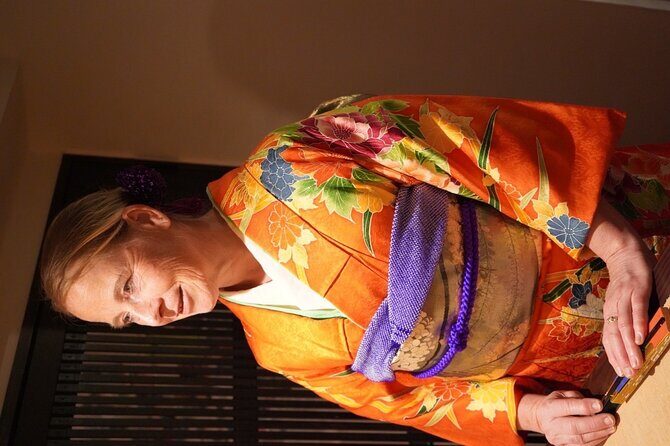
The guide matters here, and the good news is you’ll get one. In one booking, Mia was described as humorous and vivid, and she used WhatsApp to keep the group coordinated, which helps when schedules are packed and timing is everything.
In This Review
- Key highlights worth caring about
- A One-Day Circuit Through Nara, Uji, and Fushimi Inari
- Price and Logistics: What Your $56 Really Buys
- Timing You’ll Feel: Short Stop Blocks, One Big Flow
- Nara Park: Deer Feeding, Photo Time, and Gentle Rules
- Todaiji Temple: Going Inside the Giant Bronze Buddha Moment
- Uji River Stroll and Matcha Culture Time
- Byodoin Temple and the Omotesando-Style Street Feeling
- The Statue of Murasaki Shikibu and Kyoto Prefectural Uji Park
- Fushimi Inari Taisha: Red Torii Corridor With a Real Walk Time
- How the Tour Guide Keeps a Packed Day Working (Mia’s WhatsApp Help)
- What to Bring, What to Wear, and What Not to Do
- Who This Tour Fits Best (And Who Might Prefer Something Else)
- Should You Book This Osaka Kyoto Nara Uji Tour?
- FAQ
- What’s the duration of this tour?
- Are admission fees to Todaiji Temple and Byodoin Temple included?
- Is the tour guide available in English?
- What should I bring?
- Is pickup available?
- Is this tour suitable for wheelchair users or animal allergies?
Key highlights worth caring about
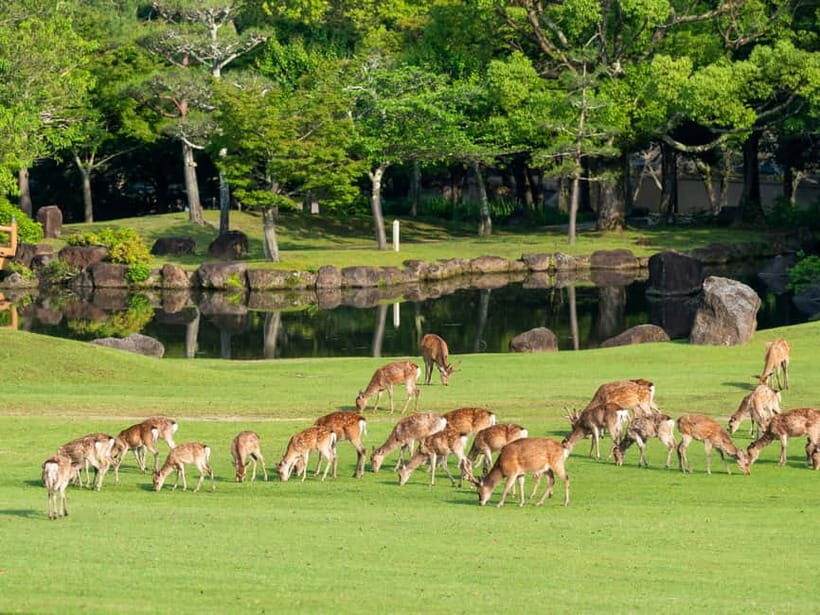
- Nara Park deer time with specific guidance on feeding wild animals and great photo moments
- Todaiji Temple’s Vairocana Buddha and a World Cultural Heritage stop with a short, focused visit
- Uji matcha culture through river walking and time around Byodoin-area food streets
- Byodoin Temple calm after busier stops, with a quieter feeling you can actually notice
- Fushimi Inari’s thousand torii corridor walk time that fits a one-day itinerary
- An English-speaking guide plus air-conditioned transport that saves you stress and navigation work
A One-Day Circuit Through Nara, Uji, and Fushimi Inari
This is built like a guided “great sights” loop across Honshu’s cultural heavy hitters. In 8 to 10 hours, you cover Osaka-area starting points (depending on option), then swing into Nara, Uji, and Kyoto for the Fushimi Inari finale.
The value is that you’re not piecing the day together yourself. You’re paying for a guide, an air-conditioned vehicle, and the vehicle costs that usually make DIY plans annoying—tolls, parking, and fuel are handled.
The downside is that it’s still four major areas in one go. You’ll enjoy each stop most when you go in with the right expectation: shorter sightseeing blocks, photo-friendly timing, and a steady pace.
You can also read our reviews of more historical tours in Osaka
Price and Logistics: What Your $56 Really Buys
At $56 per person, this is the kind of deal that works best if you’re optimizing for convenience over time. What’s included is practical: an English-speaking tour guide, round-trip air-conditioned transportation, and vehicle-related fees like tolls, parking fees, and fuel fees.
What’s not included is also important. Admission to Todaiji Temple and Byodoin Temple is not included, and meals and beverages are on you. That means your real budget is $56 plus whatever you choose to pay for entry and food during the day.
If you’re traveling without a car and you don’t want to manage train transfers plus walking plus shrine and temple entry timing, this price starts looking fair fast. If you hate tight schedules, you might end up wishing you could buy a slower version in exchange for less road time.
Timing You’ll Feel: Short Stop Blocks, One Big Flow
The day runs from pickup (option dependent) through multiple sightseeing sections, with defined time windows. For example, Nara Park is listed as 45 minutes free time and sightseeing, and Todaiji is about 30 minutes sightseeing.
In Uji, the sightseeing window is longer at 2 hours, which is helpful because matcha culture usually works better when you’re not rushed while walking the river area and the Byodoin surroundings. Then you get a break and photo stop at Fushimi Inari Taisha, with about 70 minutes for the walk and free time.
If you’re the kind of person who likes to sit for a while, linger at gift shops, or read every sign slowly, plan to treat this as a guided highlights day. Think of it like a fast sampler that still hits the major icons.
Nara Park: Deer Feeding, Photo Time, and Gentle Rules
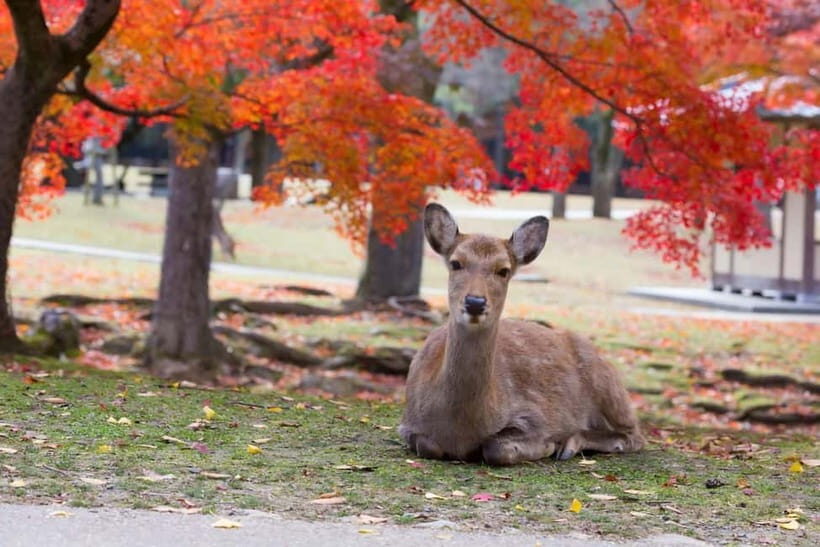
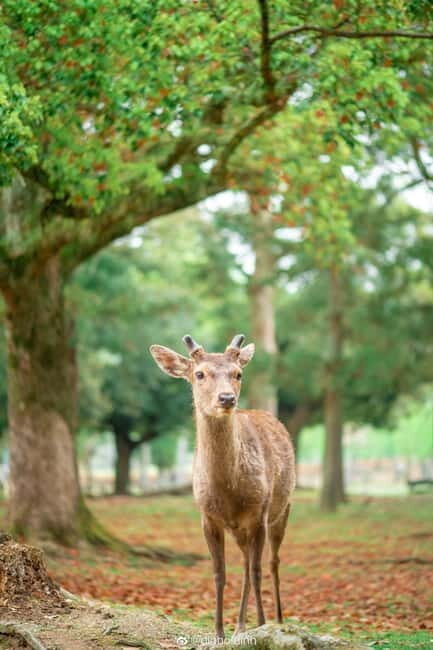
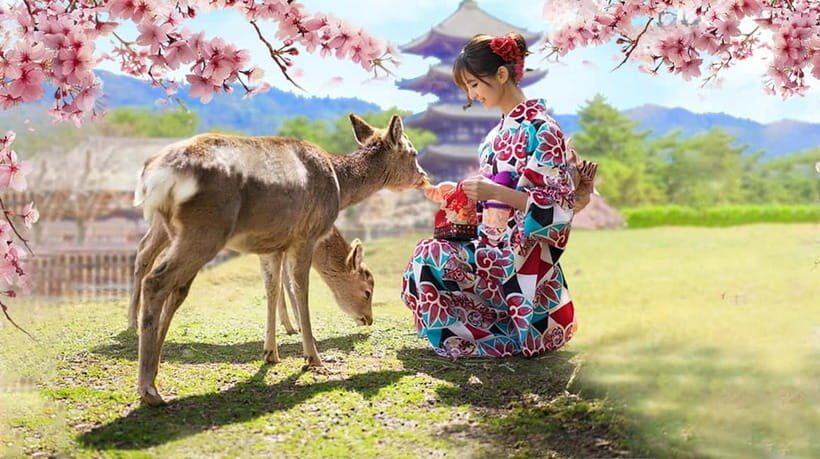
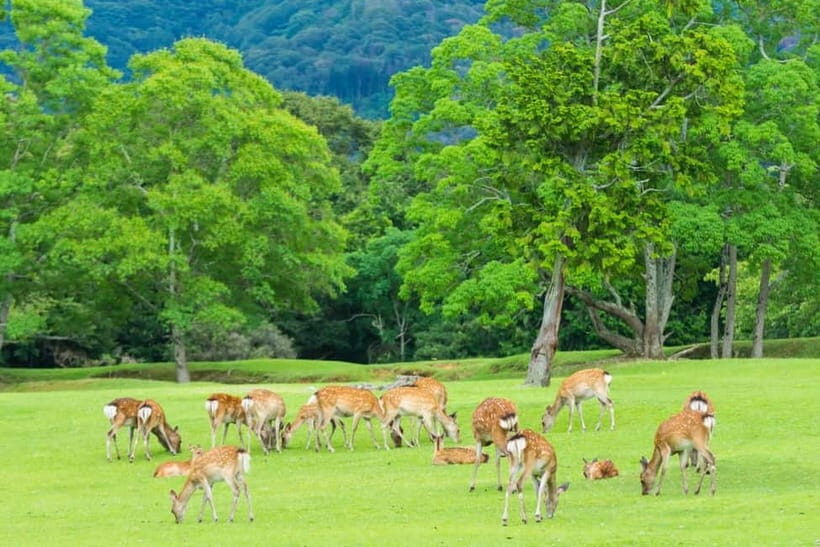
Nara Park is the “immediate fun” part of the route. The plan is Nara Park free time (45 minutes), with the big attraction being the deer that are basically Nara’s calling card.
You’ll get close, you’ll take pictures, and you’ll get a snack experience with the deer—as long as you follow the guide’s instructions. The tour information is clear that the deer are wild animals, so don’t treat this like a petting zoo. Listen, move carefully, and follow what your guide says about feeding.
Practical tip: bring your best photo shoes. You’ll want to be able to stand and move around without slipping, and you’ll likely spend time positioning for shots. Also keep an eye on your snack timing; you don’t want to spend your whole window chasing the perfect moment.
This stop is one of the most memorable “human scale” experiences on the day because it’s interactive. Temples are awe. Deer are delight.
Todaiji Temple: Going Inside the Giant Bronze Buddha Moment
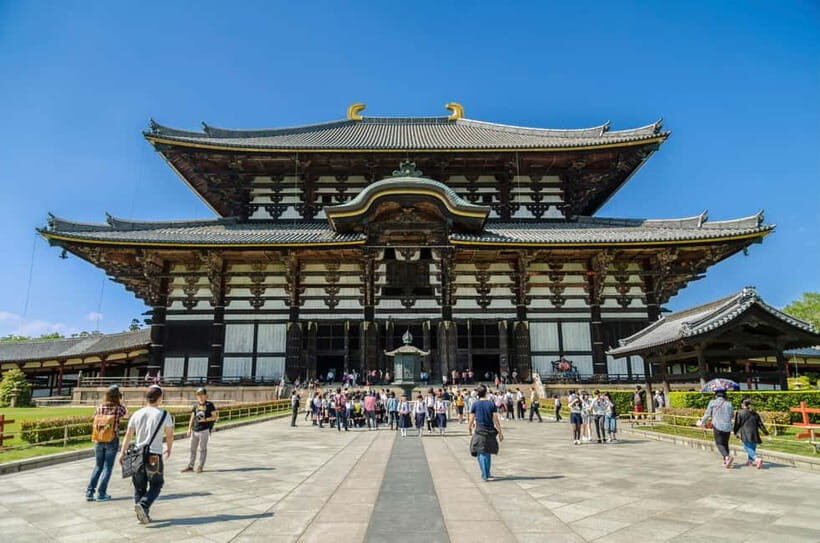
Then comes Todaiji Temple, a World Cultural Heritage stop tied to Buddhist art. You’ll have about 30 minutes there for sightseeing, which isn’t long, but it’s enough to see the main focal point and feel why people call this one of Japan’s big temple moments.
The key detail is the huge bronze Buddha statue of Vairocana Buddha, standing tall in the temple. Even without getting lost in a museum-style reading, the scale is the point. You’ll feel the solemnity and grandeur the moment you’re inside and looking up.
The main consideration is pace. With only 30 minutes, you’ll want to decide quickly what you care about most—main statue area, photo spots where permitted, and any surrounding viewpoints you want to catch before the group moves on.
Also remember: admission to Todaiji is not included, so expect to pay that on-site if you want full entry.


Uji River Stroll and Matcha Culture Time
Uji is where the day slows down a bit in mood, even if it doesn’t slow down much in schedule. You’ll get 2 hours of sightseeing in Uji, plus additional Uji River time.
The Uji River walk is a break from crowd energy. The tour description frames it as a calm, scenic stroll, and it’s the kind of place where you can actually feel the day shift from “temple wow” to “tea town quiet.”
Then there’s the matcha focus. Uji is presented as the source of matcha, and the route specifically includes Uji Matcha Food Street time to taste matcha desserts. You also get exposure to the idea of traditional tea ceremony through the experiences around the food street area.
Practical tip: treat this as your main food window. Since meals aren’t included, Uji is often where you’ll do most of your eating, and it’s easier to justify spending a bit extra here than buying a random snack later.
Byodoin Temple and the Omotesando-Style Street Feeling
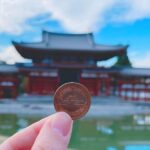
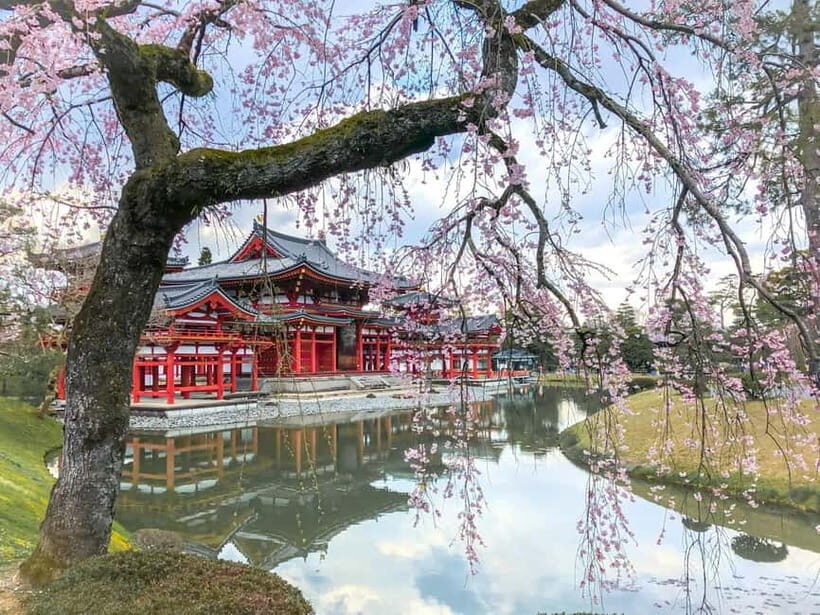
After river and matcha time, you’ll visit Byodoin Temple. The tour describes it as historic, tranquil, and solemn, and it’s paired with the idea of nearby Byodo-in Omotesando being a street full of local delicacies.
You’ll also see Byodoin Omotesando mentioned as the surrounding area for snacks and local food, and this is where the mood matters. You’re not just moving through a temple; you’re getting a little of the “everyday” around it—people shopping, eating, and strolling rather than only worshipping.
Like Todaiji, Byodoin Temple admission is not included, so expect a separate ticket cost when you want to enter.
If you’re sensitive to crowds, this part of the day may feel like a relief. It’s still a tourist spot, but the tone is described as calmer, which usually means you can take your time with photos and breathing room.
The Statue of Murasaki Shikibu and Kyoto Prefectural Uji Park
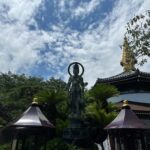
Between Uji’s temple focus and the river/matcha areas, the route includes two extra sightseeing stops: the Statue of Murasaki Shikibu and Kyoto Prefectural Uji Park.
These are smaller blocks in the itinerary, but they’re useful. They break up long travel segments, give you short photo moments, and keep the day from feeling like nonstop shrine entry.
Because no extra museum-style details are provided, treat these as “walk-and-look” stops. You’re here for the overall Uji feel—riverside calm, matcha food areas, and Byodoin—so use these to reset your legs and keep energy for Fushimi Inari later.
Fushimi Inari Taisha: Red Torii Corridor With a Real Walk Time
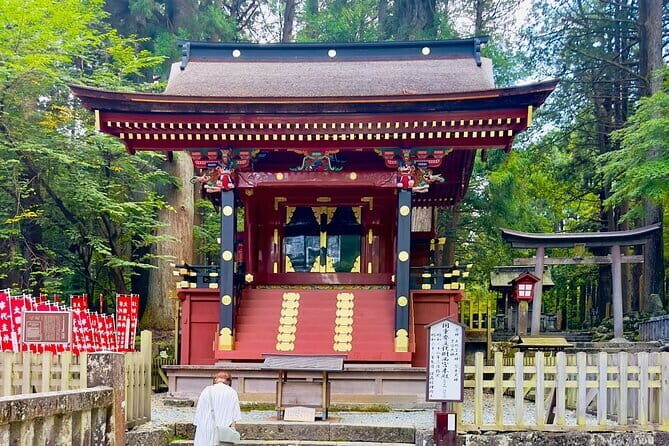
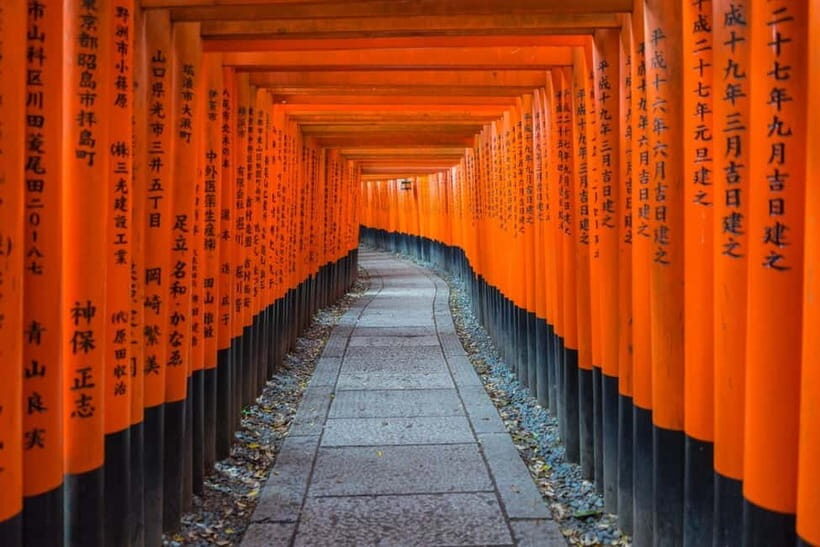
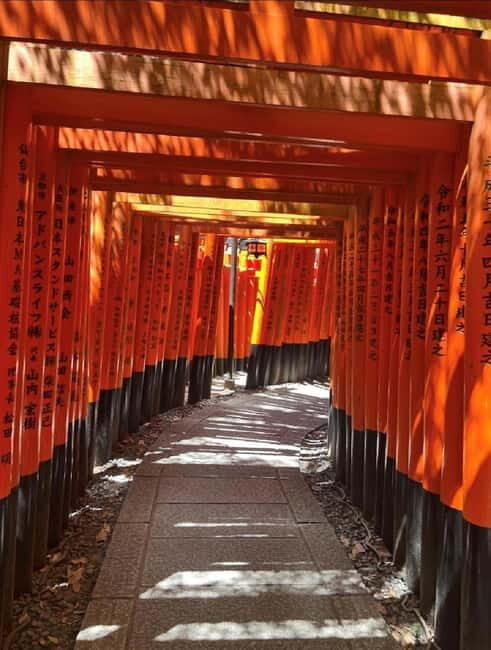
Finally, you reach Fushimi Inari Taisha, one of Japan’s most recognizable shrine experiences for its thousand red torii gates. The tour frames it as a spectacular corridor where sunlight shines through the gaps in the torii.
You’ll get a break time, photo stop, free time, and sightseeing, with a walk time listed at about 70 minutes. That’s enough time to get a taste of the corridor and capture a few “standing inside the torii” shots, but it’s not enough to treat it like a hike for hours.
Practical tip: go with a simple plan for your 70 minutes. Pick a point you want to reach, take photos on the way, and save energy for the moments where light and perspective look best. If you chase the deepest parts without a plan, the clock can steal your favorite photo angle.
How the Tour Guide Keeps a Packed Day Working (Mia’s WhatsApp Help)
This kind of one-day route lives or dies by communication. Your tour includes an English-speaking guide and is described as live-guided, with guide languages listed as Chinese and English.
One booking specifically mentioned Mia—humorous, vivid, and detailed explanations that helped make sense of what you’re seeing. Another key detail was WhatsApp use to connect with the group throughout the trip. That kind of messaging matters when schedules shift due to weather or traffic, because people need fast updates.
If you want the best experience, listen closely at the start. In particular, your deer feeding rules will be the difference between a fun moment and a stressful one. Your guide also helps you keep moving so you don’t lose time to confusion.
What to Bring, What to Wear, and What Not to Do
This is a sightseeing day with a moderate amount of walking. The tour is very clear about your basics: comfortable shoes and water.
Also note:
- Smoking is not allowed during the tour.
- The deer are wild animals, so follow guide instructions when feeding them.
- If you’re pregnant or aged 70+, you’re asked to sign a travel waiver upon arrival.
One more practical note: Japanese traffic laws count babies as passengers, so if you’re traveling with an infant, you should indicate it when booking so the group isn’t overloaded.
Who This Tour Fits Best (And Who Might Prefer Something Else)
This tour is a strong fit if you want:
- Iconic highlights in Nara, Uji, and Kyoto without navigating transport
- A guide to explain what you’re seeing and help you stay on schedule
- A convenient way to try matcha desserts without building the day yourself
It’s less ideal if:
- You need long, unstructured time at each site
- You have to avoid animals (the tour says it’s not suitable for people with animal allergies)
- You need wheelchair access (wheelchair users aren’t suitable)
If you’re the type who wants to slow-travel every area, you’ll likely feel the day’s pressure. But if you want a well-paced, guided highlights day, this hits the core sights.
Should You Book This Osaka Kyoto Nara Uji Tour?
I’d book it if you’re on a tight schedule and you’d rather pay a fair price for transport + guide support + main sights. The stops are the right mix: deer for fun, Todaiji for scale, Uji for matcha and calmer walking, and Fushimi Inari for the signature torii corridor.
Skip it if your priority is deep time in one place. The day is built around short blocks, and you’ll feel the “road time” even with the best guide.
One smart way to decide: ask yourself if you want to solve logistics on your own or just show up, follow instructions, and collect those iconic images. If that sounds like your style, this one-day loop is a solid value.
FAQ
What’s the duration of this tour?
The tour runs about 8 to 10 hours.
Are admission fees to Todaiji Temple and Byodoin Temple included?
No. Admission to both Todaiji Temple and Byodoin Temple is not included.
Is the tour guide available in English?
Yes. The tour includes a live tour guide, with Chinese and English listed for languages.
What should I bring?
Bring comfortable shoes and water.
Is pickup available?
Pickup is optional, and details about pick-up time and location are emailed to you the evening before the tour.
Is this tour suitable for wheelchair users or animal allergies?
No. It’s not suitable for wheelchair users, and it’s also not suitable for people with animal allergies.