REVIEW · TOKYO
Full Guided Mt. Fuji & Shiba-Sakura Festival One Day Pvt.Tour
Book on Viator →Operated by Sato · Bookable on Viator
Mount Fuji in one day is doable. This private trip stacks the classic Fuji views plus shrine-and-lake stops, with a real sense of pacing. I love the private, air-conditioned van for a smooth day, and I also like that named drivers such as Dev and Wasi are described as patient and flexible. The one thing to plan around is weather: when clouds roll in, Fuji can hide, and your best views depend on what the day gives you.
You’ll spend about 10 hours in a tight but not frantic loop around Fujiyoshida and the Kawaguchiko area. I also like the practical add-ons built into the plan, like an on-board hotspot to help you navigate and find photo angles. The trade-off is that there are a couple small on-the-spot costs, and there’s no guarantee you’ll have a guaranteed rest stop on the move since a restroom on board isn’t included.
If you’re trying to see Mount Fuji without climbing it, this itinerary makes a lot of sense. You get a mix of viewpoints (5th Station and Chureito), traditional culture (shrines and old homes), and lakeside scenery (Kawaguchiko and nearby parks). Just remember: your best photo moment is not something you can force with good planning alone, so I’d treat this as a day for smart experiences, not a promise of a perfect peak.
In This Review
- Key highlights at a glance
- A private Mt. Fuji day trip that actually fits your schedule
- Your route clock: how the 10 hours get spent
- Stop 1: Mt. Fuji Subaru Line 5th Station at 2,305 meters
- Stop 2: Chureito Pagoda and Arakura Sengen Shrine photos
- Stops 3-4: Oshino Hakkai ponds and Kitaguchi Hongu Fuji Sengen Jinja
- Oshino Hakkai: the eight clear-pond moment
- Kitaguchi Hongu Fuji Sengen Jinja: Fuji worship in shrine form
- Stops 5-6: Lake Kawaguchiko and Oishi Park views
- Lake Kawaguchiko: reflections, seasonal timing, and easy wandering
- Oishi Park: gardens and seasonal flower structure
- Stop 7: Saiko Iyashi no Sato Nemba and traditional old homes by the lake
- Guide quality and private-van comfort: what you gain beyond the photos
- Price and value: $550 for up to two, plus two small on-site fees
- Weather reality: how to maximize your odds of seeing Mount Fuji
- Who this tour suits best
- Should you book this Mt. Fuji and Shiba-Sakura one-day private tour?
- FAQ
- How long is the one-day Mt. Fuji tour?
- What’s the group size and price?
- Is pickup included?
- Are entrance fees included for each stop?
- Is lunch included?
- What’s the cancellation policy?
Key highlights at a glance
- Private van, not cattle-car crowds: You go as one group (up to 2) with room to spread out a bit.
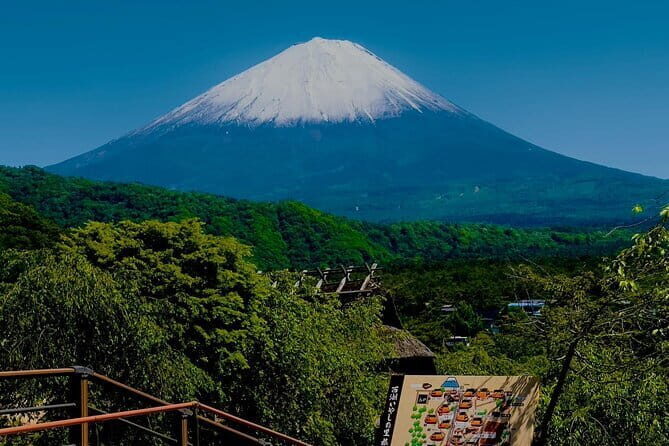
- Fuji views without a summit climb: 5th Station and the pagoda give you iconic angles fast.
- Oshino Hakkai’s clear-pond scenery: Eight-pond water country is a quick step from postcard Fuji.
- Shrines and traditional streets, not just viewpoints: Kitaguchi Hongu Fuji Sengen Jinja adds cultural depth.
- Kawaguchiko plus two different “extras”: Oishi Park for gardens and Saiko Iyashi no Sato Nemba for old homes.
- Two small fees to expect: Plan for the 5th Station fee and the Nemba village fee.
A private Mt. Fuji day trip that actually fits your schedule
A one-day Mount Fuji plan can go two ways: either you see a lot and feel rushed, or you see a little and feel like you paid for waiting. This route aims for the sweet spot. The stops are concentrated around Fujiyoshida and Lake Kawaguchiko, so you’re not wasting your day zigzagging back and forth.
You’ll be in an air-conditioned vehicle with your own driver, and pickup is offered. That matters in Tokyo, where getting out of the city can eat hours if you’re on public transit. Also, since this is priced per group (up to 2), the math can work out well if you’re sharing the ride with a partner or small family circle.
One more practical point I appreciate: you can use a mobile ticket, and there’s a hotspot on board. That’s handy when you’re trying to check timing, confirm which side of a viewpoint you want, or just keep the day from feeling like a blur of screenshots.
You can also read our reviews of more guided tours in Tokyo

Your route clock: how the 10 hours get spent
The day is structured like a “greatest hits” loop, with time at each site rather than nonstop sightseeing. The listed stop times add up to roughly the full day, and the remaining time is the drive between locations.
Here’s the flow in plain terms:
- Start high: 5th Station first, when visibility and light are often better.
- Go iconic: Chureito Pagoda next for the classic Fuji-with-pagoda look.
- Switch to nature and culture: Oshino Hakkai ponds and a Fuji-related Shinto shrine.
- Finish lakeside: Lake Kawaguchiko, then Oishi Park, and then the traditional village at Saiko.
This order also helps you avoid the “photo fatigue” problem. You’re not trying to do the most crowded picture spots at the end of a long day. You’re hitting the heavier visual targets early.
Stop 1: Mt. Fuji Subaru Line 5th Station at 2,305 meters
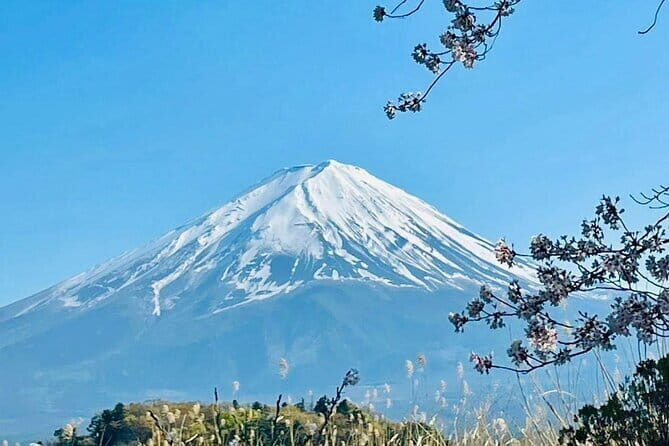
The 5th Station is the smart choice if you want Fuji’s size and mood without committing to a full climb. It sits at about 2,305 meters on the Yoshida Trail, and it’s one of the most accessible starting points for both climbers and day visitors.
At this stop, you’re really there for two things:
- Views of Mount Fuji and the surrounding area (when the sky cooperates).
- A taste of the Fuji world—shops, restaurants, and the atmosphere of people coming to experience the mountain.
One caution: there’s a fee noted for the Subaru Line 5th Station (listed as ¥2,100, not included). The itinerary text labels admission as free, so treat this as one of those “plan for a small on-site payment” situations rather than something you can ignore.
Also, there’s mention of an optional shuttle service fee depending on whether you want to go up. If you’re traveling with kids, someone who prefers less walking, or you just want the day to stay comfortable, this can be a useful choice. Ask the driver what’s worth it once you arrive.
Stop 2: Chureito Pagoda and Arakura Sengen Shrine photos
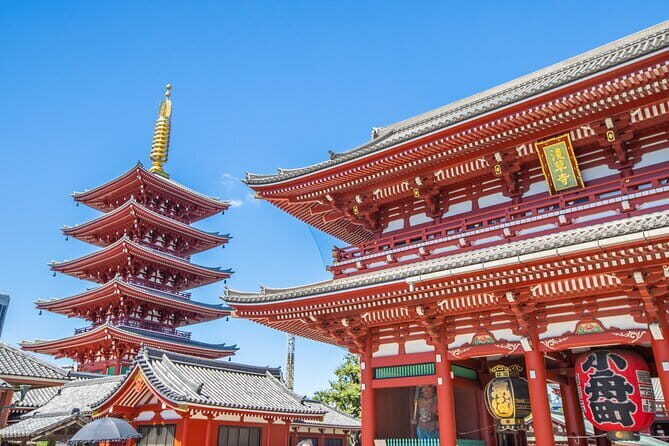
Chureito Pagoda is the one-stop in this itinerary that screams postcard. It’s part of Arakura Sengen Shrine in Fujiyoshida, and it’s famous for how Mount Fuji frames the pagoda—especially during seasonal highlights like cherry blossoms and autumn colors.
This is also the stop where timing can make a huge difference. People love family pictures here, and a practical tip from real driver experience: go early to reduce crowds and improve your odds of getting clean views.
Plan for a simple rhythm: arrive, take a few wide-angle shots from the approach, then walk to your preferred angle and slow down. If you rush, you’ll miss the little details—like how the pagoda sits against the mountain line when visibility is good.
Admission is marked as free in the schedule, so your main “cost” here is time and patience, not money.
Stops 3-4: Oshino Hakkai ponds and Kitaguchi Hongu Fuji Sengen Jinja
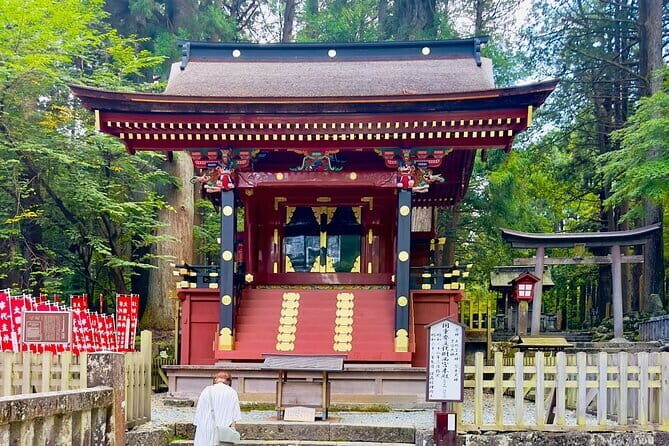
Two stops here give you a nice contrast. You go from a stone-and-water setting (Oshino Hakkai) to a living religious space (Kitaguchi Hongu Fuji Sengen Jinja).
A few more Tokyo tours and experiences worth a look





Oshino Hakkai: the eight clear-pond moment
Oshino Hakkai is known for its eight ponds fed by melted snow from Mount Fuji. The water is described as crystal clear, and the place feels calm and grounded compared to the more crowded view spots.
What I like about including it in a one-day plan: it slows the day down without wasting it. You’re not traveling somewhere just to look and leave. You’re walking around a small natural area where the scenery is the point.
It’s also a good “reset stop” if you’ve already been up at 5th Station. The atmosphere is different, and it helps you enjoy Fuji as a landscape of water and stone, not only a peak.
Kitaguchi Hongu Fuji Sengen Jinja: Fuji worship in shrine form
Then you move to Kitaguchi Hongu Fuji Sengen Jinja, a Shinto shrine linked to Mount Fuji worship. It honors Konohanasakuya-hime, the deity associated with the mountain, and it’s described as a key starting point for pilgrimages.
This stop isn’t long, but it’s meaningful. You’ll see traditional Japanese shrine structures such as large torii gates and main halls. If you like places where you can feel the local rhythm—ritual, architecture, and symbolism—this adds depth to a day that could otherwise become all “photo stops.”
Admission is marked free, so again, the main thing you’re paying with is attention.
Stops 5-6: Lake Kawaguchiko and Oishi Park views
Now the day turns lakeside, and this is where the vibe shifts from “Fuji moments” to “Fuji daydreams.”
Lake Kawaguchiko: reflections, seasonal timing, and easy wandering
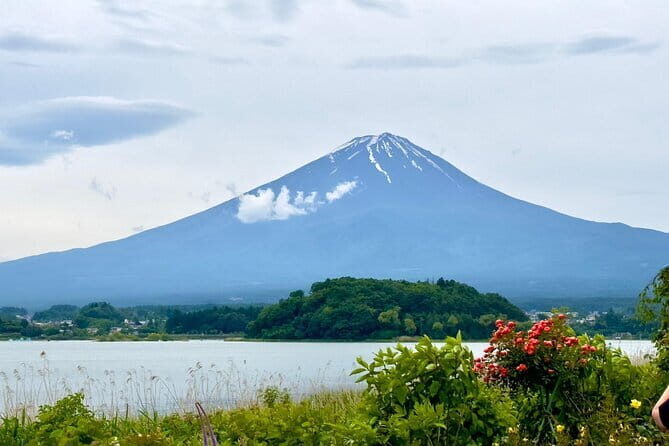
Lake Kawaguchiko is one of the Fuji Five Lakes, and it’s famous for Mount Fuji views, especially on clear days where the peak reflects on the water. It’s also a built-up tourism area, with hotels and ryokan options around the lake.
The two hours here are enough to:
- Enjoy viewpoints around the lake,
- Check out how the shoreline looks in real time,
- Take photos from a few angles without feeling like you’re sprinting.
The schedule notes cherry blossom and autumn foliage seasons, which tells you why this area is so popular. Even if the day isn’t perfect, the lake gives Fuji a softer, wider “setting” than a pagoda does.
Oishi Park: gardens and seasonal flower structure
Oishi Park is a shorter add-on that changes the feel again. It’s known for flower gardens, and it’s specifically famous for lavender fields that bloom roughly from late June to early July.
Even if your visit isn’t in peak bloom, the park is still useful because it’s designed for walking paths and panoramic views. There’s also a café, gift shops, and an information center, which makes it a solid “pause” stop when you want a break but still want scenery.
If you’re the type who likes to keep photos varied, this park helps avoid repeating the same mountain angle all day.
Stop 7: Saiko Iyashi no Sato Nemba and traditional old homes by the lake
The final stop is Saiko Iyashi no Sato Nemba, a traditional village setting that leans into old homes and samurai-era atmosphere. The plan mentions old-style Japanese culture homes, a museum, and opportunities for traditional food and souvenirs.
This is a good closer because it gives you something different from the “Fuji view” theme. You’re spending your last hour or so inside a cultural zone—walking through the village design and looking for little architectural details rather than chasing the next photo spot.
You’ll also see that this village area has some of the best Mount Fuji views in the schedule description. The key word in how you should treat that is “some.” With weather uncertainty, you might get an excellent look or a partial one, so I’d use this stop as both culture and scenery.
One cost to budget for: the village fee is listed as ¥500 (about $3), and it’s not included. Plan small cash or a card if you’re unsure what payment methods are accepted on-site.
Guide quality and private-van comfort: what you gain beyond the photos

A one-day private tour is only as good as its driver and its approach to timing. The strongest theme in the experience descriptions is that drivers named Dev, Wasi, Ahmed, Abdulmanan, and others were patient and accommodating.
Here’s what that means for you in real life:
- If you want more time for pictures, you’re more likely to get it rather than being cut off at a fixed “we must move” minute.
- If weather shifts, a good driver will help you prioritize where you can still get a good payoff.
- If your group has different energy levels—kids in one place, adults in another—private pacing keeps the day from getting tense.
Also, the vehicle includes child seats. That’s an underrated value item if you’re traveling with little ones. If you’re not, you still get the benefit of a vehicle designed for comfort rather than a cramped bus.
One more small but important note: restroom on board isn’t included. That means you should treat each stop as your “bathroom checkpoint.” It’s not a deal-breaker, but it’s better to plan than to guess.
Price and value: $550 for up to two, plus two small on-site fees
At $550 per group (up to 2), you’re paying for a few things at once:
- Private transport,
- Time saved versus piecing together trains and buses,
- A driver who can keep your day efficient.
If you’re comparing this to public transit plus taxi plus entrance costs, it often comes out more reasonable than it looks—especially when you factor in how long it can take to get from Tokyo to the Fuji Five Lakes area and back.
What’s included:
- Air-conditioned vehicle
- Private transportation
- On-board hotspot
- Child seats
What’s not included:
- Lunch
- Alcoholic beverages
- Restroom on board
- The 5th Station ¥2,100
- Saiko Iyashi no Sato Nemba ¥500 (about $3)
A key value point: many of the stops are listed as admission free in the schedule. So even though two small fees are flagged, you’re not facing a long list of expensive ticket costs.
The practical takeaway is simple. Budget a bit for the two listed paid items, bring patience for weather, and use the rest of the time to enjoy the places where the scenery and culture change stop to stop.
Weather reality: how to maximize your odds of seeing Mount Fuji
Mount Fuji photos are not just about your camera. They’re about visibility. The schedule makes it clear you’ll visit multiple vantage points, which is smart—because you’re essentially building-in redundancy.
Still, here’s how I’d handle it day-of:
- Treat the 5th Station as your earliest best chance, not your backup.
- At Chureito Pagoda, try to be ready quickly when you arrive. Don’t wait for a “perfect moment” that may never come.
- Accept that if clouds sit low, you’ll likely see less peak detail than you planned. The tour can’t control the sky.
A helpful planning note from real driver timing: leaving around 7am was mentioned as a good strategy to avoid traffic. You might not always get the exact same start time, but asking for an early departure is a solid move if your operator offers options. Less traffic means more Fuji time, and less time sitting on the roadside.
Who this tour suits best
This one-day private format fits best if you want:
- A highly efficient day from Tokyo with minimal logistics work,
- Classic Fuji viewpoints plus cultural stops,
- A pace that can flex for pictures and small requests.
It’s especially good for:
- Couples and small families (up to 2 people per group),
- First-timers who want the Fuji highlights without climbing,
- People who prefer private comfort over bus tours.
If you’re solo and you want to split the cost with someone, keep an eye on the per-group pricing structure. If you’re traveling with kids, the child seats and structured stop times help keep the day manageable.
Should you book this Mt. Fuji and Shiba-Sakura one-day private tour?
If your priority is a packed, well-paced day that hits 5th Station, Chureito Pagoda, Oshino Hakkai, a major shrine, Lake Kawaguchiko, Oishi Park, and the traditional village at Nemba, then this tour is a strong match. The private van and accommodating drivers are real value here, not marketing fluff.
I’d book it when:
- You want a plan that’s already built for Fuji highlights,
- You’re traveling with someone who values comfort and time efficiency,
- You can be flexible on weather expectations.
I’d think twice if:
- You need a guaranteed clear view of the summit no matter what,
- You’re on a tight budget and hate any on-site fees (because the schedule lists at least two small paid items),
- You’re hoping for a long, slow museum-and-café day with minimal driving.
If you can accept the sky as a wildcard and you’d rather make the most of the best chances, this is a smart way to do Mount Fuji in a single day.
FAQ
How long is the one-day Mt. Fuji tour?
The duration is approximately 10 hours.
What’s the group size and price?
It’s $550 per group for up to 2 people. Only your group participates, since it’s a private tour.
Is pickup included?
Pickup is offered. Your exact pickup details are confirmed at booking.
Are entrance fees included for each stop?
Most stop admissions are listed as free in the schedule, but two fees are noted as not included: Mt. Fuji Subaru Line 5th Station (¥2,100) and Saiko Iyashi no Sato Nemba (¥500 / about $3).
Is lunch included?
No. Lunch is not included.
What’s the cancellation policy?
You can cancel for free up to 24 hours in advance for a full refund. If you cancel less than 24 hours before the start time, the amount paid is not refunded.