REVIEW · OSAKA
Osaka: Kyoto & Uji Historical Sites and Scenic Delights Tour
Book on GetYourGuide →Operated by Japan Visionary Tour · Bookable on GetYourGuide
This kind of day feels efficient and still fun. You get a guided loop through Kyoto’s most iconic sights, then end in Uji for the famous matcha country atmosphere, with a smart pace and clear photo stops. I like that the tour includes a professional English-speaking guide (Amy is specifically mentioned as a standout), not just a bus drop-and-go, and that the stops are organized enough to reduce stress when places are crowded.
I also like the mix of “wow” temples and everyday streets: Kiyomizu-dera with its panoramic stage views and the Phoenix Hall moment at Byodo-in (a 10-yen coin / 10,000-yen note connection that makes it feel extra real). One possible drawback: one mid-day stretch of shopping and narrow lanes can feel very touristy and packed, so you’ll want to go in with a plan for snacks and photos, not expect a calm stroll.
Key highlights you’ll actually notice
- Kinkaku-ji (Golden Pavilion): UNESCO-listed, gold-leafed Shariden Hall photo stop built into a tight schedule.
- Kiyomizu-dera + Kiyomizu Stage: an easy-to-understand route with time to look out over Kyoto.
- Ninenzaka: classic stone-paved lanes for snacks and small shops, but it can be crowded.
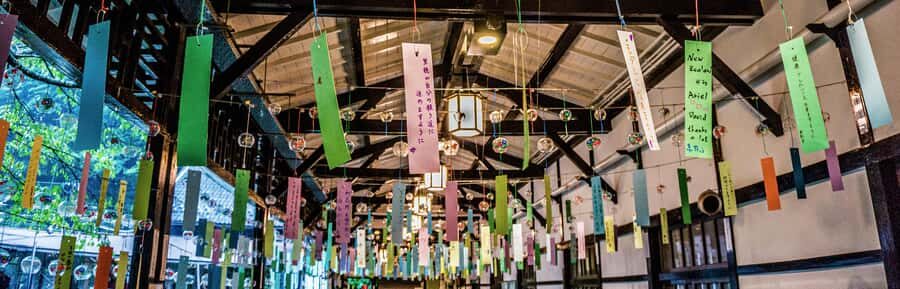
- Yasaka Koshindo: a visually loud stop with multicolored balls and real religious energy.
- Uji River + Byodo-in: the day’s payoff, featuring the Phoenix Hall you’ve seen on Japanese currency.
In This Review
- A 10-hour Kyoto-and-Uji day that’s actually doable
- Golden Pavilion at Kinkaku-ji: the UNESCO moment in one clear stop
- Kiyomizu-dera and the Kiyomizu Stage: the views make the climb worth it
- Ninenzaka and the snack-and-shop lanes: fun, but don’t expect quiet
- Yasaka Koshindo: the temple stop with visual drama
- Uji River and Uji’s tea-town calm: a slower chapter
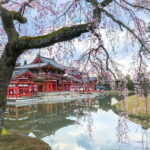
- Byodo-in and Phoenix Hall: the currency connection is more fun than it sounds
- Price and value: $54 makes sense, with one catch
- Getting the most from the day: timing, crowds, and comfort
- Who this tour is best for (and who should rethink it)
- Should you book this Kyoto & Uji historical sites tour?
- FAQ
- How long is the Osaka: Kyoto & Uji Historical Sites and Scenic Delights Tour?
- Where does the tour depart from?
- What language is the guide?
- Are temple admission fees included?
- Can I choose to be dropped off in Osaka or Kyoto?
- Is this tour suitable for wheelchair users or people with mobility issues?
A 10-hour Kyoto-and-Uji day that’s actually doable
This tour is designed for people who want Kyoto’s best hits without spending your entire day planning train changes and timing. You’re looking at a 10-hour experience with about 2 hours by bus/coach, then multiple walking segments where you can choose how long to linger. It’s not meant to be slow travel; it’s meant to be clear travel.
If you’re starting in Osaka, you depart at 8:00 AM. If you’re starting in Kyoto, it’s 9:00 AM. Either way, the meeting point is local to your pickup choice, and you’ll want to arrive about 15 minutes early so you’re not rushed. The format also gives you flexibility: you can get dropped in Osaka or Kyoto at the end, depending on which option you choose.
The big win here is coverage. Kyoto alone can eat your day—temples plus getting between them plus figuring out which lanes are worth it. This tour packages that problem into a single guided loop, then adds Uji at the end, where the pace usually feels calmer and more “tea town” than “temple postcard.”
Golden Pavilion at Kinkaku-ji: the UNESCO moment in one clear stop
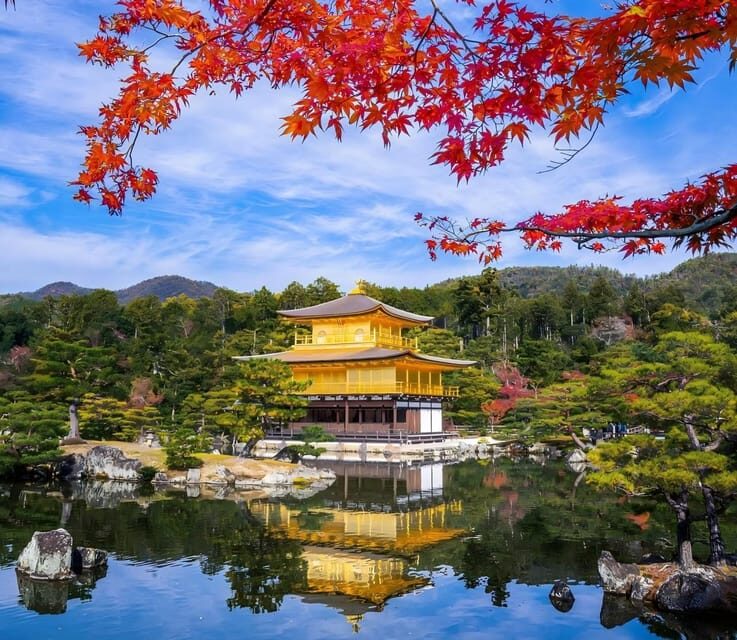
Kinkaku-ji is the temple that makes people stop in their tracks, even if you’ve seen photos a hundred times. This tour brings you there for a 40-minute photo stop and self-guided time, which is exactly the right amount for this sight. You can see the Golden Pavilion quickly, take the key angles, and still have time to notice the details around it rather than just rushing past.
What makes this stop stand out is what the site represents: Kinkaku-ji is a UNESCO World Heritage Site (listed since 1994), known for its gold-leafed Shariden Hall. In practice, that means your camera will be busy. You’ll want to look for water-reflection angles if conditions allow, and also pay attention to the transitions—how the gold glow changes when you’re standing closer versus farther back.
Because this is a photo-stop style visit, you’ll get the most from it if you come with a simple plan: pick one main “front” view for your photos, then walk a bit to find a side angle. Don’t try to do everything in 40 minutes; you’re there to capture the essence and move on.
You can also read our reviews of more historical tours in Osaka
Kiyomizu-dera and the Kiyomizu Stage: the views make the climb worth it
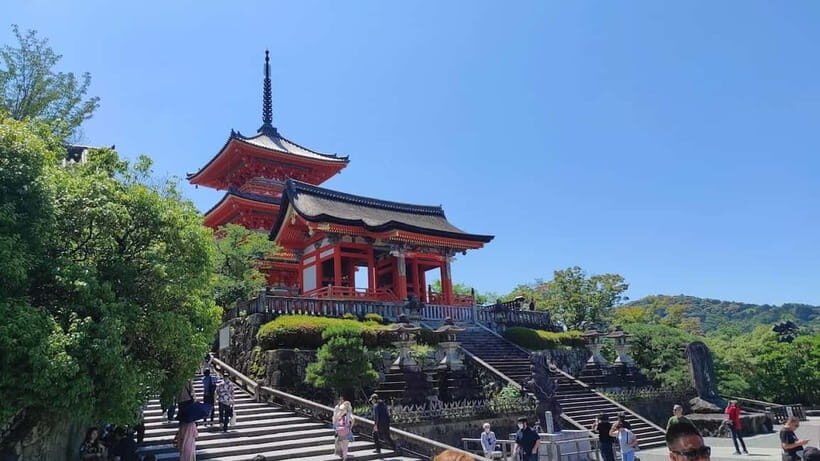
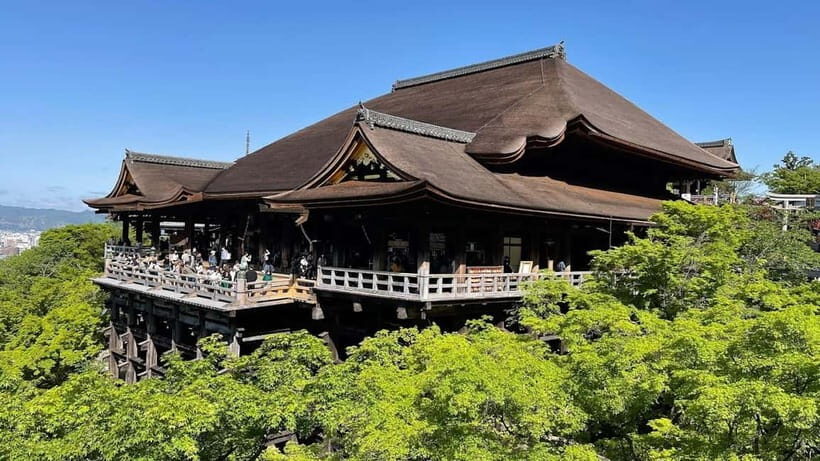
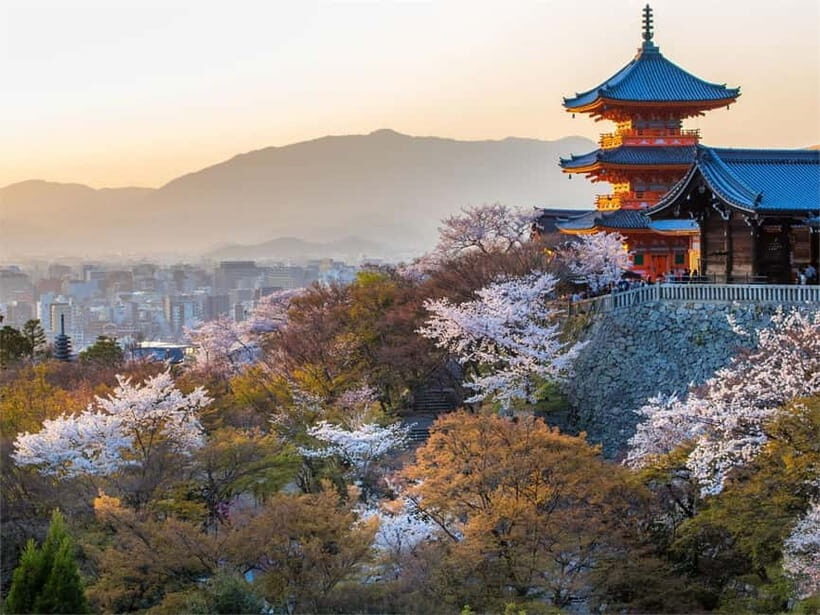
Next up is Kiyomizu-dera, one of Kyoto’s most famous temples, set up here as a self-guided visit with a photo stop and about 2 hours 40 minutes of time (so you’re not trapped in a sprint). Kiyomizu-dera is also a UNESCO site and a national treasure, and the reason it stays on everyone’s list is simple: the Kiyomizu Stage viewpoint.
This is where the architecture and the city mix. You get those classic Kyoto sightline moments, where the temple’s platform feels like it’s framing the city beyond. When crowds are heavy, that extra space can make you feel like you’ve earned your spot—especially if you time your photos just right.
A practical tip: wear shoes you can trust. Kiyomizu-dera areas involve walking and shifting surfaces, and your day gets longer from here. If you’re the type who likes to pause for a slower look, this is your best temple to do it in.
Ninenzaka and the snack-and-shop lanes: fun, but don’t expect quiet
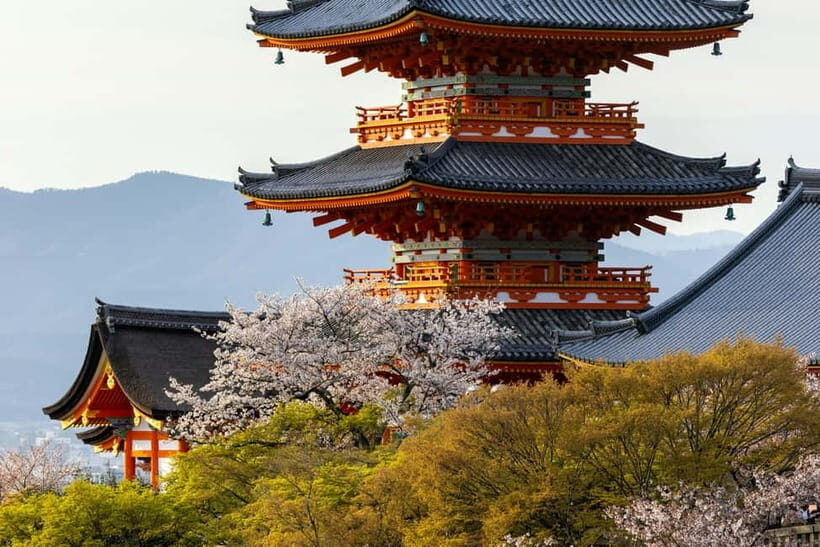
The route then loops through Ninenzaka, the historic stone-paved lane that’s famous for traditional shops and food. This is built as a shopping and walking stop, where you can grab small bites, matcha treats, and souvenirs while you take photos of the streetscape.
Here’s the trade-off: this is the part of the day that can feel the most crowded and commercial. The lane is narrow, and when it gets busy, it’s less about browsing and more about weaving through people. If you care about shopping, I suggest setting expectations: treat it as a place to sample a few things and take a couple of photos, not a place to hunt for perfect craftsmanship.
Also, you might hear names of popular tea stops along the way—like MASUDA Tea Shop—which fits the overall vibe. This is one of those “Kyoto snacks plus atmosphere” moments. If you go hungry, it’s a great time to fix that. If you’re sensitive to crowds, plan for it and keep your movements simple.
Yasaka Koshindo: the temple stop with visual drama
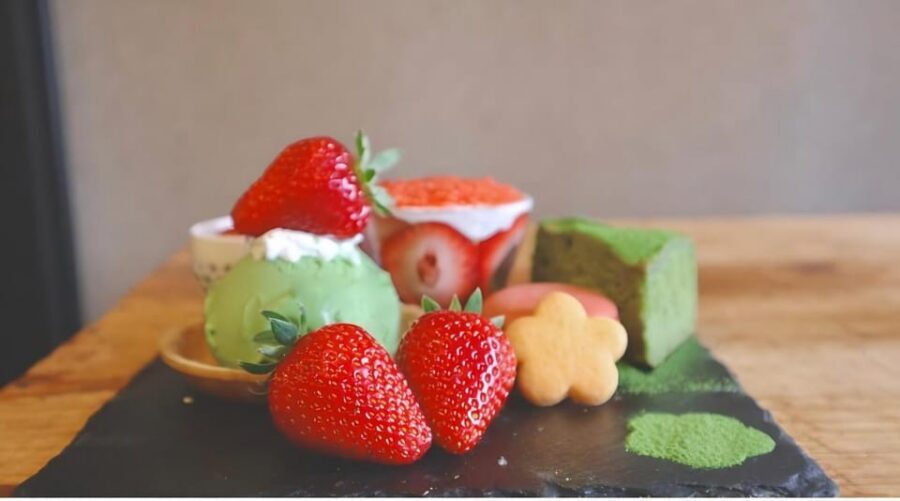
After the Ninenzaka lanes, the tour heads to Yasaka Koshindo. This one feels different from the big-name temples. It’s known for the famous multicolored balls and a strong sense of religious atmosphere, and it even shows up as a recognizable backdrop in media like Detective Conan.
This stop is offered as a photo stop and self-guided time. Think of it as a visual breather. You’re not just chasing architecture; you’re dealing with a lively scene where the color is the feature and the energy feels real. In good conditions, you’ll be able to take photos without feeling like you’re in the most intense bottleneck of the day.
If you’re curious about details, slow down for a moment and just watch. Small religious sites can feel more personal than the largest temples, and Yasaka Koshindo fits that category.
Uji River and Uji’s tea-town calm: a slower chapter
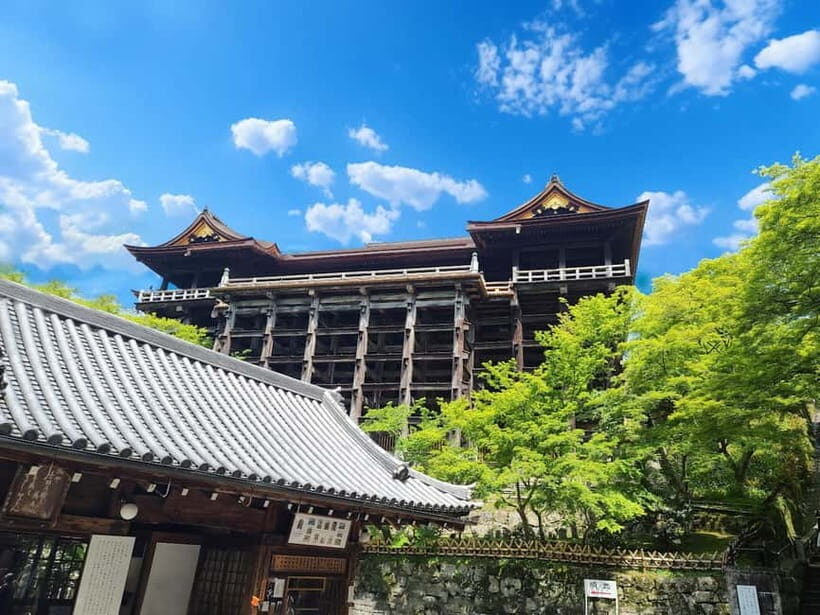
Then the day shifts to Uji, which is often described as the birthplace of matcha. You’ll feel the change quickly. The air tends to feel more tea-forward, and instead of “temple circuit,” it feels like you’re walking into a place built around food, drink, and local rhythms.
This section includes a Uji photo stop, sightseeing, and a walk (about 100 minutes), plus time at the Uji River for sightseeing. The river area is a strong contrast to the tighter lanes earlier in the day. You get a chance to stretch your legs, take calmer photos, and reset your energy.
A highlight here is the Uji River and Bridge area, plus a visit to an old shrine in the region. Even if you’re not a “shrine person,” Uji can win you over because it feels less like a checklist and more like a living place.


Byodo-in and Phoenix Hall: the currency connection is more fun than it sounds
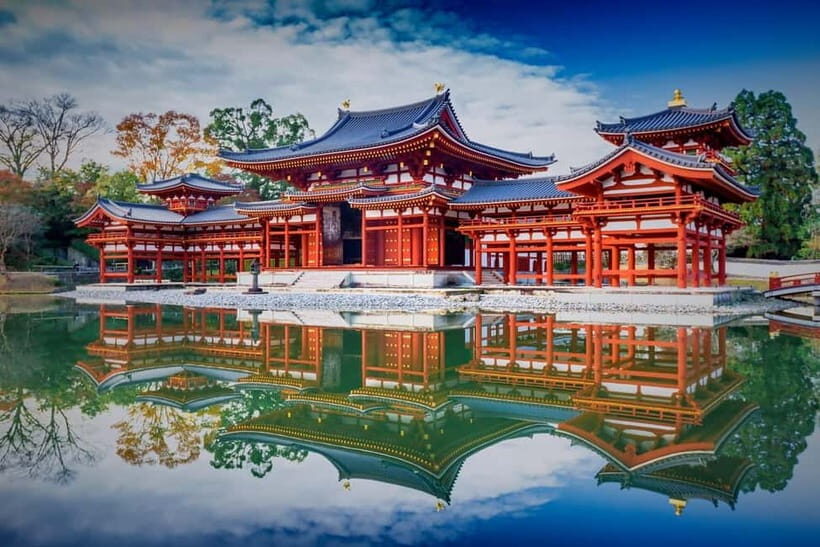
The final big religious landmark is Byodo-in, presented with a photo stop and self-guided time. This is a UNESCO World Heritage Site, and the feature you’ll remember is the Phoenix Hall.
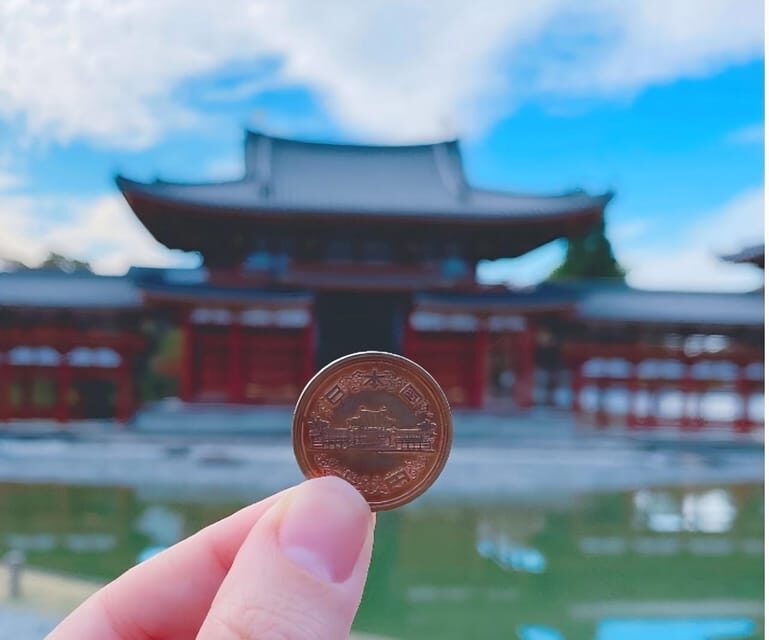
Here’s the connection that makes this stop click: the Phoenix Hall image appears on Japan’s 10-yen coin and 10,000-yen note. That means you’re not just seeing a temple—you’re seeing the real-world origin of an image you’ve probably seen without thinking too much about it. Once you link the money to the building, the visit feels oddly personal.
After the main temple viewing, there’s also Byodo-in Omotesando, the street around it where you can find local snacks and food. This is where you can wrap up the day with something that tastes like the place you just visited, rather than a generic tourist souvenir.
One more practical point: this is near the end of the trip, so fatigue is real. Keep your walking efficient. Focus on capturing the Phoenix Hall angles you care about most and then spend the rest of the time eating and relaxing.
Price and value: $54 makes sense, with one catch
At $54 per person for a 10-hour guided day, this is priced like a value trip. You’re paying for a guide, an A/C vehicle, and round-trip transfers to and from the meeting point. You’re also covering the time cost of getting between Osaka, Kyoto, and Uji without DIY stress.
The catch is admissions. Admission to Kinkaku-ji, Kiyomizu-dera, and Byodo-in is not included. That doesn’t make it a bad deal—it just means your final “all-in” budget depends on the tickets. Still, even with paid admissions, the structure of the day (big sights grouped together, English guidance, and no complicated transport planning) typically keeps the value strong for people who want maximum sightseeing per hour.
If you’re comparing to a DIY plan, the biggest savings isn’t only money. It’s decisions: fewer route mistakes, fewer timing errors, and less time wasted searching for how to get from one iconic stop to the next.
Getting the most from the day: timing, crowds, and comfort
This tour includes moderate walking and several self-guided segments. That means your comfort choices matter more than you might think. Bring comfortable shoes and clothes you can move in. There’s no point in visiting Kyoto’s famous temples if you’re stuck fighting sore feet by 2 PM.
Crowds are also a real factor. Kyoto’s top lanes and temples can be packed, especially peak season. The tour structure helps, but it can’t erase crowds. If you want easier photo moments, be ready to stand your ground quickly when you find a good angle, then move along before the area becomes a slow-moving bottleneck.
Weather matters too. The schedule might shift due to traffic and weather. That’s normal for bus tours, and the best way to handle it is mental: keep your plans flexible and treat the day as “guided highlights with some real-world adjustments.”
Who this tour is best for (and who should rethink it)
This is a strong match if you want a guided, English-speaking day trip that covers major Kyoto sights and adds Uji at the end. It’s also a great choice if you like getting history and context without reading a travel guide cover to cover—especially since the guide can share recommendations and help you decide what’s worth your time at each stop.
It’s also described as available as a private group option, which is helpful if you’re traveling with people who like a different pace or want quieter moments.
It’s not suitable for everyone. The tour notes it’s not suitable for pregnant women, people with back problems, people with mobility impairments, and wheelchair users. If any of those apply, you’ll want to look for a more accessible format.
Should you book this Kyoto & Uji historical sites tour?
Book it if you want big-name Kyoto landmarks plus an Uji tea-town ending in one day, and you’d rather spend your energy looking at temples than planning transport. The best reason to book is the combination: guide-led context, efficient grouping of stops, and an end payoff at Byodo-in that feels memorable in a way a simple checklist doesn’t.
Skip it (or rethink it) if you hate crowds and narrow shopping lanes. The Ninenzaka area can feel tightly packed, and the day has multiple walking segments, so comfort and expectations matter.
If you do book, my advice is simple: pick your must-photograph moments in advance (Golden Pavilion, Kiyomizu Stage, Phoenix Hall), then let the rest of the time belong to tea snacks, wandering, and letting the guide’s recommendations guide your choices.
FAQ
How long is the Osaka: Kyoto & Uji Historical Sites and Scenic Delights Tour?
The tour lasts about 10 hours.
Where does the tour depart from?
Departure is at 8:00 AM from Osaka or 9:00 AM from Kyoto, depending on the option you book.
What language is the guide?
The tour includes a live English-speaking guide.
Are temple admission fees included?
No. Admission to Kiyomizu-dera Temple, Kinkaku-ji Temple, and Byodo-in Temple is not included.
Can I choose to be dropped off in Osaka or Kyoto?
Yes. Regardless of where you board, you have the option to disembark in either Osaka or Kyoto.
Is this tour suitable for wheelchair users or people with mobility issues?
No. The tour states it is not suitable for wheelchair users or people with mobility impairments.