REVIEW · OSAKA
Osaka; Japanese Tea ceremony experience, Macha and Sencha
Book on GetYourGuide →Operated by Do co., Ltd · Bookable on GetYourGuide
A calm tea room can feel like a reset button. In Osaka, you get a full Japanese tea ceremony experience on tatami: you watch matcha being prepared, learn the etiquette, and then make your own cup. The two big wins for me are the friendly teaching style from the tea master (many groups are guided by Yuko) and the clear step-by-step practice as you pour and serve. One thing to consider first: if you have food allergies, you should skip this because you’re expected to eat the traditional sweets.
This is also a smart way to understand Japanese tea without getting stuck reading alone. You finish with a sencha tasting, with the instructor explaining what makes sencha special in everyday Japan, plus you’ll get a photo moment and the option to wear a yukata.
In This Review
- Key things you’ll notice right away
- Finding the tea room near Osaka’s Midosuji Line Exit 3
- Tatami welcome and the tea master vibe (often guided by Yuko)
- Matcha preparation and your hands-on etiquette lesson
- History and spirit of the tea ceremony, explained clearly
- Traditional sweets first, then sencha tasting like a local
- Yukata photo moment: simple, fun, and very on-theme
- Price and value: what $25 covers in a 1-hour lesson
- What to know before you go: rules and comfort checks
- Who this Osaka tea ceremony is best for
- Should you book this tea ceremony experience in Osaka?
- FAQ
- How long is the Osaka tea ceremony experience?
- What languages are used during the tea ceremony?
- What teas and snacks are included?
- Is a yukata included?
- Where do I meet the group?
- Is this experience suitable for people with food allergies?
- Can I bring a wheelchair or pets?
- Is there a cancellation option?
Key things you’ll notice right away
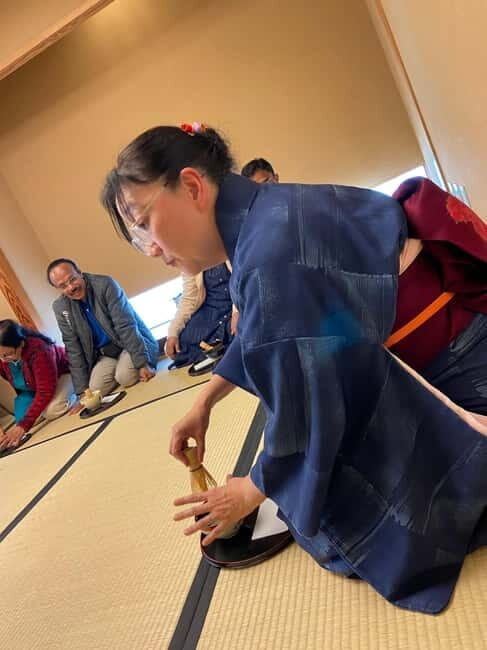
- English-guided tea master (often Yuko): Warm and easy to follow, with lots of explanation.
- You actively make the tea: Watching is only half the deal; you’ll do the steps yourself.
- Matcha etiquette focus: Learning how to handle and serve tea with the right manners.
- Tea + sweets, then sencha: You taste in sequence and learn the differences.
- Tatami-room setting: The room itself makes the experience feel authentic and quiet.
- Optional yukata and photo: A fun, traditional add-on if you want it.
Finding the tea room near Osaka’s Midosuji Line Exit 3
This one is built around a simple, central meetup: the underground Midosuji Line, Exit 3, ground floor. Aim to arrive a little early so you can settle in before the host leads you into the tatami room.
Why it matters: a tea ceremony runs on timing and tone. If you show up stressed, it’s harder to follow the steps when the tea master switches from demonstrating to hands-on instruction. With a 1-hour format, you’ll want to be there on time.
Also, keep your expectations modest and realistic: you’re not getting a long cultural seminar. You’re getting a focused lesson in how tea is made and how it’s served, with tasting added at the end.
You can also read our reviews of more tours and experiences in Osaka.


Tatami welcome and the tea master vibe (often guided by Yuko)
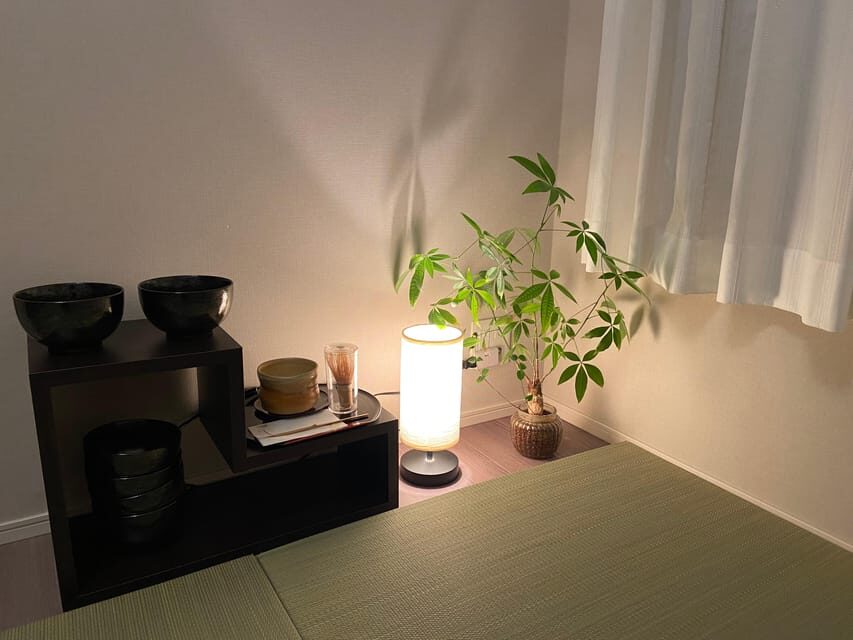
You’ll be welcomed in a traditional tatami room by an English-speaking tea master. Multiple visitors specifically note Yuko’s gentle, personable approach and her ability to explain things in English clearly. That matters because tea ceremony etiquette can sound mysterious until someone breaks it down step-by-step.
If you want the full “I stepped into Japan for a moment” feeling, you can also wear a yukata during the experience. The yukata itself is not included by default, so if this is on your wish list, pick the yukata add-on when booking. Even without it, the tatami room and the tea tools set the mood.
Practical note: the session is designed for a quiet, respectful setting. There are rules about noise and behavior, so this is a good choice if you like calm activities more than big group chaos.
Matcha preparation and your hands-on etiquette lesson
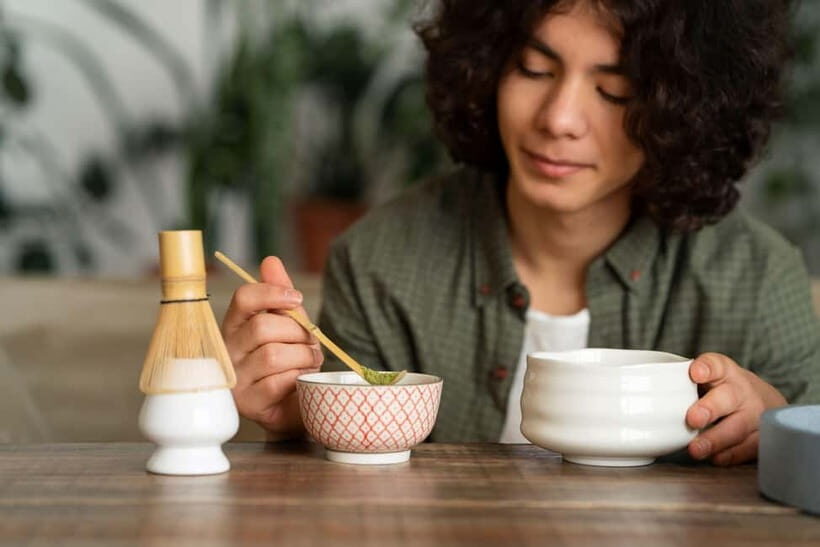
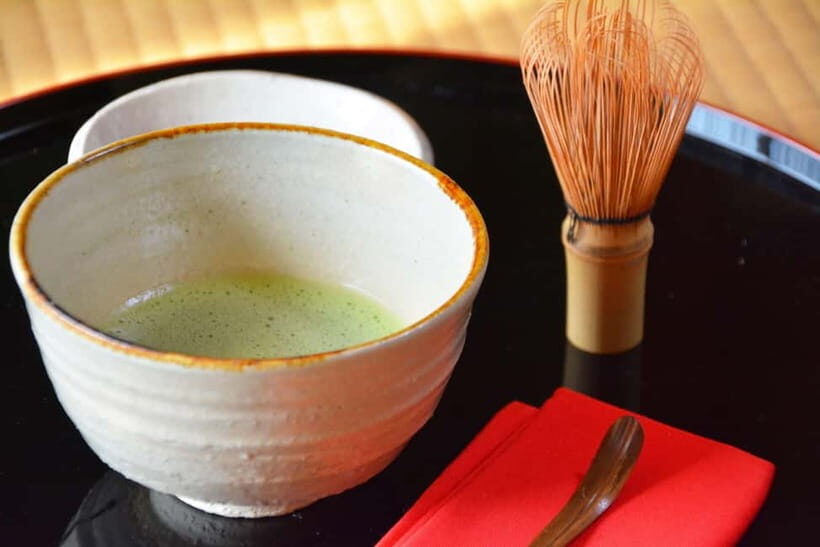
The ceremony starts with matcha. You’ll watch the tea master prepare matcha green tea first, so you can see the process in a real flow, not as random steps.
Then comes the best part: you’ll make tea yourself according to tea ceremony etiquette. The experience is structured so you go from observation to doing. That’s exactly how you’ll learn faster, because you can connect what you saw with how it feels to hold the tools, follow the manners, and perform the actions correctly.
What you’ll likely focus on during the hands-on portion:
- how matcha is presented and prepared
- how you handle the process with proper ceremony etiquette
- how the tea is served and received in a respectful way
Even if you’ve never made tea before, the session is short enough that your teacher can guide you through the essentials without overloading you. It’s less about perfection and more about understanding what the etiquette is for: attention, respect, and a steady pace.
History and spirit of the tea ceremony, explained clearly
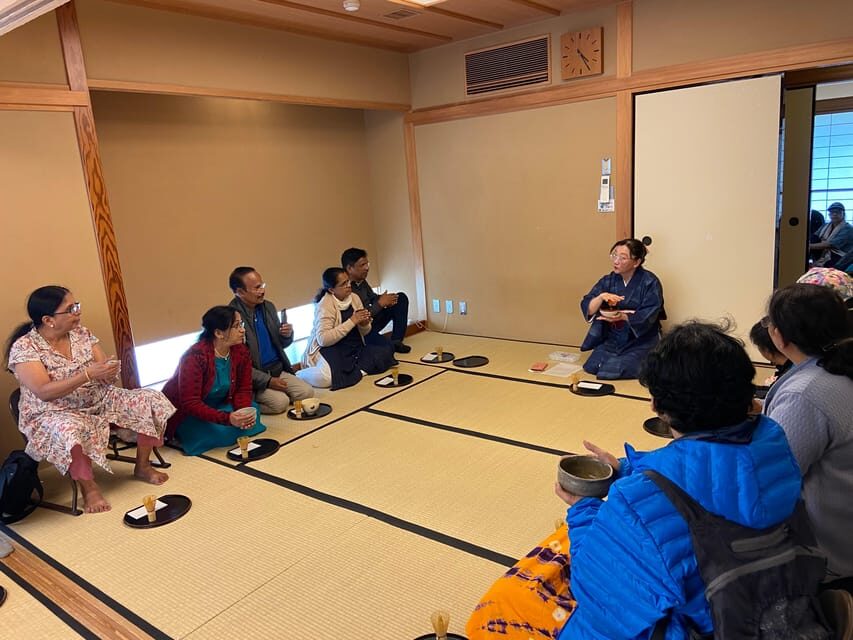
After matcha preparation, the tea master explains the history and spiritual role of the tea ceremony. The tone is practical, not academic. You’re not just learning facts; you’re learning why this ritual exists.
In real terms, this kind of explanation helps you enjoy the tasting more. When you understand the ceremony’s purpose—attention, mindfulness, and respect in how people share tea—you stop treating the cup like just another drink. It becomes a small moment of culture you can actually connect to.
The instructor’s teaching style is repeatedly praised, especially for being both informative and friendly. If you’re the type who likes questions, this is one of those experiences where you’ll probably feel comfortable asking things during the guided flow.
Traditional sweets first, then sencha tasting like a local
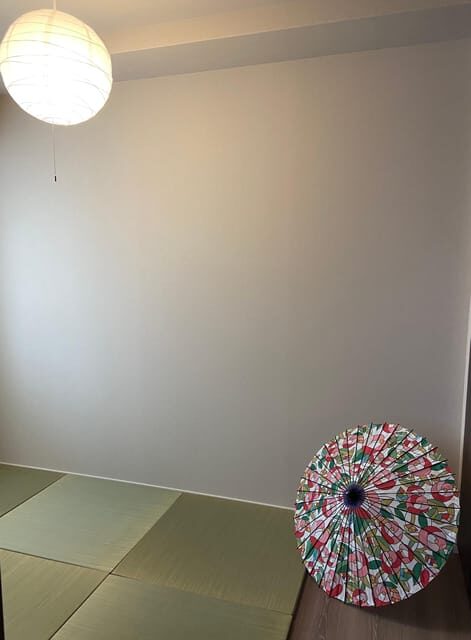
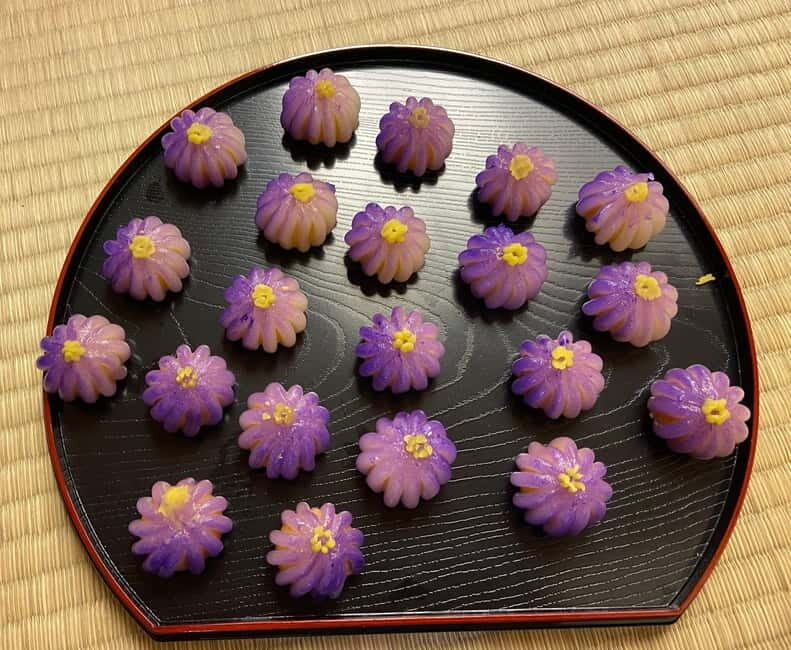
Once the matcha portion is done, you’ll taste traditional Japanese sweets. This is part of the ceremony rhythm, and it’s also a useful bridge: sweet + tea helps you notice how the flavors balance, instead of treating matcha as a stand-alone taste.
Then you move to sencha. You’ll taste sencha green tea along with current Japanese confectionery. The instructor explains the history of sencha and other aspects of it while you sip, so you’re not just sampling—you’re learning what sencha means in everyday Japan.
Why this combo is a smart value add:
- Matcha tea ceremony style is more ritual and etiquette-driven.
- Sencha is commonly drunk in Japan today, so it connects the ceremony tradition to daily life.
You end up with a clearer comparison than you’d get from a restaurant tasting alone. One is a formal, guided ritual; the other is the tea you’re more likely to encounter in normal Japanese settings.
If you’re sensitive to sugar, go slowly with the sweets. The session is paced, but sweets are part of the structure, not optional extras.



Yukata photo moment: simple, fun, and very on-theme
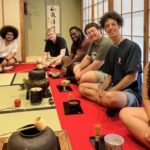
If you booked the yukata option, you’ll get to wear it during the experience. This is one of those extras that doesn’t just look good in photos—it also helps you remember you’re in a ceremony setting with proper style and manners.
After the experience, there’s an opportunity to have your photograph taken. You’ll usually leave with something concrete you can keep, rather than just a memory and a phone note.
Tip: if you want the photo, plan your hair and accessories accordingly. A yukata look is easy when you’re prepared, and it’s more comfortable than making adjustments at the last second.
Price and value: what $25 covers in a 1-hour lesson
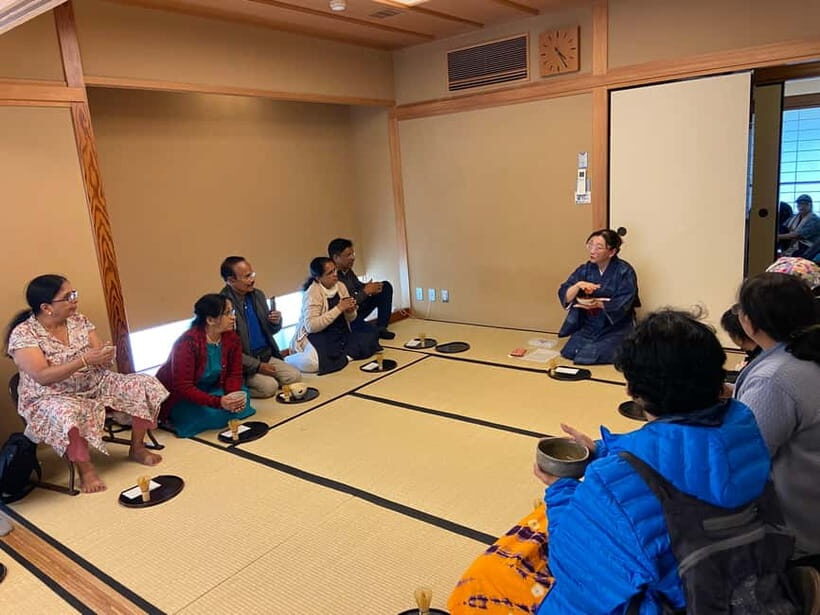
At $25 per person for about 1 hour, the pricing feels fair because you’re getting three things that usually cost money separately:
- an instructor-guided tea ceremony lesson
- included teas (matcha green tea, then sencha green tea)
- included Japanese sweets (traditional sweets for the matcha portion, plus confectionery with sencha)
The value comes from the hands-on part. If this were only watching a demonstration, it would be harder to justify. But you get to practice making tea and learn etiquette, then taste two tea styles with explanations. That’s a compact cultural class.
Also, the English instruction reduces friction. You’re not trying to decode ceremonies through body language alone. Clear teaching is part of the experience you’re paying for.
What to know before you go: rules and comfort checks
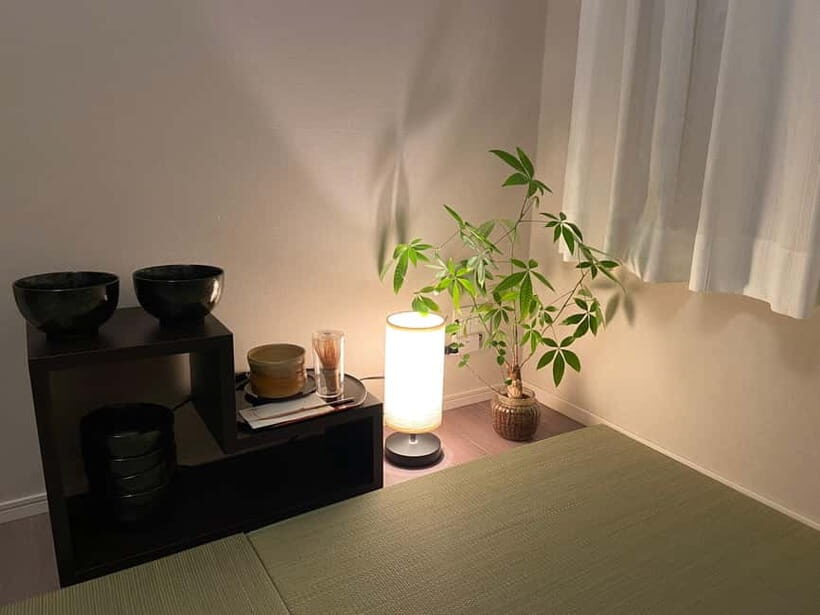
This experience has a clear behavior code. For example, smoking is not allowed, intoxication is not allowed, and you should avoid making noise during the session. Chewing gum is also listed as not allowed. If you’re used to traveling with loud habits, it’s best to switch into quiet mode from the moment you arrive.
A few important practical points:
- Pets are not allowed.
- You should not bring weapons or sharp objects.
- Smoking and fire are not allowed.
Food allergies are a key concern. If you have allergies, you should not eat the Japanese sweets and confectionery, and the activity is not suitable for people with food allergies. This is the one “stop-sign” factor to take seriously before booking.
Comfort and mobility matter too. The experience is not suitable for wheelchair users. Since it takes place in a tatami room, that’s often part of the reason.
Who this Osaka tea ceremony is best for
This is a great fit if you:
- want an authentic-feeling cultural activity without a full half-day commitment
- like small, calm lessons where you can ask questions and learn by doing
- enjoy tasting experiences, especially when the instructor explains what you’re drinking
- want both matcha ceremony culture and everyday sencha context in one hour
It may not be ideal if you:
- need an allergy-safe meal structure
- require wheelchair access
- prefer interactive activities that are more physically active or outdoor-based
Should you book this tea ceremony experience in Osaka?
If you want a focused, respectful tea lesson with real participation, I’d book it. The biggest reason is the teaching quality: the tea master’s English and friendly guidance (often credited to Yuko) make the ceremony feel understandable, not like a closed-off tradition.
Book it especially if you’re curious about the difference between matcha ceremony etiquette and sencha as a drink in modern Japan. The format is short, but it covers enough ground that you’ll leave with a clearer feel for both.
Skip it if food allergies are part of your needs, since you’ll be eating sweets and confectionery as part of the experience. Also skip if wheelchair access is required.
FAQ
How long is the Osaka tea ceremony experience?
It lasts about 1 hour.
What languages are used during the tea ceremony?
The instructor provides instruction in English and Japanese.
What teas and snacks are included?
You’ll have matcha green tea with traditional Japanese sweets, then you’ll taste sencha green tea with current Japanese confectionery.
Is a yukata included?
A yukata is not included by default. You can rent one separately by selecting the relevant additional option when booking.
Where do I meet the group?
The meeting point is at the underground Midosuji Line, Exit 3, ground floor.
Is this experience suitable for people with food allergies?
No. People with food allergies should not participate, since you’re expected to eat Japanese sweets and confectionery during the session.
Can I bring a wheelchair or pets?
Wheelchair users are not suitable for this experience, and pets are not allowed.
Is there a cancellation option?
Yes. Free cancellation is available up to 24 hours in advance for a full refund.