REVIEW · OSAKA
Osaka: Premium Wagyu Yakiniku at Nikuoroshi Mannoya Bettei
Book on GetYourGuide →Operated by TakeMe Co.,Ltd. · Bookable on GetYourGuide
Wagyu comes with real choices here. At Nikuoroshi Mannoya Bettei in Osaka, you sit down for a focused 2-hour course built around premium cuts, with an education twist that makes the beef feel personal instead of mysterious. You’ll be choosing from an 80-cut lineup and tasting by theme, not just by marbling luck.
I love how the meal acts like a mini lesson at the table, organized around categories such as Bloodline and Female Cattle, so you start tasting differences with purpose. I also like the calm, modern vibe and the way staff help you enjoy each cut, including English menus for first-timers. One possible drawback: this is a set course with a firm time window, so if you want total freedom to wander the menu, you may find it a bit limiting.
In This Review
- Key things to know before you go
- Finding Nikuoroshi Mannoya Bettei in a narrow Osaka alley
- The 2-hour wagyu course: what the timing actually feels like
- Pick your menu: Lean selections, premium platter, or Royal assortment
- 1) Special Premium Lean Wagyu Selection
- 2) Premium Mannoya Wagyu Special Lean Beef Platter
- 3) Royal Selection: Ultra-Premium Wagyu Lean Cut Assortment
- The 80-cut wonder: why the categories make you taste smarter
- How the education shows up at your table (without slowing dinner)
- Yakiniku plus seared meat sushi: the course’s smart flavor contrast
- Price and value: $66 for premium cuts that you actually finish
- Practical tips so you get the most from two hours
- Should you book this Osaka wagyu course?
- FAQ
- Is this a guided tour or a restaurant reservation?
- How long is the experience?
- What’s included in the price?
- Are drinks included?
- How much does it cost?
- Do you choose cuts from 80 options?
- What are the different menu choices?
- What about dietary restrictions?
- Can children eat for free?
- What’s the legal drinking age in Japan?
- Where exactly is the restaurant located?
- Is there a cancellation option?
Key things to know before you go
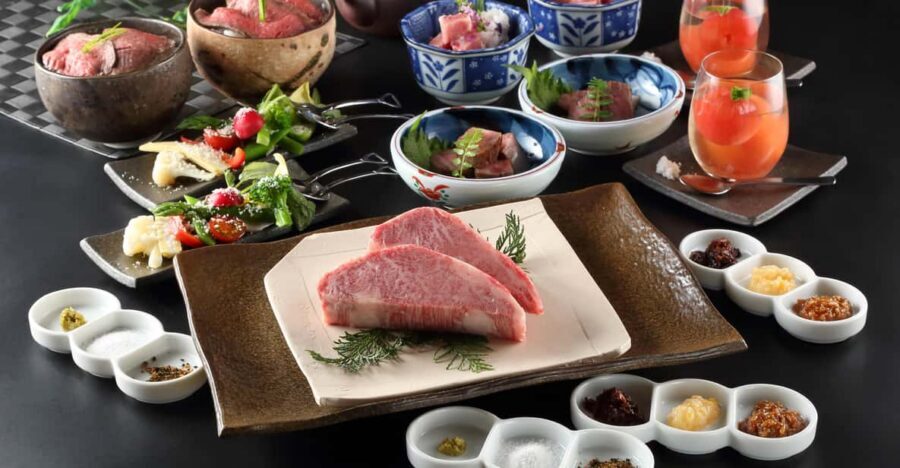
- 80-cut selection built into a premium yakiniku course, so you’re not stuck with one default spread
- Theme-based tasting using categories like Bloodline and Female Cattle, which changes how you’ll notice flavor
- Three full menu options ranging from Lean selections to an ultra-premium Royal cut assortment
- Seared meat sushi moments that add contrast to classic grilled bites
- No guide assigned, so you rely on restaurant staff for explanations (English menus help)
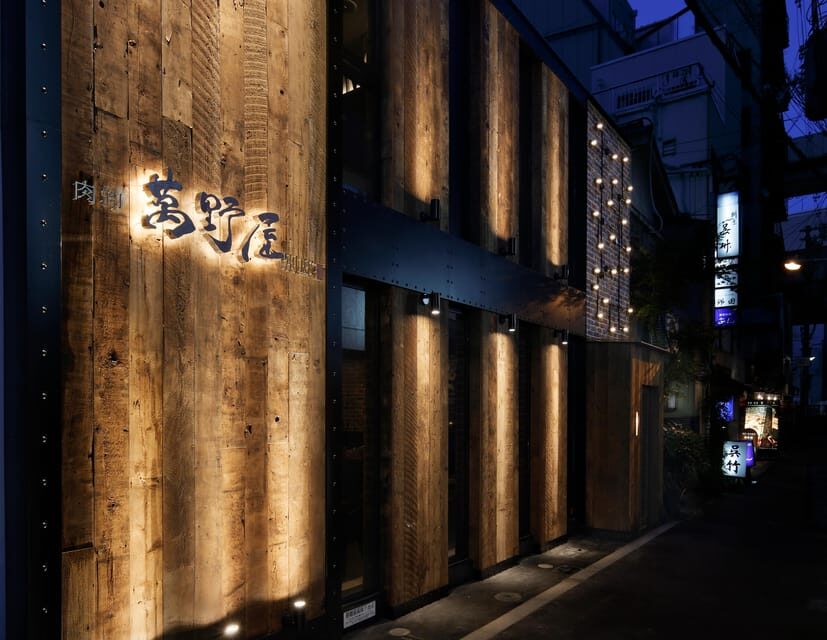
Finding Nikuoroshi Mannoya Bettei in a narrow Osaka alley
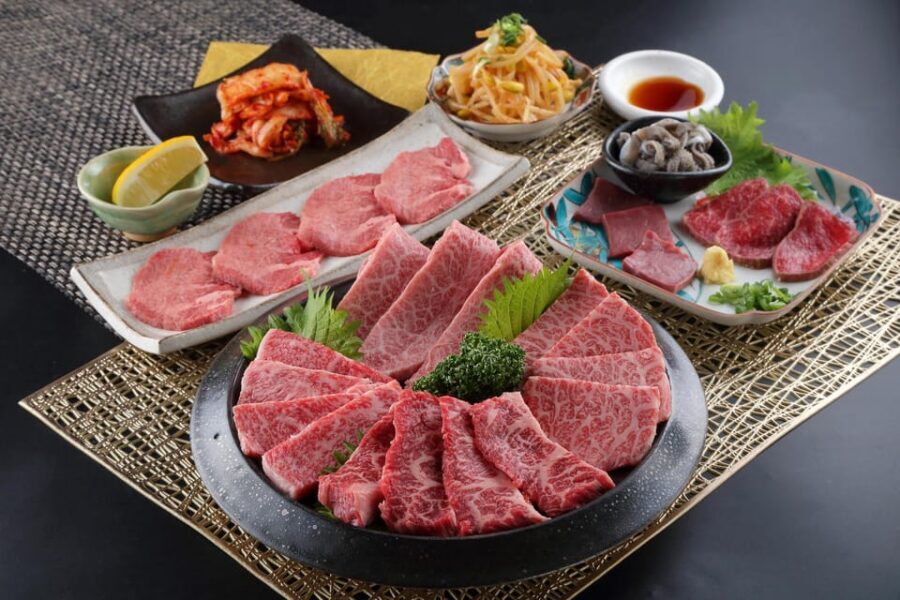
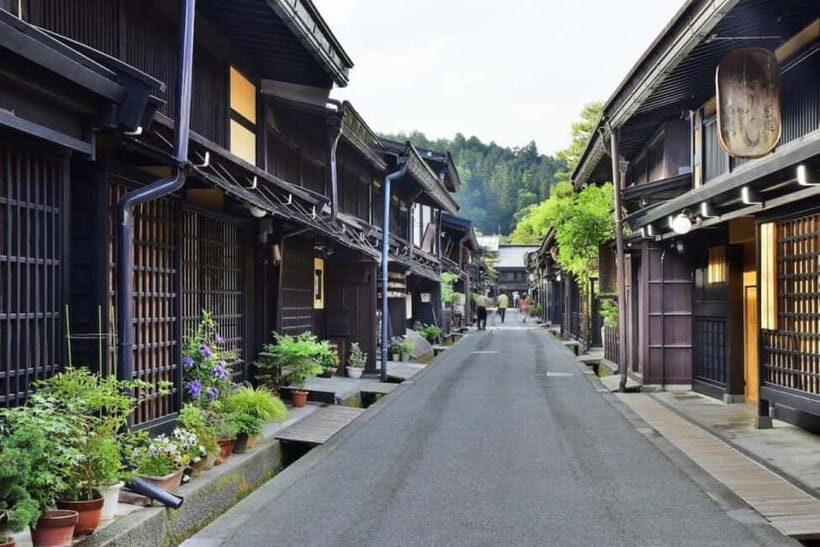
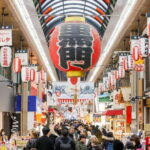
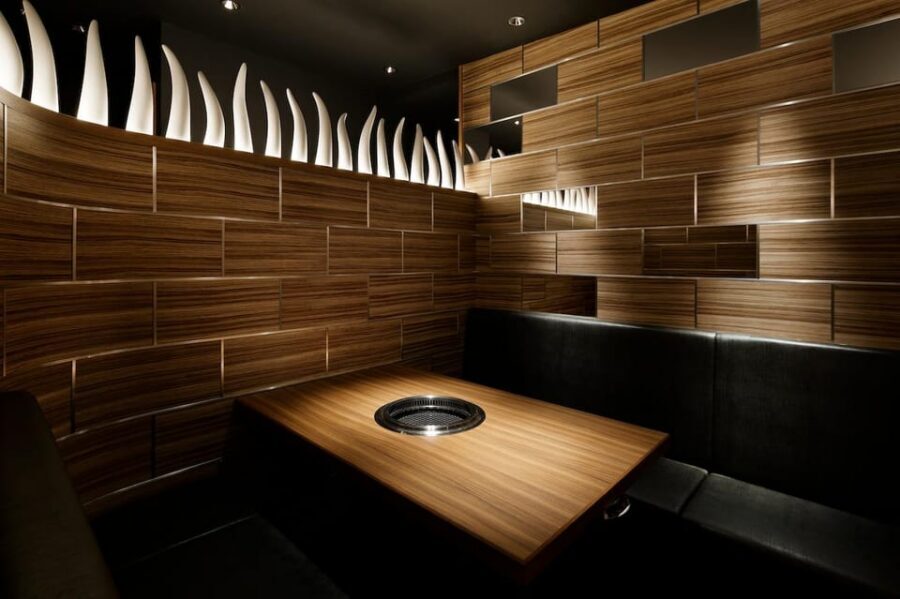
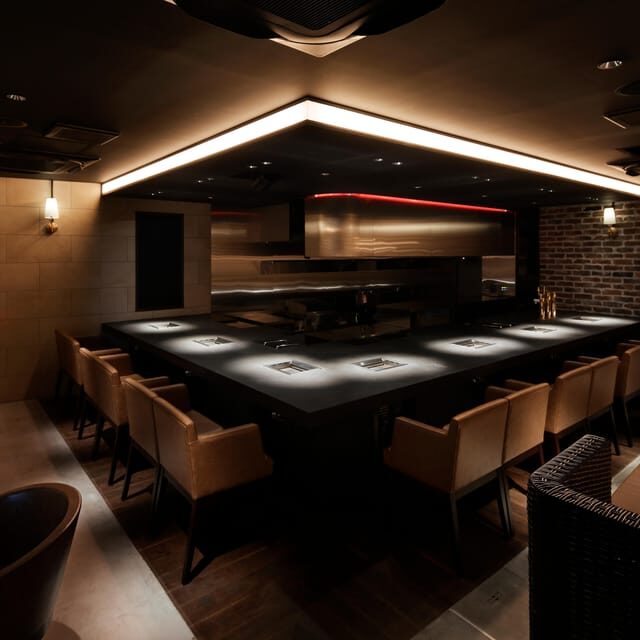
This meal isn’t in a big, obvious dining hall. It’s in a narrow alley, which is part of the fun. You’ll need to go directly to the restaurant at your reservation time, not to a “tour meeting point” somewhere else. Once you’re inside, the energy feels modern, not overly formal.
The location is a big practical win if you’re staying around central Osaka. One of the draws here is that you get something special without hauling across town. If you’re the type who likes a great dinner to be easy to fit into your day, this is the right model: book it, arrive, eat, and enjoy.
Also note the pace. Seats are held for up to 2 hours, and you can’t guarantee the exact seat type. That doesn’t mean anything goes wrong, but it does mean you should show up on time and plan to stay focused until the course finishes.
You can also read our reviews of more tours and experiences in Osaka.

The 2-hour wagyu course: what the timing actually feels like
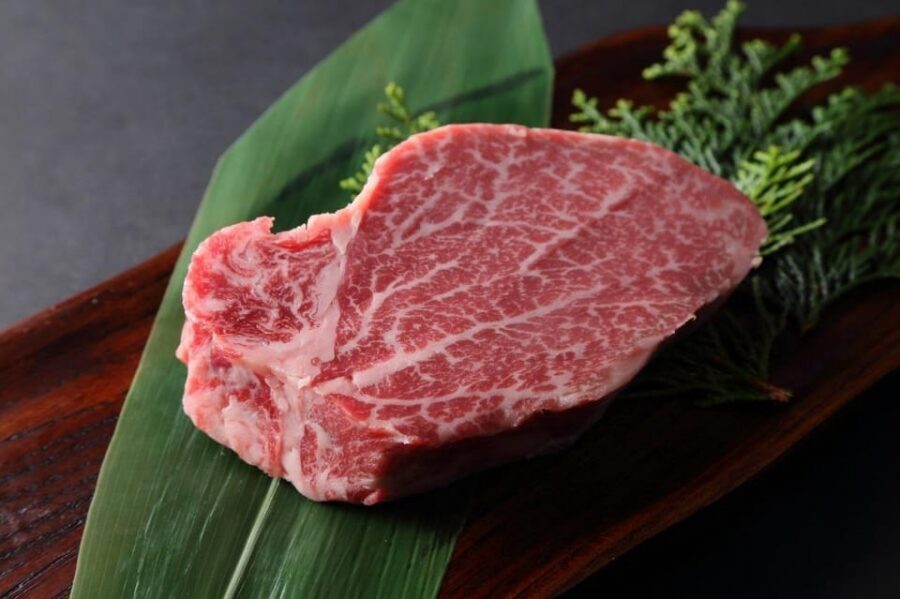
Think of this as a restaurant reservation rather than an activity with a host. You’re paying for a full course menu and the structure that keeps everything moving smoothly. The course is designed so you can experience multiple cuts and styles without spending the entire night deciding what to order.
That time limit is also a quiet quality-control tool. You’re not waiting forever between pieces, and the restaurant isn’t trying to turn your table into a two-hour-plus endurance test. You’ll want to be ready to eat thoughtfully. The courses are built so you taste, reset your palate, then taste again with the next cut and theme.
A detail worth knowing: no guide is provided. So if you’re hoping for a roaming expert to narrate every bite, that isn’t the format. In practice, the staff will help you enjoy each cut. From what you’ll see on the table, the education comes through the course design and explanations, not through a separate guide walking you through history.
Pick your menu: Lean selections, premium platter, or Royal assortment
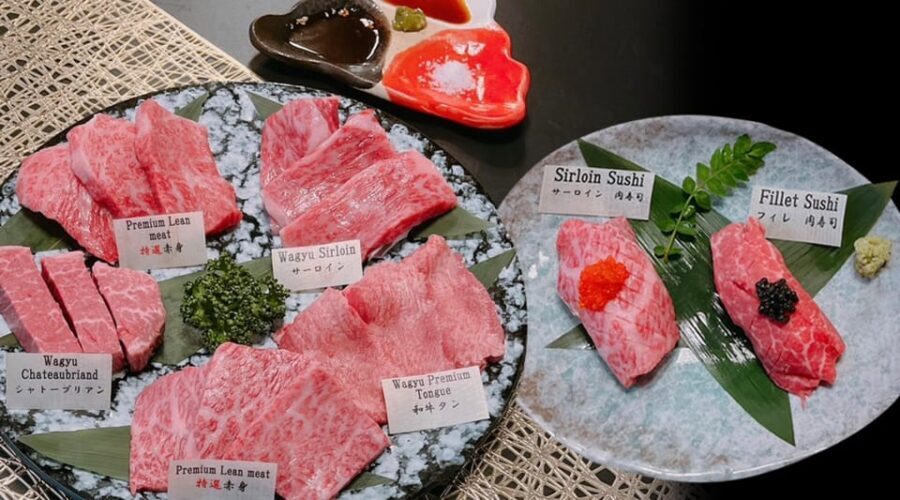
You choose from three full course menus, and that choice shapes the whole feel of your meal. All three focus on premium lean beef, tongue, and grilled cuts, with seared meat sushi appearing in the lineup. The big difference is the “level” of the cuts and the mix of what you’ll taste.
Here’s how the menu structure breaks down:
1) Special Premium Lean Wagyu Selection
- Premium Tongue
- Premium Lean Beef (2 types)
- Premium Karubi (Grilled Short Rib)
- Premium Loin
- Lean Beef Seared Sushi
- Seared Karubi (Grilled Short Rib) Sushi
This one is for you if you want a classic, premium wagyu arc: tongue, multiple lean profiles, then karubi and loin, ending with a sushi-style finish that changes the texture and flavor.
2) Premium Mannoya Wagyu Special Lean Beef Platter
- Premium Tongue
- Select Lean Beef (2 types)
- Select Karubi (Grilled Short Rib)
- Select Loin
- Lean Beef Seared Sushi
- Seared Karubi (Grilled Short Rib) Sushi
This feels like a great value ladder step. You still get the full course flow—tongue through sushi—but at a slightly more approachable tier.



3) Royal Selection: Ultra-Premium Wagyu Lean Cut Assortment
- Wagyu Tongue
- Premium Lean Meat (2 types)
- Premium Sirloin
- Chateaubriand
- Premium Sirloin Seared Meat Sushi
- Chateaubriand Seared Meat Sushi
If you’re going for the big flex meal, this is it. The mix of sirloin and chateaubriand means you’ll taste top-end lean beef in a couple different expressions, then finish with seared meat sushi versions that are built for contrast.
A helpful mindset: choose based on what you want to emphasize—more variety inside lean cuts, more classic yakiniku cuts, or the highest-end pieces like chateaubriand.
The 80-cut wonder: why the categories make you taste smarter
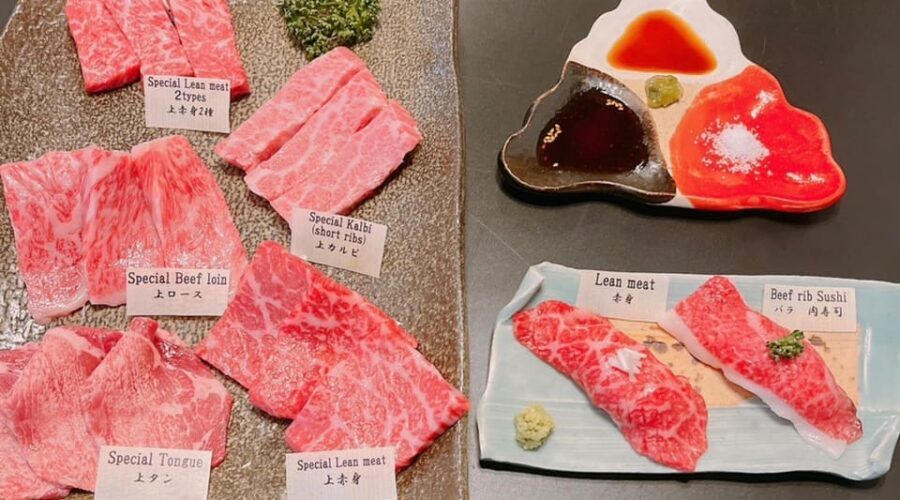
The headline here is the 80 premium cuts. That sounds overwhelming, but the meal isn’t just a chaotic buffet of choices. Instead, the cuts are organized into categories, which guides your palate.
You’ll see themes like:
- Bloodline: You’re tasting heritage and premium quality as a concept. The practical takeaway is that the flavor differences aren’t random; they’re meant to feel connected to lineage.
- Female Cattle: These cuts are presented as showcasing delicate flavors and textures. If you’re used to thinking wagyu is only about richness, this category is a good way to notice finesse.
- Balance of Feed and Environment: This theme points at how raising conditions shape taste and quality.
Why this matters for you: without a framework, wagyu can blur together—soft, fatty, pleasant. With a category structure, you start comparing like a food nerd, even if you’re not trying to be one. You’re tasting for differences in texture, aroma, and finishing flavor.
Also, the experience is built around a simple principle: you’re meant to eat only what you’re fully satisfied with. That sounds like marketing language, but in a course format it usually translates to a focused set of bites you actually enjoy, rather than “more food because you can.”
How the education shows up at your table (without slowing dinner)
This is where the experience earns its keep. You’re not just eating premium meat; you’re learning how it gets to the plate—through butchery choices and ideas tied to cattle rearing.
You’ll notice that the restaurant leans into education in a practical way:
- The course includes multiple cut types, so you can compare how lean beef, karubi, and tongue behave differently.
- The menu design repeats certain styles, like seared meat sushi, to help you compare across cuts rather than treating each bite as a one-off moment.
- Staff support you during ordering and explain the best way to enjoy each cut, including English menus and guidance for first-timers.
Even without a formal guide, this kind of explanation turns you from a passive diner into an active taster. You can ask questions in plain terms. For example: which cut is best for first bite, or which one will show the most tenderness? That kind of guidance helps you get the most out of limited time.
If you’re the type who likes to understand what you’re paying for, you’ll appreciate how this concept reframes wagyu as craft—raising, selection, and cutting—rather than just a luxury ingredient.
Yakiniku plus seared meat sushi: the course’s smart flavor contrast
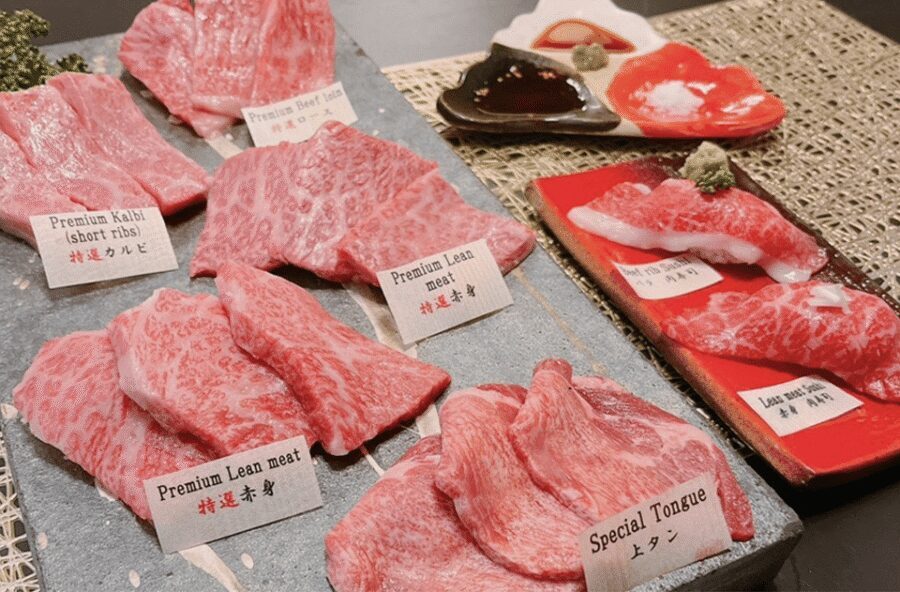
Most yakiniku dinners give you grill-first and that’s it. Here, you get an extra twist: the course includes lean beef seared sushi and seared karubi sushi, plus in the Royal menu the sirloin and chateaubriand seared meat sushi.
That sushi component isn’t just for variety. It changes the experience in three ways:
- Texture: seared meat gives a warmer, deeper flavor than raw sushi expectations.
- Aroma: soy and rice context make the beef taste different, even when it’s the same cut.
- Pacing: sushi-style bites can reset your palate between larger grilled pieces.
If you’re nervous about tongue or unusual cuts, the sushi format can help you ease in. You’re still tasting the beef, but you’re also anchoring it with rice and seasoning. That makes it easier to enjoy without overthinking.
And for people who love to compare cuts, the repeats matter. The course brings related pieces into a shared framework so you can track how each cut finishes.
Price and value: $66 for premium cuts that you actually finish
At $66 per person for a 2-hour full course, the value depends on what you want from a wagyu meal. If your goal is atmosphere and cocktails, you might feel the price is steep. If your goal is premium meat with a structured education experience, it can feel fair.
Here’s why:
- Your price includes the full course menu, sales tax, and the reservation.
- Drinks are not included, so budget extra if you plan to pair wine, beer, or Japanese highballs with your meal.
- The meal is time-limited. That can sound strict, but it often prevents the “endless sitting” problem that makes some set meals feel overpriced.
Also remember the inclusion details: seats aren’t guaranteed by exact type, but you are guaranteed access to the course. That’s important in Japan, where dining experiences can be strict about timing.
One more practical note: the legal drinking age in Japan is 20+, so keep that in mind if you’re traveling with someone young enough that alcohol won’t be an option.
Practical tips so you get the most from two hours
You’ll have a smoother dinner if you go in with a few habits.
First: decide your menu in advance. Since there are three full course options, your decision locks in the main cuts you’ll experience. If you hesitate on arrival, you may lose the chance to think clearly.
Second: use staff help early. In plain terms, tell them you’re trying to understand the cut differences, and ask which bite shows the theme best (Bloodline versus Female Cattle, for example). With English menus available, you won’t be stuck guessing.
Third: if you have dietary restrictions, leave a comment during checkout. The course format means the kitchen needs advance notice to handle changes.
Fourth: come hungry but not frantic. This is premium meat; you don’t want to arrive after a huge late snack. You want enough appetite to enjoy tongue, lean cuts, karubi, and the seared sushi without rushing.
And for families: children under 10 are free of charge, while those 10 and older are required to order the regular course. That makes it easier for families to plan, but it still follows the fixed course structure.
Should you book this Osaka wagyu course?
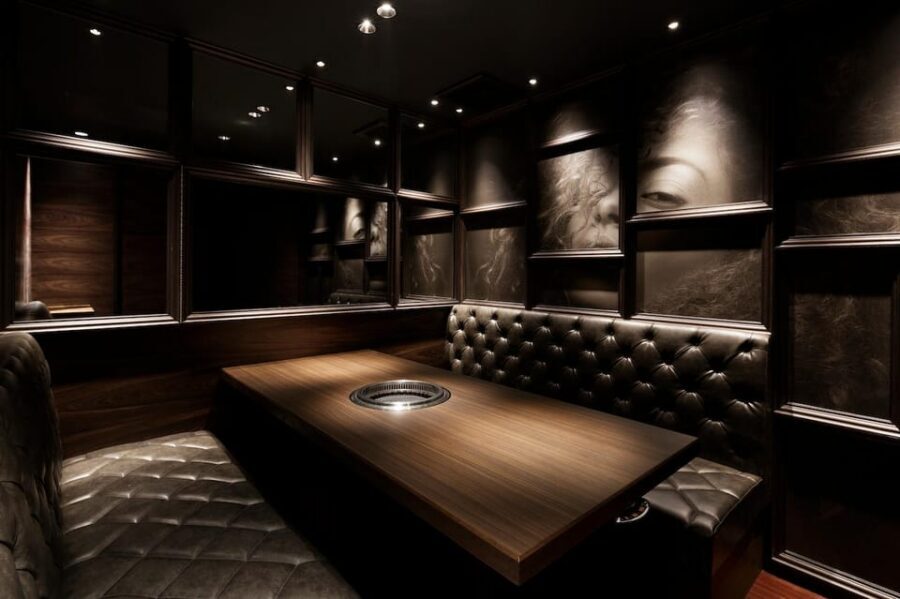
I’d book it if you want a premium wagyu dinner that comes with a reason for the menu, not just a price tag. The theme-based tasting and the structured course format make it easier to learn what you’re eating, even if you’ve never ordered wagyu before. Add English support and a modern, not-stuffy vibe, and it becomes a strong pick for a celebration or a business dinner where you want the meal to do the talking.
Skip it if you’re looking for a fully flexible yakiniku experience where you can order whatever pops into your head, or if you strongly prefer drinks being included in the price. Also, if you dislike fixed-course pacing, the 2-hour seat window might feel like a constraint.
If you’re aiming for one memorable meal in Osaka that’s both educational and genuinely delicious, Nikuoroshi Mannoya Bettei is a smart reservation.
FAQ
Is this a guided tour or a restaurant reservation?
It’s a restaurant reservation only. No guide will be provided.
How long is the experience?
The seating is reserved for up to 2 hours.
What’s included in the price?
A full course menu, sales tax, and the reservation are included.
Are drinks included?
No. Drinks are not included.
How much does it cost?
The price is listed as $66 per person.
Do you choose cuts from 80 options?
Yes. The experience highlights choosing among 80 premium cuts with different flavors.
What are the different menu choices?
You can choose from three full course menus: Special Premium Lean Wagyu Selection, Premium Mannoya Wagyu Special Lean Beef Platter, or Royal Selection: Ultra-Premium Wagyu Lean Cut Assortment.
What about dietary restrictions?
If you have any dietary restrictions, leave a comment during checkout so the restaurant can be aware.
Can children eat for free?
Children under 10 are free of charge. Children 10 and older are required to order the regular course.
What’s the legal drinking age in Japan?
Japan’s legal drinking age is 20 years or older.
Where exactly is the restaurant located?
It’s located in a narrow alley.
Is there a cancellation option?
Yes, you can cancel up to 2 days in advance for a full refund.