REVIEW · OSAKA
Koyasan: A Mysterious Meditation Journey
Book on GetYourGuide →Operated by Kansai Holiday · Bookable on GetYourGuide
Koyasan can feel like another world before you even start walking. You get a smooth, private ride from Osaka/Kyoto, then step through the towering Daimon Gate into a Buddhist landscape that’s been shaping Japanese faith for over 1,200 years. I especially love the chance to stroll Kongobu-ji for that Shingon temple atmosphere, and to worship at Okuno-in of Kobo Daishi, where the resting places link past nobles and samurai to the present day. One catch to plan for: entrance fees and food are not included, so you’ll want to budget a bit beyond the tour price.
This trip also makes a smart choice about time and energy. You can climb and decide what matches your mood: main-temple sights like Kongobu-ji, or the gravely calm draw of Okuno-in, plus other stops such as Danjo Garan Sacred Temple and the Koyasan Reihokan Museum. The optional meditation part is a real bonus if you want more than sightseeing, but it’s something you should decide on early so the day stays comfortable.
In This Review
- Key points to know before you go
- First contact: stepping through the 25-meter Daimon Gate
- Two temple moods: Kongobu-ji versus Okuno-in
- Kongobu-ji: Shingon temple atmosphere in full form
- Okuno-in of Kobo Daishi: a cemetery of devotion
- Danjo Garan Sacred Temple and Koyasan Reihokan Museum
- Danjo Garan Sacred Temple: a sight that feels ritual-shaped
- Koyasan Reihokan Museum: context without getting stuck indoors
- Optional live temple meditation: quiet training, not just sightseeing
- The practical value: private transport that saves your energy
- Who this tour suits best
- Cost and what you actually get for $539 per group
- Service details that quietly make the day easier
- A word on communication and language support
- What you can expect on the day, from start to finish
- Should you book this Koyasan meditation journey?
- FAQ
- How long is the Koyasan trip?
- Where does the tour start from?
- What is included in the price?
- Are entrance fees and meals included?
- Can I add live meditation or monk-led training?
- What languages are available?
- Is it only English support?
Key points to know before you go
- Private, hotel-to-hotel transport that keeps the mountain day from turning into a logistics headache
- Daimon Gate at 25 meters with vermilion color, wooden guardians, and a strong sense of arrival
- Choice-based temple time so you can prioritize Kongobu-ji or Okuno-in without feeling rushed
- Monk-led meditation option if you want quiet training, not just pictures
- A guide can matter: the driver has basic English unless you add expert language support
First contact: stepping through the 25-meter Daimon Gate
Your day starts with pickup at your hotel in the morning, then a roughly two-hour drive from Osaka or Kyoto up toward Koyasan. That first stretch matters more than you’d think. It buys you mental space: you arrive before you’re tired, and the climb doesn’t feel like a chore.
When you reach Koyasan Daimon Gate, the scale hits right away. The gate is listed as about 25 meters tall, with vermilion color and wooden guardian figures watching on both sides. You don’t need to be an architecture expert to feel the intention here: it’s a physical threshold into a sacred zone, not just a fancy entrance.
There’s also a human history layer to that moment. The tour information notes that Koyasan used to be a quieter place that welcomed men only, and about 150 years ago it opened up to welcome women and all spiritual travelers. Even if you’re only half-paying attention, that detail changes how you read the place. You’re not just visiting a static museum site; you’re walking through a living tradition that has adapted over time.
You can also read our reviews of more tours and experiences in Osaka.
Two temple moods: Kongobu-ji versus Okuno-in
The best part of this experience is the freedom to choose your “main feeling” for the day. Koyasan is full of temple buildings and ritual spaces, but the day can stay manageable if you focus on one major direction first.
Kongobu-ji: Shingon temple atmosphere in full form
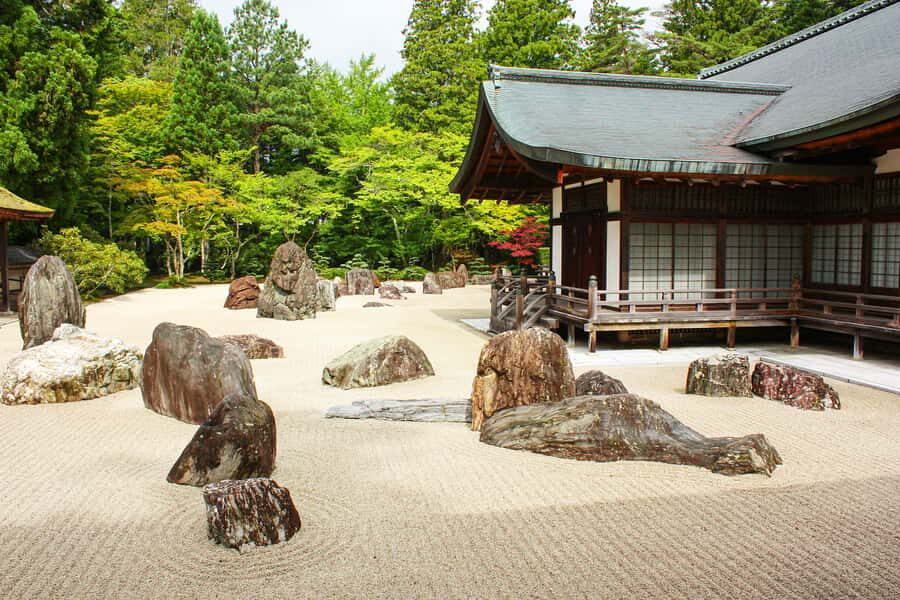
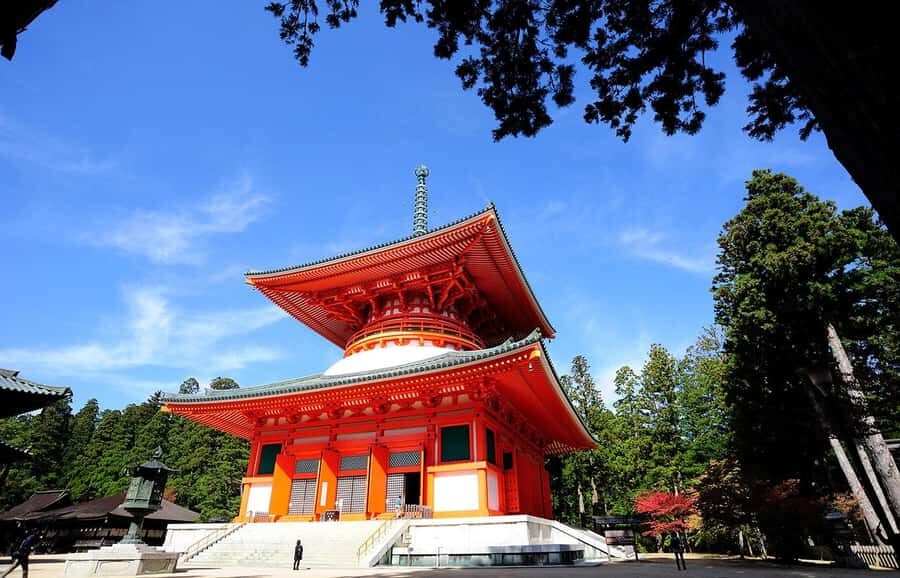
If you choose Kongobu-ji, you’re prioritizing the core presence of Shingon Buddhism in Koyasan. This is the place to gravitate toward if you like big temple energy: layered halls, incense-and-wood atmosphere, and the sense that the site isn’t only historical, it’s still functional. You’ll likely appreciate it most if you enjoy seeing how religion looks in everyday rhythm—where a temple isn’t just a background, but a center of ongoing practice.
A practical tip: if you’re the type who loves to look closely at details, Kongobu-ji tends to reward slow walking. If you’re more into quiet scenes and fewer crowds, you may prefer the other major option below.
Okuno-in of Kobo Daishi: a cemetery of devotion
If you choose Okuno-in of the Kobo Daishi, you’re going after a very different tone. This is where the resting places of countless nobles, celebrities, and great samurai are described as being present. That combination—elite names from history, held in a place that feels solemn—creates a strong emotional contrast.
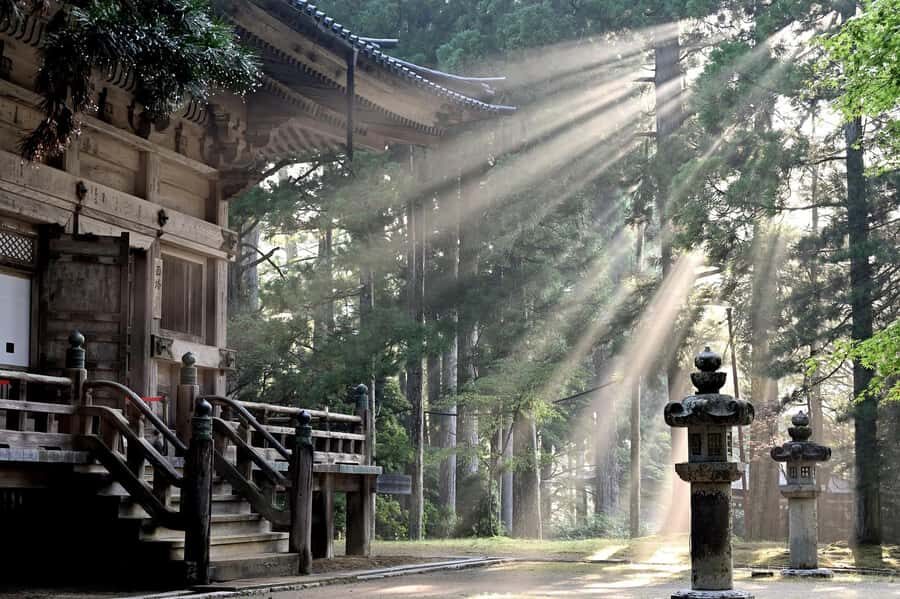
Okuno-in is also the stop that tends to feel most like Koyasan’s signature mood: long corridors of stone, more stillness than bustle, and a heavy sense of time. The tour info even mentions seasonal touches like summer fireflies, and that you may see flying squirrels on summer nights. That’s not something you can plan around every day, but it’s a helpful reminder that Koyasan isn’t just a calendar museum. Nature is part of the experience when the season lines up.
If you’re undecided, I’d treat it like this: Kongobu-ji is for temple structure and sect identity. Okuno-in is for atmosphere and devotion.
Danjo Garan Sacred Temple and Koyasan Reihokan Museum
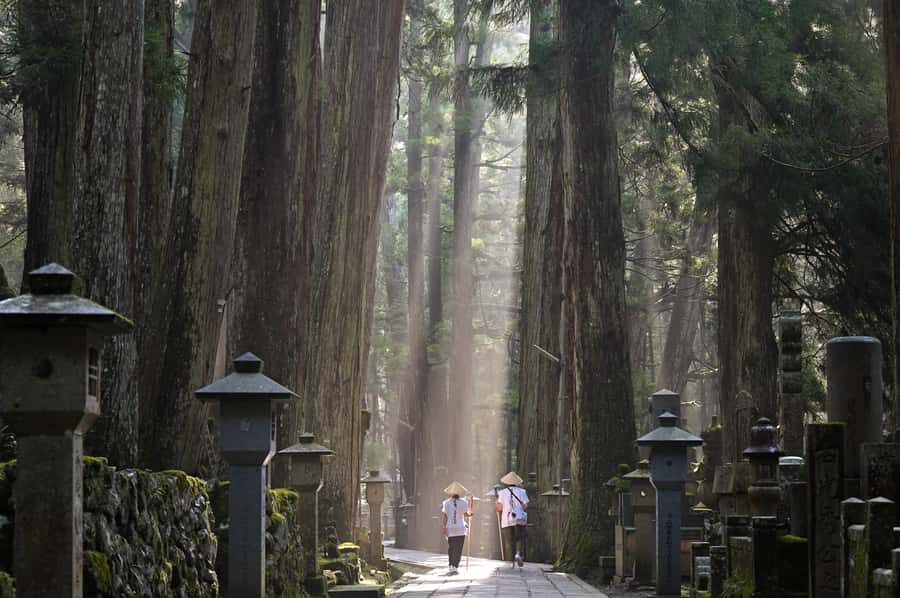
Even if you pick one big focus—Kongobu-ji or Okuno-in—this trip still gives you room to add other meaningful stops.


Danjo Garan Sacred Temple: a sight that feels ritual-shaped
Danjo Garan Sacred Temple is one of the key sacred temple zones listed for the day. Stops like this are valuable because they help you see Koyasan as a network, not one building. You start to understand how different spaces support different parts of practice: prayer, reflection, and the visual language of Buddhist architecture.
What I like about including a site like Danjo Garan is that it breaks up the day. After one intense stop, a second sacred area gives your brain a new visual rhythm.
Koyasan Reihokan Museum: context without getting stuck indoors
If you’re the kind of person who wants a little explanation to go with what you’re seeing, the Koyasan Reihokan Museum is a smart counterbalance. Museums here can help you connect temple sights to objects, stories, and the broader Shingon cultural world.
In a day like this, museum time is also a practical reset. You get a change of pace, which is helpful if you plan to do anything optional like meditation training later.
Optional live temple meditation: quiet training, not just sightseeing
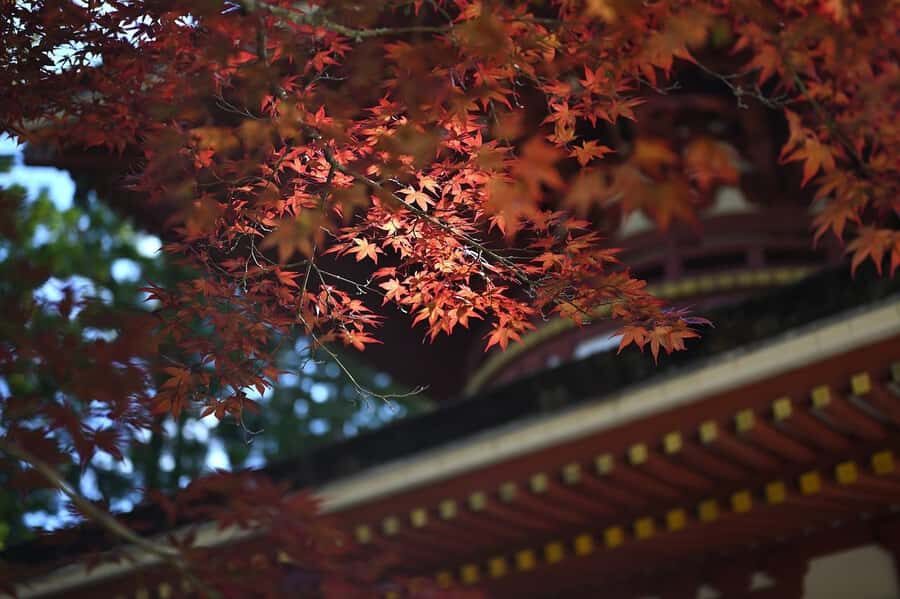
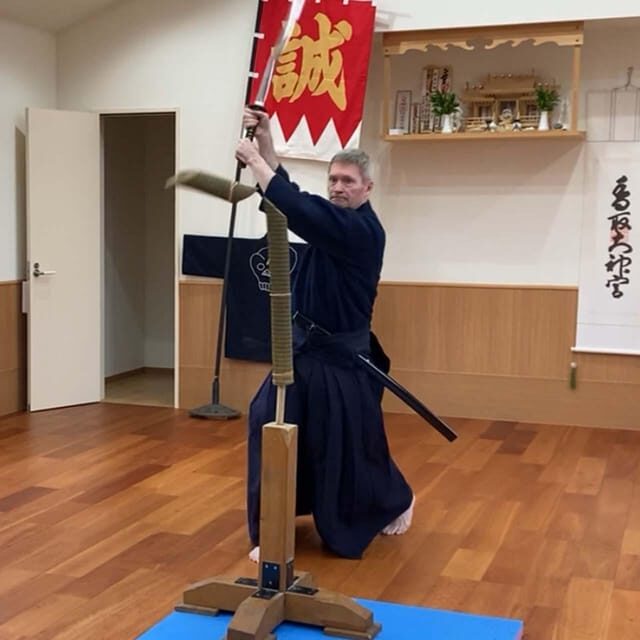
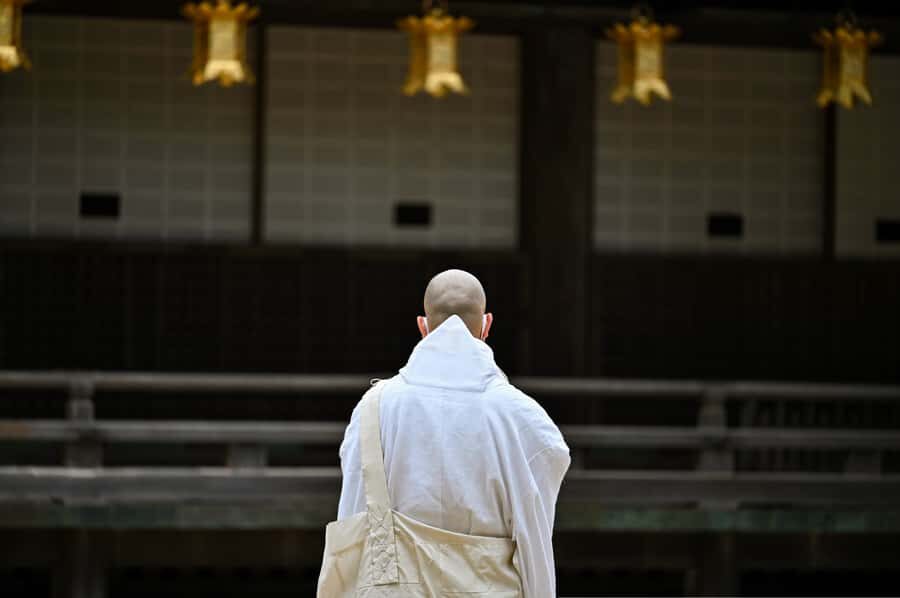
One of the headline features of this experience is the option to do live meditation linked with monk-led practice. The highlights specifically mention following the monk to do meditation training, and there’s also an option described as living in the temple for longer-term meditation.
I’d frame this as a choice between two types of travel satisfaction. Sightseeing-focused visitors often come away with photos and impressions. Meditation-focused visitors tend to return with a different kind of memory—one that feels calmer and more personal.
If you want that training, don’t leave it to the last second in your head. Meditation-style activities work best when you arrive ready to slow down. Also keep in mind that you’ll be in active temple environments, so you’ll want to follow local rules and keep the day respectful and quiet.
From the information you’re given, this option isn’t just a performance. It’s described as monk-led, with a training component. That matters if you want your visit to feel real rather than staged.
The practical value: private transport that saves your energy
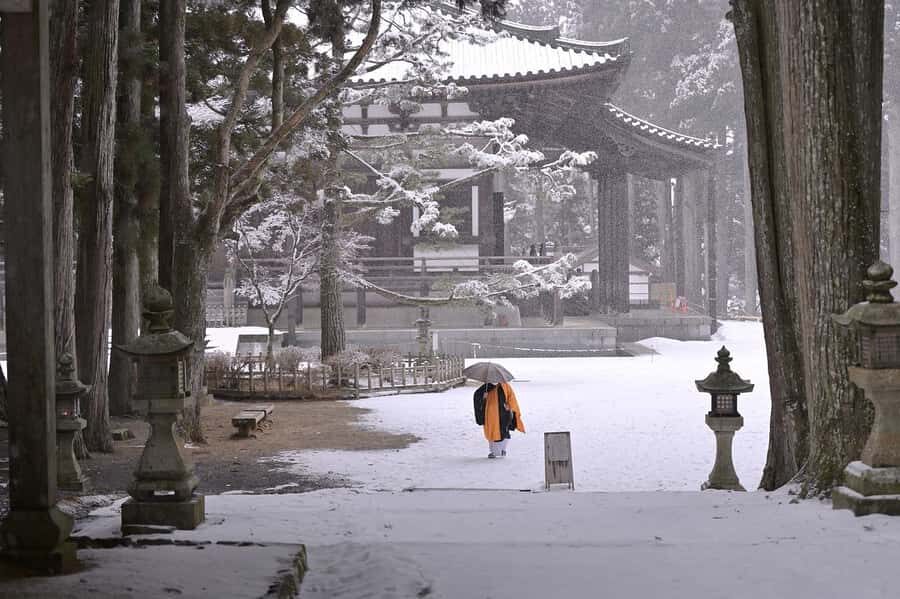
The tour runs about 10 hours of services total, with hotel pickup and drop-off included. A big reason this is worth considering is how much stress private logistics remove.
You’re not coordinating bus schedules, taxis, or train transfers while also dealing with Koyasan’s mountain location. Instead, you get air-conditioned vehicle service, plus WiFi in the car, and even charging cables. It’s small stuff, but it’s the difference between spending the day tired and actually enjoying it.
There’s also a translation layer: a multi-language translation app is included. And since the driver is described as having basic English, that app can be the difference between understanding the schedule and feeling a little lost. If you want expert-level explanation, the information suggests purchasing an expert guide language service separately.
From a value standpoint, private transport becomes especially worthwhile if you’re traveling as a small group and you’d otherwise be paying for separate rides or trying to piece together multiple legs.
Who this tour suits best
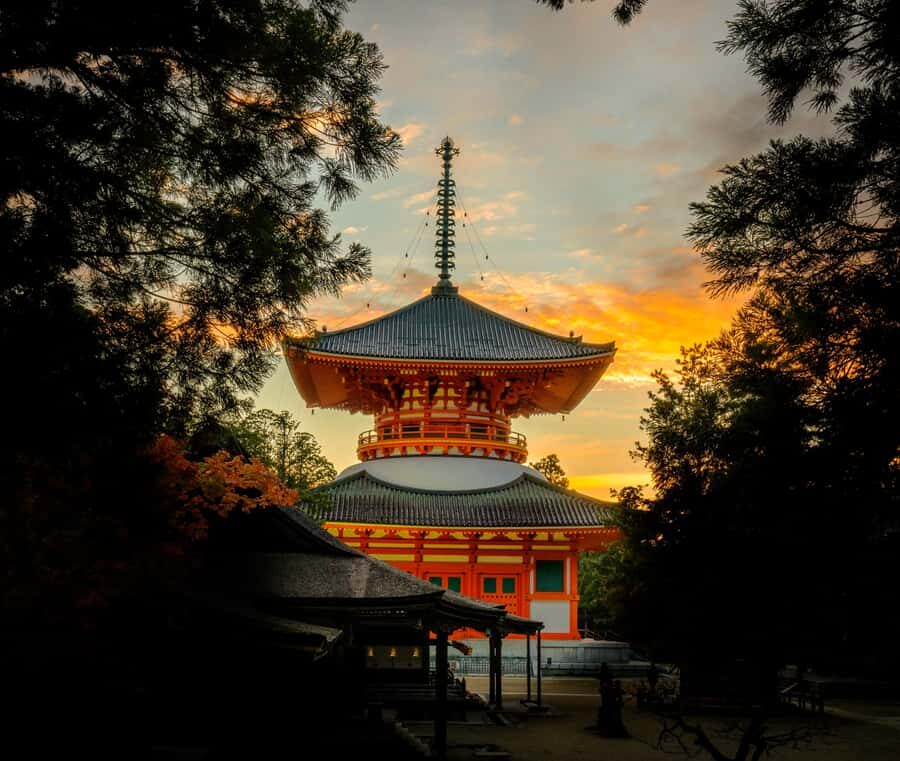
This is the kind of tour that works well if you want Koyasan to feel intentional, not rushed.
You’ll likely enjoy it most if:
- You want a guided, temple-focused day without map-chasing
- You like having choices between Kongobu-ji and Okuno-in
- You value private comfort over squeezing into shared transport
- You’re interested in the spiritual side and not only the architecture
If you’re someone who prefers very spontaneous travel, you might find the structure useful but still want flexibility in which stop becomes your centerpiece. The day is designed so you can pick your main temple path and then add supporting sights.
Cost and what you actually get for $539 per group
The price is listed as $539 per group up to 5. That’s not the cheapest way to reach Koyasan, but it’s not trying to be either. You’re paying for private, hotel-to-hotel transportation and a guided plan that handles the mountain logistics for you.
When judging value, don’t just look at the number. Think about what the day would cost you if you did it on your own: getting to Koyasan from Osaka or Kyoto, paying for transfers, and spending time figuring out timing. Add the comfort factors like WiFi, parking support, and the translation app, and the price starts making sense for small groups.
Two things to budget separately because they’re not included:
- Entrance fees
- Food and beverages
So your real all-in cost depends on what you eat and how many paid temple-related admissions you encounter. If you keep that in mind from the start, there won’t be any mid-day surprises.
Service details that quietly make the day easier
The included services also cover a few practical items that matter when you’re on the move for 10 hours.
- Hotel pickup and drop-off: this removes the biggest time-drain of getting to and from the mountain
- Parking fee and fuel/tolls: you don’t have to manage receipts or confusion
- Multi-language translation app: helpful if your Japanese is basic
- Baby seat: the first baby seat is free if you tell the provider before departure
- Over 10 hours and night time: extra fees apply if the day runs long or finishes after 21:00
One more point: the information also notes you must book at least 24 hours in advance, and that if you cancel too late or don’t show up, you won’t receive a refund. It’s normal policy language, but it matters if your schedule is fragile.
A word on communication and language support
The driver speaks basic English. If you care about getting deeper explanation—why particular rituals matter, what to look for inside a temple space—then expert language support is worth considering. The information suggests you can purchase that expert guide option during booking confirmation.
You’ll also notice that the tour supports languages such as Chinese, English, and Japanese. If you’re choosing a language that you’re comfortable with, it can help you feel present rather than mentally translating everything.
What you can expect on the day, from start to finish
Even without a rigid feeling, the flow is clear.
You’ll start in the morning with pickup and a drive of about two hours to Koyasan Daimon Gate. After entry through the large vermilion gate, you’ll climb and then choose between major destinations such as Kongobu-ji and Okuno-in of Kobo Daishi. Then you can round out the day with the Danjo Garan Sacred Temple and the Koyasan Reihokan Museum.
The goal isn’t to cram every single temple. The tour is described as not needing to rush, and it’s designed as a relaxed day at the mountain-top spiritual center. You’ll return to your hotel in the evening.
From the experience details, this pacing is also why the optional meditation training can work. You’re not sprinting across Koyasan. You’re spending enough time to actually shift gears.
Should you book this Koyasan meditation journey?
I think this is a strong pick if you want a private, low-stress way to experience Koyasan’s two biggest personalities: temple identity at Kongobu-ji and devotion-atmosphere at Okuno-in. The value improves if you’re traveling in a group up to five and you care about comfort, transport, and not having to coordinate everything yourself.
Book it if:
- You want hotel pickup and private transport from Osaka or Kyoto
- You’re interested in either Kongobu-ji, Okuno-in, or both
- You’d like the option of monk-led meditation training
- You can budget separately for entrance fees and food
Skip or rethink it if:
- You only want a quick photo stop and minimal temple time
- You’re expecting everything to be fully explained in perfect English without an expert guide option
- You’re sensitive to extra costs if your day runs long or ends after 21:00
If you’re aiming for a day that feels respectful, quiet, and well-planned, this one hits the mark. And if you add the meditation option, you’ll leave with more than just views of cedar, stone, and temple gates. You’ll leave with something calmer that you can carry back down the mountain.
FAQ
How long is the Koyasan trip?
The service time is 10 hours total, with hotel pickup and drop-off included.
Where does the tour start from?
You’ll be picked up from your hotel, and the trip departs from Osaka or Kyoto for the drive to Koyasan.
What is included in the price?
Included items are private air-conditioned transportation, hotel pickup and drop-off, WiFi in the car, fuel and tolls, parking fee, and a multi-language translation app, plus related charging cables.
Are entrance fees and meals included?
No. Entrance fees and food and beverages are not included.
Can I add live meditation or monk-led training?
Yes. The experience includes an optional live meditation training led by a monk, and there is also an option described for long-term temple meditation.
What languages are available?
The tour information lists Chinese, English, and Japanese.
Is it only English support?
The driver speaks basic English. If you need expert-level guidance, you’d purchase that language service through the booking flow.