REVIEW · KYOTO
Kyoto: Kimono Rental in Gion Provided by RikaWafuku
Book on GetYourGuide →Operated by TripFarm · Bookable on GetYourGuide
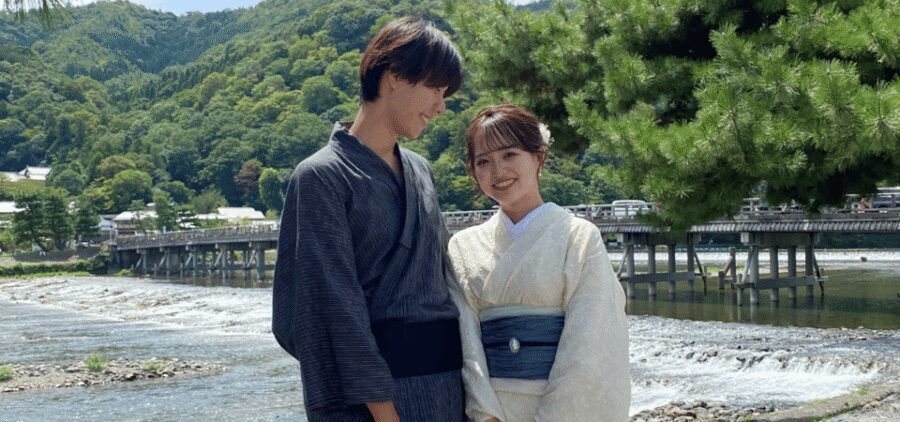
Kimono time starts in the heart of Gion. This one-hour rental from RikaWafuku puts you close to Gion-Shijo Station and moves fast through dressing and hair styling for women, so you can get out onto the streets without losing your whole afternoon.
I also like the practical setup: you can come empty-handed, pick from a big lineup of kimonos, and get help with the details that make the outfit look right—obi guidance, sandals, and the finishing touches. One thing to consider: the flow is geared toward Japanese speakers, and the changing setup can be shared, so it may feel less private than some people expect.
In This Review
- Key things to know before you rent in Gion
- RikaWafuku in Gion: fast access from Gion-Shijo Station
- What you really get for around $19: kimono rental plus styling
- The 45–70 minute rhythm: how the experience flows
- Kimono selection without plan penalties: how to choose smartly
- Shared changing space and Japanese-only language: the trade-offs
- Luggage rules: what you can stash and what can cost extra
- Hair styling for women: irons, 5 patterns, and included hair accessories
- Sandals and geta: the small choices that change the whole look
- Your kimono walk in Gion: timing and return deadline pressure
- Who should book this and who should think twice
- Should you book RikaWafuku Kimono Rental in Gion?
- FAQ
- Where is RikaWafuku’s Gion store located?
- How much does the Kyoto kimono rental cost?
- What’s included in the rental set?
- Is hair styling available for men?
- Can I come empty-handed?
- How long will it take from check-in to leaving?
- What time do I have to return the kimono?
- Is free cancellation available?
Key things to know before you rent in Gion
- 2-minute walk from Gion-Shijo Station: easy start, easy return.
- Multiple kimono options, regardless of your plan: you can choose freely from what’s in stock.
- Empty-handed rental: no hunting for accessories before you go.
- Women’s hair styling is included, with 5 hairstyle patterns: irons and hair accessories are part of the service.
- Add-ons cost extra and use cash only: keep some cash ready if you want optional decorations.
- Return by 5:30 p.m. no matter what: late timing can mean extra fees.
RikaWafuku in Gion: fast access from Gion-Shijo Station

RikaWafuku’s Gion store is a short walk—about 2 minutes—from Gion-Shijo Station. That matters because the whole experience depends on timing. If you’re switching between neighborhoods or hopping between temples, having a clean, obvious meeting point helps you avoid the stress of last-minute navigation.
The location also makes your walking day simple. Once you’re ready, you can head straight into the Gion streets and nearby sights without needing a transport plan for your kimono look. In Kyoto, that kind of convenience is real value.
You can also read our reviews of more tours and experiences in Kyoto.


What you really get for around $19: kimono rental plus styling
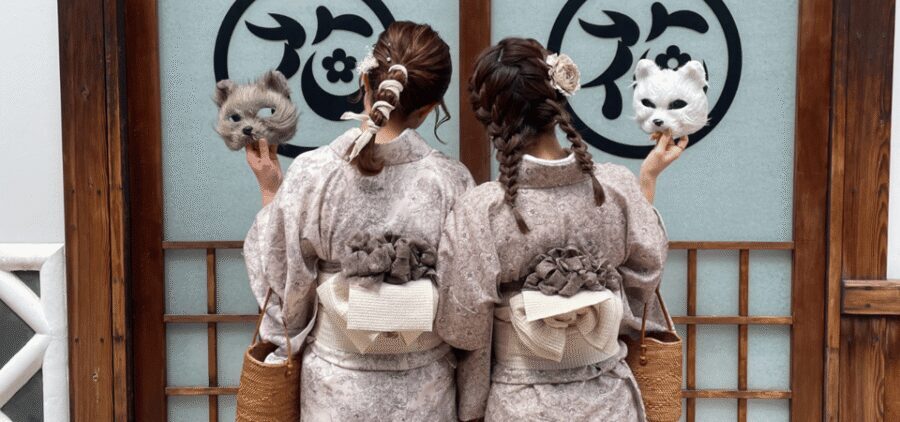
The headline price is about $19 per person, and the core set is designed to be “complete enough” for a first-timer. You get the kimono rental set, dressing, and hair styling for women. Hair ornaments for women are also included.
For people who want a smooth photo-ready result, this is the big selling point: you aren’t just renting fabric. You’re getting fitted and finished by staff, which saves you time and guesswork—especially with the obi and overall proportions.
That said, the service isn’t identical for everyone. Hair styling is not available for men, so men should plan on managing hair on their own before arriving.
Also, optional stuff can add to the total. If you want decorations or add-ons, there’s extra cost, and the only payment method for those options is cash. Large luggage like carry cases can also trigger storage fees.
The 45–70 minute rhythm: how the experience flows
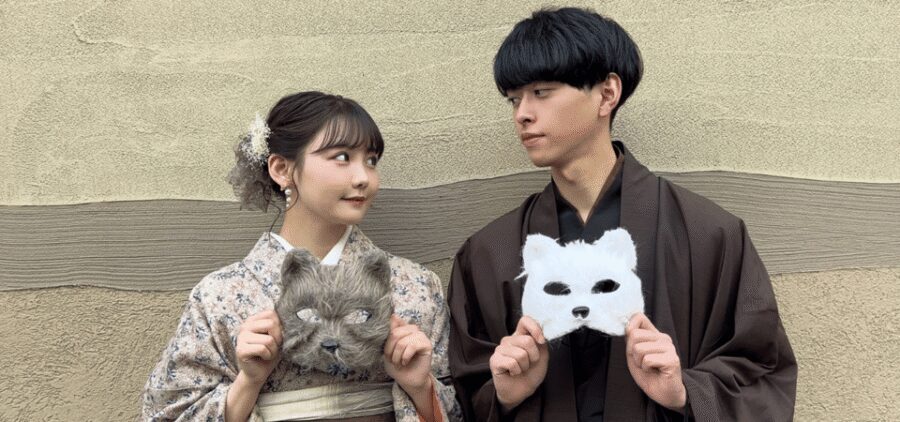
Even though the activity is listed as 1 hour, the practical timeline is more like: check in, then plan about 45 to 70 minutes from reception to dressing and hair styling to your departure. The exact timing shifts with season and with how many people are choosing styles.
Here’s the realistic flow I’d expect you to experience:
1) Arrive at your reserved time.
You’ll check in at the store, and the staff will confirm your kimono or yukata plan.
2) Reception and accessory options (extra if you add them).
They’ll confirm your rental and offer accessory options. If you want extra items, you’ll pay locally in cash.
3) Kimono selection.
This is a strong point: you can choose freely from what the shop has in stock, and you can choose as many as you like. The price doesn’t change depending on the type of kimono or yukata you pick, which means you can aim for what looks best to you rather than what’s cheapest.
4) Leave luggage and change.
You can store clothes you take off or luggage you don’t need for sightseeing with your rental. Large luggage like carry cases may cost extra.
5) Dressing.
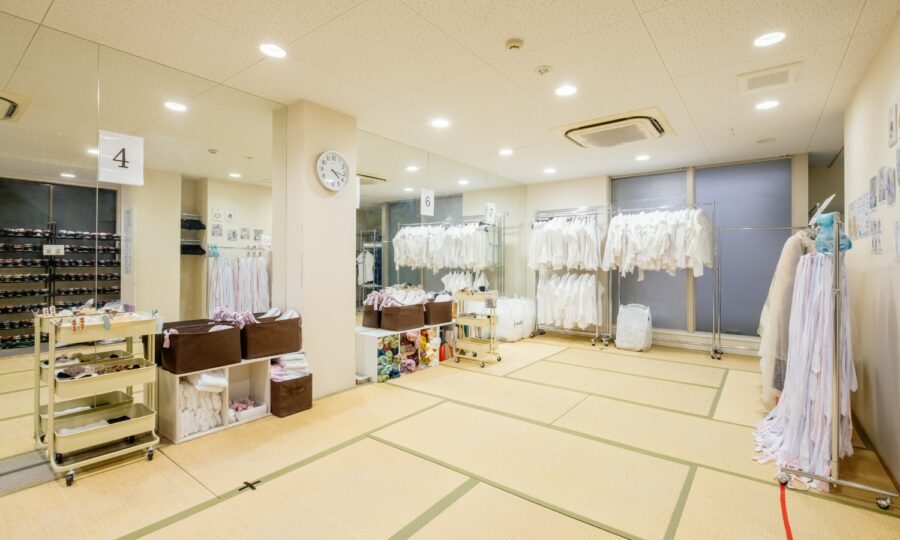
You can do it empty-handed. The staff handles the fitting in their dressing area, and you don’t need special prep gear based on what’s included.
6) Hair styling (women only).
A stylist will set your hair to match the kimono. You can choose from 5 patterns, and hair accessories are included. The service says it works for all hair lengths. Irons are used, so plan for a styled look that won’t be casual-swept away later.
7) Sandals and final accessories.
They’ll help you match sandals and geta to your kimono. At RikaWafuku, they even make custom-made zori sandals that fit the “trendy” kimono look each season—nice if you care about small visual details.
8) Go sightseeing immediately.
Once you’re dressed, you’re set to walk around nearby spots until it’s time to return.
9) Return the kimono by the deadline.
You’ll return by the final return time (more on that next).
The key is this: the shop runs on a schedule. If you’re fashionably late for check-in, the whole day gets squeezed.
Kimono selection without plan penalties: how to choose smartly
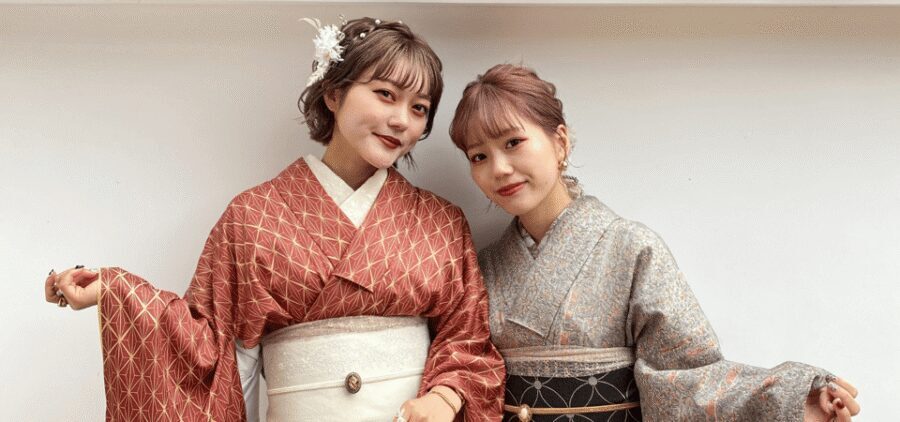
One of the most reassuring details here is that prices don’t change based on which kimono or yukata you select. That means you can focus on style, not math.
Also, the shop claims 400+ items in stock, and they’re used by more than 230,000 customers annually. I take that to mean two practical things: the workflow likely runs smoothly, and the selection is real rather than a small rack of sad options.
How I’d choose if you want your outfit to work for real street walking in Gion:
- Pick a color that complements your skin tone in natural light.
Kyoto street photos can be bright and contrasty, especially in shaded alleys.
- Think about how you’ll move.
Some patterns and heavier-looking fabrics can feel warm or stiff. If you’re visiting in hotter months, ask staff for what’s comfortable.
- Match your hair plan to your outfit.
Since hair styling is included for women, it’s worth choosing a kimono that fits the hairstyle you want. The staff will set hair to match, so you’re not stuck with one fixed look.
If you’re traveling solo or you’re nervous about communicating preferences, you can still manage. The staff will guide you through the selection and fitting steps, and you can point at what you like.
Shared changing space and Japanese-only language: the trade-offs
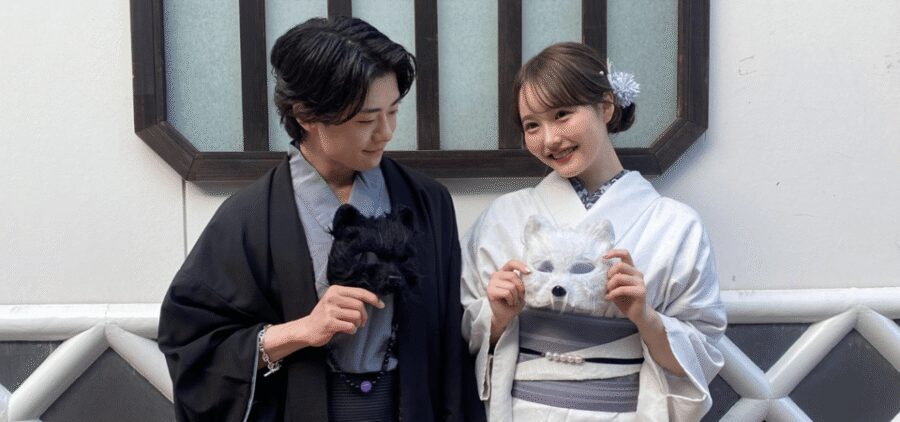
Here’s the realistic consideration: the experience is Japanese language focused. That doesn’t mean you’ll be stranded, but it can affect how quickly you can clarify preferences, answer questions, or understand what’s expected.
A second issue is privacy. The dressing area can involve changing in view of other people. If you’re uncomfortable changing around strangers, bring a little confidence plan: wear easy-on layers and minimize what you need to remove.
This is also a great moment to keep expectations grounded. You’re in a busy Kyoto kimono shop, not a private studio. The upside is speed and efficiency; the downside is that privacy level may be lower than you’d want.





Luggage rules: what you can stash and what can cost extra
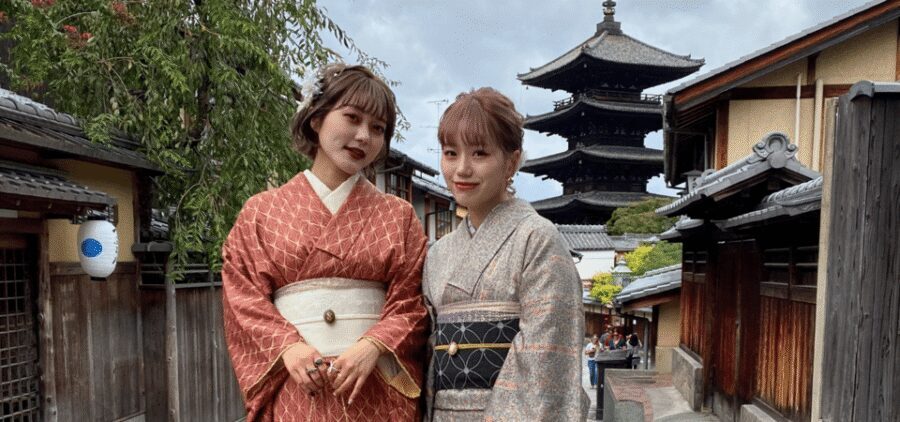
A kimono day gets messy fast if you carry everything. RikaWafuku allows you to leave clothes you take off and any luggage you don’t need for sightseeing with your rental.
The caution is about large luggage. The info says additional charges apply for large luggage such as carry cases. So if you’re traveling with a bigger suitcase, don’t assume it’s handled the same way as small bags.
Practical advice:
- Pack a small day bag for your valuables and essentials.
- Keep only what you truly need during your kimono walking window.
- If you’ve got a carry case, ask what size counts as “large” before you show up.
Hair styling for women: irons, 5 patterns, and included hair accessories
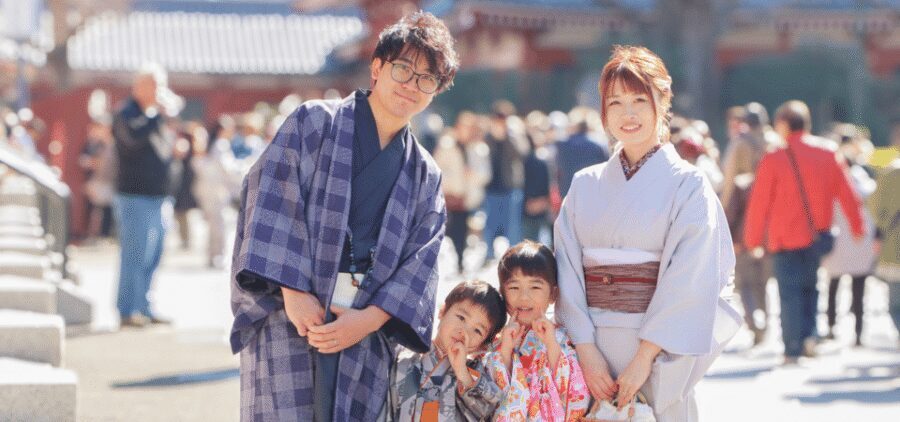
If you’re renting as a woman, this part is one of the best values in the whole package. Hair styling is included, and you get to choose from 5 hairstyle patterns.
The service uses irons, and hair accessories are included, so the final result should be sturdier than a basic quick fix. It’s also described as suitable for all hair lengths, which is huge if your hair is short and you worry you’ll be left out of the “real kimono look.”
One practical caution: because there’s no men’s hair styling service, men need to plan their own look before the appointment. That’s not a deal-breaker, but it changes the “all handled for you” feeling of the rental.
Sandals and geta: the small choices that change the whole look
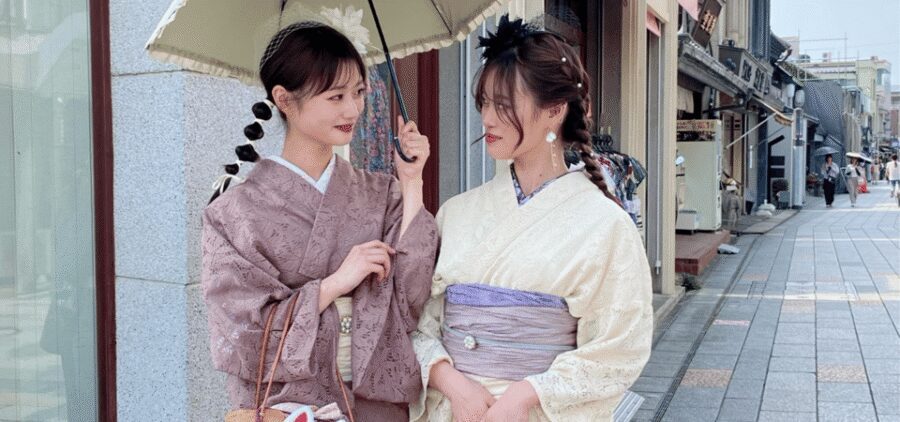
You don’t want your kimono day to turn into a foot-sore mess. The shop helps you choose sandals and geta that match your rental kimono and yukata.
What I like about this is that staff aren’t just handing you generic footgear. They’re pairing the footwear to your outfit, and RikaWafuku mentions custom-made zori sandals designed to fit the seasonal style of their trendy kimono lineup.
If you care about photos, this matters. In kimono pictures, your shoes and lower hems are visible. Matching footwear properly makes the outfit look intentional instead of costume-like.
Your kimono walk in Gion: timing and return deadline pressure
Once you’re dressed, you can head out right away. The store is positioned for sightseeing, with tourist spots and restaurants nearby, so you’re not forced into a long commute while wearing your kimono.
But the schedule has one non-negotiable rule: the final return time is 5:30 p.m. no matter what reservation time you make. If you choose a later start time, you’re shortening your kimono walking window. That can matter if you want dinner reservations, a show, or a temple visit.
Late returns come with fees. The info also notes that if you exceed the return time, an extension fee is added. So treat your kimono like a timed activity, not a flexible backdrop.
A simple planning approach:
- Book the kimono slot early enough to cover both photos and a relaxed meal.
- Give yourself time to walk back slowly, since your outfit and footwear can make distance feel longer.
Who should book this and who should think twice
This rental fits best if you want a low-effort, high-polish Kyoto day. It’s especially good for women who want hair styling included and want a staff-guided outfit result without dealing with complicated obi tying.
It’s also a good match if you’re using public transit and want something close to the main station area. The Gion-Shijo proximity is a big help.
Think twice if:
- You strongly need privacy while changing. Shared changing setup can be awkward.
- You prefer a fully English-led explanation. The experience is Japanese language oriented.
- You’re booking for men and expect hair styling as part of the set. It’s women only.
- You’re traveling with very large luggage that could trigger extra fees.
Finally, the info says it’s not suitable for children under 3 and not for pregnant women. If that applies, look for a different kimono setup that’s designed for your needs.
Should you book RikaWafuku Kimono Rental in Gion?
I’d book if you want a practical kimono experience that gets you into the Gion streets quickly, with staff handling dressing and—if you’re a woman—hair styling. For the price level, the included set is the value: kimono, dressing, hair styling, and hair ornaments, plus help with sandals and fitting details.
I’d hesitate if you need more privacy during changing or if you count on lots of English guidance. That’s the main friction point here, and it’s worth planning around with simple clothes and a clear plan for what you want.
If you want the easiest path to a great kimono day, this is a solid pick—especially because the location makes everything feel manageable.
FAQ
Where is RikaWafuku’s Gion store located?
It’s a 2-minute walk from Gion-Shijo Station, making it easy to reach before your reserved time.
How much does the Kyoto kimono rental cost?
The price listed is $19 per person.
What’s included in the rental set?
Included are the kimono rental set, dressing, and hair set for women. Hair ornaments for women are also included.
Is hair styling available for men?
No. The hair styling service is not available for men.
Can I come empty-handed?
Yes. You can rent the kimono empty-handed because the shop provides what you need for kimono rental.
How long will it take from check-in to leaving?
It usually takes about 45 to 70 minutes from reception to dressing and hair styling to departure, depending on time and season.
What time do I have to return the kimono?
The final return time is 5:30 p.m., no matter what time you make your reservation. Late return can result in fees, and an extension fee is added if the return time is exceeded.
Is free cancellation available?
Yes. You can cancel up to 24 hours in advance for a full refund.