REVIEW · TOKYO
Mt Fuji : Private 10-Hour Luxury Tour by Exclusive Car
Book on GetYourGuide →Operated by Monkey Adventure Kart · Bookable on GetYourGuide
Mt. Fuji gets better when you’re not rushed. This private 10-hour luxury car tour to the Mt. Fuji region is built for comfort and great viewing stops, with the payoff of iconic scenery framed for photos. I especially love the Toyota Alphard ride—spacey, smooth, and calm—plus the way the route centers on the classic Fuji photo spots instead of just driving past them.
One big consideration: Mt. Fuji visibility depends on weather. On a foggy day, even the best viewpoints can end up more clouds than mountain, so I recommend thinking of this as a comfort-first day trip with outstanding chances, not a guaranteed postcard.
In This Review
- Key Things Worth Knowing Before You Go
- Luxury Car Meets Mt. Fuji Reality: What This Day Trip Is Really Like
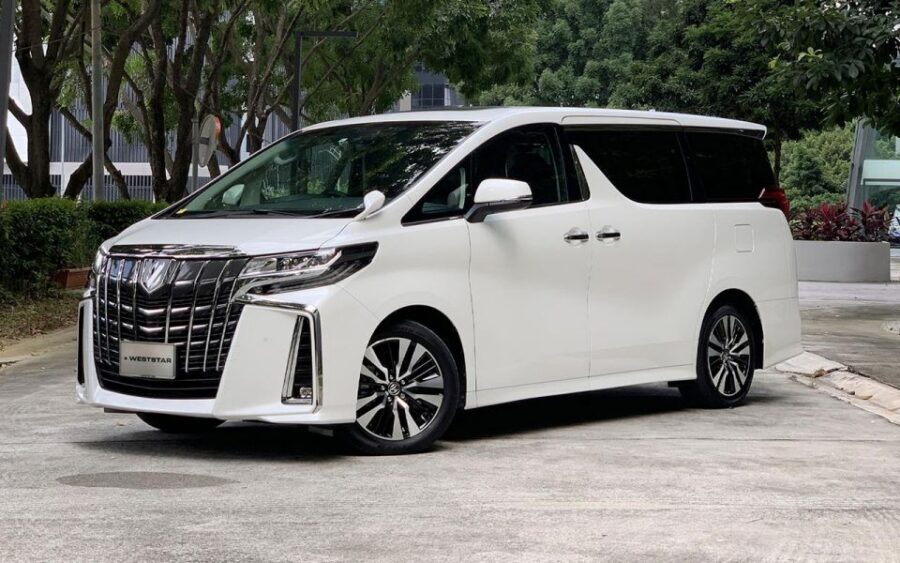
- The Toyota Alphard Difference: Comfort You’ll Feel Long Before Fuji
- Your Mt. Fuji Day Plan: Photo Stops, Timing, and a Relaxed Pace
- Lake Kawaguchiko: The Fuji Five Lakes Stop That Makes the Photos
- Chureito Pagoda Shrine: The Photo-Frame Moment Everyone Talks About
- Shiraito Falls: When You Want Nature That Works Even If Fuji Hides
- Fuji Safari Park: A Fun Detour If You Want Something Different
- The Driver Factor: Professional Service, Plus Real Talk on Communication
- Price and Value: Is $529 Worth It for a Private Fuji Day?
- Timing, What to Bring, and How to Avoid a Wasted Day
- Who This Tour Fits Best (and Who Might Want a Different Style)
- Should You Book This Private Mt. Fuji Luxury Tour?
- FAQ
- How long is the Mt. Fuji private luxury tour?
- Is this a private tour, and how many people can go?
- Where do hotel pickup and drop-off happen?
- What car do you use during the tour?
- Does the tour include admission tickets and meals?
- What language does the driver speak?
- What’s included in the price besides transportation?
- What should I bring for the day?
- Is free cancellation available?
- Do I get my money back if Mt. Fuji isn’t visible?
Key Things Worth Knowing Before You Go
- Private Toyota Alphard comfort for up to 6: a relaxed pace without crowd stress
- Photo-first timing around the Fuji Five Lakes area: designed for the best angles
- Chureito Pagoda viewpoint: the pagoda-frame view is the star of many photos
- Optional Shiraito Falls and Fuji Safari Park: you can balance nature and animal time
- Driver help matters for real-world planning: communication can vary by driver, even with English/Japanese
Luxury Car Meets Mt. Fuji Reality: What This Day Trip Is Really Like
This is one of those Mt. Fuji tours that feels like a small luxury bubble. You start with a hotel pickup in Tokyo, then you ride out together in a premium Toyota Alphard with a professional driver. After that, the goal is simple: slow down enough to see, stop at the right places, and get photos you’ll actually want to keep.
What makes it work for many people is that you’re not dealing with crowded trains, complicated transfers, and the timing chaos that comes with public transport. The driver handles the driving and logistics, and you get to focus on enjoying the scenery and adjusting on the fly. The tour is also customizable for small groups of up to six, so you’re not locked into a rigid checklist feeling.
The tradeoff is weather. Mt. Fuji can be clear, crisp, and dramatic—or wrapped in fog and low clouds. Even when the route hits the best viewpoints, you might end up with cloud cover. In the reviews I read, one day was foggy enough that Mt. Fuji wasn’t visible at all, and that’s the main thing you should mentally prepare for.
You can also read our reviews of more private tours in Tokyo


The Toyota Alphard Difference: Comfort You’ll Feel Long Before Fuji
Let’s talk about the car, because it’s part of the value here. The Toyota Alphard is roomy, air-conditioned, and built for a smooth ride. That matters on a day trip where you’ll be in the vehicle for a good chunk of time, moving between scenic areas around the mountain.
You also get bottled water and a driver who handles fuel and tolls. Those sound like small items, but they reduce friction. Less time stopping, fewer logistics worries, more time standing where you can actually take in the view.
One practical note: a private group of six adults means you want everyone to pack lightly. Space is good, but you still want to avoid turning the back seat into a storage unit. If you bring warm layers, a towel, and comfortable shoes (recommended for the day), plan how you’ll keep those accessible for quick stops.
Your Mt. Fuji Day Plan: Photo Stops, Timing, and a Relaxed Pace
The tour is structured around viewing Mt. Fuji and hitting key scenic stops. That includes a Mt. Fuji photo stop and sightseeing time, plus a schedule that can include a sunset-oriented moment depending on timing. The point is not speed. It’s giving you enough minutes at each location to find a good angle, adjust for lighting, and take a few tries without feeling rushed.
Because the route is customizable, your day can flex. If you’re more into photography, you can spend longer at viewpoints where Mt. Fuji shows clearly. If you’d rather mix in waterfalls or animals, you can add those options. This is the kind of tour that rewards calm planning: you choose what you care about most, and the driver moves you there.
That said, I’d set expectations for commentary. While the day includes guided-style elements in the description, at least one experience left people feeling that there wasn’t much history or explanation at the stops. In plain terms: don’t count on a full lecture at each photo spot. If you want more context, ask direct questions, and you’ll likely get the best help that your driver can provide.
Lake Kawaguchiko: The Fuji Five Lakes Stop That Makes the Photos
If Chureito Pagoda is the icon, Lake Kawaguchiko is often the “how did they get that shot?” part of the day. This is one of the Fuji Five Lakes at the base of Mt. Fuji, and it’s known for classic mountain-and-water views.
What I like about this stop for your real-world experience is flexibility. Even if the weather changes, you can still enjoy the lakeside vibe. You can take a gentle walk, grab a coffee, or simply stand in an angle where the mountain looks framed through open space. The setting also plays well with seasonal scenery—autumn color is called out as a highlight—so you’re not stuck staring at the same view in every season.
The photography angle is the big reason people build the day around this area. When Mt. Fuji is visible, the lake can help create that sense of symmetry and scale. When it isn’t, you still get a calm atmosphere and a chance to enjoy the surroundings while you hope for a break in visibility.
Chureito Pagoda Shrine: The Photo-Frame Moment Everyone Talks About
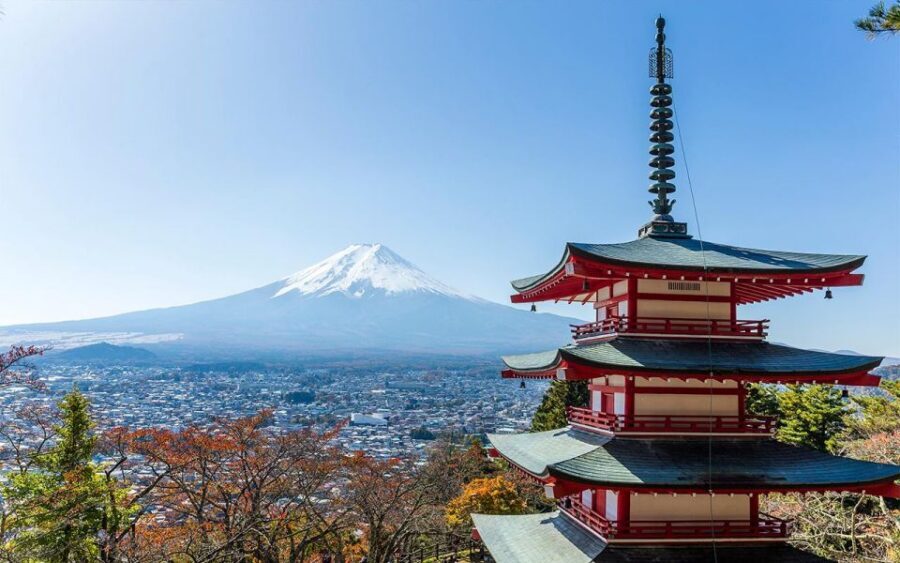
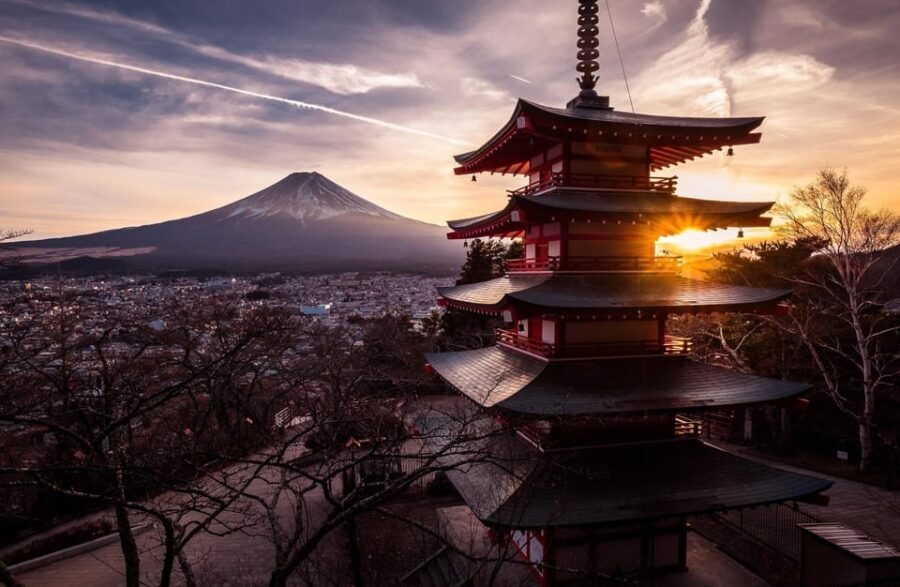
Chureito Pagoda Shrine is famous for a reason: the view is built like a picture. The five-storied pagoda sits on a hillside, and from the right spot you can see Mt. Fuji behind it in a classic, postcard-style composition.
This is where the “best background spots” promise makes sense. The pagoda gives you a foreground anchor, and Mt. Fuji becomes the dramatic background. Even if your camera skills are basic, this is the kind of scene that helps your photos look intentional without heavy editing.
One more thing: crowds and timing can affect how easy it is to get a clear shot. Since this is a private tour, you’re more likely to arrive at a workable time window. Still, if you’re serious about photography, plan to spend a bit of time. Try a few angles, watch the light, and don’t assume the first spot is the final best one.
In the experiences I reviewed, people also enjoyed it during cherry blossom season, so if you’re visiting in spring, you may get the added bonus of seasonal color around the area. That said, always keep warm layers handy, because hillside viewpoints can feel chilly even in mild weather.
A few more Tokyo tours and experiences worth a look



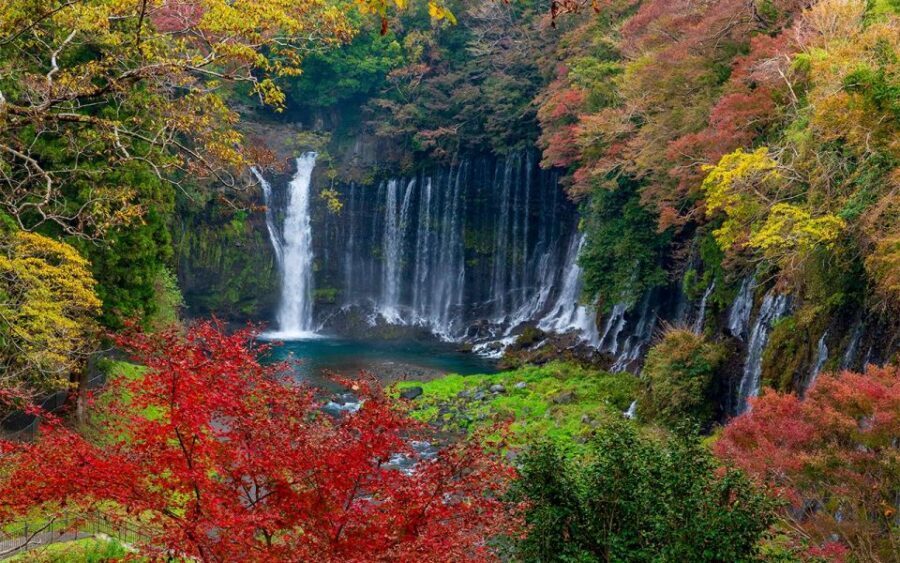
Shiraito Falls: When You Want Nature That Works Even If Fuji Hides
Not everyone comes to Mt. Fuji just for the mountain. Shiraito Falls give you something to focus on even when visibility isn’t perfect.
These falls are known for delicate streams flowing over volcanic rock. The atmosphere is calm, and it’s a refreshing break from viewpoint hunting. You also get a different kind of photo. Instead of mountain framing, you’re capturing texture—water lines, mist, and rock patterns.
Practically, this stop tends to be great for travel days because it breaks up the schedule. You’ll feel less like you’re doing a single long photo mission and more like you’re sightseeing across different “modes” of the region: views, lakes, waterfalls.
A review that mentioned cascades tied the experience directly to the pleasure of seeing beautiful falls near Fuji. That’s consistent with what I’d recommend: if you’re worried about weather hiding Mt. Fuji, keep Shiraito Falls on your list. It’s a scenic plan B.
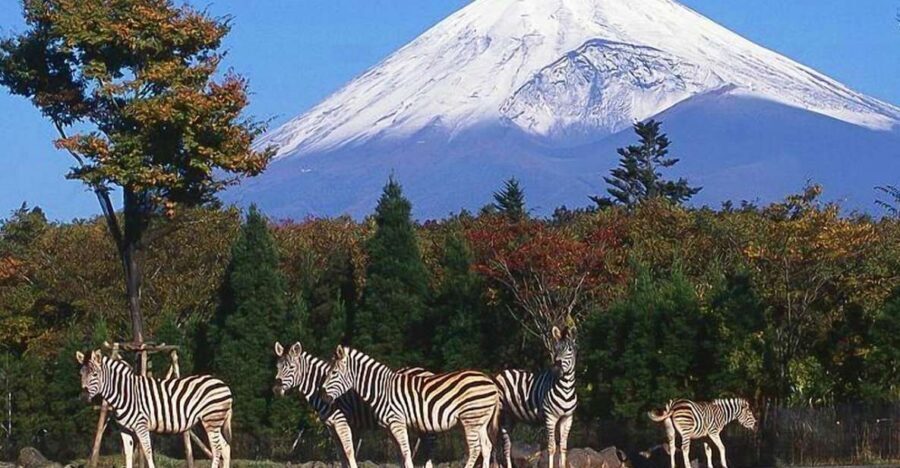
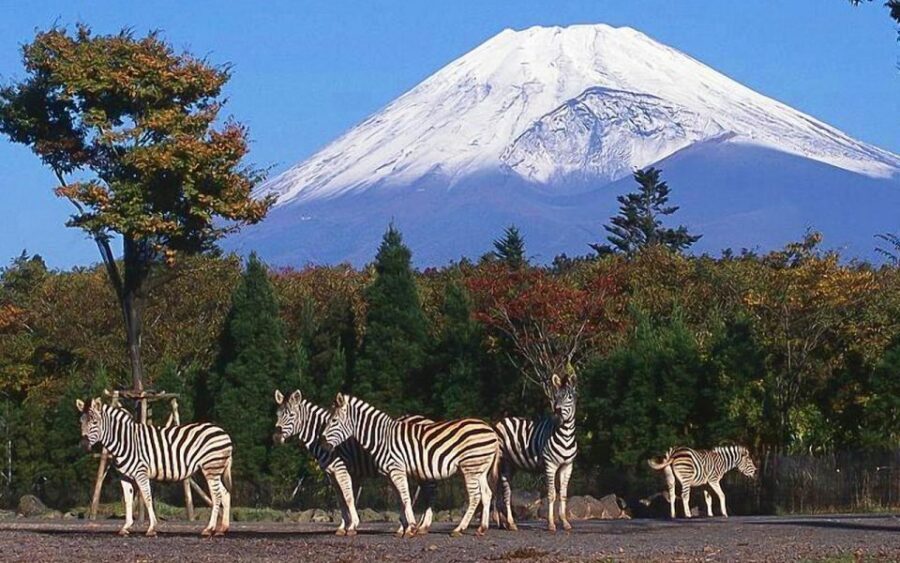
Fuji Safari Park: A Fun Detour If You Want Something Different
The optional Fuji Safari Park stop is there for a reason: it changes the tone of the day. Instead of purely natural scenery, you’re dealing with animal encounters and a more active outing.
In one experience, the safari park was described as unique, with people feeding lions and bears. That kind of hands-on moment is exactly what many travelers want when they’ve already done a lot of temples and viewpoints. It also helps if you’re traveling with kids or anyone who gets restless on long sightseeing days.
There’s a tradeoff, though. If your top priority is photography of Mt. Fuji, adding the safari can take time away from viewpoints. The smart play is to decide what you’d rather remember most: framed Fuji shots or a more interactive family-style experience.
Since the tour is customizable, you can strike a balance. If the day looks clear, you might focus on the best photo areas. If visibility looks questionable, the safari and falls keep the day feeling satisfying even without the perfect mountain view.
The Driver Factor: Professional Service, Plus Real Talk on Communication
The driver is part of the core promise: safe, relaxed travel in a private car. The description says the driver speaks English and Japanese, and multiple experiences praised drivers as kind, professional, and patient. That matters because the most expensive part of a bad day trip is stress—and private tours succeed when the rider feels calm.
Still, communication can vary. One review mentioned a driver named Suzuki who was helpful but had only basic English, which made talking harder. Another person noted that a translator helped them communicate. If you rely on detailed explanations, you’ll want to use simple questions and be ready to adapt.
My advice is to treat this like a collaboration. If you want something specific—more time at a photo spot, a quick stop for a snack, a change in priorities—say it early and clearly. A good driver can usually work with what’s possible.
Price and Value: Is $529 Worth It for a Private Fuji Day?
Let’s break down the math without pretending it’s cheap. The price is $529 per group up to six people for a 10-hour day. That’s roughly $88 per person at full capacity.
Is that a good deal? For many travelers, it is, because you’re paying for:
- a private vehicle (not shared transport),
- hotel pickup and drop-off,
- driver time,
- and trip costs like fuel and tolls.
It’s not a bargain if you’re only two people, though. Private tours always get better value as the group fills up. If you’re traveling as a couple, the price still buys you comfort and flexibility, but you’re paying more per head than a full group would.
Also remember what’s not included: admissions and lunch. That means you may spend extra depending on which optional stops you choose and whether you pay for meals during the day. Still, even with add-ons, the day can remain cost-effective compared to booking multiple rides or trying to piece together a full itinerary with transfers.
The biggest “value test” for me is this: does your group actually want private comfort, or would you rather spend less and accept more complexity? If you want the easiest, most relaxed way to reach the Fuji region, this price can make sense. If you’re budget-focused and okay with crowded transport, you may find cheaper options.
Timing, What to Bring, and How to Avoid a Wasted Day
Mt. Fuji days live and die by preparation. The tour is 10 hours, so you should treat it as a full day, not a quick sightseeing jaunt. Bring warm clothing—this is specifically recommended—because the region can feel cooler, especially around lakes and waterfalls.
Also pack:
- a towel,
- sports shoes (good for uneven ground and walking viewpoints),
- and warm layers you can add or remove.
A practical tip: plan your day so you’re not changing outfits mid-tour. Wear layers you can handle during outdoor stops, and keep your shoes comfortable enough that you won’t hate the walking parts.
Then there’s the weather planning. Even if the forecast looks promising, Mt. Fuji can still be hidden by cloud. If that happens, you’ll want to feel like the day still works. The optional falls and safari stop are a smart way to protect your day’s enjoyment.
Who This Tour Fits Best (and Who Might Want a Different Style)
This tour is a strong match if you fall into one of these buckets:
- You want private, stress-free transportation.
- You’re traveling with family or a small group and want everyone together.
- You care about photography, especially the Fuji Five Lakes area and the pagoda-frame view.
- You’d like flexibility to add Shiraito Falls or Fuji Safari Park.
It might be less ideal if:
- You expect a lot of detailed historical narration at every stop.
- You’re extremely weather-dependent and would be disappointed if Fuji isn’t visible that day.
- You’re traveling solo or as a couple and the per-person cost feels too high.
If your main goal is photos of Mt. Fuji framed by the most famous viewpoints, go in with patience and accept the weather variable. If your goal is a comfortable day in the region plus a few scenic wins even without perfect mountain visibility, you’ll likely feel better about the overall experience.
Should You Book This Private Mt. Fuji Luxury Tour?
I think this is worth booking if you want a smooth, comfortable Mt. Fuji day without the hassle of public transport. The Toyota Alphard comfort, the private pacing, and the focus on classic photo spots like Lake Kawaguchiko and Chureito Pagoda are exactly what make it appealing.
But book with eyes open. Visibility can turn the day into clouds, and commentary may be limited depending on the driver. If you’re okay with that reality—and you’re willing to enjoy waterfalls and optional safari time as backup—you’ll get a satisfying day with far less stress than most DIY plans.
If you’re the type who hates crowded logistics and just wants to arrive, see, photograph, and relax, this is the kind of tour that fits your style.
FAQ
How long is the Mt. Fuji private luxury tour?
The tour lasts 10 hours.
Is this a private tour, and how many people can go?
Yes, it’s a private group tour. It’s designed for up to six guests.
Where do hotel pickup and drop-off happen?
Hotel pickup and drop-off are offered in Tokyo 23 wards and Tokyo.
What car do you use during the tour?
The tour uses a premium Toyota Alphard with air conditioning.
Does the tour include admission tickets and meals?
Admission tickets are not included. Lunch and brunch are also not included.
What language does the driver speak?
The driver can speak both English and Japanese.
What’s included in the price besides transportation?
The price includes hotel pickup and drop-off, bottled water, the driver, fuel, and toll tax.
What should I bring for the day?
Warm clothing, a towel, and sports shoes are recommended.
Is free cancellation available?
Yes. You can cancel up to 24 hours in advance for a full refund.
Do I get my money back if Mt. Fuji isn’t visible?
The tour includes photo stops and sightseeing, but visibility of Mt. Fuji can vary with weather. The provided policy is about cancellation timing, not weather-specific guarantees.