REVIEW · TOKYO
Tokyo: Mt. Fuji 5th St, Gotemba & Hakone by Luxury Bus
Book on GetYourGuide →Operated by 株式会社PC-TAKU · Bookable on GetYourGuide
One day to Fuji and Hakone without planning every turn. I like the Mt. Fuji Fifth Station stop for its cloud-soaked views, and I really enjoy how the day adds Hakone’s pirate ship cruise after the volcanic scenery. The one drawback: Fuji visibility depends on weather, and traffic can squeeze the timing.
This is a long, well-structured coach day that starts in Shinjuku Center Building and loops through Gotemba, Hakone, and back again. You get a live guide (English/Japanese), plus translation support through audio/video, so you’re not left guessing at the sights. Still, it’s a big route, so you’ll want patience when the day runs slow—especially in winter.
In This Review
- Quick hits you’ll care about
- From Shinjuku Center to Gotemba: a long but efficient start
- Mt. Fuji Fifth Station: thin-air views and winter snow play
- Gotemba Premium Outlets: shopping time with a serious time budget
- Hakone Ropeway into Ōwakudani: steam, sulfur, and hot-spring views
- The Hakone pirate ship on Lake Ashi (Tōgendai): calm after the volcano
- How the 12-hour schedule really feels in practice
- Price and value: what your $93 actually covers
- Who this tour suits best (and who should skip it)
- Should you book this Mt. Fuji and Hakone day tour?
- FAQ
- How long is the Tokyo: Mt. Fuji 5th St, Gotemba & Hakone by Luxury Bus tour?
- Where do I meet, and when does the bus depart?
- What is included in the ticket price?
- Is lunch included on this tour?
- Will I definitely see Mount Fuji from the Fifth Station?
- Is there snow play on this tour?
- What languages do I get during the tour?
- What happens if I’m late or miss the tour?
Quick hits you’ll care about
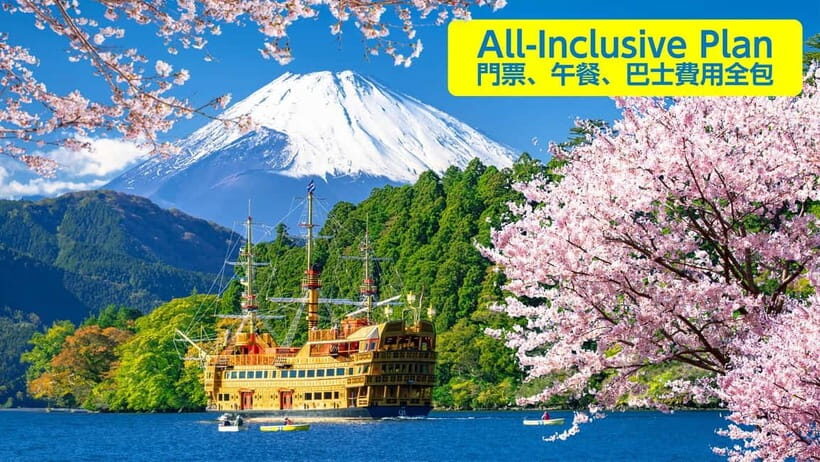
- Mt. Fuji Fifth Station is the headline, with time for photos and a guided look at what you’re seeing.
- Cloud- and weather-dependent views mean you should plan your camera settings and dress for quick changes.
- Gotemba Premium Outlets is your break-with-a-purpose: shop time right after Fuji.
- Ōwakudani on the Hakone Ropeway gives you a bird’s-eye look at the volcanic area and hot springs below.
- The Lake Ashi pirate ship is a calm finale, trading sulfur steam for open water and easy sightseeing.
- Winter timing can change the experience, including snow play in the Mt. Fuji area during late-December through mid-March.
From Shinjuku Center to Gotemba: a long but efficient start
The day kicks off from Shinjuku with a clear meet-up rhythm: you gather on the sidewalk in front of the Shinjuku Center Building entrance (look for the GET YOUR GUIDE logo). The group departs shortly after, which matters because this tour relies on staying ahead of traffic and keeping the sightseeing blocks intact.
Once you’re on the bus, you’re in for about 2.5 hours of coach time before your first big stop. This isn’t the kind of tour where you’re constantly hopping on and off, which I like. It gives your group a chance to settle in, and it also makes the later stops feel less chaotic.
One practical note: if the day runs into congestion, the operator may shorten or rearrange the itinerary. That’s not a deal-breaker, but it is something you should plan for mentally. Build your expectations around the overall route, not a minute-by-minute guarantee.
A few more Tokyo tours and experiences worth a look

Mt. Fuji Fifth Station: thin-air views and winter snow play
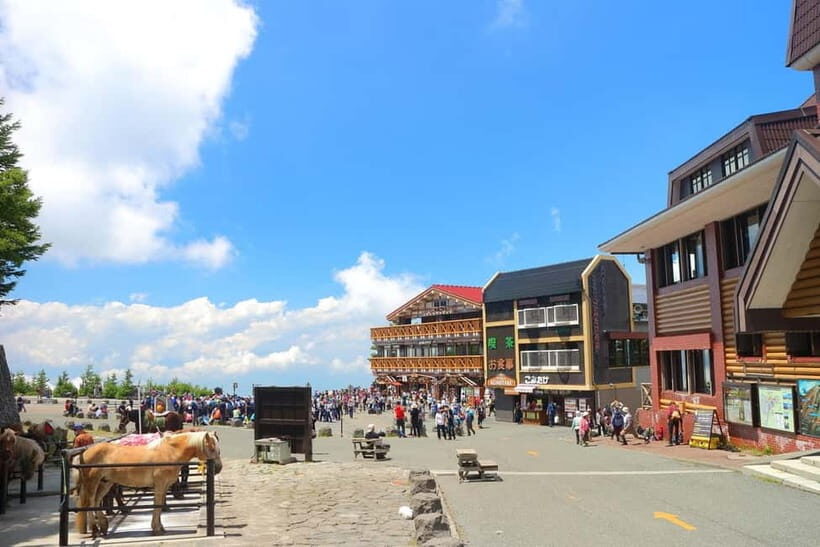
The Mt. Fuji portion is the heart of the whole trip. You’ll get a guided walk and scenic focus for about 40 minutes around Fuji’s Fifth Station, where the altitude and weather can make the air feel sharp and the views feel unreal.
Here’s what makes this stop special even when conditions are tricky:
- You’re high enough to catch that famous “sea of clouds” look when visibility opens up.
- Even if the mountain is partly obscured, you’ll still get the sense of scale from the surrounding terrain.
- You’ll be close to that fluffy-cloud effect, so you really should have your camera ready and charged.
The biggest variable is weather. On clear days, you get the Fuji drama you came for. On cloudy or foggy days, Fuji can slip behind the sky, and your “wow” moment might be more about the atmosphere than the peak itself. That’s not a failure of the tour—it’s just how Mt. Fuji behaves.
Winter adds a bonus option. From late December to mid-March, the snow experience (sledding) takes place at the 2nd station of Mt. Fuji. If snow is operating that day, it’s a fun contrast to the shopping and the Hakone steam later. For winter tours, I’d dress like you’ll be standing outside for a while, even if the guide keeps things moving.
Gotemba Premium Outlets: shopping time with a serious time budget
After Fuji, you land at Gotemba Premium Outlets for about 105 minutes. This stop works well for two reasons: it’s the easiest place in the day to grab something practical (souvenirs, snacks, warm layers), and it gives you breathing room after the altitude and walking.
A realistic way to use this time:
- If you want photos, do a quick loop first, then shop.
- If you’re hunting for gifts, check sizing and price tags early—don’t assume you’ll return with more time.
- Plan to buy what you need for the next part of the day. Hakone can feel cooler and wetter depending on season.
One thing to know: the tour info indicates there isn’t lunch included. That doesn’t mean you won’t have time to eat; it means you should treat meals as your own responsibility. In practice, you’ll have a window to buy food while you’re at Gotemba, and that’s usually the most convenient moment to handle it.
Hakone Ropeway into Ōwakudani: steam, sulfur, and hot-spring views
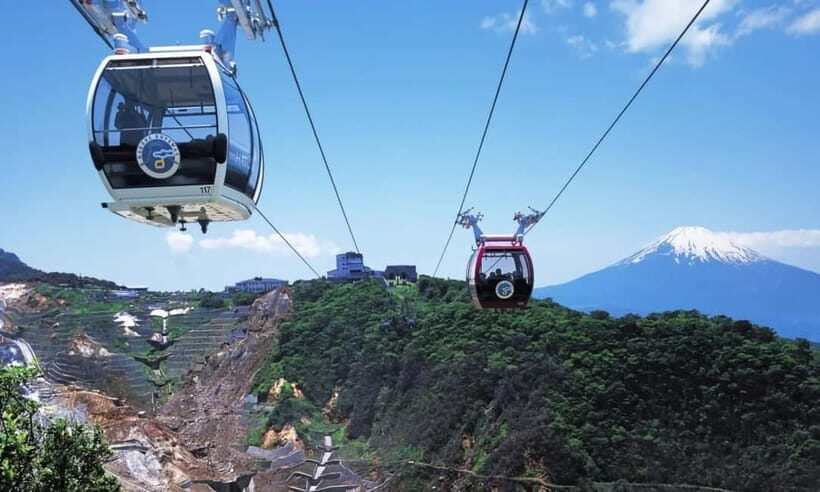
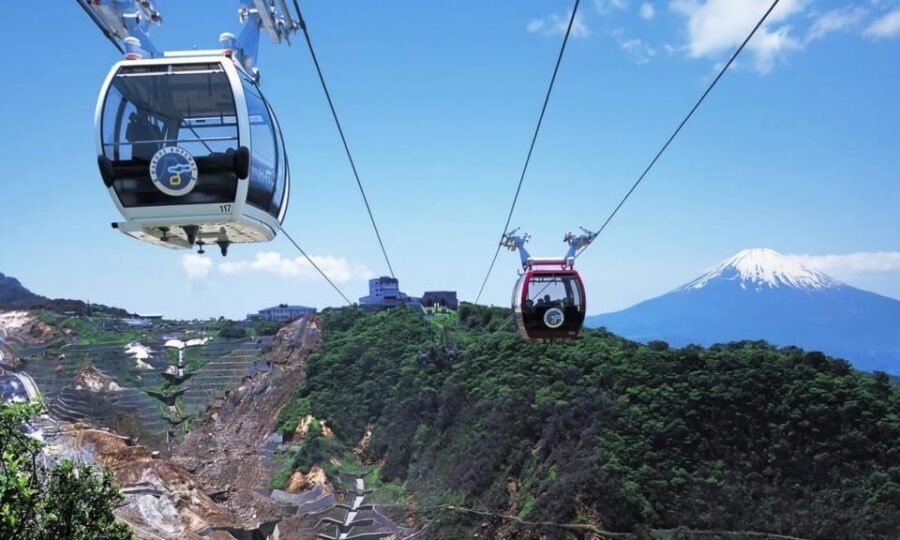
Next comes Hakone, and the day shifts from mountain air to volcanic reality. You’ll ride the Hakone Ropeway (admission included), then head into Ōwakudani Valley.
Even with only a short timing block (the Ropeway visit is brief, and the Ōwakudani stop is about 20 minutes), this is still one of the most visually “Hakone” segments you’ll get:
- Ōwakudani is famous for the volcanic activity—expect steam and that distinctive sulfur atmosphere.
- From above, you get a bird’s-eye view of the hot springs below, which helps the whole hot-spring story make sense fast.
Bring patience for this stop, too. It’s a place where weather and visibility can change what you can see across the valley. But the general payoff is consistent: you get the sense of living geology, not just a scenic view.
If you’re sensitive to strong smells, note that Ōwakudani can be intense. A mask isn’t listed as included, so you’d have to bring it yourself if you use one. Either way, move at your own pace, and don’t rush the viewing areas just because the group is ready.
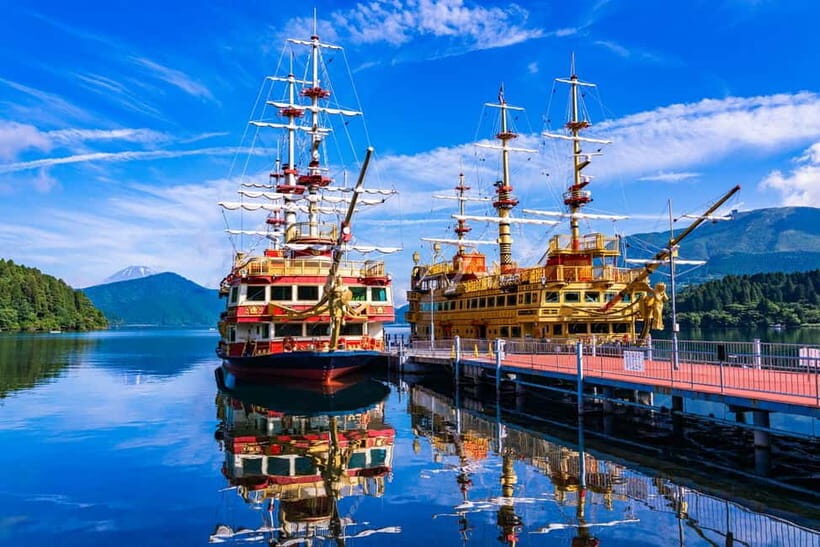
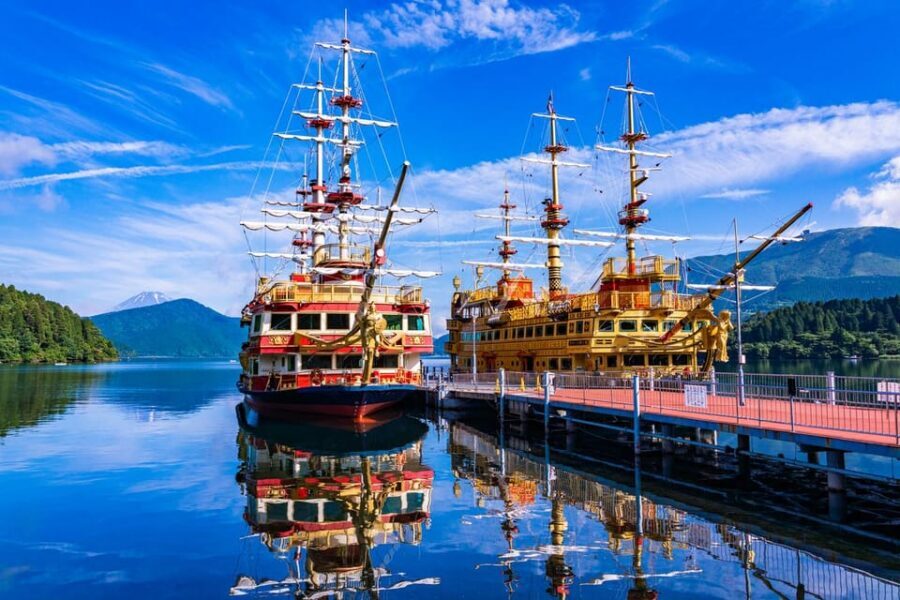
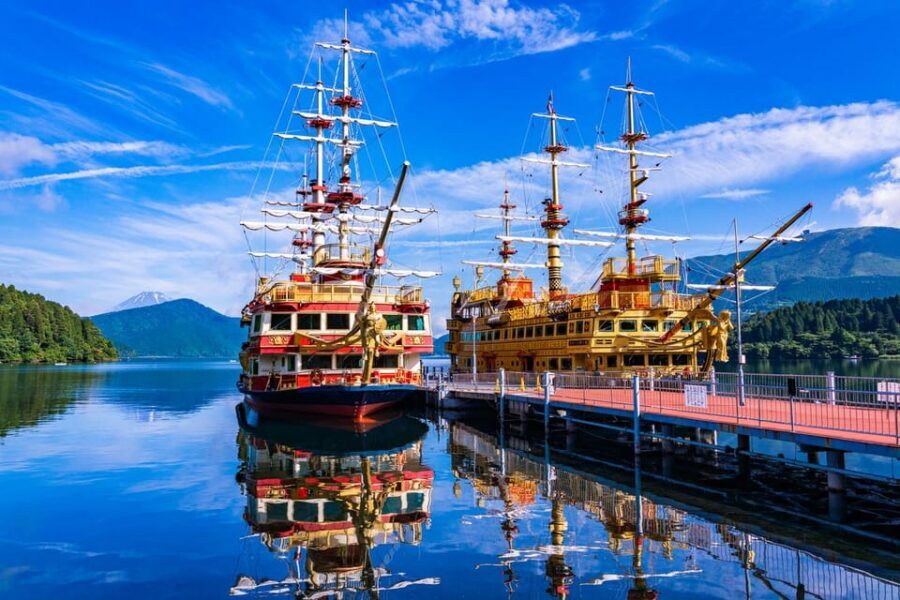
The Hakone pirate ship on Lake Ashi (Tōgendai): calm after the volcano
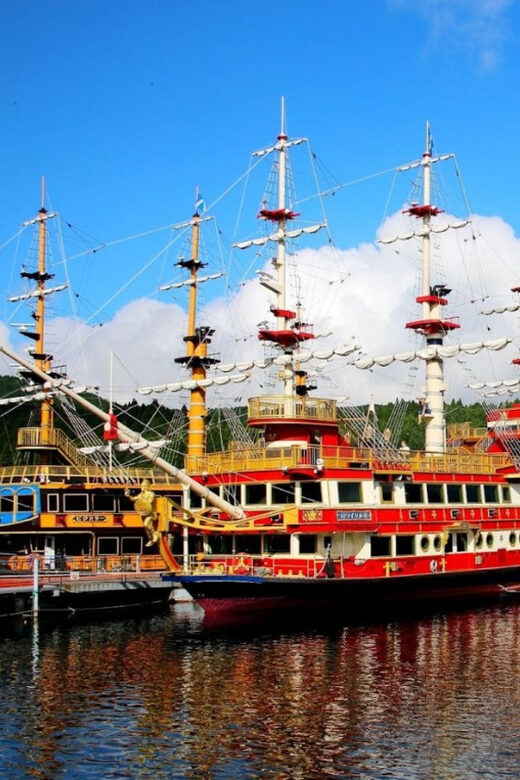
After Ōwakudani, the day gets softer. You’ll go to Tōgendai Port and board a giant pirate ship for a cruise on Lake Ashi (admission included). The cruise is around 30 minutes, guided in the sense that you’ll be pointed where to look and when to move, but it’s still the kind of activity you experience as your own.
This is a smart contrast stop. After steam and volcanic drama, you get:
- Quiet water views across the lake
- A chance to sit down for a bit
- Easy photo opportunities, especially when clouds break for a moment
If the earlier part of the day doesn’t give you a clear Fuji peak, this cruise can still deliver “Hakone feeling.” Even on overcast days, Lake Ashi has a misty charm. When the skies clear, it turns into pure postcard geometry.






How the 12-hour schedule really feels in practice
This tour is built as a one-day “greatest hits” route, so it’s long: about 12 hours from start to finish. The pace is mostly controlled by the coach timing and the time needed for each stop, not by endless walking.
Still, there are a few realities you should plan around:
- You’re moving through multiple regions in one day, so you’ll want comfortable shoes and layers.
- You’ll have short guided segments and then quick windows for photos or shopping.
- Traffic can cause adjustments—time can be shortened or the order can shift.
I also like that the stops generally avoid turning into an all-day slog. The Fuji stop is short enough that you’re not stuck waiting around if the air shifts. Gotemba provides a defined shopping window. Ropeway and Ōwakudani are tight but focused. Then you get the cruise to reset your brain.
Language support is another factor that affects your comfort. You’ll have a live guide (English/Japanese) and audio translation, plus Chinese/English video translation. One caution: even if you select English for the tour guide, the guide may be in Chinese or Japanese, with English information provided through an interpreter device. If you’re traveling with someone who relies on English only, it’s worth understanding this setup ahead of time.
Price and value: what your $93 actually covers
At around $93 per person, the value comes from bundling the stuff that costs money and time in Japan. This isn’t just “getting a ride.” Your price includes key paid experiences and logistics:
- Round-trip transfers from Shinjuku meet-up location
- Hakone Ropeway admission
- Hakone pirate ship cruise admission
- Insurance provided by the operator
- Translation support (including audio and video translation)
- Snow resort admission if any during the winter snow season
In other words, you’re paying for a controlled day. That matters if you don’t want to piece together transit tickets across multiple zones while managing crowds and transfer times.
Could the day feel rushed? It can, mainly because it’s one day. But the route is designed around the big scenic blocks that people come for—Fuji Fifth Station, Ōwakudani, and Lake Ashi—without forcing you to plan like a project manager.
Who this tour suits best (and who should skip it)
I think this works best if you want:
- A single-day hit list: Fuji + Hakone, no transfers you have to figure out
- Guided context so you know what you’re looking at at each stop
- A mix of sights and a real downtime moment at Gotemba and on the cruise
It may not be ideal if you:
- Need lots of unstructured time at Fuji. The stop is about 40 minutes, so quick visibility issues can feel frustrating.
- Are purely chasing Fuji at all costs. If clouds roll in, you might not see the peak the way you hoped.
- Prefer slower pacing and longer museum-style sightseeing.
One sweet spot: families, first-timers to Tokyo, and anyone who wants an iconic day without committing to driving in Japan.
Should you book this Mt. Fuji and Hakone day tour?
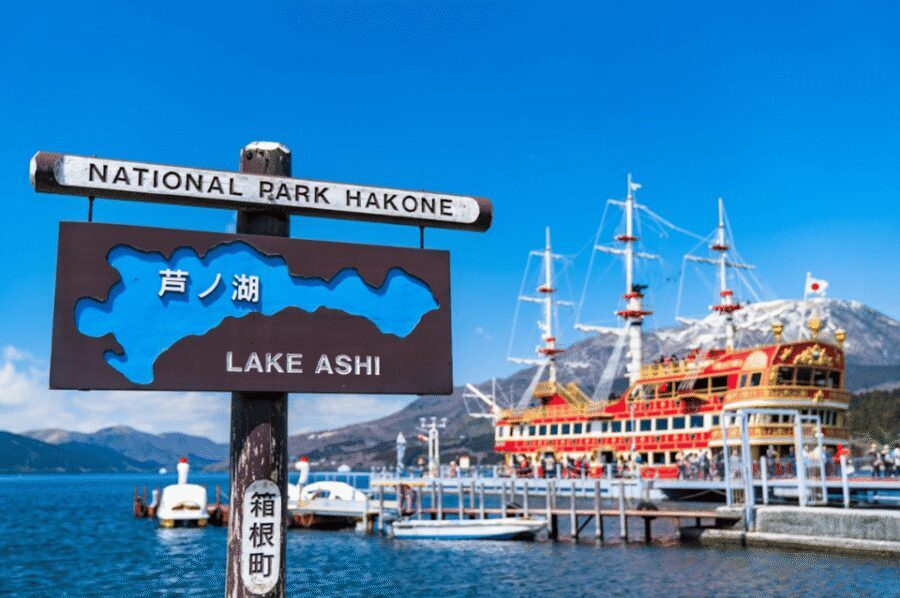
If you want the classic combo—Mt. Fuji Fifth Station + Hakone Ropeway + Ōwakudani + pirate ship on Lake Ashi—this one-day format is a solid way to do it. The day is structured, the paid entries are covered, and you get a real “volcano then calm lake” rhythm that feels natural.
I’d book it if you’re okay with weather reality and you don’t need a long Fuji hang. I’d skip or adjust expectations if your trip is short and seeing Fuji clearly is the single non-negotiable goal.
If you do book, I’d pack for cold weather and changing visibility, keep your camera charged, and be ready to enjoy the day even when Fuji hides. Sometimes the clouds become the story.
FAQ
How long is the Tokyo: Mt. Fuji 5th St, Gotemba & Hakone by Luxury Bus tour?
The tour lasts about 12 hours.
Where do I meet, and when does the bus depart?
You meet at 7:15 and depart at 7:30 at the sidewalk in front of the main entrance of the Shinjuku Center Building. Look for the GET YOUR GUIDE logo as a landmark.
What is included in the ticket price?
The price includes admission to the Hakone Ropeway cable car, admission for the Hakone pirate ship cruise, round-trip transfers from the meet-up location, insurance provided by the operator, and Chinese/English video translation service. Snow resort admission is included if available.
Is lunch included on this tour?
No lunch is included. You’ll have time at Gotemba Premium Outlets to handle your own meal.
Will I definitely see Mount Fuji from the Fifth Station?
No. Visibility can depend on weather conditions, and the itinerary notes that the experience may be affected by factors like weather and traffic.
Is there snow play on this tour?
During late-December to mid-March, snow sledding can take place at the 2nd station of Mt. Fuji. Snow resort admission is included if available.
What languages do I get during the tour?
The live tour guide is available in English and Japanese, and audio guide translation is also available. There is also Chinese/English video translation support. Even if English is selected, the guide may be in Chinese or Japanese, with English provided through an interpreter device.
What happens if I’m late or miss the tour?
Latecomers or no-shows cannot be refunded.