REVIEW · KYOTO
Kyoto: Traditional Kimono Fabric Handicrafts Workshop
Book on GetYourGuide →Operated by WooW Travel 株式会社 · Bookable on GetYourGuide
Kyoto can feel like a nonstop checklist. This small workshop gives you a calmer hour-and-a-half inside kimono fabric craft and lets you take home a handmade Temari you made yourself. You’ll also get history context on Temari and a break from walking, in a newly renovated traditional Japanese antique boutique store.
I especially like the beginner-friendly approach (no skills needed) and the thoughtful touch of a complimentary drink plus a traditional Japanese confectionery of your choice. One possible drawback to plan for: you’ll want to factor in time to choose your favorite fabrics, which can make the session feel a bit slower than you expect, but that’s also part of the fun.
Key Highlights at a Glance
- Make a Temari using real kimono fabric pieces in a step-by-step workshop
- Take home your own souvenir that matches your colors and style
- Complimentary drink + traditional confectionery included for each guest
- No experience required, suitable for adults and children
- Small group size (max 4) for more help and a relaxed pace
- Temples and shrines nearby, ideal for pairing with Kyoto sightseeing
In This Review
- A Calmer Kyoto Break: Kimono Temari Craft in a Small Shop
- What Exactly You’ll Make: A Temari from Kimono Fabric
- Inside the Workshop: Picking Fabrics and Learning the Process
- The Conversation and Culture Layer: History + Local Craft Pride
- The Included Refreshments: Small Break, Nice Value
- Location in Kyoto: Pair It with Temples, Shrines, and a Walk
- Small Group Size (Up to 4): Why It Changes the Experience
- Materials Taken Care Of: Less Hassle, More Craft Time
- Price and Value: $25 for a Take-Home Work of Art
- Who This Workshop Fits Best
- Timing Tips: Get the Most Out of Your 2 Hours
- What to Watch For: The One Thing That Might Bug You
- Should You Book This Kyoto Temari Workshop?
- FAQ
- How long is the Kyoto Kimono Fabric Temari workshop?
- How much does it cost?
- What will I make in the workshop?
- Is prior crafting experience required?
- What’s included in the price?
- What language is the instruction offered in?
- How big is the group?
- Is it wheelchair accessible?
- Where do I meet the host?
- Do I get to take the Temari home?
A Calmer Kyoto Break: Kimono Temari Craft in a Small Shop
Kyoto is built for wandering, but your legs might not love every mile. This experience gives you something different: a creative, hands-on stop in the sightseeing area that’s designed to feel easy and unhurried.
The workshop runs for about 2 hours, and the group is limited to just 4 participants. That matters because it keeps the pace comfortable. You’re not competing for attention, and the instructor can guide you through the process clearly in English and Japanese.
I also like the venue style. The class takes place in a newly renovated traditional Japanese antique boutique store. You get a craft workshop vibe, but it still feels like part of the neighborhood’s quieter rhythm, not a production-line activity.
What Exactly You’ll Make: A Temari from Kimono Fabric
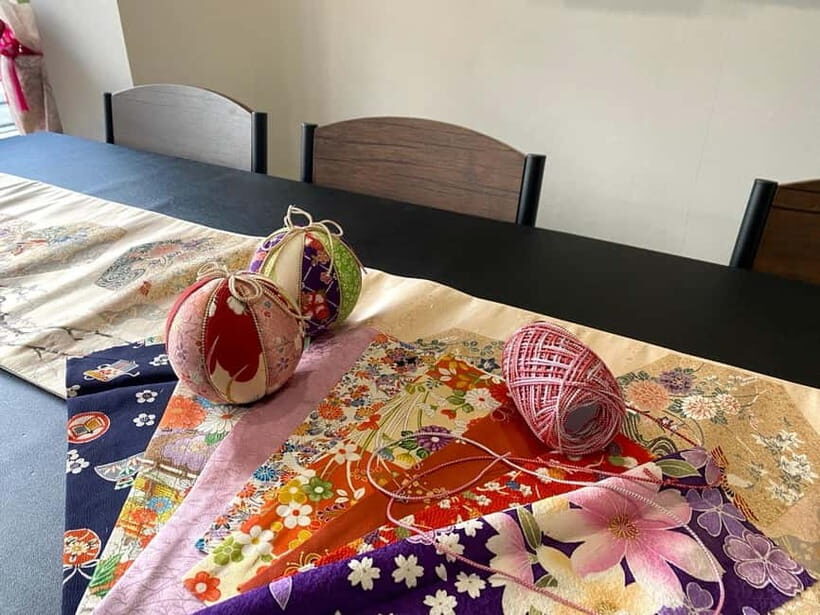
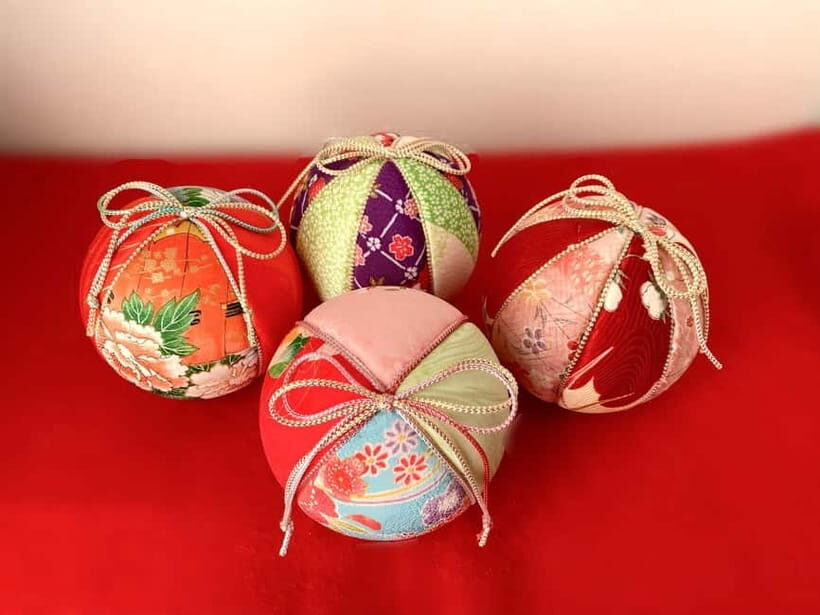
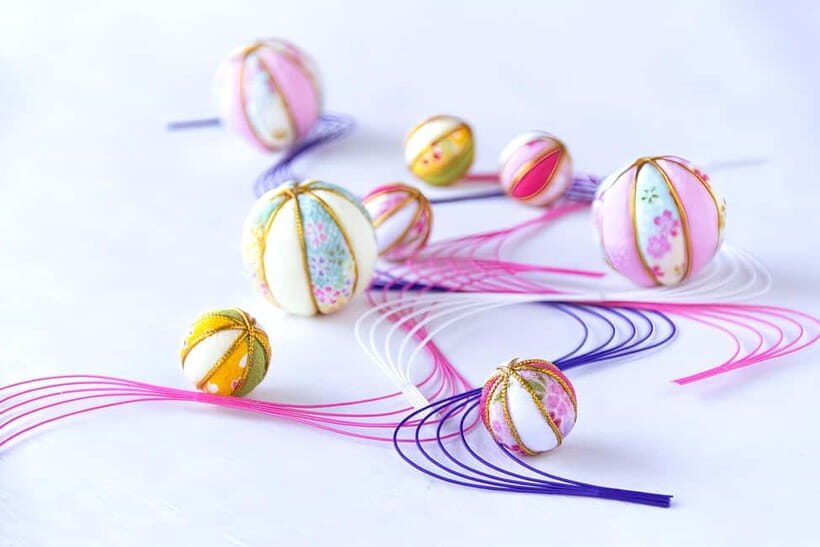
You’ll create one traditional Japanese Temari, using kimono fabric pieces you get to choose. The workshop is specifically set up so you can make the Temari even if you’ve never sewn or crafted anything before.
Temari are used as interior ornaments and for various celebrations throughout Japan. In plain terms, you’re not just making a cute object. You’re making something that fits into Japanese home decoration and special moments—so it feels more meaningful than a generic souvenir.
You’ll also leave with the finished piece, which is a big deal in Kyoto. Many experiences end with photos. This one ends with something you can display later.
A few more Kyoto tours and experiences worth a look


Inside the Workshop: Picking Fabrics and Learning the Process
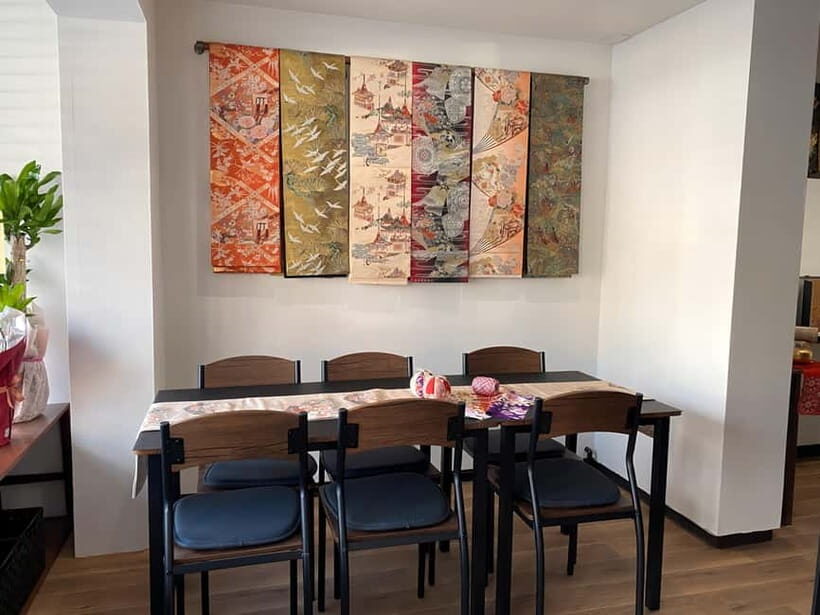
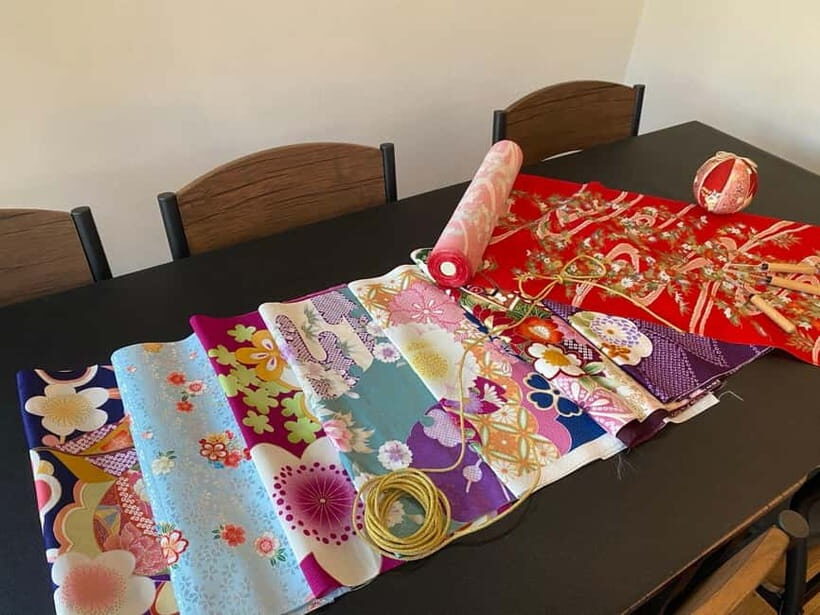
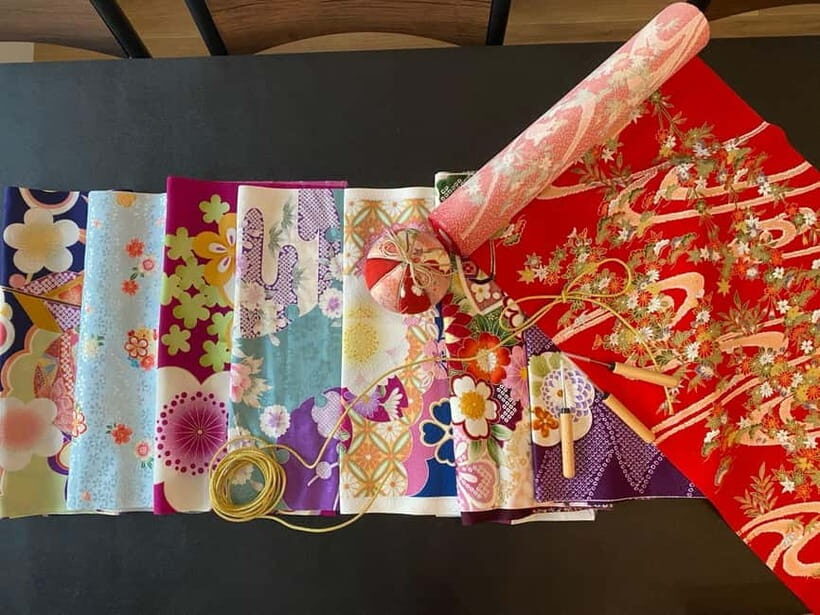
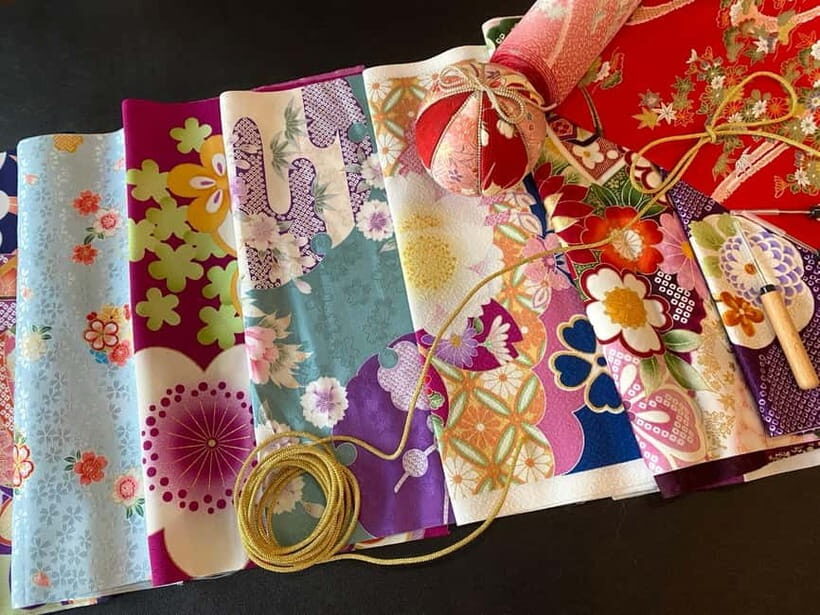
A big part of the experience happens before the actual crafting starts: choosing from the kimono fabric selection. Several people highlight that the fabric choices are beautiful, with lots of patterns and color options. If you love textiles, this will feel like the best part of the whole session.
I like that the instructor guides you through it in a way that doesn’t assume background knowledge. The class is described as not so difficult, and many participants specifically note that it’s beginner-friendly. That also makes it a strong option if you’re traveling with kids or trying a hands-on activity for the first time.
From what you can expect during the making process, the workshop is structured so you can follow along step by step. You’ll be given all necessary materials for the Temari crafting process, which reduces the stress of trying to manage supplies while traveling.
A practical tip: go into the fabric selection phase with an open mind. If you’re the type who agonizes over decisions, you’ll be happier if you treat the selection like a mini activity, not a chore. It’s part of how your Temari ends up feeling like yours.
The Conversation and Culture Layer: History + Local Craft Pride
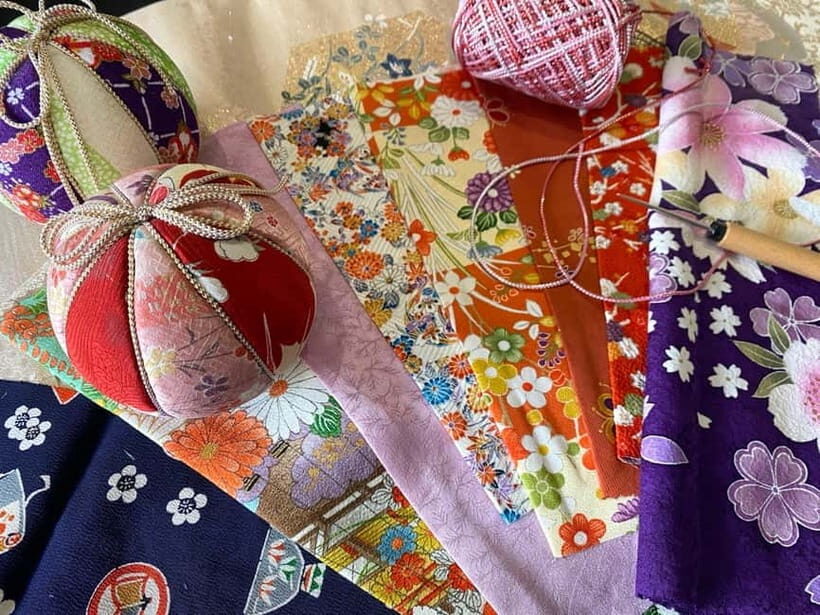
This isn’t only a craft session. You also get a bit of history about Temari. People mention learning the history and then working directly with the traditional kimono fabrics.
That combination is useful. If you’re the kind of traveler who wants context (even a small amount), you’ll appreciate that the teacher explains what Temari are used for and how the craft fits into Japanese life. It adds meaning without turning the session into a lecture.
The instructor is repeatedly described as warm, friendly, and patient. In reviews, her English is mentioned as excellent and her explanations are called clear and easy to follow. Several people also mention chatting during the workshop, including friendly conversation across cultures.
The Included Refreshments: Small Break, Nice Value
Every guest gets a complimentary drink and a traditional Japanese confectionery of your choice. In a 2-hour activity, this is a smart inclusion because it helps keep the session comfortable and not too “workshop intense.”
People also mention enjoying matcha and tea during the class. One review calls out an especially great matcha latte. Even if you’re not a matcha person, you still get a drink and a sweet, and that’s part of the value at the $25 per person price point.
Because additional drinks and food aren’t included, you’ll probably want to plan your day so you’re not arriving starving. If you’re going to do a longer sightseeing loop after the class, consider eating earlier or saving a meal nearby.
Location in Kyoto: Pair It with Temples, Shrines, and a Walk
The workshop is in Kyoto’s sightseeing area, and the surrounding area includes historically significant temples and shrines. That’s helpful because the craft becomes a mid-day reset instead of a separate far-away detour.
Some people also note the area around Philosophers Path and mention plenty of nearby cafés. If you time it right, you can do a temple or shrine visit first, craft in the afternoon, then finish with coffee and a stroll.
This is where the “small and local” nature pays off. You’re not just leaving the workshop. You’re leaving into a place where it’s easy to continue exploring on foot.
Practical planning idea: schedule your workshop for a time when you’ll still have energy afterward. Two hours is short enough to fit into a day, but you’ll likely want a little time buffer for shopping in the shop next door or nearby cafés.





Small Group Size (Up to 4): Why It Changes the Experience
Small group craft workshops can feel either cozy or cramped. Here, the limit to 4 participants is what makes it feel relaxed.
With only a handful of people, you’re more likely to get individual attention while you’re shaping and assembling your Temari. Reviews repeatedly mention help that is clear and patient, which is exactly what you want if you’re a complete beginner.
This also matters for families. One review specifically describes it as great for a family with children ages 10 and 12. Another notes that kids can do it because it doesn’t involve complicated steps and that there’s not so much sewing.
If you’re traveling with anyone who’s easily overwhelmed by instructions, this small size is a real benefit. It helps the class feel guided rather than rushed.
Materials Taken Care Of: Less Hassle, More Craft Time
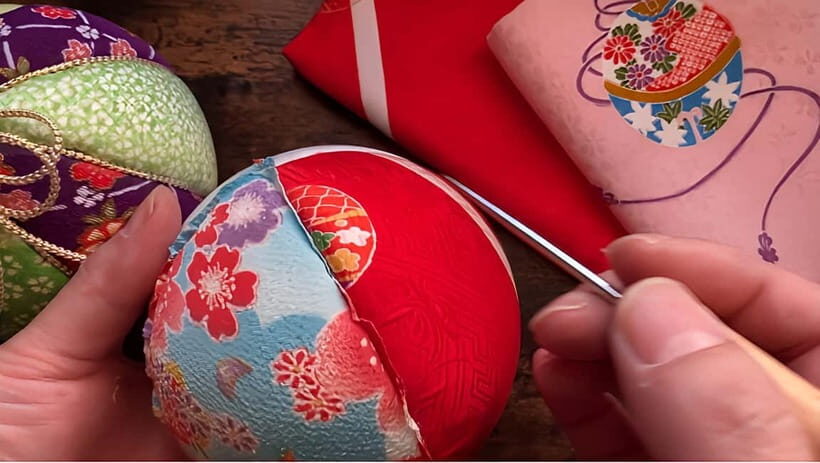
You don’t have to hunt down supplies. The workshop includes all necessary materials for the Temari crafting process.
That’s a quiet but meaningful advantage. In Japan, it’s easy to end up spending time on practical tasks like finding tools or figuring out what to buy. Here, you get right to the part you came for: making something with your hands.
Also, the materials are kimono fabric pieces, which is part of the appeal. You’re using traditional textiles, and you get to personalize the final look through your fabric selections.
Price and Value: $25 for a Take-Home Work of Art
At $25 per person for a 2-hour workshop, the pricing is hard to argue with—especially because you’re not only paying for instruction. You’re paying for:
- all materials,
- a local crafts master/instructor,
- your finished Temari as a take-home souvenir,
- and a complimentary drink plus traditional confectionery.
In Kyoto, many souvenirs come with a higher cost and none of the personal connection. Here, your souvenir comes with the story of how you made it and what choices you made along the way.
A balanced way to think about value: it’s great if you want a handmade item and a relaxing break from sightseeing. If you’re only looking for a quick photo stop, you may decide you want something shorter or more performance-based. But if you want to do something with meaning, this checks the boxes.
Who This Workshop Fits Best
This is the kind of activity that works for a wide range of travelers because it’s built for all ages and no prior skills are required.
It’s especially a good match if:
- you love crafts, fabric, or making things by hand,
- you want a quieter Kyoto moment away from constant walking,
- you’re traveling with kids who can handle a guided activity,
- you want a souvenir that feels personal rather than bought.
It’s also a solid option for couples. Reviews include honeymoon travelers who used the workshop to make a keepsake, and the small group format makes it feel intimate without being awkward.
Timing Tips: Get the Most Out of Your 2 Hours
Because your Temari depends on fabric selection, you’ll get more enjoyment if you don’t rush the start.
Go in with a loose plan for the rest of your day. Two hours disappears quickly when you’re focused on choosing colors and patterns and learning the steps. If you schedule tight connections afterward, you might feel stressed.
If you want the best balance of craft and sightseeing:
- do the workshop after one main temple or shrine visit,
- then use the nearby area for a relaxed walk and a café stop.
That way, the activity becomes a natural pivot point, not a hard stop in your itinerary.
What to Watch For: The One Thing That Might Bug You
Here’s the main consideration: you’ll likely spend extra time choosing fabric colors and patterns. If you’re the type who gets impatient with decision-making, this could feel slower than a typical tour.
Also, the included food stops at the complimentary drink and confectionery. If you want a full meal, you’ll need to plan that separately.
None of this is a deal-breaker—it’s just the kind of detail that helps you avoid the moment where you realize you’re hungry or short on time.
Should You Book This Kyoto Temari Workshop?
Yes, you should book it if you want a handmade Kyoto souvenir, a beginner-friendly creative break, and a small-group atmosphere.
I’d especially recommend it if you like the idea of working with kimono fabric and you want something calmer than another walking-heavy day. The combination of a take-home Temari, included refreshments, and clear step-by-step help makes it good value at $25.
If you hate crafting, or if you only want passive sightseeing, then this may not be your best use of time. But if you’re open to making something with your hands, you’ll probably leave feeling like Kyoto gave you more than just photos.
FAQ
How long is the Kyoto Kimono Fabric Temari workshop?
The workshop lasts about 2 hours.
How much does it cost?
It’s priced at $25 per person.
What will I make in the workshop?
You’ll make a traditional Japanese Temari using kimono fabric pieces.
Is prior crafting experience required?
No prior experience or skills are required.
What’s included in the price?
You get a complimentary drink, traditional Japanese confectionery of your choice, all necessary materials, the workshop itself, and instruction from the local crafts master.
What language is the instruction offered in?
The instructor speaks English and Japanese.
How big is the group?
The group is limited to 4 participants.
Is it wheelchair accessible?
Yes, the activity is wheelchair accessible.
Where do I meet the host?
Please enter the workshop upon your arrival, and your host will greet you there.
Do I get to take the Temari home?
Yes. You’ll take home your completed Temari as a souvenir.