REVIEW · TOKYO
Tokyo VIP Guided Private Car Tour with Optional Airport Transfer
Book on Viator →Operated by Japan Star Travel Agency · Bookable on Viator
Tokyo can feel like a cheat code with a map. This private car tour throws you into classic sights and modern Tokyo in one long day, with the big win that you’re not fighting trains. I like that you can start at your preferred time and choose between two tour lengths, and I also love that you’re in a private air-conditioned minivan with hotel pickup and a guide who can fine-tune the route to your interests. The one catch: since admission tickets for highlights like Skytree, Shibuya Sky, and teamLab Planets cost extra, you’ll want to plan your budget before you go.
You’ll usually build your day from a longer menu of stops, then select about 4 to 6 sites so the schedule doesn’t turn into a sprint. Expect a steady flow of neighborhoods: major intersections and famous statues in the morning, temples and food markets mid-day, then gardens, viewpoints, and the neon zones later. The guide handles the “where do we stand, what’s worth it, how long should we stay” part, which is the difference between seeing Tokyo and just getting to Tokyo.
One more consideration: the tour’s timing can shift due to weather or traffic, and if a place is hard to see on the day, the schedule can change. That doesn’t mean the day falls apart, but it does mean you should stay flexible and treat the itinerary as a strong framework, not a promise to hit every photo spot exactly as planned.
In This Review
- Key Points Worth Knowing Before You Go
- A Private Minivan Day That Actually Solves Tokyo’s Transit Problem
- Price and Value: What You’re Really Paying For (And When It’s a Bargain)
- How You Build Your Day: Picking 4–6 Stops Without Running on Empty
- Shibuya Crossing, Hachiko, and Skytree: The Big-Icon Start That Sets the Mood
- Senso-ji, Tsukiji Outer Market, and Imperial Area Walks: Old Tokyo and Food Energy
- Gardens and Shrines: A Calm Reset Between Tokyo’s Noise
- Viewpoints Across Tokyo: Skytree, Shibuya Sky, and Government Buildings
- Odaiba and Its Futuristic Icons: Gundam, Statue of Liberty, and Waterfront Shopping
- Akihabara and Ueno: Anime, Markets, Sumo, and Museum Time
- Shinjuku at Night Energy: Omoide Yokocho and Kabukicho’s Godzilla Street
- teamLab Planets Tokyo: One Ticket You Must Plan Around
- Airport Transfer Option: When It’s Worth Paying for the Easy Win
- Comfort Extras You’ll Actually Notice
- So, Should You Book This Private Car Tour?
- FAQ
- How many people are in the group for this tour price?
- How long is the Tokyo private car tour?
- What’s included in the tour?
- Are admission tickets included?
- Do I need to buy tickets in advance for teamLab Planets TOKYO?
- Can I choose which sights to visit during the day?
- Is airport pickup or drop-off available?
- What happens if weather or traffic affects the stops?
- What is the cancellation and refund policy?
Key Points Worth Knowing Before You Go
- Private van, hotel pickup/drop-off: Less walking, fewer transfers, and easier timing across far-flung neighborhoods.
- Pick your pace: You choose around 4–6 sites from a menu, so you’re not dragged through everything.
- Extra tickets add up: Some big hitters require separate admission fees and advance tickets (teamLab Planets).
- Guide-driven routing: English, French, Spanish, Chinese, Korean professional guides are available, and they plan around your interests.
- Built for comfort: One bottled water per person, plus a DVD player in the vehicle.
- Great for families and groups up to 8: One price covers your group in the same vehicle.
A Private Minivan Day That Actually Solves Tokyo’s Transit Problem
Here’s the real value: Tokyo is fantastic, but it’s also a lot. Distances are bigger than they look on a map, stations sprawl, and transfers can eat hours. With this tour, you ride between areas in an air-conditioned minivan and keep your brain focused on the sights instead of figuring out which exit is correct.
I like that hotel pickup and drop-off are included, so you don’t waste the start of your day dragging suitcases or hunting for the meeting point. You also get a private guide (and you can request from the available languages), which matters in Tokyo because the “best way to do it” is often not obvious. Even simple places like temples and shrines run on their own etiquette, and a guide can keep you from accidentally turning a calm visit into a confused one.
The tour is designed for flexibility, too. It runs starting in the morning with options throughout that time window, and you can choose two tour lengths to match your schedule. So if you want a full 8-hour style day, or something shorter, you’re not forced into a one-size plan.
You can also read our reviews of more guided tours in Tokyo
Price and Value: What You’re Really Paying For (And When It’s a Bargain)
The price is $1,122.88 per group (up to 8 people). That’s not cheap if you come as a couple, but it can be a smart move if you’re traveling with family or friends.
Let’s do the quick math:
- For 8 people, it’s about $140 per person.
- For 4 people, it’s about $281 per person.
- For 2 people, it’s about $561 per person.
So the value is highest when you fill the vehicle. What you’re buying is your own routing brain, plus the private vehicle time that would cost you either money (taxis) or energy (transit and walking). If you’re also planning to visit several paid attractions (like Skytree, Shibuya Sky, teamLab Planets), having the guide help you time everything can save you from paying for tickets on the wrong day or at the wrong hour.
Also note: the tour’s price stays the same whether you include the vehicle or not, so don’t expect a discount if you plan to do everything by foot. The real trade is time and comfort for a full-day route.
How You Build Your Day: Picking 4–6 Stops Without Running on Empty
The itinerary menu is long, but you’re not supposed to do it all. You’ll select around 4 to 6 sites, which is the key to keeping your day fun instead of exhausting.
Here’s my practical approach for choosing:
- Start with one “big view” stop (Skytree, Shibuya Sky, or a government building viewpoint).
- Add one historic anchor (Senso-ji temple area is the classic choice).
- Pick one neighborhood flavor (Shibuya for energy, Asakusa for old Tokyo, Ueno for museums, Akihabara for subculture).
- Add one “park or garden pause” stop so you’re not stuck indoors and in crowds the whole time.
- If you want teamLab Planets, treat it like a timed appointment in the middle of the schedule.
This tour’s design supports that logic. You’ll jump between clusters, spend focused time at each stop, and still end up with a day that feels like Tokyo instead of a checklist.
Shibuya Crossing, Hachiko, and Skytree: The Big-Icon Start That Sets the Mood
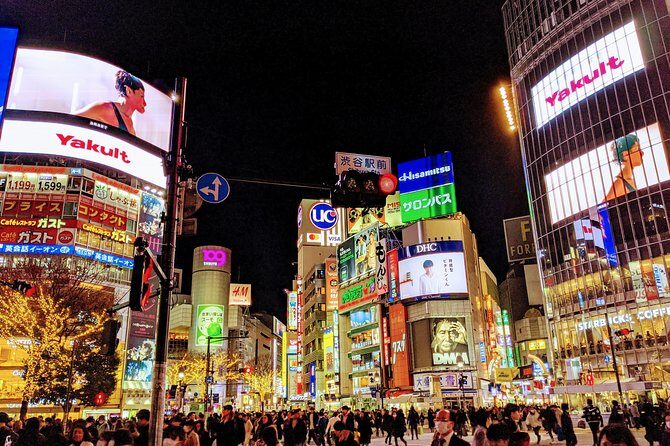
A lot of Tokyo days start with adrenaline, and this one does too. You can begin with a look from one of the city’s best-known intersections, then hit the Hachiko statue, the loyal-dog meeting point that’s basically a Tokyo landmark. It’s not just a photo stop. Being there early gives you a calmer feel before the crowds spike.
From there, many schedules continue to Tokyo Skytree. You’ll typically have 45 minutes to 2 hours depending on whether you just take photos outside or go up to the observation deck. Admission is not included, so plan that extra cost. Still, it’s a strong use of time because the view ties together how Tokyo’s neighborhoods spread out.
Two practical tips:
- Wear shoes you can stand in. The viewing areas can mean lots of standing and line time.
- If you’re sensitive to heights, ask your guide what’s worth doing and what can be skipped without losing the payoff.
Senso-ji, Tsukiji Outer Market, and Imperial Area Walks: Old Tokyo and Food Energy
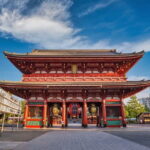
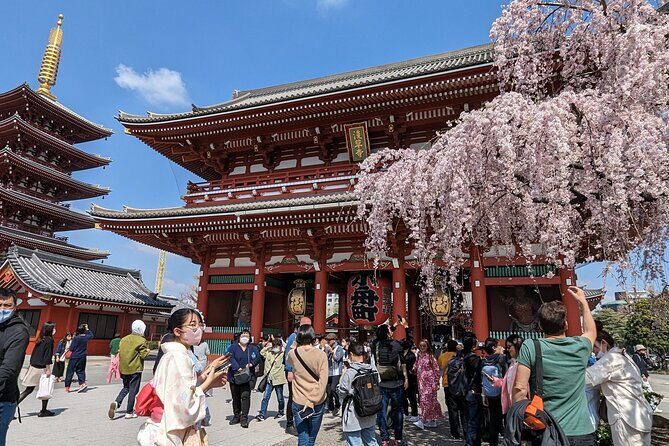
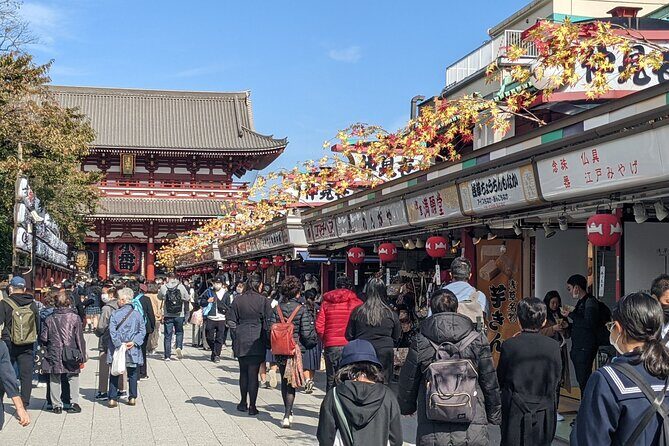
Then you pivot to Tokyo’s older face. Senso-ji Temple is one of the city’s must-dos, and it’s often about 60 minutes when you include time for the approach streets, photos, and the general “slow down” atmosphere. The admission here is free, so you spend your money on time and snacks rather than entry fees.
Right after, the route often includes Tsukiji Outer Market for street food and sushi options. It’s typically 30 minutes to 1 hour, and if you want lunch, this is the flexible window. The key is that you’re not stuck choosing between “see sights” and “eat Tokyo.” This stop is built for eating.
You may also have time for the Imperial Palace area and a walk through older Tokyo streets and an “oldest temple” style stop. The exact site choice can be tuned to your route, but the idea stays the same: you trade the neon for history and atmosphere.
A small drawback: mid-day is when you can feel the heat and crowds. If you know you’ll get tired, ask your guide to keep your walk-time tight at each historic stop and prioritize quick, high-impact photos.
You can also read our reviews of more private tours in Tokyo


Gardens and Shrines: A Calm Reset Between Tokyo’s Noise
Tokyo does not always slow down on its own, so you have to schedule the quiet. This tour includes several options for that, like Hama Rikyu Gardens by Tokyo Bay, usually around 45 minutes to 1 hour. It’s not included in admission, but it’s a nice counterweight to shopping streets and busy districts. You get real scenery and a breather that doesn’t feel like downtime.
Rikugien Garden is another option: an Edo-period garden style stop, often around 30 minutes (with admission not included). This kind of place works especially well if you’re traveling in a season with flowers or cherry blossom interest, since spring viewing is a big part of why these gardens get attention.
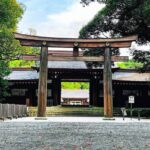
For shrines, you’ll likely visit the most visited shrine option early in the day, and later you may include a memorial shrine built for those who sacrificed their lives for the country. These stops usually run 45 minutes to 1 hour, and a good guide helps with etiquette details so you’re not just standing in line and hoping for the best.
Viewpoints Across Tokyo: Skytree, Shibuya Sky, and Government Buildings
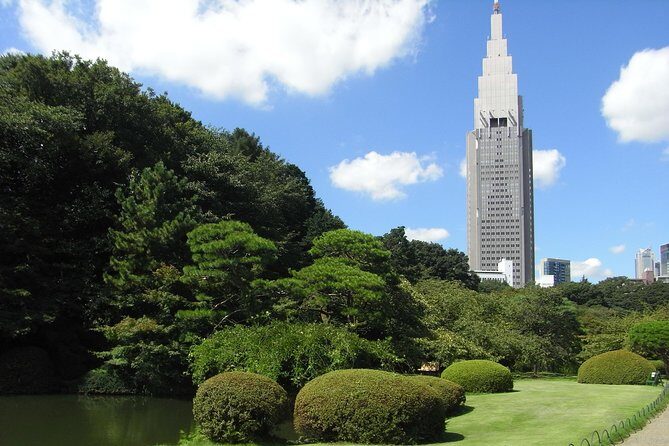
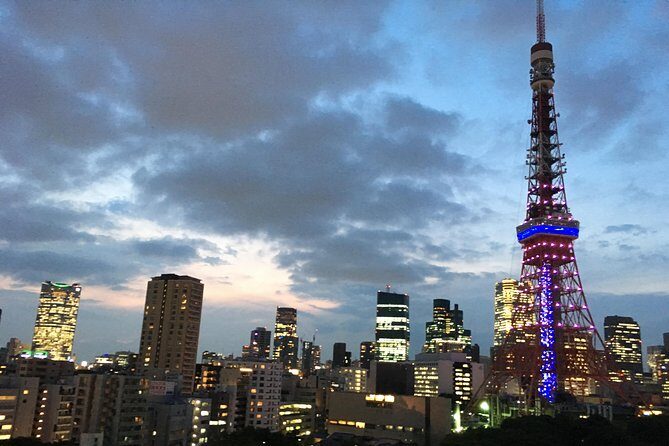
Tokyo has a lot of skyline views. The difference is where you place them in the day. When you schedule a viewpoint in the first half, you get that “I get the map now” feeling. Later in the day, you can catch clearer atmosphere or sunset-ish light if your timing works.
This tour commonly uses:
- Tokyo Skytree (admission extra, often 45 minutes to 2 hours)
- Shibuya Sky (admission extra; rooftop deck experience about 45 minutes)
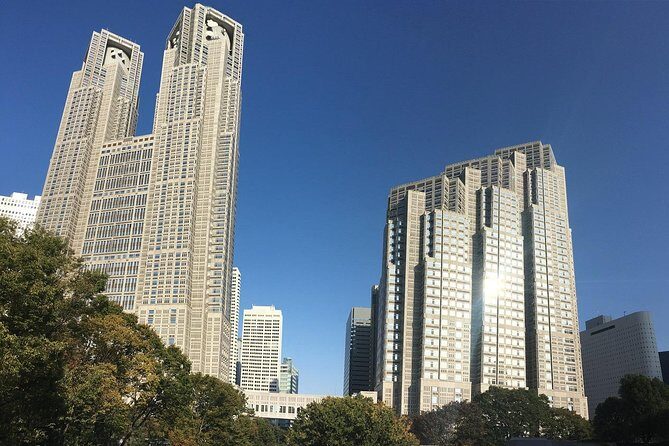
- Tokyo Metropolitan Government Buildings (admission free; usually 30 minutes for the view)
Shibuya Sky and Skytree cost extra, but they’re popular for a reason: the scale of Tokyo is easier to understand from above. Government building views can be a great value because you get the skyline without paying extra admission, and you can spend that money elsewhere.
If your group includes people who don’t love shopping or crowds, ask the guide to give viewpoints priority and keep shopping time short. It’s a simple adjustment that makes the day feel fair for everyone.
Odaiba and Its Futuristic Icons: Gundam, Statue of Liberty, and Waterfront Shopping
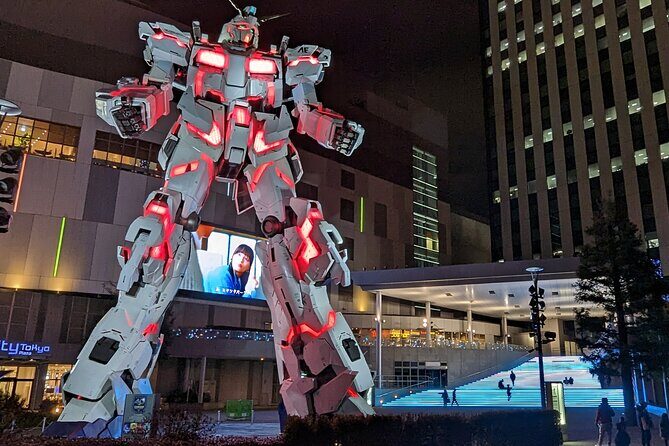
One of the most fun parts of Tokyo is how fast it shifts from tradition to sci-fi. This tour can bring you to Odaiba, where you get an artificial-island feel and waterfront energy. You might stop for shopping zones such as Aquacity, Venus Fort, and Divercity, then hop to the Unicorn Gundam statue, which includes an hourly light show and is typically a short stop (around 10 minutes).
Another option in the same area is the Statue of Liberty installation from 2000. It’s a quick photo opportunity, usually around 5 minutes, but it’s one of those “only in Tokyo” moments that makes the day feel more memorable than just visiting the classics.
If you’re traveling with kids or teens, Odaiba tends to be a winner because it mixes recognizable landmarks with pop-culture visuals. If you’re traveling in a season with strong wind or rain, ask your guide what the best photo spots are with minimal outdoor time.
Akihabara and Ueno: Anime, Markets, Sumo, and Museum Time
Tokyo for nerds and culture lovers shows up in two different ways on this route.
In Akihabara, you can plan time for anime and manga stores, figurines, games, electronic devices, and even the famous maid café scene. How long you spend here is up to your interests, since it’s the kind of place where 20 minutes can feel like nothing and 2 hours can evaporate. Admission fees are not listed here, but you’ll spend money if you’re browsing.
Then there’s Ueno, where the tour can include the Ueno Toshogu Botanen peony garden stop (not always long), plus Ueno open-air market style shopping time (often just a short visit if you choose it). You might also include a sumo stadium area visit and then the Sumo Museum (typically 30 minutes, admission free).
Finally, Tokyo National Museum can take 1 to 2 hours and admission is not included. This stop is ideal if you want the day to feel grounded and not just like a photo marathon. If your group includes both museum fans and casual sightseers, ask the guide for a “high points only” plan so everyone stays engaged.
Shinjuku at Night Energy: Omoide Yokocho and Kabukicho’s Godzilla Street
If your tour schedule pushes into the evening, you may see Shinjuku’s famous night energy. This route can include Omoide Yokocho (Good Memory Alley), a foodie alley vibe that’s great for atmosphere. Then it can lead to Godzilla Road, linked with Kabukicho’s lively street scene.
Timing matters here. If you’re tired, you can keep these stops short: photos, a quick snack, and move on. If your group loves nightlife energy, the guide can help you pick the best lane to walk and the best quick stops for food without wasting time.
A small caution: night areas can get very crowded and loud. If you have anyone in your group who gets overwhelmed, ask for a calmer route after dinner and prioritize the earlier quieter parts of the day.
teamLab Planets Tokyo: One Ticket You Must Plan Around
A major modern anchor on this tour is teamLab Planets TOKYO. The big thing is you should purchase online advance tickets for the attraction. The time on-site is typically 1 to 1.5 hours.
Because teamLab is timed-ticket style, it helps to center your schedule around it. If you leave it to luck, you risk losing the slot you wanted. Your guide can help with timing decisions, but you’re still the one responsible for securing the ticket ahead of time.
If your group loves interactive digital art, this is where the day turns from “Tokyo sightseeing” into something more experiential. If not, you can treat it as optional and keep that time for a museum or garden instead.
Airport Transfer Option: When It’s Worth Paying for the Easy Win
There’s an upgrade option to include airport pickup or drop-off. If you’re landing with luggage, jet lag, and limited Japanese, having a driver and guide plan the route can be worth it just to avoid the first-stress factor.
This is also a good fit if your day starts at a preferred time and you don’t want to stack extra transit tasks onto an already busy arrival or departure day.
Comfort Extras You’ll Actually Notice
Small inclusions matter more than they sound when you’re in Tokyo all day. This tour includes:
- One bottled water per person
- A DVD player in the minivan
- Hotel pickup/drop-off
- Private guide options in multiple languages
Those don’t replace the big-ticket things like admission tickets, but they do make the ride smoother. And because you’re moving between neighborhoods without public-transit transfers, you spend more of the day seeing rather than commuting.
So, Should You Book This Private Car Tour?
I think this tour is a strong “first Tokyo day” choice if you want structure without losing freedom. It’s especially worth it when:
- You’re a group up to 8 and can split the per-group price.
- You want to see a mix of icons (like Shibuya/Hachiko and Skytree/Shibuya Sky-type views) plus historic and foodie stops.
- You value comfort, hotel pickup, and reduced walking.
- teamLab Planets is on your must-do list and you’re willing to buy tickets ahead.
I’d think twice if:
- You’re traveling solo or as a couple and admissions aren’t a priority for you, since the per-person cost can feel heavy.
- Your group prefers spontaneity with lots of walking rather than a planned route and vehicle time.
If you book, do one thing that makes the whole day better: before you go, tell your guide exactly what matters (views vs temples, food vs shopping, how much time you want for Akihabara or Odaiba-style pop culture). That’s how this day turns from a set route into your route.
FAQ
How many people are in the group for this tour price?
The price is per group up to 8 people, so you can share the vehicle and guide cost with your travel party.
How long is the Tokyo private car tour?
The duration is listed as about 8 hours.
What’s included in the tour?
Included features are hotel pickup/drop-off, round-trip private transportation by air-conditioned minivan, a private guide (English, French, Spanish, Chinese, Korean guides are available), one bottled water per person, and a DVD player in the minivan.
Are admission tickets included?
No. Admission fees are not included for sites listed with extra entry costs such as Tokyo Skytree, Shibuya Sky, Rikugien Garden, and teamLab Planets TOKYO (and other paid options may apply). Some stops in the schedule are listed as admission-free.
Do I need to buy tickets in advance for teamLab Planets TOKYO?
Yes. You’re instructed to purchase online advance tickets for teamLab Planets TOKYO.
Can I choose which sights to visit during the day?
Yes. The itinerary is described as a list of possible stops, and you’re meant to select around 4 to 6 sites. You can also ask your guide for advice and suggestions after booking.
Is airport pickup or drop-off available?
Yes, you can upgrade to include airport pickup or drop-off with your tour.
What happens if weather or traffic affects the stops?
The schedule is subject to change due to weather or traffic conditions. The tour will not be cancelled or refunded even if some spots are not fully visible due to weather.
What is the cancellation and refund policy?
You can cancel up to 24 hours in advance for a full refund. If you cancel less than 24 hours before the start time, the amount you paid will not be refunded.