REVIEW · TOKYO
Tokyo: West-Side Cycling and Food Tour with Guide
Book on GetYourGuide →Operated by DIG Tokyo Tours · Bookable on GetYourGuide
Pedaling Tokyo teaches you faster than walking. This West Tokyo cycling and food tour uses salvaged mamachari bikes to get you into Nakano, Koenji, and Asagaya, where daily life feels close, not staged. You’ll mix riding, short walks, and food stops, guided by an English speaker who knows how the neighborhood actually works.
I especially like two things: the off-the-tourist-route neighborhoods and the way you eat like locals, not like a checklist. Between backstreets, riverside paths, and snack breaks, the day connects what you see to what people buy and eat while they’re going about their routine.
One consideration: this is not a sit-and-sample tour. You need to be comfortable on a bike in narrow, sometimes crowded streets and uneven ground, and the tour doesn’t cater to vegans or food allergies. If you’re not confident cycling for 12–15 km at a leisurely pace, you may find it stressful.
In This Review
- Key things I’d mark on your planning map
- Why Koenji, Nakano, and Asagaya feel different from central Tokyo
- Getting on a mamachari bike: what that means for your comfort
- Meeting at Koenji Station: start simple, start on time
- The ride itself: backstreets, riverside paths, and bike culture you can actually see
- Food stops that teach habits, not just flavor
- Lunch: a reset in the middle of the ride
- Street food eats: quick, social, and practical
- Who the guide format works best for (and who should skip it)
- Price and value: what $110 is really covering
- Weather and riding reality: expect getting wet if it rains
- What to bring so the day stays easy
- Should you book this Tokyo west-side cycling and food tour?
- FAQ
- Where is the meeting point?
- What neighborhoods does the tour cover?
- How long is the tour?
- What food and drinks are included?
- Is the tour suitable for vegans or people with allergies?
- Do I need to be an experienced cyclist?
Key things I’d mark on your planning map
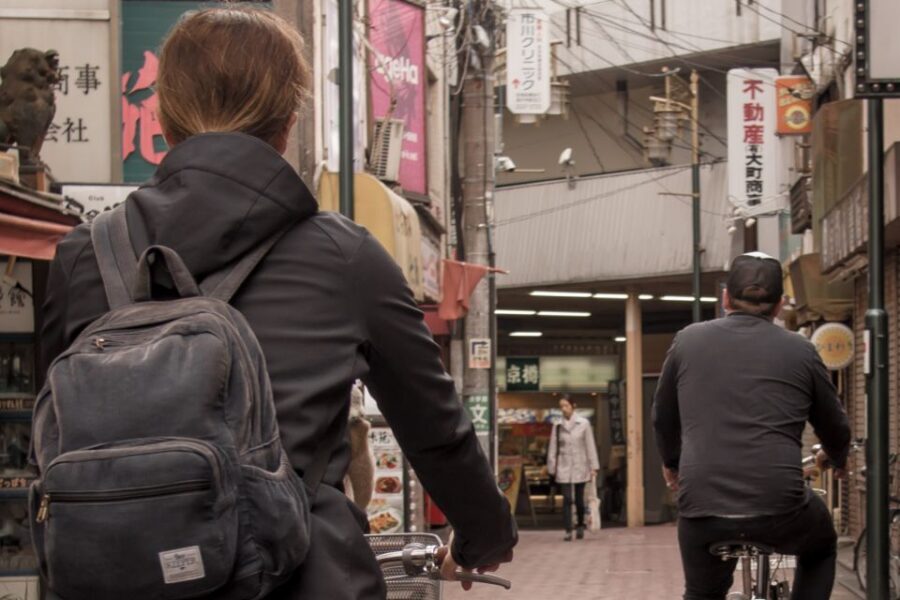
- Mamachari bikes (the real Tokyo style): basket, practical setup, and a ride that fits city streets
- West Tokyo neighborhoods: Nakano, Koenji, and Asagaya instead of the usual central loop
- Bike culture in action: how Tokyo handles bicycle parking and movement
- Food that matches the streets: simple lunch plus 2 street-food bites and a bottled drink
- A guide who explains daily life: you learn habits and customs, not just directions
- Active 3.5-hour format: cycling + walking breaks that keep momentum without rushing you
Why Koenji, Nakano, and Asagaya feel different from central Tokyo
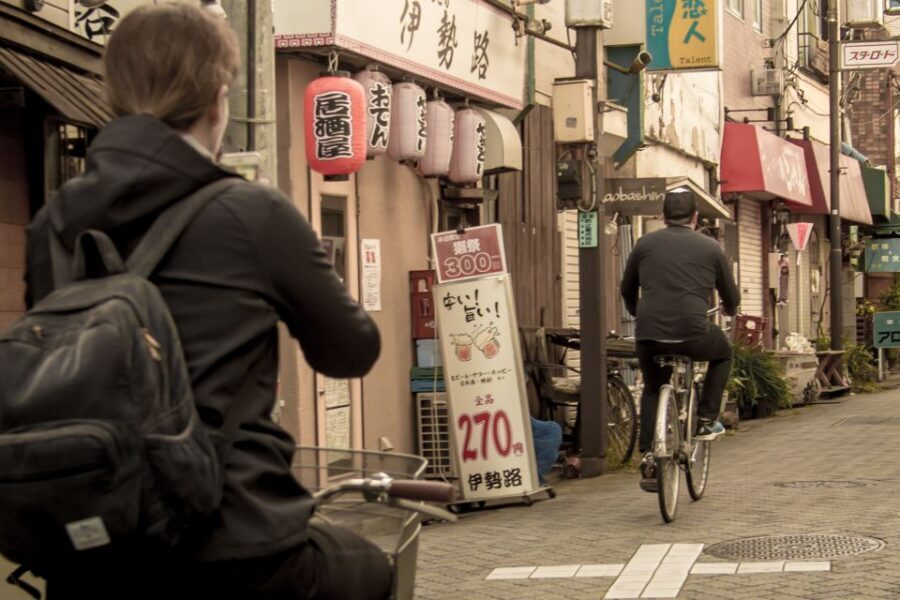
Most first-time Tokyo itineraries orbit the same handful of areas. This one swings west into neighborhoods where the streets feel more local and less polished. You’ll spend time in Koenji, Nakano, and Asagaya, which are known for their everyday energy—shops, side streets, and people moving fast but not in a frantic, tourist way.
What makes this tour genuinely useful is the rhythm. Instead of stopping every few minutes for photos, you’re riding and then breaking off to eat and walk. That pace helps you understand Tokyo as a place you can navigate, not just a place you can look at from the sidewalk. And because you’re on a bike, you get to experience the city’s “in-between” spaces: tight turns, side lanes, and the stretch of calmer streets that sit just beyond the main roads.
Also, I like that the tour is designed for introduction, not pressure. You’re not asked to be a hardcore cyclist. You’re asked to ride, follow directions, and take in the way neighborhoods work at street level.
You can also read our reviews of more food & drink experiences in Tokyo

Getting on a mamachari bike: what that means for your comfort
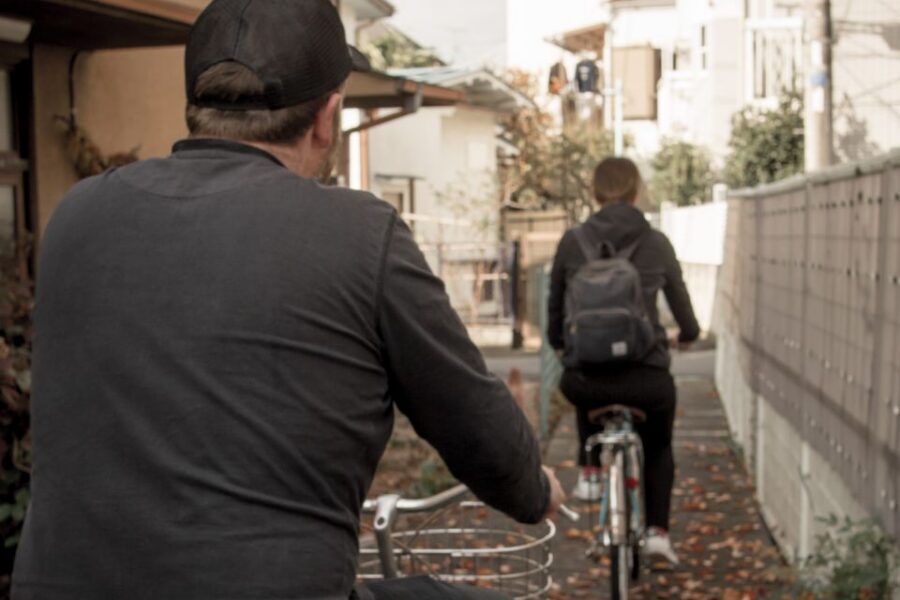
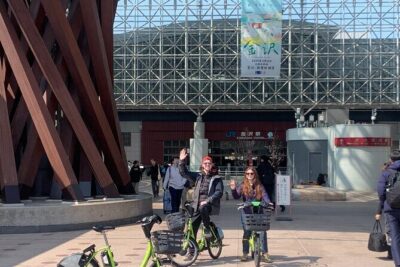
The stars of the day are mamachari bicycles—salvaged, practical city bikes that Tokyo riders actually use. They’re not sleek road bikes. They’re built for errands: stable, straightforward, and meant for normal streets and normal traffic.
From the rider side, you’ll want to expect:
- Bike handling in small alleys and crowded stretches
- Occasional uneven pavement and tight routing
- Enough time in the saddle to cover about 12–15 km total at a leisurely pace
One of the best insights from past participants is how manageable the bikes can feel even in tight areas. More than one person noted the tour bikes were easy to ride, including in narrow lanes. That said, it’s still an outdoor activity, so if you’re anxious about turns or bike balance, you’ll want to take the briefing seriously.
Tip I’d give you right away: show up rested and pay attention early. Once you’re moving, there’s less time to troubleshoot. This is also why being the right height matters. You should be over 140 cm (4’7″) to comfortably ride the bikes.
Meeting at Koenji Station: start simple, start on time
The tour begins at Koenji Station on the JR network. It’s a quiet suburban station compared to the big-hub buzz of Shinjuku and Shibuya, which makes it a good place to gather without chaos. You’ll find the guide standing directly outside the ticket gates, and they’ll wear a baseball cap.
Go over and say hi about 5 minutes before start. This tour departs on time, so being late isn’t a minor hiccup—it affects the whole ride group. If you’re coming from Shinjuku, it’s about 6 minutes by train. From Shibuya, it’s around 18 minutes, which is convenient if you’re already in central Tokyo.
The ride itself: backstreets, riverside paths, and bike culture you can actually see
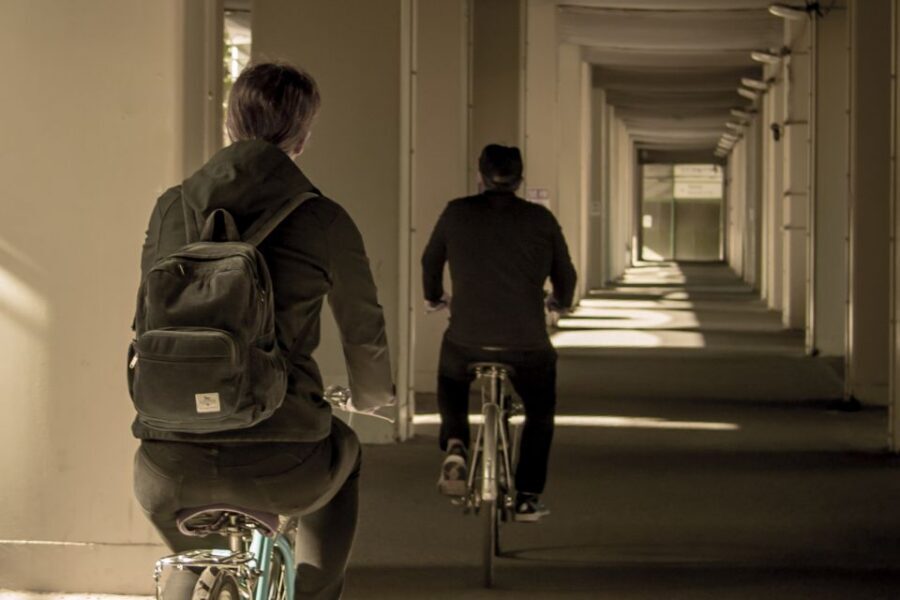
The best part of this experience is that it doesn’t just move you through neighborhoods—it shows you how bikes fit Tokyo’s daily flow. The highlights call out twisting back streets and riverside bike paths, and that combo matters. Backstreets teach you Tokyo’s fine-grain street pattern: turns, small intersections, and lanes where pedestrians pop in and out. Riverside paths are a palate cleanser—often calmer and more open, so you can settle into a steady pace.
You’ll also see a side of Tokyo that many visitors miss: bicycle parking systems and the practical cycling culture. Tokyo has a way of organizing everyday movement that can look invisible until you’re looking for it. Riding makes you notice the racks, the habits, and how people weave around each other to keep going.
From the feedback I’m using to guide my expectations, the tour tends to include moments where you experience shared space in real time—like navigating tight spots where local commuters are doing the same thing you’re doing: getting somewhere.
Food stops that teach habits, not just flavor
This tour is built around food, but it’s not a “try random snacks” loop. You get:
- A simple but delicious local lunch
- Two popular street food eats
- Your choice of one bottled drink
That structure is one reason it feels like good value. You’re paying for time with a guide plus actual eating moments that fit the neighborhoods you’re riding through, rather than buying snacks randomly on your own and then trying to guess what you’re missing.
A few more Tokyo tours and experiences worth a look


Lunch: a reset in the middle of the ride
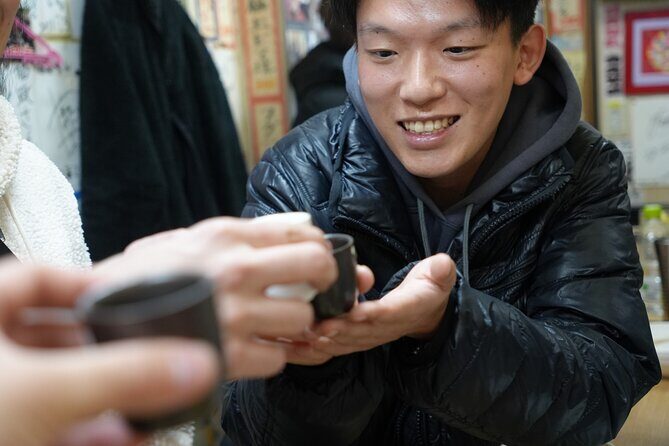
The lunch is described as simple and local, and at least one participant specifically mentioned a small noodle bar as the lunch stop. The bigger point isn’t the exact dish—it’s the setting. You’re eating in a place that feels like it serves the neighborhood, not an experience aimed at tourists.
Also, lunch on a bike tour works. You’re not walking for hours first. You can build appetite from motion and then use the meal to regain energy before the next riding stretch.
Street food eats: quick, social, and practical
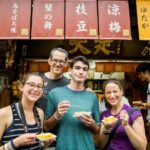
Between the main meal, you’ll have two street food bites. These are the kinds of snacks you can’t always find on a map, or you might overlook if you’re walking past. Expect foods that fit casual eating: small portions, easy to handle, and easy to share or pass along your route without pausing the day for long.
If you like understanding the “why” behind food choices—who buys what, when, and how—you’ll probably enjoy how the guide talks through everyday habits. Multiple people highlighted how the guide explained local customs and even helped demystify things like vending machine drinks, which is a tiny detail that becomes a huge confidence boost once you’re in Tokyo.
Who the guide format works best for (and who should skip it)
The tour runs with an English-speaking local guide (and in the reviews, the guide is repeatedly named Andy). Andy’s role isn’t just pointing out sights. He’s described as fun, engaging, and patient, with a strong focus on local life and cultural explanations.
This tour suits you if:
- You want to see real neighborhood life in west Tokyo
- You like food that fits where you are, not food staged for tourism
- You enjoy learning small cultural habits while you’re moving
- You want an easier way to get comfortable navigating by bike without going alone
It’s not the right fit if:
- You have food allergies or need strict dietary accommodations (the tour doesn’t cater to allergies, and vegans are not suitable)
- You’re not confident on a bike for 12–15 km through narrow, crowded streets
- You’re traveling with kids under 10 years (and there’s also the height limit of 140 cm)
Price and value: what $110 is really covering
At $110 per person for about 210 minutes (3.5 hours), you’re paying for more than a bike ride. The included items matter:
- Guide time (English-speaking, local knowledge, and cultural explanations)
- The mamachari bike experience plus bicycle parking fees
- A simple local lunch plus 2 street-food eats
- One bottled drink
- Cycling liability insurance
When you look at it this way, the price starts to make sense for Tokyo. You’re getting a coordinated day: transportation by bike, guided navigation through specific neighborhoods, and planned food stops. If you tried to replicate it yourself, you’d be spending time figuring out where to ride, where to park, and where to eat without drifting into tourist-friendly traps.
And because the tour is set up as a small-group or private option, you’re not just “getting a ticket.” You’re buying a structured experience with a person handling the flow.
Weather and riding reality: expect getting wet if it rains
This is an outdoor activity. The key operational detail is that rain generally doesn’t cancel the tour; you may get wet and keep going. That matters for your prep more than your attitude. Bring tissues/hand sanitizer (they’re suggested), and consider how you’ll handle damp conditions while holding food and a drink.
Also, since you’ll be cycling on real streets, not a closed track, the pace won’t be like a casual sightseeing walk. If the weather turns messy, you’ll still need to ride carefully and listen to the guide.
What to bring so the day stays easy
You don’t need a lot, but you do want a few practical basics:
- Passport or ID card
- Hand sanitizer or tissues
- A small garbage bag
That garbage bag detail is small, but it’s the kind of real-life readiness that makes street-food moments smoother. It also helps you stay comfortable on a bike for the full ride.
Should you book this Tokyo west-side cycling and food tour?
Yes, if you want a practical introduction to West Tokyo and you’re comfortable on a bike. This is the kind of tour that can “reset” how you see a city: you stop thinking of neighborhoods as zones you cross from one landmark to another, and you start experiencing them as places with routines, food habits, and bike culture.
I’d book it especially if you like:
- Koenji energy, plus the nearby feel of Nakano and Asagaya
- learning how Tokyo works day-to-day, not just taking in views
- food that comes with context
Skip it if you’re vegan, need allergy-friendly options, or you’re not confident riding in tight, uneven, sometimes crowded areas. In those cases, you’d probably enjoy a walking-focused or food-only Tokyo option more.
If you do book it, show up early, ride with care, and treat the food stops like part of the lesson, not just a break. That’s where this tour pays off.
FAQ
Where is the meeting point?
The tour meets at Koenji Station on the JR Train Network, and the guide stands outside the ticket gates about 5 minutes before the start.
What neighborhoods does the tour cover?
You’ll ride and walk through west-side Tokyo neighborhoods including Nakano, Koenji, and Asagaya.
How long is the tour?
The experience lasts about 210 minutes (3.5 hours).
What food and drinks are included?
You get a simple local lunch, two street food eats, and one bottled drink.
Is the tour suitable for vegans or people with allergies?
No. The tour is not suitable for vegans and does not cater to food allergies.
Do I need to be an experienced cyclist?
You should be competent riding a bicycle, because you’ll cycle in narrow and sometimes crowded streets and on uneven surfaces for about 12–15 km at a leisurely pace. You also need to be over 140 cm in height.