REVIEW · TOKYO
Samurai Sword & Sushi Experience with Chef Live Shows in Asakusa
Book on Viator →Operated by Jin-asakusa · Bookable on Viator
Samurai armor and nigiri in one sitting. In Asakusa, you’ll start in a room built for samurai-style photos, then switch gears to an interactive sushi session with a Japanese chef. You’ll also taste a spread that goes well beyond the usual beginner roll-and-go.
My favorite part is the hands-on nigiri instruction. You’re not just watching a show—you’re shaping sushi with direct coaching, including an in-front-of-you dashimaki moment. The second big win is the high-quality tasting lineup, with options like Wagyu beef, caviar, and crab worked into the course.
One thing to consider: the class is very sushi-forward, so if you dislike raw fish or want lots of non-sushi choices, this may not match your taste. Also, extra drinks cost extra (water and green tea are the safe included defaults).
In This Review
- Key highlights that make this class worth your time
- Entering JIN-ASAKUSA in Asakusa: quick walk, sky views, and real atmosphere
- Samurai armor dressing: the photo moment you’ll actually want to use
- Chef-led sushi making: how nigiri gets taught (and how dashimaki fits in)
- The tasting lineup: 10 varieties plus α, including Wagyu, caviar, and crab
- What you’ll actually learn to recreate at home
- Value and price: why $49.54 can work out well for what you get
- Who should book this sushi-and-samurai experience in Asakusa
- Should you book JIN-ASAKUSA Shogun Course?
- FAQ
- How long is the Samurai Sword & Sushi experience?
- Where is the meeting point in Asakusa?
- How large are the groups?
- What’s included in the price?
- What happens after the class ends?
- What is the cancellation policy?
Key highlights that make this class worth your time
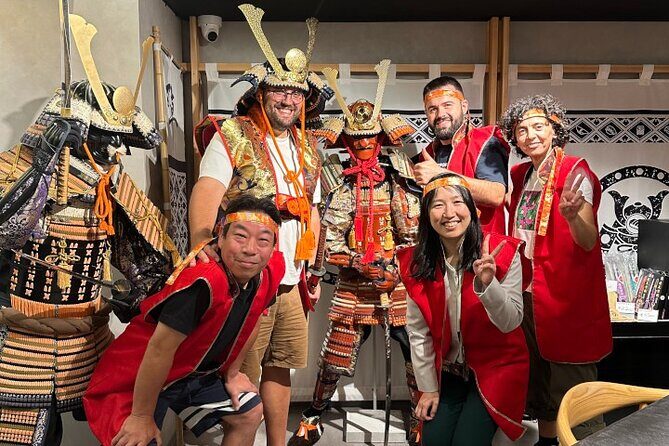
- Small group size (max 12) means more attention while you’re making nigiri
- Samurai armor dressing turns the start into a fun cultural photo session
- Chef-led hands-on sushi making with guided steps you can repeat at home
- Dashimaki grilled in front of you adds a warm, savory break from cold nigiri
- Tasting variety (10 types plus α) including Wagyu, caviar, and crab
- Asakusa location near Asakusa Station and Sensoji makes pairing easy with sightseeing
Entering JIN-ASAKUSA in Asakusa: quick walk, sky views, and real atmosphere
This experience is based at JIN-ASAKUSA 陣-浅草, on the 4th floor of CREAL浅草スカイビュースクエア. The location is practical: it’s about a 1-minute walk from Asakusa Station and roughly 3 minutes from Sensoji Temple, so you can plan it alongside your classic Asakusa stroll.
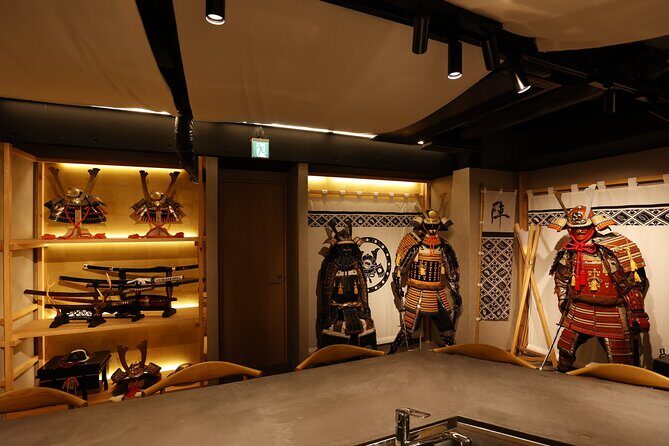
What I like here is that the setting matches the theme without feeling random. The interior is designed around samurai culture—armor, swords, bamboo, and torch-style decor—so your first few minutes feel like you stepped into a story, not a generic studio.
If you’re squeezing in activities between temple visits and evening lights, this “close to everything” access matters more than you’d think. You won’t spend your energy on long commutes or complicated transfers, which keeps the experience feeling light and fun.
You can also read our reviews of more tours and experiences in Tokyo.



Samurai armor dressing: the photo moment you’ll actually want to use
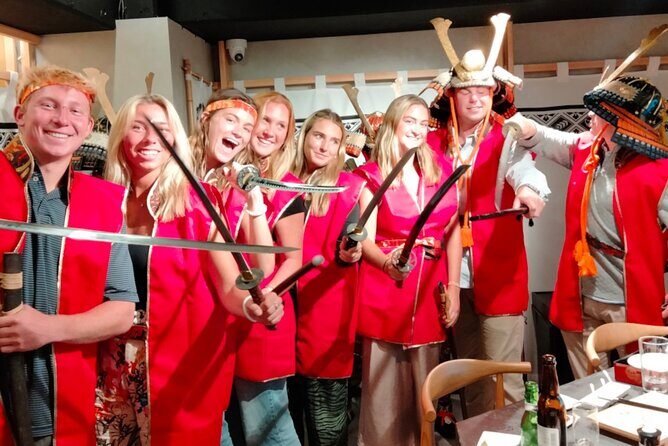
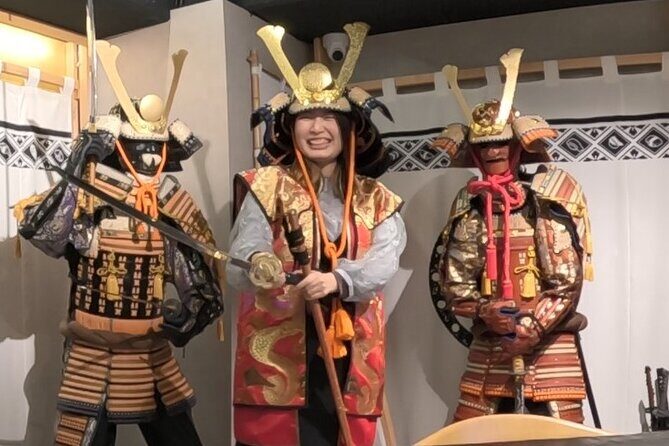
Before you touch sushi, you’ll dress in authentic samurai-style armor. The point isn’t just costume—this is built as a photo-op segment with a backdrop full of swords and traditional battle-era details.
You should expect a short, guided process so you don’t stand there wrestling with clothing. And once you’re dressed, you’ll have time to take pictures that genuinely look like Tokyo cosplay with a story attached.
The practical upside: you can treat this as a “reset moment” in your day. After you’ve been walking around Asakusa, switching into armor feels like a playful change of pace, not just a second stop on your itinerary.
Chef-led sushi making: how nigiri gets taught (and how dashimaki fits in)
The heart of the experience is an interactive sushi lesson led by a Japanese sushi chef. Instead of a passive demonstration, you’ll get hands-on instruction with the chef guiding you through the steps as you go.
One of the most useful parts is how they structure the learning. You’ll see the process, then you’ll do it yourself, and the chef will teach in a way meant for real beginners. English explanations are part of the experience too, which can make a huge difference when you’re trying to copy technique you can’t fully “guess” by watching.
There’s also dashimaki grilled right in front of you. That detail matters because it adds variety in texture and flavor, and it breaks up the pace of shaping cold sushi pieces. It also gives you a glimpse of Japanese kitchen sequencing—serve hot and cold items together, and you get more than one “wow” moment.
The tasting lineup: 10 varieties plus α, including Wagyu, caviar, and crab
After the making portion, you’ll eat sushi as part of the course. The menu includes 10 types plus α, and the seafood examples include tuna and salmon among the higher-quality items described for the experience.
What makes this feel special is the range. You’re not limited to the “safe” basics; you’ll also taste items such as Kobe beef (Wagyu), caviar, and crab. That combination is exactly why this works even if you think you’re a beginner at sushi.
A smart tip for tasting sessions like this: don’t rush. Take one bite to understand the texture, then a second bite to notice how seasoning and topping placement changes the flavor. With caviar and richer seafood like crab, it’s especially easy to miss the difference if you swallow the first bite without checking.
Also, you’ll likely see a mix of what the chef makes and what you’ve shaped. That’s helpful because it shows the difference between “my first attempt” and “chef standard,” which is where learning usually happens.
What you’ll actually learn to recreate at home
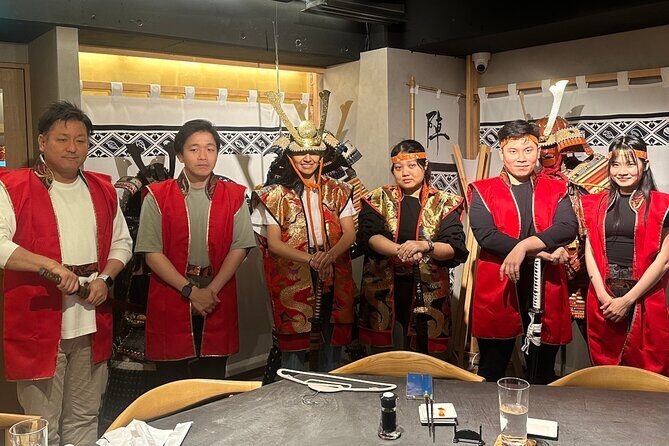
A sushi class is only worth it if you leave with repeatable habits, not just a full stomach. This one is designed around techniques you can try again—especially in nigiri form.
Here’s what the structure suggests you’ll walk away with:
- A clearer sense of how nigiri is built (rice shape, topping placement, and handling)
- A better understanding of timing and sequencing—especially with that dashimaki moment
- Confidence because you did the steps, not just watched them
From the vibe and teaching style, you can expect the chefs and staff to keep things friendly and encouraging. You may meet Sushi master Taisho and Saung as part of the team experience, and the tone is meant to keep you engaged while you learn.
If you want to recreate it at home, the biggest mindset shift is this: sushi isn’t one complicated trick. It’s small choices repeated cleanly. You’ll probably leave knowing what those choices are, which makes your next sushi purchase (or home try) much less intimidating.






Value and price: why $49.54 can work out well for what you get
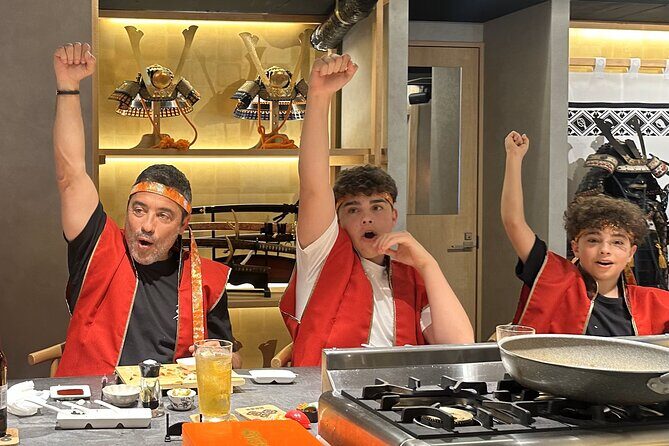
At $49.54 per person, the “value math” depends on what’s included. In this case, meal costs, service charge, and consumption tax are included. That matters because sushi classes often surprise you with add-ons once you sit down to eat.
You also get more than one component: dressing time, hands-on instruction, and a multi-item tasting course (10 types plus α). With a class this close to Asakusa Station and Sensoji, you’re also likely saving travel time, which is a real cost in vacation energy.
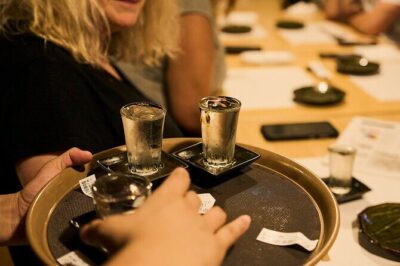
What’s not included is additional drinks beyond water and green tea. So if you like cocktails or premium beverages, plan for that extra spend.
Bottom line: this price tends to make sense when you want both learning and eating in one block, without needing to book separate activities.
Who should book this sushi-and-samurai experience in Asakusa
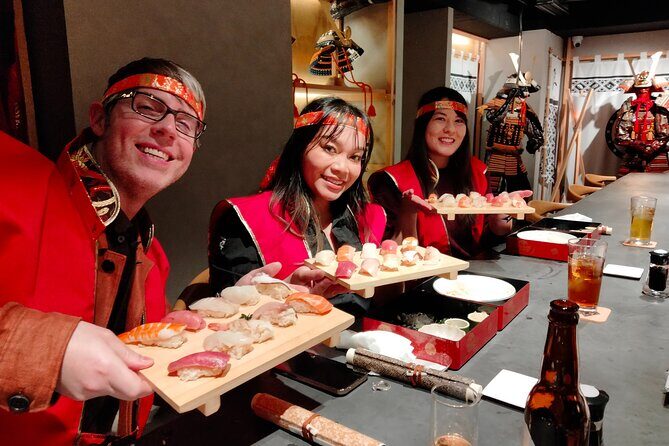
This is a good match if you want:
- A hands-on cooking class experience, not just a viewing show
- A memorable cultural theme beyond food (samurai armor and decor)
- A tasting lineup that includes more than standard nigiri choices
- An activity that fits easily into an Asakusa day near Sensoji
It’s also a nice option for groups, including families, because the class format is built to keep people engaged while learning. If you’re traveling as a couple, it’s also a fun date-style activity: you get a shared story, then you share the meal.
The main mismatch is simple: if you only want cooked food, or you strongly prefer Western-style meal variety, a sushi-heavy format may not satisfy you.
Should you book JIN-ASAKUSA Shogun Course?
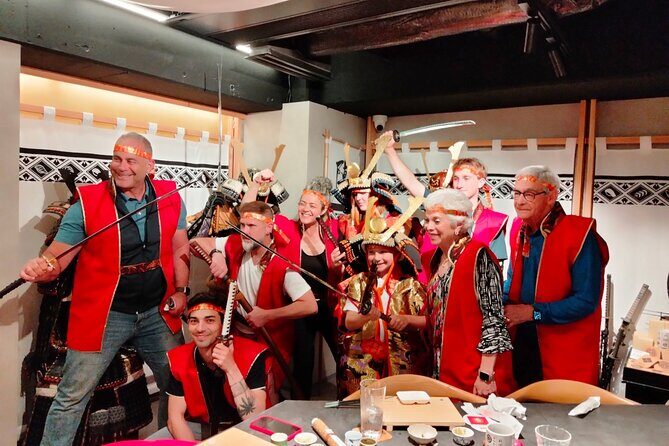
I’d book it if you’re the type who likes doing something hands-on while on vacation, and you want your sushi knowledge to level up fast. The small group size, the chef-guided practice, and the range of tastings (including Wagyu, caviar, and crab) make the class feel like more than a gimmick.
I’d skip it if your main goal is a traditional sightseeing walk and you don’t want any structured activity at all. The armor segment and the sushi instruction are central here, not optional add-ons.
FAQ
How long is the Samurai Sword & Sushi experience?
It runs for about 2 hours.
Where is the meeting point in Asakusa?
You meet at JIN-ASAKUSA 陣-浅草 Japan, 111-0033 Tokyo, Taito City, Hanakawado, 1-chōme1014 CREAL浅草スカイビュースクエア 4F. It’s near Asakusa Station and also close to Sensoji Temple.
How large are the groups?
The experience has a maximum of 12 travelers, so it stays intimate.
What’s included in the price?
Meal costs, service charge, and consumption tax are included. Water and green tea are included, while other drink orders are not included.
What happens after the class ends?
The activity ends back at the meeting point.
What is the cancellation policy?
Free cancellation is available up to 24 hours in advance for a full refund. If you cancel less than 24 hours before the start time, the amount paid is not refunded.