REVIEW · TOKYO
Private Kimono and tea ceremony at local home near Tokyo Disney
Book on Viator →Operated by 和 WA Japan at Home · Bookable on Viator
Kimono and tea in a real home. This private experience near Tokyo Disney gives you a homely, photo-studio style setting instead of a big show. I love the chance to get dressed in a 100% pure silk kimono and feel the difference that real fabric and craftsmanship make. It is intimate by design, with a maximum of three guests per day.
I also like the photography side: you’ll use a high-quality Sony α7 camera and get guidance so you look natural in your photos. On top of the shoot, the experience includes traditional hairstyling help and decorative hair accessories, then you change back into your clothes for tea.
One thing to plan for: there is no makeup service, and you are asked to arrive with your full makeup already applied. If you forget that, you’ll be adjusting your expectations fast. Also note it is not offered during the height of summer, so check dates if you’re traveling then.
In This Review
- Key highlights to know before you go
- A Quiet Home Session Near Tokyo Disney
- Choosing Your Kimono Look: Silk Furisode, Cotton Kimono, and Props
- Inside the Photo Shoot with the Sony α7 Camera
- Tea Ceremony After You Change Back: Whisk Green Tea and Sweets
- Timing, Duration, and What the Small Group Setup Means
- Value Check: What You’re Really Paying For at $164.19
- Should You Book This Private Kimono and Tea Experience?
- FAQ
- Where do we meet for this experience?
- How long does the kimono and tea experience take?
- Is this tour private or shared with other people?
- What kimono options are included?
- Are ninja costumes included?
- Is a katana included?
- Do they provide a camera for the photos?
- Will I receive the photos after the session?
- Is photo retouching included?
- Is makeup provided?
- Is the tea ceremony included, and what do you get?
Key highlights to know before you go
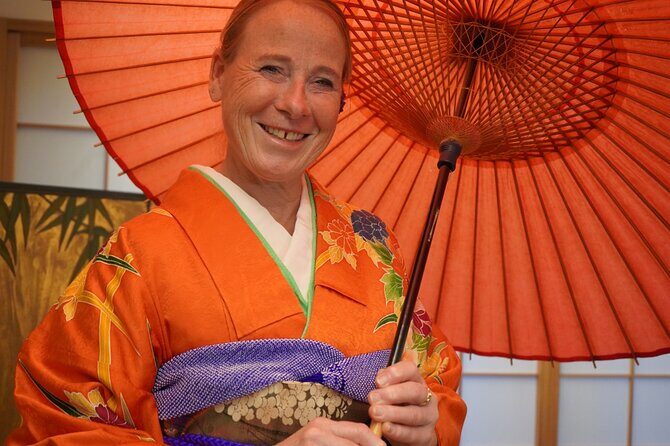
- 100% pure silk furisode for the lady, plus a cotton kimono for the gentleman
- Private group size (max three guests) for a more personal pace
- High-quality Sony α7 photos taken for you, with an SD card handed over when you leave
- Tea ceremony after the photo session, with whisk green tea and Japanese sweets
- Optional ninja costumes, plus a decorative katana prop
- No retouching on the photo data, so come ready to style and pose
A Quiet Home Session Near Tokyo Disney
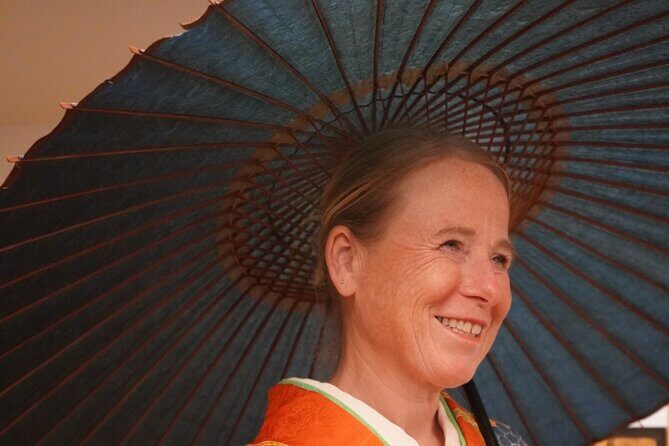
This is the kind of activity that feels calmer than the usual tourist circuit. Instead of a traditional theater vibe, you’re in an ordinary Japanese home setup used as a photo studio experience. That difference matters. A home setting tends to slow you down. You’re not fighting crowds. You’re not rushing between “stages.” You’re getting attention while you wear something that takes time to put on and style properly.
You start at Shin-Urayasu Station, then the experience ends back at the same meeting point. The location is close enough to Tokyo Disney that you can think of this as culture time between theme-park moments. It’s also private, meaning only your group participates, so you’re not performing your kimono moment alongside strangers.
Group size is part of the charm and part of the planning. This runs in a small-group model: up to three guests per day. Duration changes with group size, too. For two participants, plan on about 3 hours. The description also notes a specific limit: a maximum of two women per group. If you’re traveling as a mixed group, couples, or a small friend group, that limit is worth checking early so there are no surprises.
You can also read our reviews of more private tours in Tokyo



Choosing Your Kimono Look: Silk Furisode, Cotton Kimono, and Props
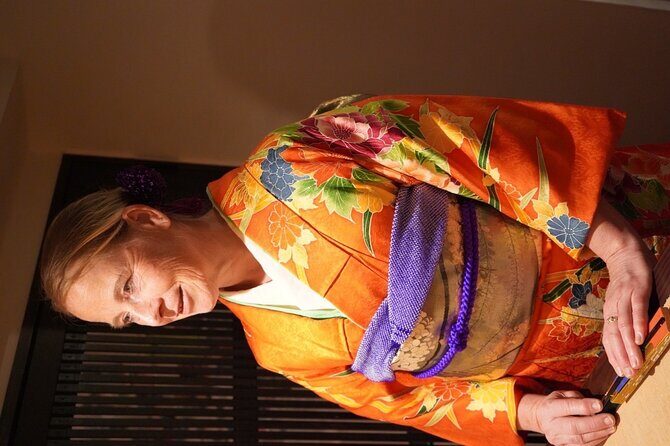
The kimono portion is not just you picking a costume off a rack. You get dressed as part of the experience, and the guide helps you get the look right.
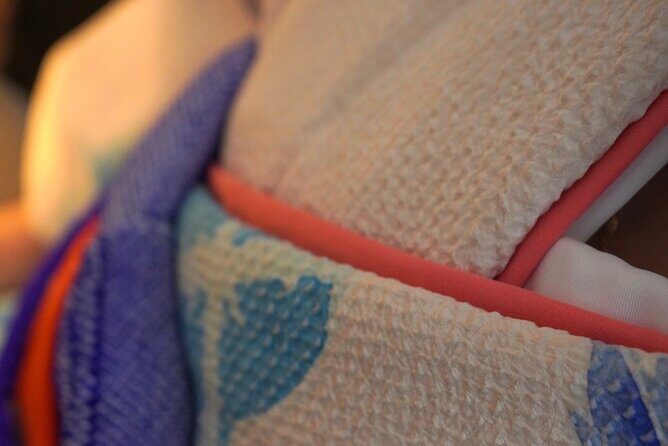
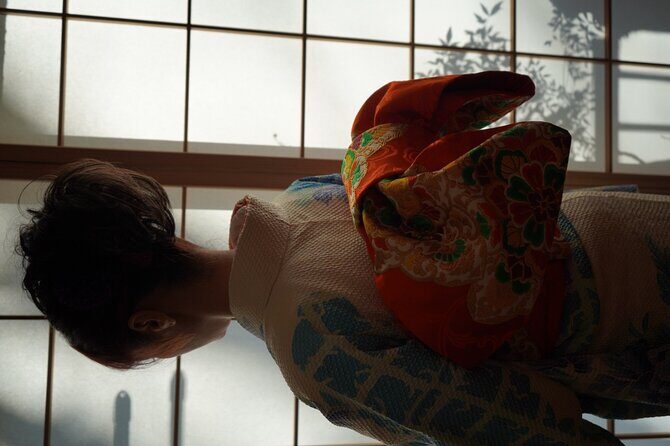
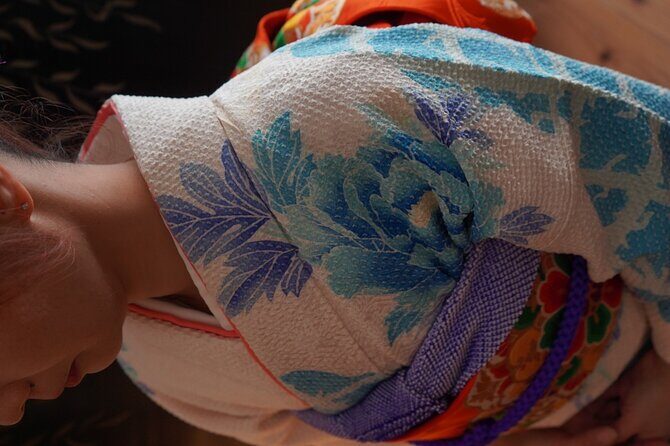
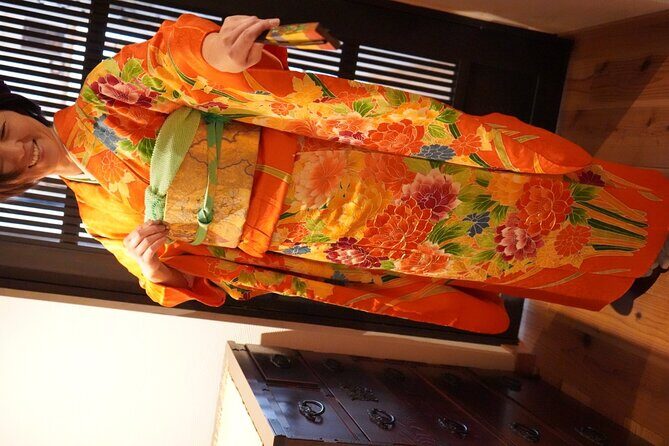
For the lady, the standout choice is a furisode. This is a highly prestigious kimono with long, elegant sleeves and rich, detailed designs. You’ll feel it the moment you put it on. The sleeves, the fall of the fabric, the way it frames your posture—this is the type of kimono that changes how you move. It is also one of the most visually striking styles, which is great if you want photos that look distinctly Japanese and not like a generic costume shot.
For the gentleman, you’ll wear a cotton kimono. Cotton is practical and comfortable for fit and wear, especially since this is a photo-and-ceremony experience where you still want to look sharp without feeling stiff or overheated.
Then comes the extras that make the photos fun rather than formal only:
- A decorative katana is provided as part of the look.
- You can also have a ninja costume added into the experience.
Those options help you get range in your pictures—traditional and dramatic, not just one safe pose the whole time. If you like contrast (classy + playful), this is a good setup.
There is also guidance in traditional hairstyling and access to decorative hair accessories. This matters more than people think. A kimono photo can look “almost right” if the hair and accessories don’t match the overall style. The fact that hairstyling help is included means you’ll be less likely to end up looking like you dressed yourself for a costume party.
One more practical note: there’s no makeup service. That’s not a dealbreaker, but it does change prep. If you want photos where your face matches the traditional styling, arrive with makeup fully done, so you aren’t scrambling before dressing. Also, the experience is designed to minimize risk of skin irritation, which is why makeup is not provided.
Inside the Photo Shoot with the Sony α7 Camera
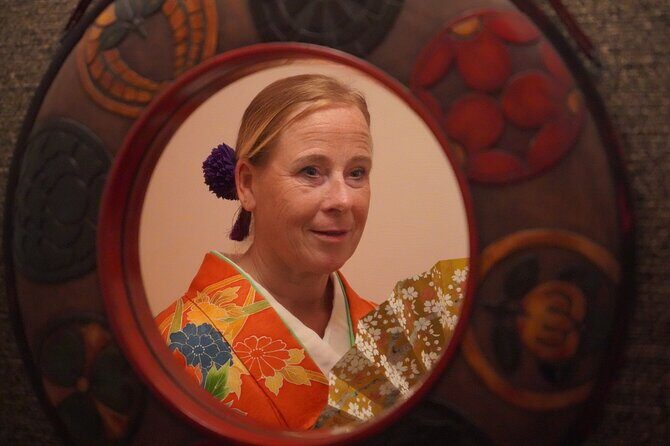
Photography is a big part of the value here, and it’s not just “you can take photos.” The experience includes using a high-quality Sony α7 camera for capturing your kimono and photo moments.
Here’s what that means for you in plain terms:
- You don’t have to worry about learning settings or framing under time pressure.
- The guide can focus on getting you posed correctly for the kimono silhouette.
- You get a consistent photo style instead of random phone snapshots.
You can bring your own camera for extra personal shots. That is a nice option because your own camera likely has settings you’re already comfortable with. It also gives you control over things like close-ups of accessories or specific angles you want for souvenirs.
When you leave, you’re handed an SD card with photos included in the package. The description says the photos are provided as-is, with no retouching. That’s important to know up front. It means your best move is prep: do your makeup, bring good confidence, and come ready to pose. If you’re used to Instagram-style smoothing, you might find the results more realistic than you expect—but that can also be the point.
Also, the experience notes you’ll capture beautiful moments with a high-quality camera. In a small setting, that tends to translate into fewer “stand here and wait” moments and more actual guidance on how to look comfortable. With kimono, comfort matters. The fabric encourages posture changes, and moving naturally takes a moment.
If you want to get the most out of the shoot, focus on:
- Letting the guide help you settle into the look before you start taking your own photos
- Being ready to pause for positioning, especially with the furisode sleeves
- Not rushing the vibe—kimono looks best when you look composed, not mid-step
Tea Ceremony After You Change Back: Whisk Green Tea and Sweets
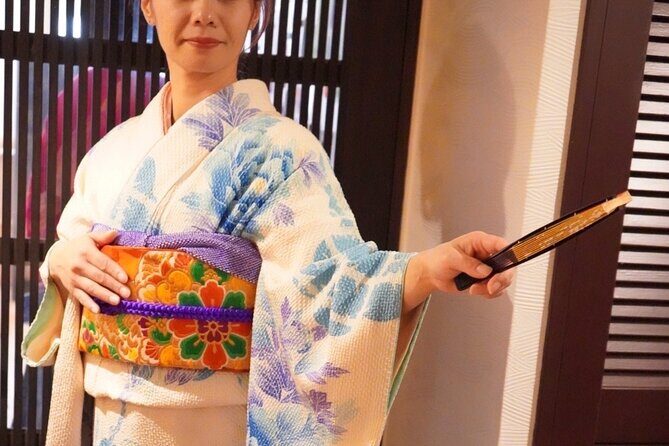
The tea ceremony portion is the emotional landing after the photo excitement. After the kimono photo session, you change back into your clothes and then experience tea.
You’ll get one cup of whisk green tea, plus traditional Japanese confections. Even if you’re not a serious tea person, this part gives you a calmer pace and a chance to connect the culture theme beyond the photos. You’re not just wearing something pretty—you’re stepping into a small, traditional ritual moment.
The tea also works well as a reset. Kimonos can take some getting used to, especially with sleeves and the overall posture. After photos, it’s nice to switch to something simple and human-scale. A cup of tea in the same home setting keeps everything grounded in the same intimate environment.
One thing to plan for: there’s no mention of swapping your tea for alternatives. If you have restrictions, you should consider asking before booking, since the inclusion is specifically described as one cup of whisk green tea and confections.
Timing, Duration, and What the Small Group Setup Means
This runs about 3 hours for the two-participant option, and it changes based on how many people are included. The schedule is flexible depending on group size, with slightly longer time for three participants.
Why you should care about the exact duration: kimono dressing takes time, and the experience includes hairstyling plus photo capture. A tightly paced session can feel rushed in big groups. Here, the small group format helps keep the process smoother. It’s also a reason this experience is often chosen for couple trips and small friend groups.
It’s also worth noting the package structure:
- Single participant option has a shorter time window (described as 2.5 hours)
- Two participants is about 3 hours
- Three participants is about 3.5 hours
- Couples packages are included (3 hours), and there is also an option for two couples (3.5 hours)
Pricing is set as $164.19 per person, and you can look for group discounts if you’re booking with someone. The listing also uses a mobile ticket system and confirmation happens at booking time.
Booking timing: the average booking window is 35 days in advance. That’s a useful clue. If you’re traveling during a high-demand period near Tokyo Disney, I’d treat that as a sign to reserve sooner rather than later, even though free cancellation is available.
Weather note: the experience is not offered during the height of summer. If your dates fall in peak summer, you may need to adjust your travel plan or choose a different style of cultural experience.






Value Check: What You’re Really Paying For at $164.19
At first glance, $164.19 per person might feel high for “kimono and tea.” But the value becomes clearer when you break down what’s included.
You’re paying for several things that individually cost time and labor:
- Kimono dressing for both the lady and the gentleman (with specific fabric choices)
- Hairstyling guidance and decorative accessories
- High-quality photo capture using a Sony α7 camera
- A photo delivery method you can keep (an SD card given when you leave)
- A tea ceremony element with drinks and sweets
- Basic comforts like bottled water, plus coffee and/or tea
The other hidden value is the small size. With a maximum of three guests per day, you’re not diluted. A big “production” can make you feel like you’re waiting your turn. This setup is more like a personal session, which changes how the time feels.
One more value factor: photos are provided as-is with no retouching. That sounds like a drawback, but it’s also part of how you judge value. You’re getting authentic, natural results without a digital makeover process. If that fits your style, you’ll appreciate the honesty. If you strongly prefer heavy editing, you might want to budget for your own editing after you get the SD card.
So, is it a good deal? If you want:
- A real furisode experience (not just a quick dress-up),
- Proper photo support from a better camera workflow,
- And a tea ritual to round out the story,
then yes, it’s good value for the level of attention and included items.
Should You Book This Private Kimono and Tea Experience?
Book it if you want an intimate, culturally focused session with real kimono styling and a photography component that doesn’t depend entirely on your own camera skills. This fits especially well for couples, small groups, and anyone who wants a break from theme-park crowds without giving up an iconic photo memory.
Skip it or rethink your timing if:
- You don’t want to do makeup prep yourself (since makeup services are not provided),
- You’re traveling in the height of summer when it is not offered,
- Or you’re expecting retouched, heavily edited photos right out of the SD card.
If you can handle the prep and you like the idea of a small home-based experience, this is the kind of activity you’ll remember later because it feels personal, not mass-produced.
FAQ
Where do we meet for this experience?
You start at Shin-Urayasu Station, and the address listed is 1 Chome-1 Irifune, Urayasu, Chiba 279-0012, Japan. The activity ends back at the meeting point.
How long does the kimono and tea experience take?
It is listed as about 3 hours for two participants. Single participants are described as 2.5 hours, and three participants as 3.5 hours. Couples package options align with those time ranges.
Is this tour private or shared with other people?
It is a private tour/activity. Only your group will participate.
What kimono options are included?
The experience includes dressing one silk kimono for the lady and one cotton kimono for the gentleman. The silk option is described as a furisode.
Are ninja costumes included?
Yes. Ninja costumes are provided as part of the experience.
Is a katana included?
Yes, a decorative katana is included.
Do they provide a camera for the photos?
Yes. They use a high-quality Sony α7 camera to capture your experience. You can also bring your own camera for additional personal shots.
Will I receive the photos after the session?
Yes. You are given an SD card containing all the photos directly when you leave.
Is photo retouching included?
No. The photo data is provided as-is, without any retouching.
Is makeup provided?
No. Makeup services are not provided, and you are recommended to arrive with your full makeup already applied.
Is the tea ceremony included, and what do you get?
After you change back into your clothes, you can experience a tea ceremony. It includes one cup of whisk green tea and traditional Japanese confections.