REVIEW · TOKYO
Tokyo Sumo Culture Tour with Chanko-Nabe Lunch in Ryogoku
Book on Viator →Operated by Arumachi · Bookable on Viator
Ryogoku has the best kind of history: the walkable kind. This Tokyo Sumo Culture Tour turns the spotlight from the ring to the neighborhood, with an easy route through stables, shrines, and old-Edo sumo spaces. You also get one of the most practical perks in town: chanko-nabe lunch built into the plan.
I like how small-group this is (max eight). It means you can actually hear the guide and ask questions, instead of shouting over the crowd. I also like that the pacing is designed for first-timers: you see the major sumo landmarks from close by, without needing to figure out what’s where.
One thing to consider: you are not guaranteed to see live training sessions or anything like a match. And on some days—especially around Sundays—some training-related areas can be closed, so your timing matters.
In This Review
- Key things that make this tour worth your morning
- Ryogoku at 9:30: a small-group walk that keeps you oriented
- Hakkaku-beya and “Sumo Town” in real life
- Nominosukune Shrine: the founder story and the rules behind the ritual
- Ryogoku Kokugikan: viewing the arena like a local
- Ryogoku Edo Noren and Ekoin Temple: old Tokyo’s sumo footprint
- Kasuganobeya and those wrestler-size bicycles
- Tomoegata Chanko: why chanko-nabe is the main character
- The guides: storytelling that turns stops into a single story
- Price and what you’re really paying for
- Timing and expectations: how to get the best day
- Who this tour suits best (and who might want to skip it)
- Should you book this Sumo Town tour?
- FAQ
- How long is the Tokyo Sumo Culture Tour with chanko-nabe lunch?
- Where does the tour start and end?
- Is lunch included?
- Will I be able to watch sumo practice or matches?
- How many people are in a group?
- What is the cancellation policy?
Key things that make this tour worth your morning
- Max 8 people keeps the walk personal and question-friendly
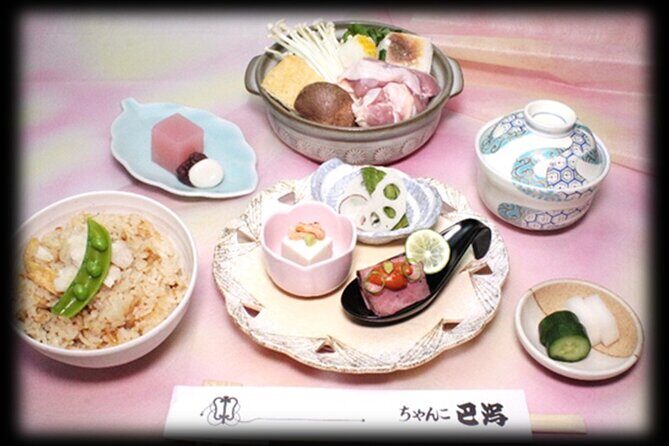
- Chanko-nabe lunch is included, so you don’t burn time hunting food
- Ryogoku “Sumo Town” route hits a shrine, arena views, and multiple sumo sites
- Mostly outside viewing (plus a quick stable stop), so expectations stay realistic
- Free admission listed for each stop keeps costs under control
- Guides like Taka, Jeff, and Aki-san show up with strong storytelling and local detail
Ryogoku at 9:30: a small-group walk that keeps you oriented
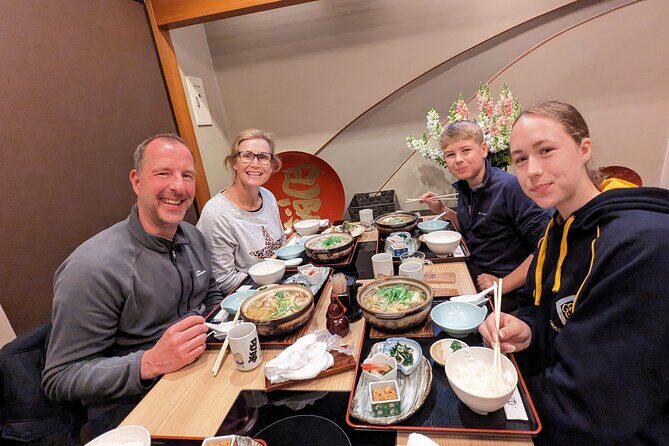
This tour starts at Ryogoku Station (the meeting point is at Yokoami, Sumida City), and you end at Tomoegata Chanko—so you don’t have to backtrack. The timing is a tidy 3 hours 30 minutes, long enough to feel you did something meaningful, short enough that you won’t feel wrecked for the rest of your Tokyo day.
The big value here is direction. Ryogoku is not a random neighborhood—you’re walking through a pocket built around sumo. Without help, you might still find things, but you’d likely miss the connective tissue: why this shrine matters, what that building used to host, and how the sport shaped local life.
Because the group is limited to eight travelers, the guide can slow down when something clicks for the group. If you’re the type who likes asking why a rule exists or what a tradition signals, this format suits you.
A few more Tokyo tours and experiences worth a look

Hakkaku-beya and “Sumo Town” in real life
The tour begins with a quick look at Hakkaku-beya Sumo Stable. You’re not doing a long, inside-only visit. Instead, you get a short stop and a view of the stable area from outside—exactly the kind of approach that works well for visitors. You can see how a stable sits in its daily environment, not just as a distant sports brand.
There’s also a subtle lesson here. Sumo stables aren’t museum pieces. They’re training hubs and home base, so the stable you’re looking at is part of a bigger ecosystem. When your guide frames it that way, the neighborhood becomes easier to read.
Practical tip: wear shoes that can handle sidewalks and quick turns. This is a walking tour through a real district, not a hop-on hop-off ride.
Nominosukune Shrine: the founder story and the rules behind the ritual
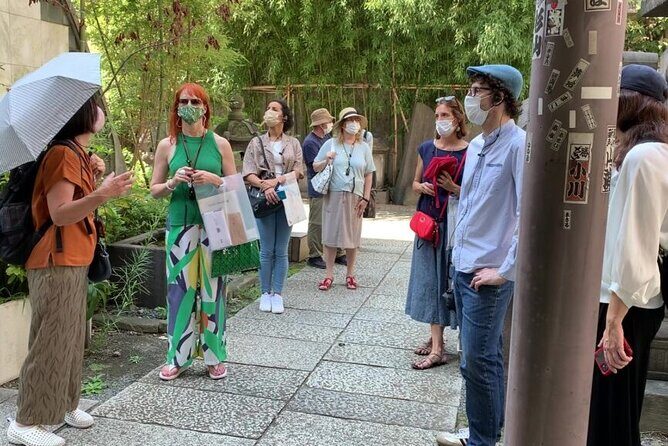
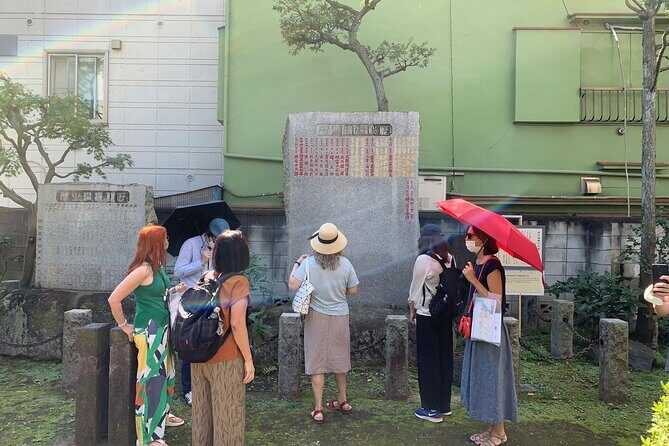
Next up is Nominosukune Shrine, a Shinto shrine where the founder of sumo is enshrined. The guide ties the legend to real structure: how sumo was initiated long ago (the tour describes it as about 1500 years) and how rules took shape into the modern form.
This is where the tour earns its keep if you’re not already a sumo nerd. You’re not just hearing random trivia. You’re getting the logic behind why the sport is so ritual-heavy: the ceremonies, the respect, and the way traditions get codified.
This stop is also quick—about 30 minutes—so it adds meaning without taking over your day. If you love cultural context more than sports highlights, you’ll appreciate that balance.
Ryogoku Kokugikan: viewing the arena like a local
At Ryogoku Kokugikan, you’ll view the arena from outside. Even without going inside, you get the sense of where the sport “goes live.” This is described as the home base where Grand Sumo tournaments happen three times a year.
Outside viewing sounds less exciting on paper, but it works because the guide uses the arena as a timeline anchor. You hear stories tied to the building and how it became part of Ryogoku’s identity. It’s the difference between seeing a landmark and understanding why locals treat it like a calendar event.
Drawback check: you’re not scheduled for a behind-the-scenes training tour here. If you’re dreaming of seeing wrestlers practice, plan for the fact that this tour focuses more on culture than on match-day access.
Ryogoku Edo Noren and Ekoin Temple: old Tokyo’s sumo footprint
Two stops bring in the Edo period in a way that feels tangible.
First is Ryogoku Edo Noren, where you can see a full-scale sumo ring. The goal isn’t to recreate the modern stadium. It’s to help you picture what sumo looked like in a different era, with different social rhythms.
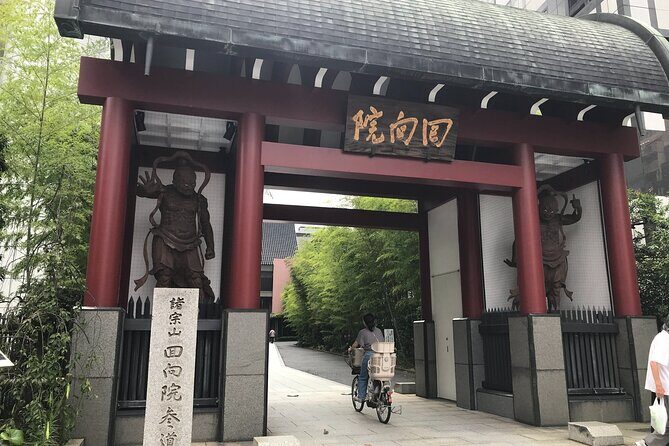
Then comes Ekoin Temple, described as a place connected to sumo tournaments held during the Edo (samurai) period. Here, the guide adds the social dimension—how wrestlers’ status fit into pre-modern life and how tournaments were organized and experienced then.
What I like about pairing these two stops is that you get two angles on the same theme:
- One stop helps you visualize the arena setup.
- The next helps you place the sport in society and time.
If you’re bringing family, this sequence is also a good sanity saver. Kids and adults both tend to enjoy “show me the ring” moments, and adults usually appreciate the explanation of social structure.




Kasuganobeya and those wrestler-size bicycles
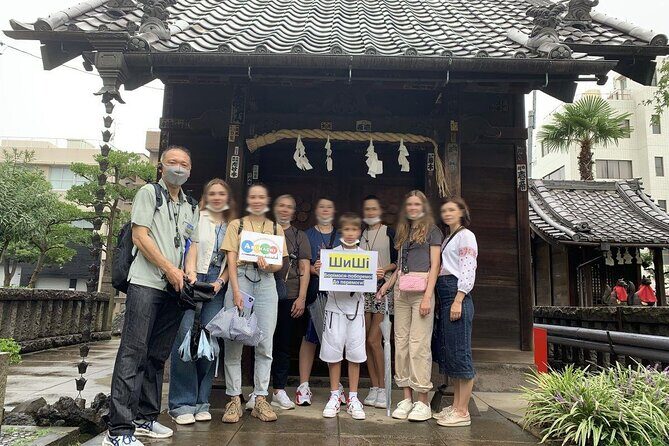
Kasuganobeya is a fun breather. The tour notes that a Bulgarian-born wrestler belongs to this stable, and you get to see the wrestler-size bicycles used in daily life.
This is one of those details that makes the sport feel human. Sumo can feel like it lives in a stereotype—big bodies, heavy rules, lots of ceremony. But a bicycle built for a wrestler is the opposite of abstract. It’s everyday life gear, the kind of real-world detail your brain remembers later when you see pictures online.
Also, this stop is short—about 15 minutes—so it adds color without slowing everything down.
Tomoegata Chanko: why chanko-nabe is the main character
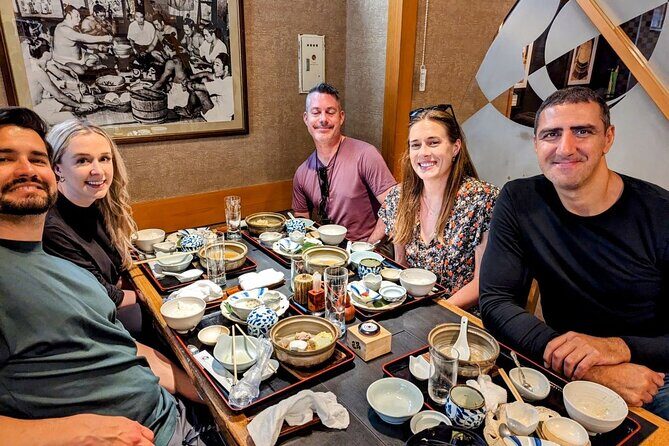
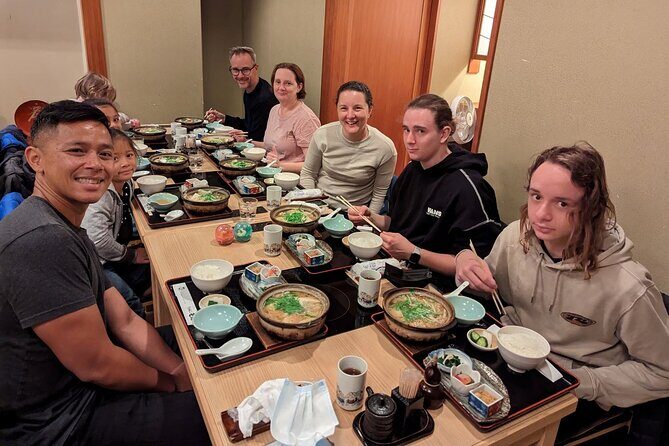
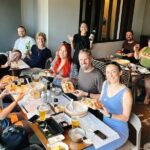
The final leg takes you to Tomoegata Chanko for chanko-nabe lunch. Chanko-nabe is described as a hot-pot dish central to sumo wrestlers’ diet—used for building muscle and gaining weight. That’s the basic idea, but what makes lunch part of the tour is how it ties food to training culture.
A guided chanko meal has two advantages for you:
- You get a traditional dish without needing to research the right place and the right order.
- You can focus on the meaning instead of logistics.
There’s no mention of alcohol being included, so if you drink, you’ll likely need to plan separately. The lunch is the included centerpiece, and it’s timed so you can refuel before the walk finishes.
The guides: storytelling that turns stops into a single story
This tour is strongly shaped by its guide. The names that show up in this experience include Taka, Jeff, and Aki-san, and they’re praised for being personable and experienced in explaining how sumo fits together as history, culture, and daily life.
What you want from a guide on a tour like this is simple: clarity and pacing. And that’s what the best versions deliver. The guide connects each stop—stable, shrine, arena view, Edo venues—into one continuous explanation, instead of treating them like separate photo ops.
If your Japanese is limited, this is also the type of tour where a good guide matters more. You’re getting the context that you otherwise would have to stitch together from apps and signage.
Price and what you’re really paying for
At $131.12 per person, this isn’t a bargain-bin tour. But it can still be good value because you’re paying for several things that usually cost you time or hassle on your own:
- A guided route through multiple Ryogoku sumo sites
- An included chanko-nabe lunch
- A small-group setup (max eight)
- Stops that list free admission, which helps keep the add-on costs down
The trade-off is what the tour is not promising. It’s not built around “watch a practice” or “see a live match.” The format is more about the culture and the places where sumo lives.
One more timing reality: if you’re visiting during the stretch around tournaments, you might hope for extra access, but schedules can be tight. One of the key cautions here is that some training-related facilities may not be open on certain days (Sundays were specifically mentioned), so your experience depends partly on the calendar.
Timing and expectations: how to get the best day
This tour runs in the morning and ends right at lunch, which is a good structure. You get the sights while you’re fresh, then you sit down before you lose energy.
To set your expectations:
- You will view major sites like Kokugikan and sumo rings from the outside or in designated viewing areas.
- You’ll get cultural and historical context at each stop.
- You’ll have lunch included as part of the flow.
- You should not count on guaranteed live practice or match viewing.
If you want actual in-ring action, you’ll need a different kind of plan. Think of this tour as the “why it matters” version of sumo, not the “watch the fight” version.
Who this tour suits best (and who might want to skip it)
You’ll likely love this if:
- It’s your first real introduction to sumo beyond tournament clips
- You enjoy guided history that’s tied to real streets and buildings
- You want an easy plan with lunch handled
- You like small groups and conversation
You might reconsider if:
- You mainly want to watch wrestlers train or see matches
- You’re only interested in modern tournament logistics and not Edo-era cultural context
- You’re traveling on a day when closures are more likely and you would feel disappointed
The sweet spot is a traveler who wants a confident, guided route through Ryogoku and a satisfying meal that fits the theme.
Should you book this Sumo Town tour?
I’d book it if you want a well-paced Ryogoku walk that explains sumo as a neighborhood culture, not just a sport. The included chanko-nabe lunch makes the schedule feel complete, and the small group size helps the guide’s storytelling land.
If you’re coming specifically to see live training or match-day scenes, keep expectations grounded. This is a tour about places, traditions, and context, with a very good chance of giving you a fuller understanding of sumo than you’ll get from a quick sightseeing stop.
If your schedule allows, aim for a day when you can adapt to closures. And if you’re booking ahead, it’s smart—this one tends to sell early, with lots of people jumping in well before travel dates.
FAQ
How long is the Tokyo Sumo Culture Tour with chanko-nabe lunch?
The tour is approximately 3 hours 30 minutes.
Where does the tour start and end?
It starts at Ryogoku Sta. 1-chōme-4-29 Yokoami, Sumida City and ends at Tomoegata Chanko at 2-chōme-17-6 Ryōgoku, Sumida City. The tour ends at the restaurant.
Is lunch included?
Yes. You’ll have chanko-nabe lunch included.
Will I be able to watch sumo practice or matches?
The experience does not include actual sumo viewing like practice or matches. The tour focuses on sites and cultural context.
How many people are in a group?
The tour has a maximum of eight travelers, so it stays intimate.
What is the cancellation policy?
You can cancel for a full refund up to 24 hours before the experience starts. If you cancel less than 24 hours in advance, the amount paid is not refunded.