REVIEW · NAHA
Zodiac Shrines and Naha Backstreets Cycling Tour
Book on Viator →Operated by Discovery Bicycle Tours Okinawa / e-CHARIty Naha · Bookable on Viator
One backstreet ride, and Okinawa makes sense fast. This tour threads together Zodiac shrines and Ryukyuan-era devotion with practical e-bike sightseeing, plus a guide who helps you read what you’re looking at. I especially liked the mix of temple stops and the chance to see modern worship tied to the Ryukyu Kingdom era, and I like that the electric bikes take the sting out of the riding; one drawback is that each stop is short, so you’ll want to come with curiosity (not a long-attention span).
This is also a small-group style experience. The ride is capped at 5 travelers, and guides are often praised by name for making the cultural explanations clear, like Maria, Jojo, Sally, and Reija. If you’re the type who enjoys quiet sacred spaces as much as photos, this route hits a sweet spot: gates, carvings, springs, and royal connections, all stitched together with motion.
At about 4 hours, it’s a strong value for the money if you’d otherwise bounce between temples by bus or taxi. You’ll pay for guided routing, e-bike support, and the included extras like a pilgrim book and snacks; the tradeoff is that bottled water and phone gear aren’t included, so you’ll need to plan for that.
In This Review
- Key things to know before you ride Zodiac shrines
- A Ryukyu-Zodiac Ride Through Naha and Shuri
- Starting at Makishi Monorail: e-Bikes, helmets, and a fast setup
- Shuri Kannondo: Kannon carvings and vermilion Shuri views
- Ankoku-ji Temple: Okinawan Buddhism and traditional neighborhood streets
- Shuri Castle gate photos, Daruma prayers, and Seikoji calm
- Shuritobarucho’s miraculous spring and Sogenji-dori’s royal connection
- Snacks, goshuin-cho, and what to do after you finish
- Price and value: how $108.72 turns into a full Okinawa mini-day
- Weather, streets, and the practical riding checklist
- Who should book this Zodiac shrines cycling tour?
- Should you book this Zodiac shrines tour?
- FAQ
- How long is the Zodiac Shrines and Naha Backstreets Cycling Tour?
- Where do I meet, and how close is it to the monorail?
- What’s included in the price?
- Is admission free at the stops?
- Do I need to bring bottled water or phone gear?
- How big is the group, and can children join?
- What happens if the weather is bad?
- Can I cancel for a refund?
Key things to know before you ride Zodiac shrines
- Small group of up to 5, so the pace stays personal and you can ask questions.
- Electric bicycle + helmet included, which matters because you’ll mix in real city streets and gentle climbs.
- Free entry at multiple stops, so your cost goes toward the experience, not admissions.
- Goshuin-cho pilgrim’s book is included, giving you something tangible to bring home.
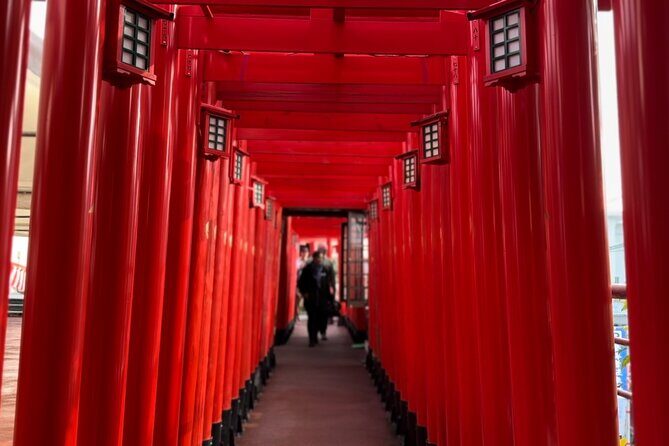
- A mix of sacred sites: Kannon, Okinawan Buddhism, prayer-focused daruma, a miraculous spring, and a royal tomb park.
A Ryukyu-Zodiac Ride Through Naha and Shuri
This tour is built like a pilgrimage that moves. Instead of doing shrine-hopping by foot, you cover the distance on an e-bike and let the city’s back alleys lead you from one sacred meaning to the next. The idea is to show a little-seen slice of Okinawan culture—how people today still practice traditions that trace back to the Ryukyu Kingdom era.
What I like about the theme is that it’s not just decorative sightseeing. You’re going to temples, springs, ceremonial gates, and royal-related sites where the stories are tied to worship, gratitude, and daily life. The spiritual framing is polite and human, not heavy—think of it as a guided way to notice what Okinawans pay attention to.
One more thing: the tour carries a “come as you are” vibe. It even notes that plans may change if weather is rough, which is a good sign this isn’t pretending the outdoors are always convenient. You’re riding in an actual city, not in a themed park.
You can also read our reviews of more cycling tours in Naha

Starting at Makishi Monorail: e-Bikes, helmets, and a fast setup
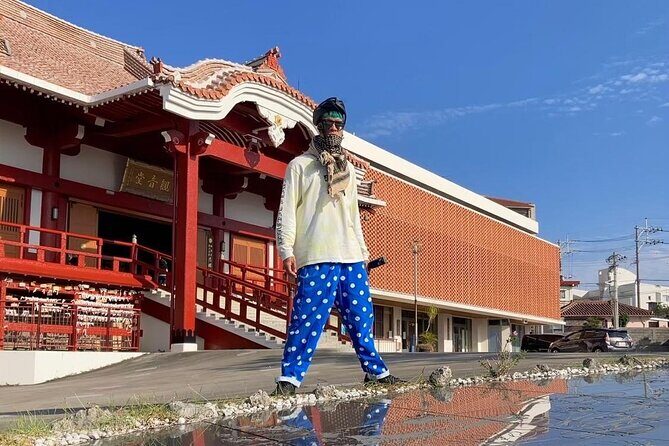
You meet near Makishi Monorail Station at 3-chōme-13-20 Makishi, Naha. The meeting point is about a 1-minute walk from the station, which keeps it from turning into a scavenger hunt before you even start. When you arrive, you pick up the electric bikes and get a short safety briefing.
This early part matters more than it sounds. If you’re not used to e-bikes, that first instruction helps you get your balance and figure out how the assist feels before you hit the sacred stops. Helmets are included, and they’re already set up for you, so you’re not juggling gear.
The tour is also built around a smooth handoff. The starting stop includes time for your setup and instructions, then you move on. That structure helps if you’re traveling solo, or if you just want the day to run without extra planning.
Shuri Kannondo: Kannon carvings and vermilion Shuri views
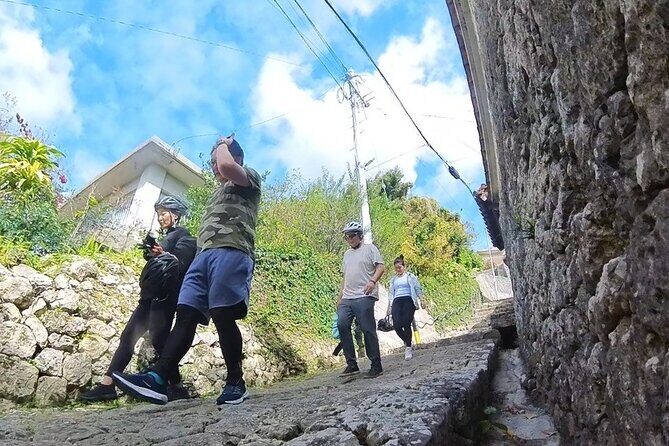
One of the highlights is Shuri Kannondo, where you’re looking specifically for Kannon Bodhisattva, the guardian deity associated with the Ryukyu Kingdom. Kannon is a recognizable spiritual figure across Japan, but this stop is grounded in Ryukyuan style through the setting and the details you can actually see.
Expect a short visit with a chance to slow down for carvings and ornaments. The tour description also points out the bright vermilion temple feel and a view over Shuri, which is perfect for those “I can’t believe this is right here” moments. And yes, a photo with the scenery is part of the fun—just remember the site is still a working place of worship.
Time is limited at each stop, so your best move is to look first, photograph second. If you try to do both at once, the spiritual parts blur into background. With a guide, you’ll typically get pointed attention quickly, which helps you make the most of the short window.
Ankoku-ji Temple: Okinawan Buddhism and traditional neighborhood streets
Next comes Ankoku-ji Temple, reached by passing through local areas where you can still spot traditional houses. That transition is part of the value. You’re not just arriving at a shrine; you’re riding through the kind of neighborhood texture that makes the sacred spaces feel like they belong here.
At the temple, the tour focuses on Okinawan Buddhism practiced for over 500 years. That’s the sort of detail that changes how you look at a place. Instead of treating temples as snapshots, you start treating them like long-running community landmarks.
This stop also brings you closer to the everyday side of devotion. The vibe is more grounded than monumental. You’re still in a city, still in motion, but you’re arriving at a place where tradition has been held for centuries.
Shuri Castle gate photos, Daruma prayers, and Seikoji calm
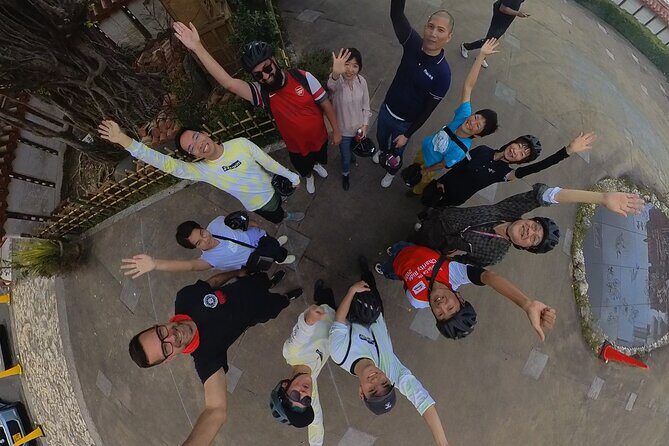
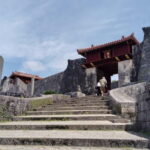
The ride then shifts into high-recognition Ryukyu visuals. At Shuri Castle, you get to see a special ceremonial gate that symbolizes Okinawa, painted in eye-catching vermilion. The tour explicitly encourages a bike photo in front of the gate. It’s one of the easiest “postcard meets reality” moments on the route.
After that, Sairaiin (Daruma Temple) turns the mood toward prayer you can feel. This is a stop visited by many devotees who pray for good health and pregnancy, while giving thanks for their current life. It’s also known for bright red daruma dolls, which make the whole scene visually memorable, even in a quick visit.
Then you reach Seikoji, where the experience changes again. You cross the main street and ride past the monorail that runs above you, and suddenly you’re at a temple with a sacred atmosphere. The tour notes that next to a new temple rebuilt after the war, there is an ancient Japanese element nearby—so you’re standing in a space that carries both continuity and rebuilding.
Together, these stops do something useful: they show that Okinawan sacred culture isn’t one style. It’s a set of practices and meanings expressed through different buildings, objects, and reasons for prayer.





Shuritobarucho’s miraculous spring and Sogenji-dori’s royal connection

If you like stories tied to specific places, Shuritobarucho is a standout. This is a miraculous spring where water was discovered deep in the forest after an Okinawan princess noticed waterfowl were nearby. That kind of origin story makes the water feel personal—not just a natural feature.
You’ll feel the point fast: the spring isn’t presented as folklore entertainment. It’s framed as a historical connection that people still relate to today. In a short stop, that’s the kind of detail that gives you something to hold onto when you’re moving again.
Then you get the ride payoff: Sogenji-dori includes a downhill section that leads to the sacred place where successive kings of the Ryukyu Kingdom were entombed. Now it’s a park in the city, with elements like a stone gate and a banyan tree you can spot as reminders of the site.
This pair of stops works well in sequence. You go from water-as-miracle to kings-as-legacy. Even if you’re not a history buff, the emotional logic clicks: life, nature, and leadership all get treated as part of the same spiritual map.
Snacks, goshuin-cho, and what to do after you finish
The tour includes snacks, which is practical for a 4-hour ride. It’s also a nice way to keep you from thinking about food logistics mid-tour. You’ll also receive the pilgrim’s book called Goshuin-cho, which gives your visit a “pilgrimage keepsake” feel rather than just photos.
Admittedly, goshuin-cho is only valuable if you use it as intended, so pay attention when the guide explains how to approach stops. If you’re unsure, ask early rather than waiting. The tour pace moves, and it’s easier to get it right than to puzzle it out later.
After the final stop, the tour ends back at the shop where you return the bicycle. Then you’re free to enjoy Naha on your own, without feeling like you must keep riding to justify the ticket.
Price and value: how $108.72 turns into a full Okinawa mini-day
At $108.72 per person, this isn’t a cheap impulse buy. But it’s priced like a guided half-day with equipment and cultural context.
Here’s the value math that matters:
- You get an electric bicycle (not just a rental bike) plus an installed helmet.
- You’re guided between multiple sacred sites instead of piecing together routes yourself.
- Several stops are free for admission, so you’re paying for the ride and interpretation, not entry fees.
- You get extras like Goshuin-cho and snacks included.
If you’re the type who hates guessing your way across city neighborhoods, the guide’s role is the real cost saver. The cultural explanations turn the temples into something you can understand quickly, which is exactly what you want when your time is limited.
Also, since this is a small group, you’re not crammed into a cookie-cutter format. That alone can make the experience feel more personal and easier to manage, especially if you have questions.
Weather, streets, and the practical riding checklist
This tour requires good weather, and it gives you a clear warning system. If the precipitation probability exceeds 70% or severe weather hits, the tour may change plans. In that case, you’re contacted the day before.
On the riding side, expect a mix of calm back alleys and some busier roads. E-bikes help a lot when you’re dealing with hills, and the guide can keep the route manageable. Still, you’ll want to ride with attention since city streets are part of the deal.
What’s not included is also important. Bottled water isn’t provided, and there’s no camera mount or phone holder. So bring your own way to carry essentials, and plan for water so you don’t end up improvising later.
Who should book this Zodiac shrines cycling tour?
This is a great fit if you want culture with movement. You’ll enjoy it most if you like short visits to several meaningful places, with a guide who explains what you’re seeing instead of letting you wander blind.
It’s also a good option for travelers who don’t want to commit to a long day of slow temple walking. The e-bike format keeps the energy level sane while still letting you feel like you’re actually out in the neighborhoods.
If you’re traveling with kids, children aged 1 to 5 can have a child seat attached to the parent’s bicycle, but you’ll need to consult the staff for the right setup. And with a max of 5 travelers, it’s easier to keep the experience calm.
Should you book this Zodiac shrines tour?
Book it if you want a guided, small-group half-day that connects sacred Okinawan sites into a coherent story—fast. You’ll likely get the best value if you enjoy biking, don’t mind short stop times, and appreciate explanations that make religious details click.
Skip it if your idea of a temple visit requires long silent wandering with zero schedule. This tour is structured, time-boxed, and moving, so it’s not designed for deep solo pacing at each stop.
If you’re torn, lean toward booking. It’s one of the smarter ways to see Naha + Shuri without wrestling routes on your own, and the e-bike setup plus Goshuin-cho keeps it from feeling like a standard city ride.
FAQ
How long is the Zodiac Shrines and Naha Backstreets Cycling Tour?
It runs about 4 hours (approximately).
Where do I meet, and how close is it to the monorail?
You meet at 3-chōme-13-20 Makishi, Naha, Okinawa 900-0013, Japan, near Makishi Monorail Station. The meeting point is about a 1-minute walk from the station.
What’s included in the price?
Included are use of the bicycle (electric bike), an installed cycling helmet, the pilgrim’s book Goshuin-cho, and snacks.
Is admission free at the stops?
Yes. The stops listed are marked as free admission tickets.
Do I need to bring bottled water or phone gear?
Bottled water is not included. Also, camera mounts and a mobile phone holder are not included, so you’ll want to plan your own setup.
How big is the group, and can children join?
The tour has a maximum of 5 travelers. Children aged 1 to 5 can have a child seat attached to the parent’s bicycle, but you need to consult the staff for details.
What happens if the weather is bad?
The experience requires good weather. If the precipitation probability exceeds 70% or severe weather occurs, the plan may change. You’ll be contacted the day before.
Can I cancel for a refund?
Yes, you can cancel for a full refund up to 24 hours in advance. If the experience is canceled due to poor weather, you’ll be offered a different date or a full refund.