REVIEW · OSAKA PREFECTURE
3 Days Private Osaka Kyoto and Nara Tour With English Driver
Book on Viator →Operated by Milkyway Tours · Bookable on Viator
Three days, three icons, one easy ride. This private Osaka–Kyoto–Nara tour keeps the logistics simple with an English-speaking driver and private transportation that picks you up and drops you back. You also get a customizable route, so the day doesn’t feel like a rigid checklist.
I especially like how the plan balances major must-sees with real breathing room, so you can actually enjoy places like Todai-ji and Kiyomizu-dera instead of sprinting between gates. The one clear consideration: entrance fees are not included and some stops (like Solaniwa Onsen Bay Tower) can add up quickly. Still, if you budget for admissions, you end up with three full days across the big three cities.
A small detail that I take seriously: the guide Vicky is specifically praised for being patient and for helping with summer heat by bringing drinks. That kind of practical care matters when you’re walking in Japanese daylight and you’d rather not feel rushed.
In This Review
- Key highlights you’ll feel right away
- Private Osaka–Kyoto–Nara: why the English driver changes everything
- Price and what it really covers for up to five
- Budget reality: admissions can be a big line item
- Day 1 Osaka: castle views, shrines, noodles museum, and Solaniwa Onsen reset
- Osaka Castle
- Shinsekai Inari Shrine
- Sumiyoshi Shrine
- Sakai City Hall Observatory
- CUP NOODLES MUSEUM OSAKA IKEDA
- Solaniwa Onsen Osaka Bay Tower
- Shinsaibashi-suji Shopping Street and Shitennoji
- Day 2 Nara: deer-park calm, Todai-ji, and garden time that balances the crowds
- Nara Park
- Todai-ji Temple
- Kasuga Taisha Museum
- Naramachi
- Kofuku-ji and Nara National Museum
- Nara Palace Site Historical Park and Isuien Garden
- Yoshikien-type garden stop
- Day 3 Kyoto: Arashiyama scenery, golden and silver temples, and Gion at street level
- Arashiyama
- Kinkaku-ji (Golden Pavilion)
- Fushimi Inari-taisha
- Kiyomizu-dera
- Gion
- Sanjusangendo and Ginkaku-ji
- Nishiki Market and Kyoto Imperial Palace
- How the three-day mix affects your energy (and how to enjoy it more)
- Who should book this private tour
- Should you book this Osaka Kyoto and Nara private tour?
- FAQ
- Is this tour private or shared?
- How many people can be in a group?
- Does the tour include pickup and drop-off?
- Is an English-speaking driver included?
- Are entrance fees included in the price?
- Can I cancel for a full refund?
Key highlights you’ll feel right away
- Private, door-to-door comfort: pickup and drop-off means you’re not piecing together trains with suitcases or tired legs
- English driver, smoother decisions: you get help timing routes across Osaka, Nara, and Kyoto
- A strong Nara and Kyoto day: time is built around the big temples plus a calmer garden rhythm
- Onsen break option in Osaka: Solaniwa Onsen Bay Tower is a serious reset after walking
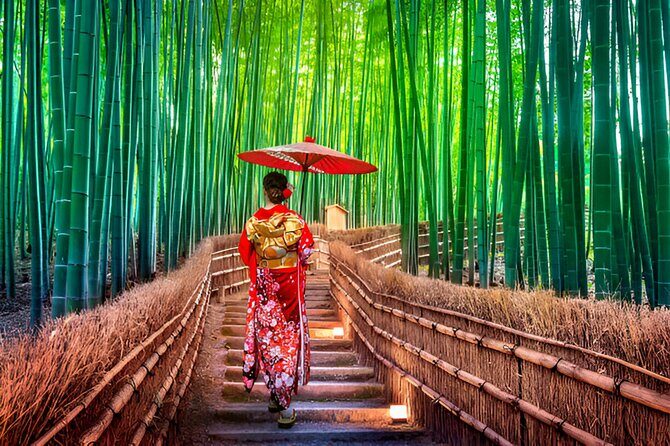
- Classic Kyoto mix, not just one district: Arashiyama, Kinkaku-ji, Fushimi Inari, Kiyomizu-dera, and Gion in one loop
- Mobile ticket + flexibility: easier entry handling and a route that can bend to your pace
Private Osaka–Kyoto–Nara: why the English driver changes everything
In Japan, the hardest part of a short multi-city trip is not the sights. It’s the time lost figuring out transit, transfers, and where to stand when crowds surge. With this tour, you’re in a car for the heavy driving legs between Osaka, Nara, and Kyoto, which instantly makes the days feel more relaxed.
You’ll also benefit from an English-speaking driver who can help you stay efficient without flattening your trip into a blur. That “customizable itinerary” promise is practical here: if you want more photo time at a shrine or want to pause for snacks, you’re not stuck waiting for a group timeline.
Because the tour is private (your group only), you can move at a pace that fits you. If you’re a steady walker, you’ll likely feel you have plenty of time. If you’re slower or plan breaks, the structure still works because the transportation is already handled.
One more plus: this is a tour with pickup and drop-off, plus a mobile ticket. Those two things are small until you’re tired and you just want to get on with the day.
You can also read our reviews of more private tours in Osaka Prefecture


Price and what it really covers for up to five
The price is listed at $1,646.41 per group for up to 5 people across about 3 days. That’s the big value story: you’re paying for private transport and an English-speaking driver, not just for a list of stops.
To judge value fairly, compare it to what you’d spend on:
- taxis or private transfers between cities and within each city
- the time cost of coordinating transit and meeting points
- paying for a separate guide to cover interpretation
This tour includes private transportation, an English-speaking driver, and pickup and drop-off. What it does not include is where many budgets get wrecked in Japan: temple admissions, garden fees, and onsen tickets.
So here’s the honest budgeting mindset: you’re really buying convenience plus interpretation, then paying admissions on top. If you’re the kind of traveler who loves major sights and doesn’t mind paying to enter, it can feel like a smart trade.
Budget reality: admissions can be a big line item
Admission fees are listed per person for many of the stops. The biggest “sticker shock” item in your plan is Solaniwa Onsen Osaka Bay Tower at ¥2,467 per person.
If you do every paid stop shown, you’re looking at roughly:
- Osaka (paid stops): Osaka Castle (¥601) + Shinsekai Inari Shrine (¥626) + Shitennoji (¥500) + Solaniwa Onsen (¥2,467) ≈ ¥4,194
- Nara (paid stops): Nara Park (¥621) + Todai-ji (¥800) + Kasuga Taisha Museum (¥400) + Kofuku-ji (¥600) + Nara National Museum (¥700) + Isuien Garden (¥900) + Yoshikien-type garden fee listed as Nara Prefecture (¥1,299) ≈ ¥5,220
- Kyoto (paid stops): Kinkaku-ji (¥500) + Kiyomizu-dera (¥400) + Sanjusangendo (¥600) + Ginkaku-ji (¥500) + Gion (¥3,240) ≈ ¥5,240
All-in, that rough total comes to about ¥14,654 per person if you opt into every charged site. Skip the onsen if you just want temple time, and the total drops fast. Skip Gion entry if your main goal is strolling streets rather than ticketed areas, and the budget gets easier.
My advice: decide up front what you want paid experiences for—big Buddha temples, major Zen gardens, and onsen. If you’re fine doing only the best of the best, you can keep admissions reasonable while still hitting iconic spots.
Day 1 Osaka: castle views, shrines, noodles museum, and Solaniwa Onsen reset
Your Osaka day is a mix of landmark architecture, Shinto sites, and one very modern detour: the CUP NOODLES MUSEUM OSAKA IKEDA. That combo is smart. It stops the day from feeling like only stone and incense.
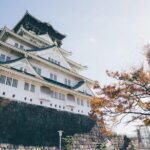
Osaka Castle
Osaka Castle is the obvious headline. You’re there for about 40 minutes, with admission not included. Even if you’ve seen other castles in Japan, this one is worth it because it’s a symbol of Osaka’s identity and a classic photo target.
Time consideration: castles can involve stairs and viewpoints. If it’s hot or rainy, go for the main viewpoint and then shift to slower stops.


Shinsekai Inari Shrine
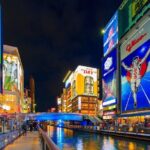
Next is Shinsekai Inari Shrine in the lively Shinsekai area for about 45 minutes. Admission isn’t included here, so this is more of a spiritual stop and neighborhood-feel stop than a “big museum” stop.
This kind of shrine visit works well with a private driver: you can park close, walk at your comfort level, and avoid wasting time hunting for entrances.
Sumiyoshi Shrine
Sumiyoshi Shrine is marked as free and takes about 40 minutes. It’s an easy add-on that gives you a break from ticketed highlights.
I like putting at least one low-cost cultural stop like this in the day. It keeps you from feeling like every hour requires a wallet flip.
Sakai City Hall Observatory
This is a free panoramic stop (about 50 minutes) at the 21st floor observatory. Views can be a great way to reset your sense of scale after walking streets and shrine grounds.
If the day is hazy, you might not get the sharpest photos. Still, it’s useful for context—how the city spreads out around you.
CUP NOODLES MUSEUM OSAKA IKEDA
About 40 minutes here, and admission is free per the tour’s fee list. This is interactive and very Japan: instant noodles history, hands-on moments, and a story behind a product that most people recognize.
If you’re traveling with teens or you’re not trying to be in temple mode all day, this is a perfect counterweight.
Solaniwa Onsen Osaka Bay Tower
You get a relaxation slot of about 45 minutes, but the fee is not included (¥2,467 per person). This is not a quick footbath style stop. It’s a real onsen experience, and it’s one of the more expensive items on the whole list.
If you’re visiting in summer or you’ve been walking all day, I’d personally call this the best value for your body. If you don’t care about hot springs, you can treat this as an optional splurge and budget accordingly.
Shinsaibashi-suji Shopping Street and Shitennoji
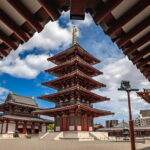
You’ll also have 1 hour at Shinsaibashi-suji Shopping Street (free), which is great for browsing and grabbing snacks. Then you finish with Shitennoji, about 50 minutes, with an admission fee listed (¥500 per person).
This day structure works: sights early, a fun modern break mid-afternoon, and then comfort and shopping later.
Day 2 Nara: deer-park calm, Todai-ji, and garden time that balances the crowds
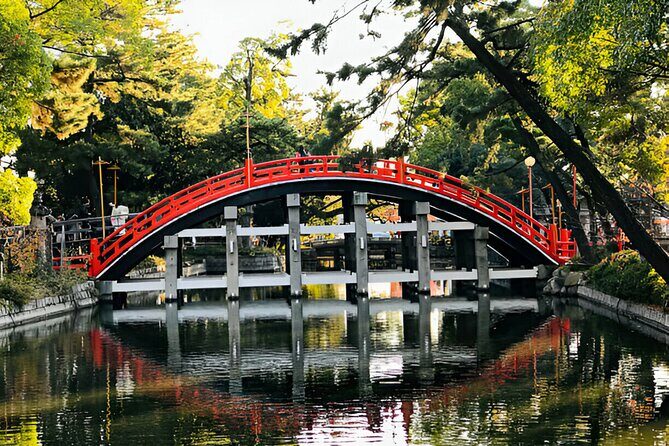
Nara is where your trip gets quieter and more spacious. The day leans heavily into temples and cultural sites, but it’s not only stone buildings. Gardens and museum time help the day breathe.
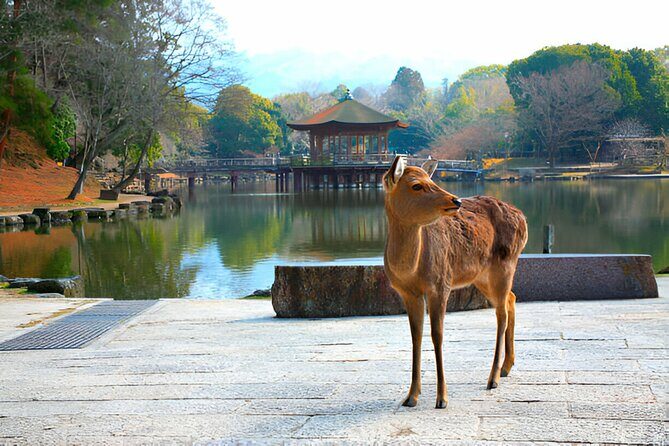
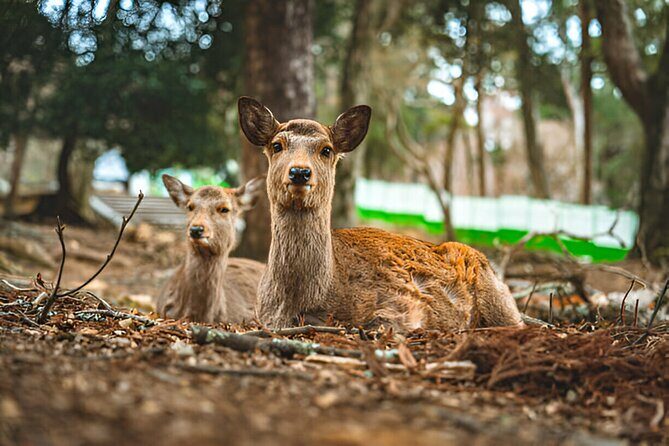
Nara Park
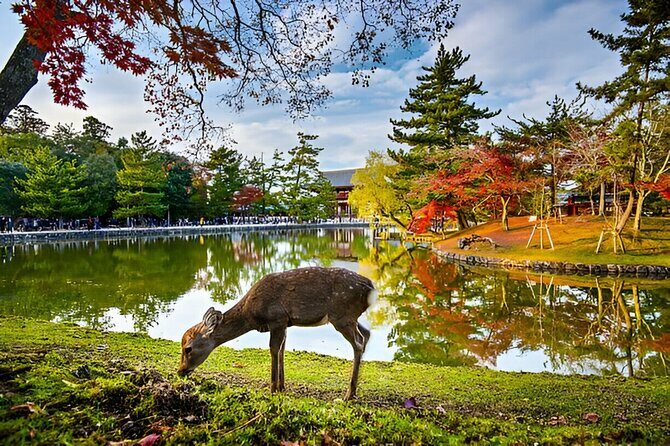
Nara Park is a long stop (1 hour 30 minutes), with admission not included (¥621 per person). The deer are the headline, but the real experience is the slow pace of the area and how you can take photos without it always feeling like a speed-run.
Practical tip: if you’re anxious around animals, just keep a respectful distance and avoid sudden movements.
Todai-ji Temple
Todai-ji is one of the biggest draws: a UNESCO site and home to the Great Buddha hall (admission listed as ¥800 per person). You get about 50 minutes.
Even if you know the headline, standing inside this kind of scale changes how you understand it. You’ll want a slow walk rather than racing to the main point.
Kasuga Taisha Museum
This is about 50 minutes with a fee listed (¥400 per person). The museum angle here is useful because it gives context for the shrine grounds instead of leaving you with only visuals.
Naramachi
Naramachi is free and takes about 40 minutes. This historic district works well after big temple scale because it’s human scale—streets, old-town atmosphere, and a chance to reset.
Kofuku-ji and Nara National Museum
Kofuku-ji is a UNESCO temple stop for about 40 minutes (¥600 per person). Then you have the Nara National Museum for about 50 minutes (¥700 per person).
This pairing is strong: temple architecture plus art/objects in a museum format. It also gives you a weather buffer if the day is too hot or too rainy.
Nara Palace Site Historical Park and Isuien Garden
The Nara Palace Site Historical Park is free (40 minutes), and then Isuien Garden is about 40 minutes with ¥900 per person.
These are the kind of stops that make Nara feel different from Osaka and Kyoto. You’re not just chasing landmarks—you’re slowing down and noticing space, edges, and design.
Yoshikien-type garden stop
There’s also a garden fee listed as Nara Prefecture (¥1,299 per person) for about 40 minutes. Treat it as another chance to sit, walk slowly, and enjoy a calmer ending to the day.
The best part about this Nara day is the balance. Big names in the morning, then more contemplative spaces later.
Day 3 Kyoto: Arashiyama scenery, golden and silver temples, and Gion at street level
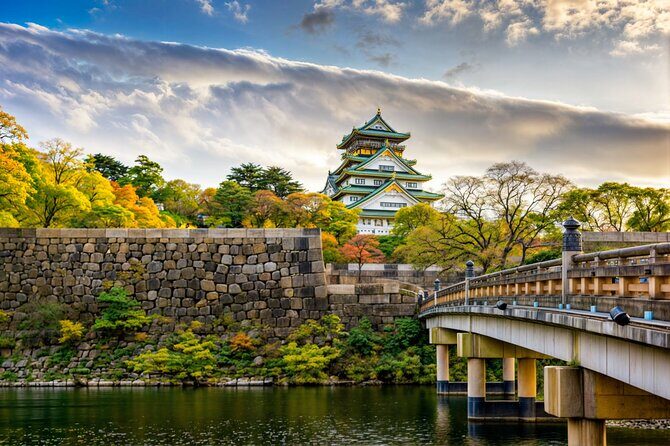
Kyoto day is where you’ll feel the most variety. You move between districts and temple styles, then you end with a classic evening feel around Gion.
Arashiyama
Arashiyama is free and about 1 hour. That’s enough time to enjoy the vibe and see key parts without turning the day into only transit.
If you’re photo-focused, you’ll appreciate the driver for drop-off and timing so you don’t waste energy getting lost.
Kinkaku-ji (Golden Pavilion)
Kinkaku-ji is about 40 minutes with ¥500 per person. This is one of those sights where the famous look is worth seeing in person.
Crowd note: the area can get busy, so having a set time window helps. You can aim for the best view and then move on rather than trying to fight for a perfect angle all day.
Fushimi Inari-taisha
Fushimi Inari-taisha is free and about 40 minutes. It’s famous for the thousands of torii gates, and even with a short visit, you’ll get the feel of the climb.
If you want fewer crowds, start early. If not, just plan to enjoy the route and don’t obsess over reaching the very top.
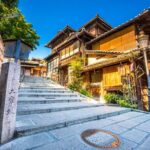
Kiyomizu-dera
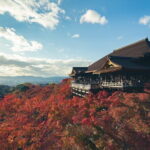
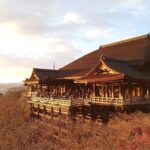
Kiyomizu-dera is UNESCO, about 40 minutes, and the listed fee is ¥400 per person. It’s a big “Kyoto moment” with multiple levels and views.
This stop pairs well with a driver because the surrounding streets are busy and parking can be tricky for solo travelers.
Gion
Gion is about 1 hour, and the listed fee is ¥3,240 per person. This is the day’s most expensive ticket item besides the onsen.
How to think about it: if your goal is the geisha-district atmosphere and a structured experience, the fee can make sense. If you mainly want street wandering and people-watching, you may decide to keep it casual and prioritize money elsewhere. Either way, it’s a fitting place to close your Kyoto arc.
Sanjusangendo and Ginkaku-ji
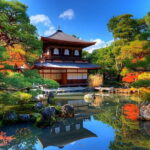
You also get Sanjusangendo (about 40 minutes, ¥600 per person) and Ginkaku-ji (about 40 minutes, ¥500 per person). Sanjusangendo is known for its large collection of statues, which is impressive in a different way than the pavilion temples.
That contrast is what makes the day satisfying: you’re not repeating one style of attraction.
Nishiki Market and Kyoto Imperial Palace
Nishiki Market Shopping District is free and about 1 hour 30 minutes. It’s a practical last-act stop for snacks and food souvenirs.
Finally, Kyoto Imperial Palace is free (about 40 minutes). It’s a quieter finish that feels more spacious than the street-level districts.
How the three-day mix affects your energy (and how to enjoy it more)
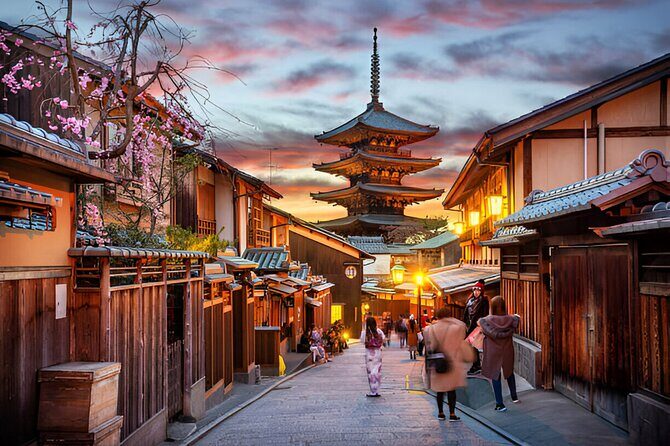
This schedule is packed with major sights, but it’s not only long walks. You get:
- multiple temple stops per day
- at least one calmer zone (parks and gardens)
- one comfort reset in Osaka via onsen
- shopping time in both Osaka and Kyoto
What that means for you: you’ll probably do best if you treat each day as two modes. Morning and early afternoon for the “big stops,” then a later shift to lighter wandering, snacks, and slower pacing.
Also, if you’re traveling in summer, plan for heat management. The positive note about the guide Vicky bringing drinks and staying patient is exactly the kind of thing that can make or break a temple-heavy itinerary.
If you want smoother photo results, you’ll get more by accepting that some places will be busy and moving through with purpose rather than trying to capture everything perfectly.
Who should book this private tour
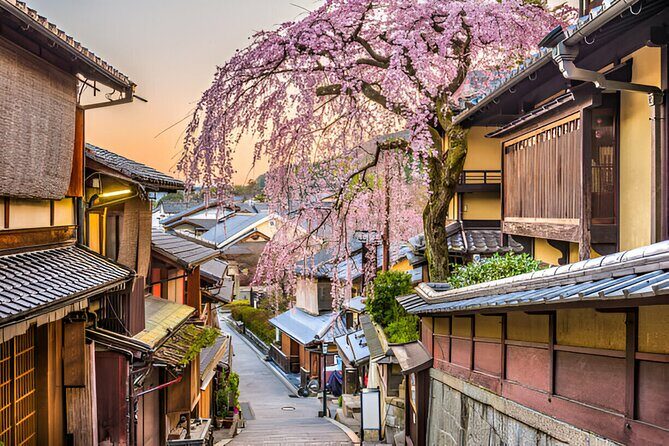
This is a strong fit for people who want:
- private transport across Osaka, Nara, and Kyoto
- an English-speaking driver for routing and timing
- a day plan that hits the main sights without leaving you to figure everything out alone
- flexibility to adjust within the structure
It’s especially good for:
- couples or small families who want fewer logistics problems
- travelers who don’t want to burn half the trip on trains
- people who like a mix of big icons plus food-and-street time
If you’re on a strict budget and hate paying admission fees, you may feel the cost layering up. But if you’re willing to pick and choose the paid stops that matter to you, it can still be a smart way to do all three cities in just 3 days.
Should you book this Osaka Kyoto and Nara private tour?
I’d recommend it if you value convenience and want a guided, English-friendly route through Osaka, Nara, and Kyoto with enough time to enjoy the big sites. The standout strengths are the private setup, the balanced day mix (temples plus parks/gardens plus shopping), and the way the guide Vicky is noted for handling heat with patience and drinks.
I’d hold off if you’re not planning to pay several admissions, because the non-included fees are a real chunk of the trip cost—especially the onsen in Osaka and the Gion fee in Kyoto.
FAQ
Is this tour private or shared?
This is a private tour/activity, and only your group participates.
How many people can be in a group?
The price is per group for up to 5 people.
Does the tour include pickup and drop-off?
Yes. Pickup and drop-off are offered and included in the tour.
Is an English-speaking driver included?
Yes. An English-speaking driver is included.
Are entrance fees included in the price?
No. Entrance fees and other fees/taxes are not included. The tour lists specific admission fees for many sites.
Can I cancel for a full refund?
You can cancel for a full refund up to 24 hours in advance of the experience’s start time. If you cancel less than 24 hours before, the amount you paid is not refunded.