REVIEW · OSAKA PREFECTURE
Kyoto Highlights Private Tour with Pick and Drop
Book on Viator →Operated by Milkyway Tours · Bookable on Viator
A smooth Kyoto day starts before you leave Osaka. This private tour is built around big-name sights plus real in-the-street help, with hotel pickup and English-speaking guidance that keeps the day running. I like the way the plan strings together classic Kyoto neighborhoods and temples without you having to figure out every transfer. I also like that you can tweak the flow to your pace, instead of being trapped by a rigid group schedule. One drawback to consider: one past customer reported a small vehicle issue and an unpleasant smoke smell, so if that matters to you, confirm the vehicle details up front.
Kyoto is a temple-and-alley city, and doing it privately makes the difference. You’ll hit Fushimi Inari and several UNESCO-listed stops, with a mobile ticket for the day’s bookings and most of your major sightseeing time protected from transit delays. The main thing to watch: entrance fees and lunch are on you, so budget for tickets and meals as you go.
In This Review
- Key Things I’d Focus On Before You Go
- Private Kyoto With Pickup From Anywhere in Osaka
- Price and Logistics: What You’re Really Paying For
- Arashiyama Bamboo Grove and Tenryu-ji: Morning Energy
- Fushimi Inari’s Torii Trail: Why Free Can Still Be Crowded
- Kiyomizu-dera Hilltop Views Without the Time Sink
- Gion Walk: Old Streets, Tea-House Facades, and Real Kyoto Vibes
- Golden Pavilion and Silver Pavilion: Two Styles, One Temple Day
- Sanjusangendo and Nishiki Market: From Statues to Street Snacks
- Kyoto Imperial Palace Grounds: Stroll Time in the Imperial Garden
- How Long Is Enough, and How to Keep the Day Comfortable
- Should You Book This Kyoto Highlights Private Tour?
- FAQ
- What’s the group size limit for this private tour?
- How long is the Kyoto highlights tour?
- Where is pickup offered?
- What’s included in the price?
- Do I need to buy a ticket or is there a mobile ticket?
- Are lunch and entrance fees included?
- Which stops are free to enter?
- Can I customize the itinerary?
- Is the tour cancelable for free?
- Is this tour suitable for most people?
Key Things I’d Focus On Before You Go
- Door-to-door pickup in Osaka means less rail stress and more actual Kyoto time
- A private vehicle for up to 6 keeps the group together, ideal for families and small friend groups
- Driver guidance is a standout (names like Imran and Ali show up in customer feedback for being helpful and practical)
- A tight mix of sights: bamboo, torii gates, hilltop views, old streets, and food shopping
- Free-entry chunks are built in like Gion and Nishiki, so you’re not paying at every step
Private Kyoto With Pickup From Anywhere in Osaka
If you’re staying in Osaka and want Kyoto without the headache, this is the kind of day that makes sense. The tour offers pickup from anywhere in Osaka, plus drop-off back at the end of the day. That matters because Kyoto day trips can eat hours with transfers, platform changes, and crowd navigation, especially on popular routes.
You’re paying for a private setup: private transportation and an English-speaking driver. There isn’t a separate “guide” included in the listed inclusions, so think of the driver as the person who helps you move through the day, spot key directions, and keep timing realistic. In customer comments, drivers like Imran and Ali are singled out for being supportive—like showing which paths to take for the best approach and how to get from one stop to the next without wasting time.
This works best when you actually want a full-day plan. With 8 to 10 hours of total time (and travel time included), you’re not just popping into one or two places—you’re getting a curated Kyoto highlight circuit with breathing room built into the route.
You can also read our reviews of more private tours in Osaka Prefecture


Price and Logistics: What You’re Really Paying For
The price is $569.27 per group, up to 6 people. That’s the key: it’s priced per group, not per person. If you fill all six seats, you’re effectively around $95 per person for a full-day door-to-door Kyoto plan with private transportation and English assistance. If your group is smaller, the per-person cost rises, but you still get the advantage of privacy and a vehicle that’s waiting for you.
Entrance fees and lunch are not included, so you should expect extra spend. On a day like this, the “hidden” costs are usually the temple admissions where tickets are required. The good news is that several stops are free (Fushimi Inari, Gion, Nishiki Market, and Kyoto Imperial Palace grounds). That mix helps keep your spending predictable.
One logistics reality check: this is a private tour with your group only, and the max group size is up to 6. If you’re traveling with extra people, don’t assume you can “squeeze in.” There has been at least one complaint tied to vehicle capacity and party size. If you’re right on the limit, confirm vehicle size and non-smoking preferences before the day arrives.
Arashiyama Bamboo Grove and Tenryu-ji: Morning Energy
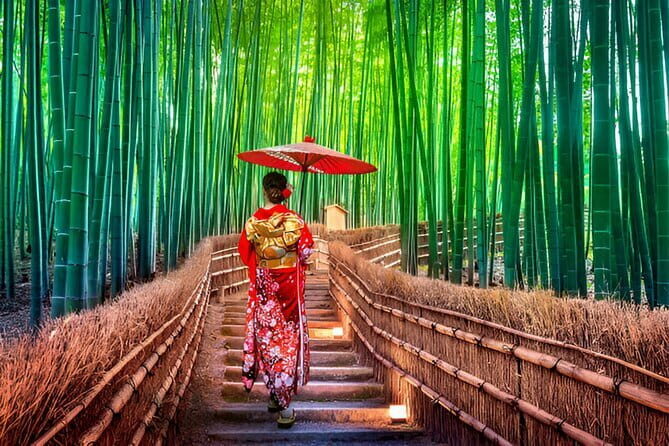
Arashiyama is where Kyoto slows down and looks like it belongs in a painting—bamboo towers, river views, and temple gardens. This tour typically starts with Arashiyama and gives you about 1 hour 30 minutes for the area, which is just enough time to get your bearings and still see the big moments.
The centerpiece is the bamboo grove, famous for its towering stalks and that quiet, almost otherworldly feeling as you walk under the green canopy. You’ll usually want comfortable shoes here because paths can be uneven and you might be walking between viewpoints rather than staying in one tight area.
Arashiyama also connects well to Tenryu-ji Temple (UNESCO-listed), where gardens and surrounding mountain views are part of the appeal. If you love traditional temple landscaping, this stop can feel like a full “Kyoto experience,” not just a photo stop.
There’s also the Togetsukyo Bridge over the Katsura River—often a great place to pause for photos and notice how the season changes the feel of the river corridor. In addition, you may have a chance to reach Iwatayama Monkey Park, which is a hike up for a view over the area. That one can be a time-saver or a time-taker depending on your pace, so it’s worth being clear with your driver about what you want most.
Drawback to plan for: admission fees in Arashiyama aren’t included, so if you’re adding Tenryu-ji or monkey-park tickets, budget for it. Also, bamboo-grove crowds can be real, so if you care about calmer photos, start your walk quickly after arriving.
Fushimi Inari’s Torii Trail: Why Free Can Still Be Crowded
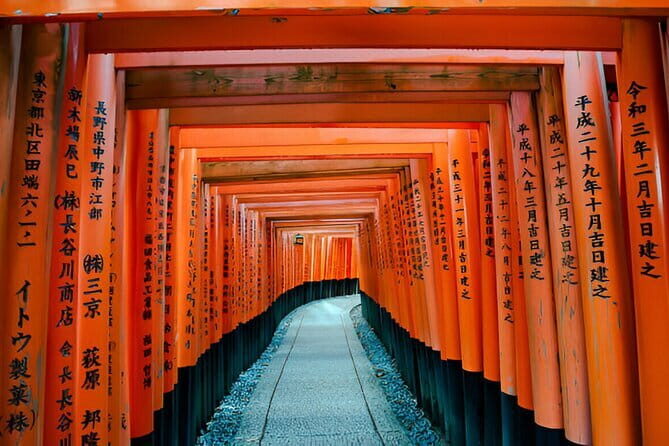
Fushimi Inari-taisha is the shrine that makes Kyoto instantly recognizable. The appeal is the pathway of thousands of red torii gates climbing Mount Inari. It’s dedicated to Inari, the deity associated with rice and prosperity, and the whole place feels like a mix of tradition and hiking.
This stop comes with about 1 hour of time, and the good news is admission is free. That doesn’t make it cheap-time-wise though—Fushimi Inari is popular, and you’ll share space with other people on the steep footpaths.
Here’s the practical part: you don’t need to go all the way to the top to enjoy the experience. With only an hour, I’d focus on getting a strong segment of the torii corridor and a couple of viewpoints, then turn back rather than trying to win a race. A helpful driver can often point you toward the best route for your time window.
One more thing: the torii paths can feel like a long flow of repeating shapes—beautiful, yes, but it’s easy to lose track of where you are if you’re moving fast. Build in small pauses, and use the break to enjoy the shrine atmosphere rather than treating it like a checklist.
Kiyomizu-dera Hilltop Views Without the Time Sink
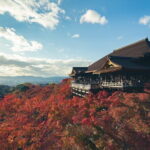
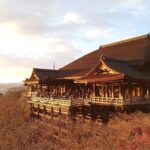
Kiyomizu-dera Temple is one of those Kyoto stops that works even if you’re not a hardcore temple person. The reason is the main wooden hall and its extended stage, which gives dramatic views over the city and surrounding hillsides. It’s also a UNESCO World Heritage site.
You get about 1 hour here. Admission isn’t included, so plan for an extra ticket cost. The payoff is worth it: Kiyomizu-dera is known for its architecture (including the idea of wooden construction without nails in the main hall tradition) and for its iconic viewpoint drama.
The grounds are also where you’ll see more than one kind of Kyoto moment. There’s the Otowa Waterfall, where visitors typically drink from the sacred waters tied to ideas like health, longevity, and success. And if you’re lucky with timing, the temple looks especially striking during seasonal periods like cherry blossom time or autumn foliage.
Practical tip: Kiyomizu-dera sits on a hill, and the paths can include stairs. If your group has mobility limits, tell your driver early so they can help pace the route. Also, if you’re photographing, expect some waiting for clear angles—this is a high-demand spot.


Gion Walk: Old Streets, Tea-House Facades, and Real Kyoto Vibes
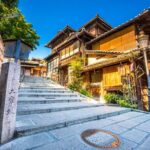
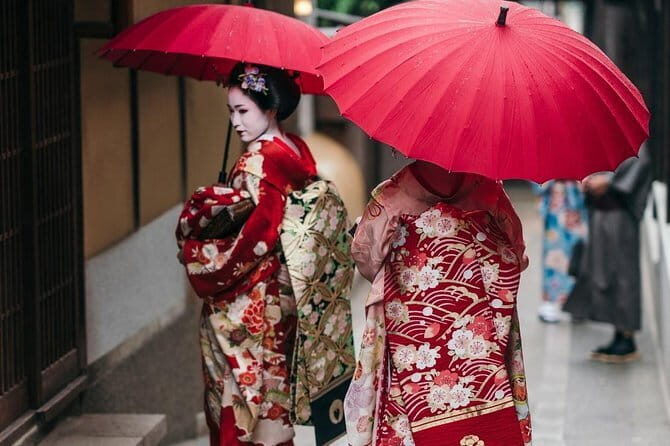
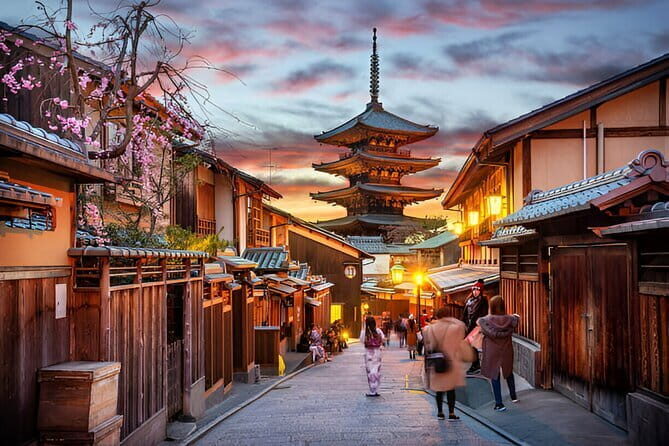
Gion is Kyoto’s signature “old town” area, famous for machiya townhouses, traditional tea houses, artisan shops, and the cultural visibility of geisha and maiko (apprentice geisha) in the area. Even if you don’t see performers on your exact walk, the streets still deliver the feel.
This stop is around 1 hour, and admission is free. The main street people aim for is Hanamikoji Street, where lanterns and narrow lanes create that postcard Kyoto mood.
Why it’s worth your time: Gion is the contrast stop between temples and markets. Temples are about views and architecture; Gion is about atmosphere—quiet corners, storefront details, and everyday Kyoto street life.
The reality check: Gion streets can be busy. The best way to enjoy it is to slow down. Walk a short segment, pause near the most photogenic stretches, then step off the busiest path to get a calmer feel. A driver who knows the timing and pedestrian flow can help you keep the walk pleasant rather than frustrating.
Golden Pavilion and Silver Pavilion: Two Styles, One Temple Day
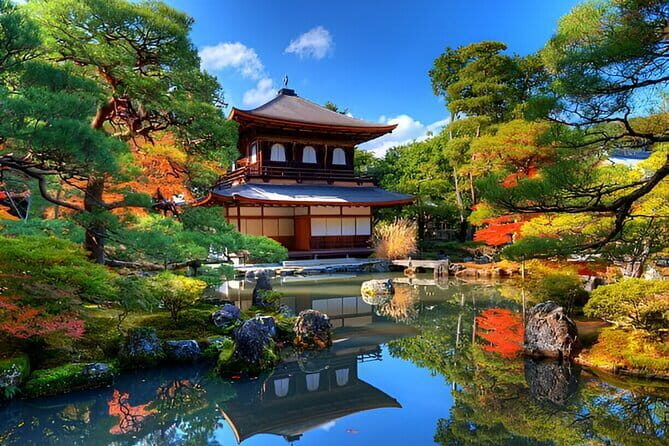
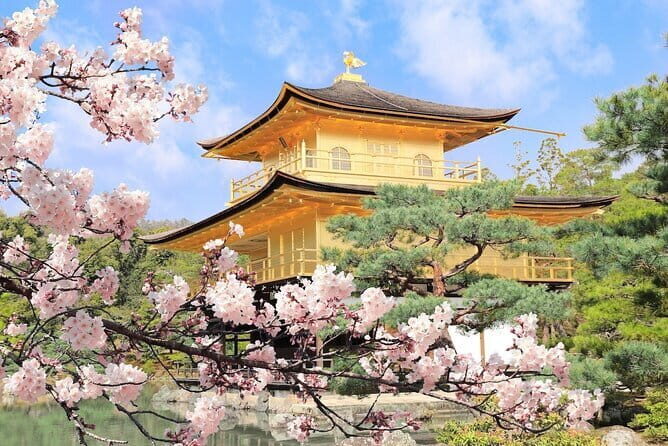
This tour’s highlights include both Kinkaku-ji (Golden Pavilion) and Ginkaku-ji (Silver Pavilion), which is a smart pairing. They’re often treated as separate destinations, but when you visit them on the same day, you get an immediate sense of how Kyoto plays with style: dramatic gold leaf symbolism versus refined, restrained garden aesthetics.
For Kinkaku-ji, admission fees aren’t included, so budget for tickets. The big draw is the shimmering gold leaf exterior that reflects the surrounding pond setting. Even if you’ve seen photos, the real thing tends to hit harder because of reflections and the sense of scale from the viewing spots.
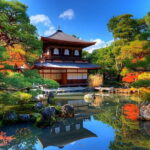
Ginkaku-ji, also ticketed, is known for the sand garden called the Sea of Silver Sand and a moss garden with winding paths. Instead of a flashy facade, the appeal is in texture and composition—how the grounds are designed so you notice patterns as you walk. This pavilion is sometimes called the Silver Pavilion, but the “silver” detail isn’t necessarily literal in the way people expect, which can be a helpful mindset. The value is in the gardens and the way the grounds invite quieter attention.
Time wise, you’ll want to keep expectations realistic. This tour aims to fit several major areas into a day, so don’t plan on deep study at each temple. Use quick, deliberate walks: one main viewing area, a short garden loop, and a pause to take in the atmosphere before moving on.
Sanjusangendo and Nishiki Market: From Statues to Street Snacks
Sanjusangendo Temple is a culture-and-curiosity stop with a very specific hook: you’ll see 1,001 life-sized statues of Kannon, arranged in rows. The sheer scale is the point, and it helps turn a temple hall into a kind of visual experience rather than a simple building visit.
You get about 1 hour here, and entrance fees are not included. If you like art and religious symbolism, this is one of the most memorable stops on the day because it’s so unusual. Even if you don’t read every panel or plaque, the repetition and craftsmanship are hard to ignore.
Then you shift gears to Nishiki Market, often called Kyoto’s kitchen. This is a shopping and food area spread over about five blocks, with lots of stalls and shops selling local produce, traditional delicacies, fresh seafood, and ready-to-eat street bites. Admission is free, and you’re given about 1 hour.
This pairing works because Nishiki is the place to refuel without needing a full sit-down lunch plan. If you want to keep your day smooth, treat Nishiki as your food “bridge” between temple time and the next sightseeing segment. You’ll also find small souvenirs easier here than at larger, slower markets.
One caution: food in Nishiki can be delicious, but it can also add cost quickly. If you have a budget, decide in advance on a couple of items to try rather than sampling everything.
Kyoto Imperial Palace Grounds: Stroll Time in the Imperial Garden
The final stop on the day’s core highlights is Kyoto Imperial Palace inside Kyoto Gyoen National Garden. The palace was the residence of Japan’s Imperial Family until the capital moved to Tokyo in 1869, and now the grounds offer a calmer, open-air kind of Kyoto experience.
Admission is free for the grounds included on this tour, and you get about 1 hour. You can see elements like the Shishinden Hall area, as well as grand gates and designed strolling gardens. Even if you’re not focused on imperial history, the space works as a mental reset after the busier temple and market stops.
This is also a good place to slow down and regroup for photos, especially if earlier parts of the day felt like a “run from one icon to the next.” Use this time to stand back and notice the space—the grounds help you understand Kyoto’s blend of ceremony, order, and natural rhythm.
Practical note: gardens are lovely, but wear shoes you can walk in comfortably. “Stroll” still means you’ll be on your feet.
How Long Is Enough, and How to Keep the Day Comfortable
With 8 to 10 hours, you’ll cover a lot, but it’s not an all-out sprint. The tour includes travel time in the schedule, and the private setup means you’re not waiting on strangers.
Still, you’ll do walking at most stops. My advice: plan for layered clothing, bring water, and choose shoes that handle stairs and uneven ground. If you’re sensitive to crowds, prioritize calmer segments like temple gardens where you can step away from peak foot traffic.
Lunch isn’t included, so decide how you want to handle food:
- If you like variety, you can use Nishiki Market for snacks and light meals.
- If you prefer a sit-down meal, plan a restaurant near your next stop so you don’t waste time crossing town.
Also consider pacing. This tour offers customizable adventures and a flexible time window, so ask your driver what the best order is for your interests. If you care most about bamboo and gardens, you’ll likely spend more time at Arashiyama and Ginkaku-ji. If you care most about shrines, you’ll focus time at Fushimi Inari and Kiyomizu-dera.
Should You Book This Kyoto Highlights Private Tour?
I’d book this if you want a high-utility day in Kyoto: the classic icons, the right neighborhoods, and navigation help that saves you from Kyoto’s transit chaos. It’s especially good for small groups who value privacy and hate time lost to planning. The private vehicle and pickup/drop-off in Osaka turn it into a true day trip, not a logistics project.
I’d be cautious if:
- You’re very sensitive to vehicle conditions like smoke smell, or you strongly need a specific vehicle type. Confirm details early.
- Your group isn’t strictly within the up-to-6 limit. Don’t risk last-minute problems.
- You don’t want to pay extra for temple admissions and lunch, since those aren’t included.
If you want Kyoto’s top hits with a smart route and practical support from an English-speaking driver, this tour is a strong fit.
FAQ
What’s the group size limit for this private tour?
It’s priced for a group of up to 6 people. The tour is private, meaning only your group participates.
How long is the Kyoto highlights tour?
The duration is about 8 to 10 hours, and travel time is included in that window.
Where is pickup offered?
Pickup is offered from anywhere in Osaka.
What’s included in the price?
Included are private transportation, an English-speaking driver, and pickup and drop-off.
Do I need to buy a ticket or is there a mobile ticket?
You’ll have a mobile ticket.
Are lunch and entrance fees included?
No. Lunch is not included, and entrance fees for stops like Kiyomizu-dera, Arashiyama, Sanjusangendo, Kinkaku-ji, and Ginkaku-ji are not included.
Which stops are free to enter?
Fushimi Inari-taisha, Gion, Nishiki Market Shopping District, and the Kyoto Imperial Palace are listed as free-entry stops.
Can I customize the itinerary?
The tour includes customizable adventures and a flexible time window, so you can tailor the day to your interests.
Is the tour cancelable for free?
Yes, free cancellation is offered. You can cancel up to 24 hours in advance for a full refund.
Is this tour suitable for most people?
The tour data says most travelers can participate.