REVIEW · TOKYO
Wagyu and Sushi : Tokyo Gastronomic Journey
Book on Viator →Operated by Japan Insider Tours · Bookable on Viator
A Tokyo food night that turns Shinjuku streets into dinner theater. I like the small-group size (max 10) because it gives you room to ask questions, and I like that you get wagyu and sushi explained with context, not just samples. You’ll also get landmark stops that make the walk feel like part sightseeing, part supper plan.
One thing to consider: this route runs through Kabukicho, so expect an energetic nightlife vibe and lots of people, even before the first bite.
In This Review
- Key Highlights You Should Know Before You Go
- Why This Wagyu and Sushi Night in Shinjuku Feels Different
- Meeting in Nishishinjuku, Then Walking Into Shinjuku’s Food World
- Omoide Yokocho: The Alley Where Tokyo Smells Like Dinner
- Kabukicho at Night: The Loud, Flashy Contrast
- Godzilla Head and the Photo Break You’ll Appreciate Later
- Hanazono Shrine: A Quiet Pause in the Middle of Shinjuku
- Golden Gai: Tiny Bars, Big Atmosphere
- The Two Food Stops: How the Night’s Dining Is Structured
- Sushi Stop: Small, Authentic, and Skill-First
- Wagyu Yakiniku Stop: Grilling Takes Over the Table
- Price and Value: What $156.77 Is Paying For
- The Small Details That Make It Work (or Not)
- Who This Tour Suits Best
- Should You Book Wagyu and Sushi in Tokyo’s Shinjuku?
- FAQ
- How long is the wagyu and sushi tour in Tokyo?
- How much does the tour cost per person?
- How many people are in the group?
- What’s included in the price?
- What is not included?
- Where do I meet and where does the tour end?
Key Highlights You Should Know Before You Go
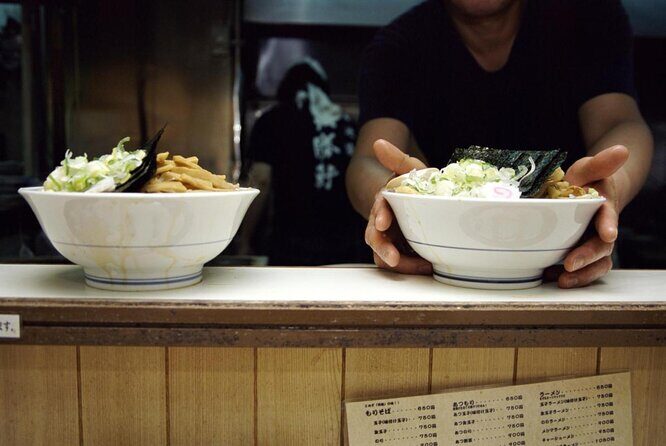
- Wagyu yakiniku plus sushi in two separate dining stops, with dinner included
- A guide-led food history and etiquette focus that helps you eat with confidence
- Photo stops around Shinjuku, including the Godzilla head area
- Shinjuku’s contrast from tiny alley lanes to the larger Kabukicho entertainment zone
- Alcoholic drinks with meals (20+), plus a photo component built into the experience
- A small group with Q&A time, which matters when you’re trying to understand what you’re eating
Why This Wagyu and Sushi Night in Shinjuku Feels Different
This 3-hour evening tour is built for one simple goal: get you to the right places, then help you understand what you’re seeing and eating while you’re there. Tokyo can feel huge and, at times, intimidating when you’re hungry and don’t speak the language. Here, a local guide acts like a translator for both food and culture, so you’re not just consuming—you’re decoding.
I also like that the pacing mixes food with short walks. You’re not stuck at restaurants for the entire time. You’ll move through Shinjuku zones that feel totally different from each other, from narrow alley barbecue energy to the louder entertainment edges of Kabukicho. That contrast makes the meal stops feel more meaningful.
Finally, it’s a practical setup. The tour includes two food stops with dinner and includes photos. You cover transportation separately (200 to 800 yen), and there’s no hotel pickup. That means you’ll want to arrive near the meeting point and be ready to walk, not wait around for a van.
You can also read our reviews of more tours and experiences in Tokyo.



Meeting in Nishishinjuku, Then Walking Into Shinjuku’s Food World
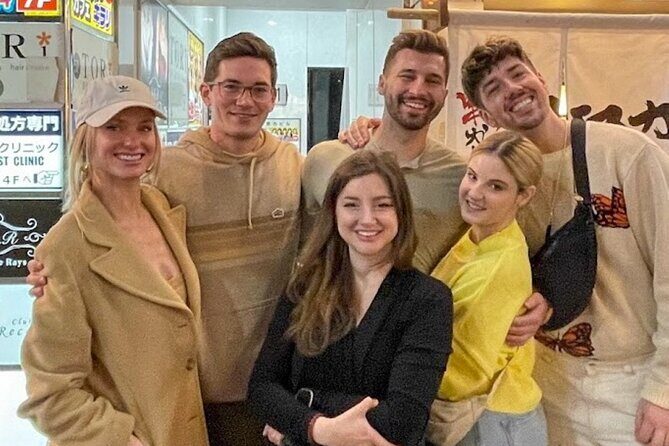
You start near Nishishinjuku (7-chōme-10-5 Nishishinjuku). The walk begins around 6:30 pm, right in the window when Tokyo shifts from late afternoon calm into dinner mode. The tour ends on the Kabukichō side (near Hashimoto Bldg., 1-chōme-1-5 Kabukichō), so it’s designed for an evening that finishes close to the action.
The max group size is 10. That’s big enough to meet fellow food lovers, but small enough that the guide can keep the conversation going. In reviews, guides like Yuki, Natsuki, Emma, Miharu, and Ando Minoru come up again and again for being kind and thoughtful, plus good at answering questions. If you’re the type who always wants to know what makes a dish special, that’s your setup.
You’ll also be given a mobile ticket, and confirmation is handled at booking time (unless you book very close to departure). Bottom line: it’s meant to be easy to show up and start walking.
Omoide Yokocho: The Alley Where Tokyo Smells Like Dinner
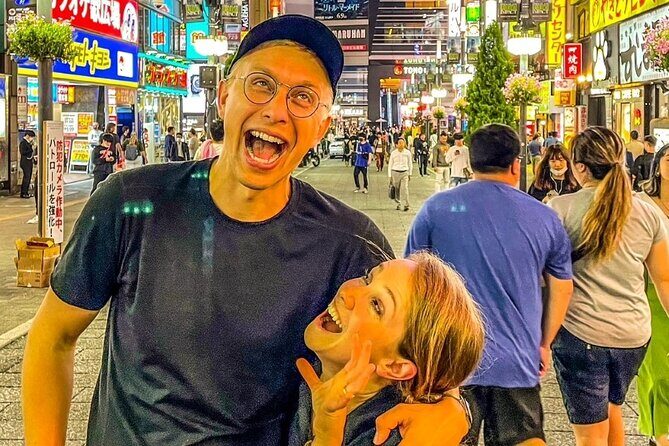
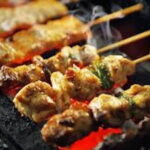
One of the first atmosphere hits is Omoide Yokocho, a maze of narrow alleys close to Shinjuku’s West Exit. This is where the modern station world drops away and you’re suddenly surrounded by tiny restaurants and open barbecue-style street grilling.
What you should expect here is not elegance. Think old-school, tight-space, high-intensity dining. Even if you’ve never set foot in this area before, you’ll get what it is immediately: people are there for quick meals, smoke, chatter, and the kind of casual rhythm that makes Tokyo feel lived-in rather than staged.
This stop matters even if you’re mainly here for wagyu and sushi, because it gives you context for how Tokyo eats. The tour isn’t only about tasting expensive food. It’s also about showing you how Japan’s food scene works in different neighborhood styles.
Kabukicho at Night: The Loud, Flashy Contrast
Next you move into Kabukichō, the entertainment district that can feel like a red-light zone at a glance. It’s an area of leisure and pleasure with restaurants, bars, and nightclubs packed together.
Is it for everyone? Not automatically. Some people love the energy and the neon chaos. Others prefer calmer streets and quiet shrines. If you’re sensitive to crowds or don’t want nightlife around you, treat Kabukichō as a “know what you signed up for” moment.
Still, from a tour standpoint, the contrast is smart. Kabukichō’s noisy energy makes the calmer stops later (and the dining itself) feel more focused. It’s like shifting gears before you settle into the main courses.
Godzilla Head and the Photo Break You’ll Appreciate Later
You’ll also pass by the Godzilla Head area for a photo moment. It’s the kind of Shinjuku landmark stop that’s easy to ignore on your own, but great to include when you have a guide keeping the walk on track.
Photo stops sound small, but they solve a real problem: Tokyo is visual, and when you’re hungry you forget to look up. A planned pause helps you actually document the night, not just rush from one meal to the next.
Also, if you’re traveling with someone who wants pictures but you’d rather focus on food, this kind of stop makes everyone happier without derailing the meal plan.






Hanazono Shrine: A Quiet Pause in the Middle of Shinjuku
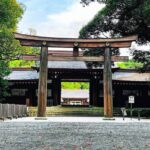
After the busier zones, Hanazono Shrine gives you a reset. Shrines in Tokyo often feel like a different world even when they sit inside busy neighborhoods. Here, the tone is more reflective, less chaotic.
This is a good moment to slow down. You’ll likely be between “walking hunger” and “dinner mode.” Even a short stop changes the feel of the evening and gives you a natural break before eating more.
If you care about Japan’s mix of old and modern, this is a simple way to see it without turning the night into a museum visit.
Golden Gai: Tiny Bars, Big Atmosphere
Golden Gai is another Shinjuku highlight, known for its warren of small bars east of Kabukichō. The area preserves the atmosphere and architecture of 1960s Tokyo.
Even if you don’t drink at every door, the point is to show you how neighborhoods create identity. Golden Gai doesn’t feel like a single venue. It feels like a network of tiny rooms, each with its own vibe. The tour timing helps here because you’re already in the mood to explore, but you’re still moving with a plan.
In reviews, people liked that the guide kept finding places that weren’t the default tourist circuit. That’s exactly what Golden Gai represents: compact, personal, and hard to replicate if you only rely on a quick internet search.
The Two Food Stops: How the Night’s Dining Is Structured
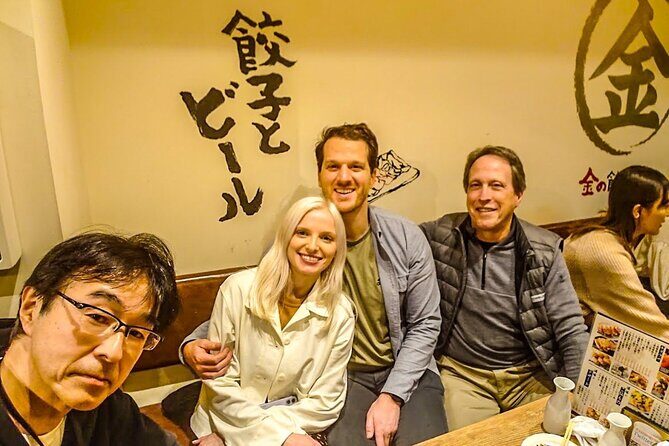
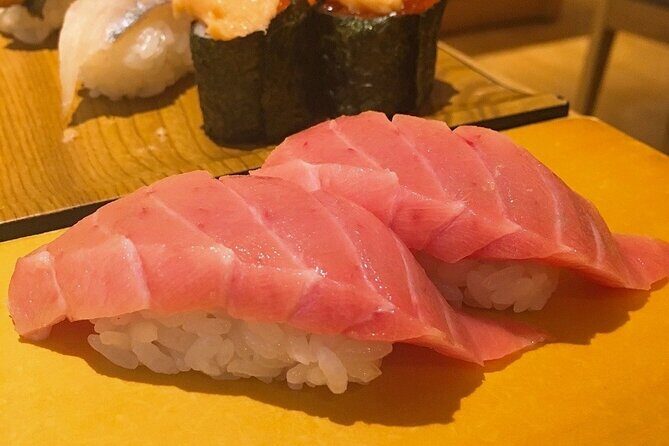
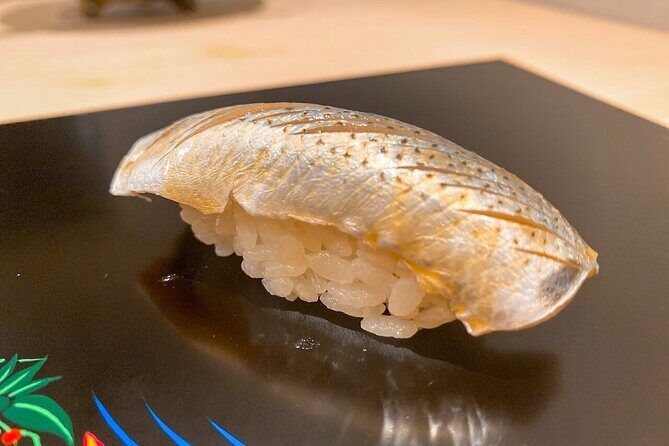
This tour includes dinner at two food stops. While exact menus can vary, the dining focus is clear: sushi at one stop and wagyu yakiniku at the other. The guide’s job is to connect the dots—what you’re eating, why it matters, and how to handle sushi etiquette in practice.
Sushi Stop: Small, Authentic, and Skill-First
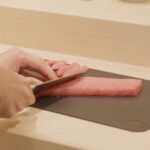
The sushi meal is typically described as small and authentic—exactly the type of place you might miss if you’re wandering without local guidance. The big value here is not only the food, but the explanation around how to eat and what to notice in the pieces.
You’ll also have alcoholic beverages included with your meal, for ages 20+. In some experiences, pairing comes up as part of the evening flow, such as sushi with sake. If you enjoy drink pairings, this structure gives you a reason to pay attention beyond the soy sauce.
Practical tip: when a guide is guiding, follow their lead on pacing. Sushi is easy to rush and easy to mis-handle when you’re excited. Let the guide set the rhythm, and you’ll enjoy it more.
Wagyu Yakiniku Stop: Grilling Takes Over the Table
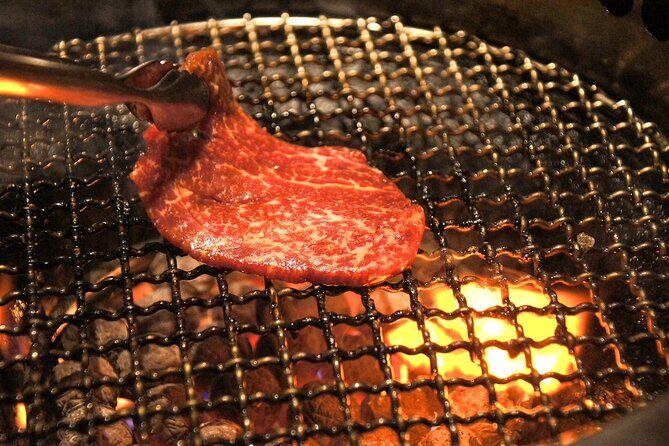
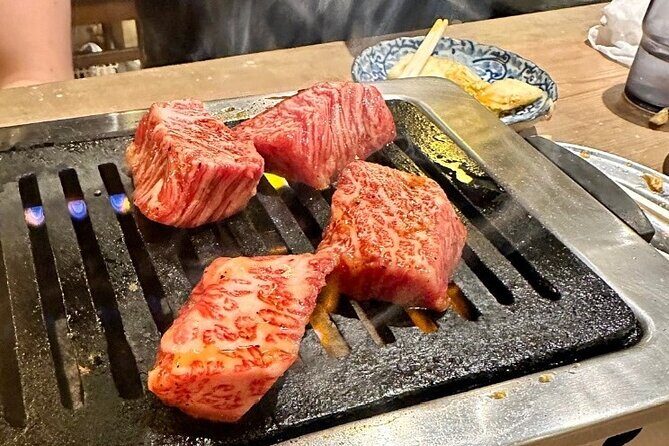
The wagyu stop is where the evening earns its name. Reviews call out wagyu yakiniku as a standout, with grilling at the table adding fun and theater to the meal. This isn’t just eating; it’s watching the process and learning what you’re looking for.
Some diners mention pairings such as wagyu with whiskey soda. Even if your drink is different, the pattern is the same: the tour includes alcoholic beverages and frames them as part of the meal experience.
What makes wagyu special, in practical terms, is that it rewards your attention. You don’t need to know technical beef science to enjoy it, but it helps when someone explains what to notice while you’re chewing. That’s one of the reasons a guided format tends to beat DIY here: you’re not guessing.
Price and Value: What $156.77 Is Paying For
At $156.77 per person for about 3 hours, this isn’t a bargain snack tour. It’s a food-focused evening with real costs baked in: two dining stops, an included guide, included dinner, included photos, and alcoholic beverages as long as you’re 20+.
So where does the value come from?
- You’re paying for access and confidence. The tour is built to get you into small places and help you order and enjoy without stumbling through the language barrier.
- You’re paying for context. The history and etiquette explanations are designed to help you understand what makes wagyu and sushi different from what you might buy at home.
- You’re paying for time efficiency. Shinjuku is huge. A guided evening helps you cover the best-feeling areas in one go without building a complicated route.
Could you do a similar plan on your own? Sure—especially if you’re comfortable finding restaurants and navigating transit. One review even questions the need for a guide because the two restaurant stops can be found. That’s a fair consideration.
But the tour’s strongest argument is not only food. It’s the combination of small-group pacing, landmarks, and eating guidance that makes the night feel coherent rather than random.
The Small Details That Make It Work (or Not)
A few things can shape how much you enjoy this kind of food tour:
- Walking and nightlife zones: You’ll move through Kabukichō and dense alleys. If you prefer quiet streets, you’ll still pass through busy areas, even if the dining is the main event.
- Alcohol included, age-gated: Alcoholic beverages are part of the inclusion, but only for ages 20+. If you’re under 20, you may want to plan around non-alcohol options, though the tour description only specifies alcohol eligibility.
- No hotel pickup: You start at a specific address and you should expect to reach it via public transportation. Transportation costs are extra.
- You get photos: That’s a real perk if you’re the kind of person who ends up with blurry selfies all night.
Who This Tour Suits Best
This is a strong match if you:
- want sushi and wagyu yakiniku in one focused evening
- like asking questions and learning what makes food special
- enjoy Shinjuku’s mix of neighborhoods, from alley lanes to nightlife districts
- value a small-group format so your guide can interact with you
It may be less ideal if you:
- hate crowded nightlife areas
- would rather spend the evening fully on your own schedule
- prefer a slower paced sightseeing plan without dinner-focused time pressure
Should You Book Wagyu and Sushi in Tokyo’s Shinjuku?
If your priority is a guided night that combines two major Japanese food styles—plus walking through Shinjuku’s most distinctive zones—this is an easy yes. The tour’s rating and repeated praise for guides like Yuki, Natsuki, Emma, Miharu, and Ando Minoru points to something important: the experience is more than food. It’s people and explanations that make the meals land better.
I’d book it if you want a setup that handles the hard parts: finding the right places, fitting landmarks into your route, and giving you enough cultural context to eat with confidence.
I’d think twice if you’re confident you can find and book the same restaurants, and you don’t care about guided explanation. In that case, DIY could feel simpler and cheaper.
If you’re deciding, I’d go with the tour if you want the night to feel planned, easy, and satisfying from first walk to last bite.
FAQ
How long is the wagyu and sushi tour in Tokyo?
The tour runs for about 3 hours.
How much does the tour cost per person?
It’s priced at $156.77 per person.
How many people are in the group?
The maximum group size is 10 travelers.
What’s included in the price?
A local guide, dinner at 2 food stops, alcoholic beverages for ages 20 and above, and photos are included.
What is not included?
Transportation costs (200 yen to 800 yen) and hotel pickup/drop-off are not included.
Where do I meet and where does the tour end?
You meet at 7-chōme-10-5 Nishishinjuku, Shinjuku City, Tokyo 160-0023, Japan, and the tour ends at Hashimoto Bldg., 1-chōme-1-5 Kabukichō, Shinjuku City, Tokyo 160-0021, Japan.