REVIEW · TOKYO
Mount Fuji Sightseeing tour with English speaking guide
Book on GetYourGuide →Operated by Royal travellers · Bookable on GetYourGuide
Mount Fuji changes with the weather, and this tour plans around that. You get a private, air-conditioned vehicle and an English-speaking driver to take you door-to-door from central Tokyo, aiming for the big Fuji sights plus the smaller, very local stops that help the day feel real.
What I like most is the mix of guided time and self-guided exploring, so you’re not stuck listening the whole ride. You’ll also get safety briefings at several main stops, which matters when you’re jumping between mountains, lakes, and valleys. One possible drawback: the tour has a low overall rating, with multiple complaints about missed pickups or cancellations, so you’ll want to be strict about pickup details and timing.
In This Review
- Key highlights at a glance
- Price and Logistics: what you’re really paying for
- Your day plan: how a “customizable” Fuji trip actually works
- First stop mood: shrine time around Arakura and Fuji Sengen
- Lake Kawaguchiko: when the day slows for water views
- Oshino Hakkai: simple, photogenic culture time (without your camera)
- Mount Fuji Fifth Station: the weather-dependent “maybe”
- Owakudani Valley and Hakone options: the second act
- Outlet time and long-drive sanity checks
- Who the tour fits best (and who might hate it)
- Reliability: the one thing I’d double-check before you go
- So, should you book it?
- FAQ
- Is this tour private or shared?
- Do I get an English-speaking guide or driver?
- Where do you pick up in Tokyo?
- How long is the tour?
- Will I definitely reach Mount Fuji Fifth Station?
- What’s included in the price?
- Is the Mount Fuji entrance fee included?
- Are cameras allowed?
- Is the tour suitable for older travelers or health conditions?
- What’s the main rule about food and drinks?
Key highlights at a glance
- English-speaking driver (with Arabic and Hindi also listed), so you can ask questions without guessing
- Private, customizable flow built around what you want to prioritize
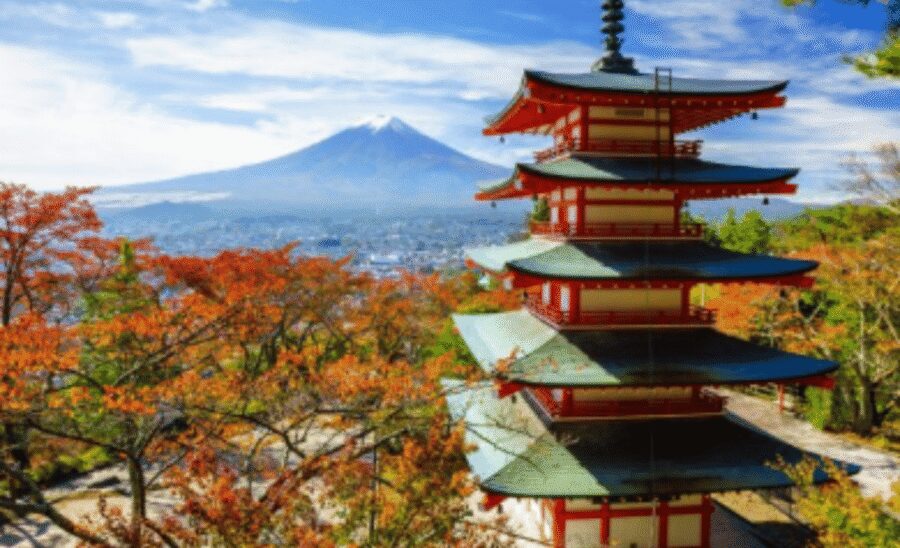
- Mount Fuji Fifth Station as a weather-dependent goal
- Lake Kawaguchiko + Oshino Hakkai as major picture-and-walk stops
- Owakudani Valley + Hakone options, including Lake Ashi
- Fuji entry fee not included (budget for it if you reach the paid area)
Price and Logistics: what you’re really paying for
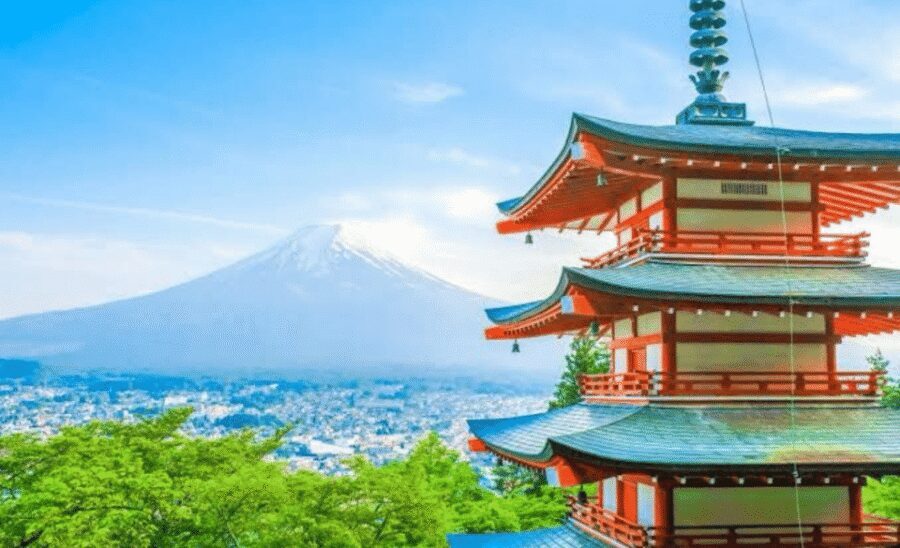
This is priced as a day tour from Tokyo, and the value comes from the “car + guide” package. You’re not just buying viewpoints—you’re buying round-trip hotel transfers, highway tolls, fuel, and an English-speaking driver who handles the driving while you focus on the stops.
The price shown is $108 per group up to 1, and the tour itself is limited to small group size (up to 9 participants). That usually means less crowding than a big bus, and more flexibility if you want to adjust the day—especially important around Mount Fuji, where weather can change plans fast.
Two practical things can affect your budget. First, the Mount Fuji entrance fee is 2,100 yen per group and is listed as not included. Second, the most dramatic Mount Fuji moment (the Fifth Station) is explicitly weather permitting, so if conditions don’t cooperate you may not reach the paid area.
Now for the non-glamorous part: the service track record has a weak spot. A few bookings show serious issues like no one arriving for pickup and the tour being cancelled. That doesn’t mean it will happen to you, but it does mean you should treat this like a high-importance day. Confirm pickup details in advance and keep your phone ready the morning of.
You can also read our reviews of more guided tours in Tokyo

Your day plan: how a “customizable” Fuji trip actually works
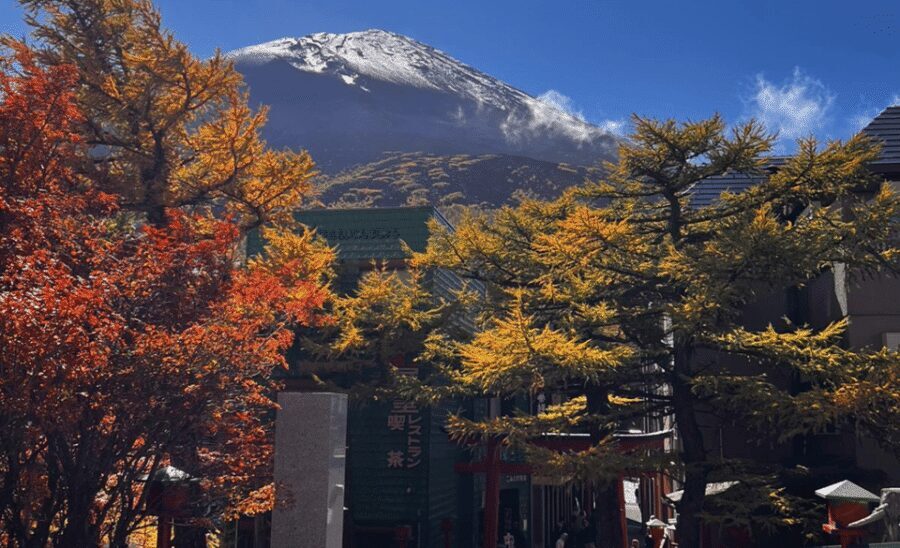
Even when a tour calls itself customizable, most days still have a practical spine. Here, the spine is a classic Fuji-area route built around a set of major nodes: mountain access (including a possible Fifth Station), lake time, spring-water village style stops, and then an extended sweep that can include Hakone and outlet time depending on what you want.
The tour runs for one day, and it uses a rhythm of guided time plus self-guided time. Several key stops include a safety briefing and a mix of guided sightseeing and time to explore on your own. That matters because you’ll likely be moving between different terrains and walking conditions. A safety briefing also reduces the chance of wasting time asking basic questions after you’re already at the spot.
Because it’s a private vehicle service with door-to-door pickup, you’ll feel the difference most in the time between attractions. Instead of navigating trains with luggage-style stress, you ride. You also get multiple pickup options across central Tokyo—Shibuya, Shinjuku, Chiyoda, Tokyo, and Kanagawa—which helps if you’re staying in a business-hotel zone.
Drop-off is also offered at central locations, so you don’t end your day in a random corner of Fuji country. You can still end up tired, though. This is an ambitious, multi-stop day. If your goal is slow and long stays everywhere, consider that you might feel “on the move.”
First stop mood: shrine time around Arakura and Fuji Sengen
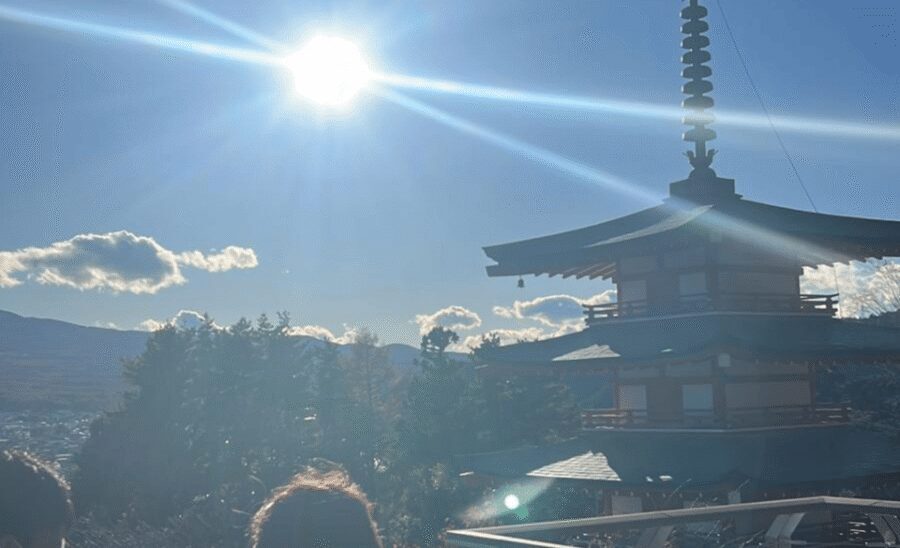
The day often starts with shrine areas connected to Mount Fuji—places like Arakura Fuji Sengen Shrine and Sengen Shrine Complex-type stops. Even if you’re not a “shrine person,” this is a smart way to ease into the Fuji theme. Shrines give you context for how locals frame the mountain: as something spiritual, seasonal, and part of daily life.
You’ll typically get about an hour of guided time at these shrine stops, with safety/situational guidance included. That’s useful if you’re unsure where to walk, what routes are open, or how to manage crowds and photo lines.
Practical note: the tour rules say cameras are not allowed. That’s a big change in how you experience these places. If you were planning on shooting everything on your phone, you’ll need a Plan B. Think of it as shifting from collecting images to collecting moments—watching details, listening to your driver’s explanations, and using memory instead of a camera reel.
There’s also a subtle upside here: if you’re not constantly taking photos, you’ll notice more of the small atmosphere—people moving respectfully, vendors doing their thing, and the overall flow of visitors.
Lake Kawaguchiko: when the day slows for water views
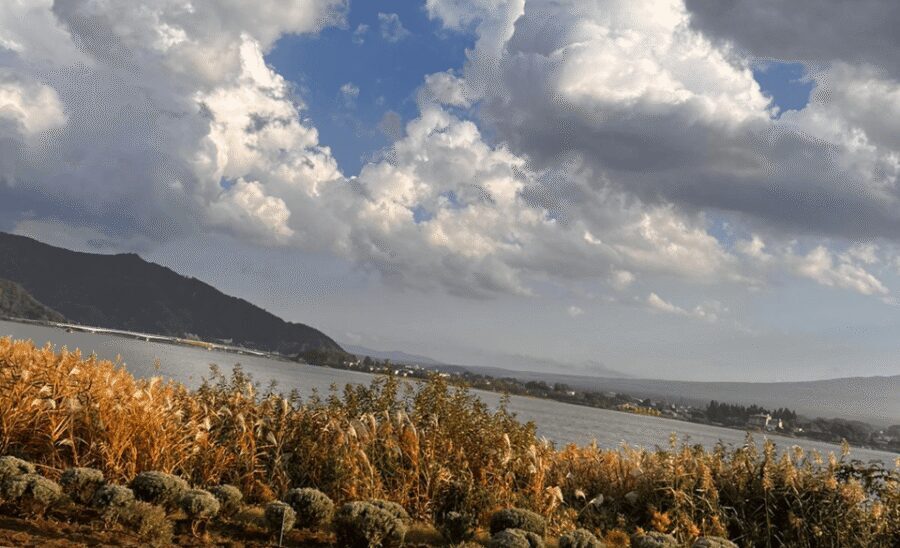
Lake Kawaguchiko is one of the main anchors of the route. This is where the trip often feels less like a sprint and more like a proper sightseeing day. You’ll get guided sightseeing time and then self-guided time, still with a structured safety briefing.
What makes this stop valuable isn’t a single landmark—it’s the break in pace. After mountain-zone travel and shrine areas, being near water is a reset. You’ll also get your first “big picture” sense of where the Fuji scenery sits in relation to towns and roads, which helps everything that comes later make more sense.
One more detail: the tour mentions the Kachi Kachi Ropeway as part of the experience. If it’s included on your particular run, it’s your chance to get a different angle without having to walk uphill for ages.
And again, camera rules apply. If you’re traveling with friends who need constant photo proof, this might not be their favorite tour. But if you’re okay with soaking it in without filming every minute, Lake Kawaguchiko can be one of the most enjoyable parts of the day.
Oshino Hakkai: simple, photogenic culture time (without your camera)
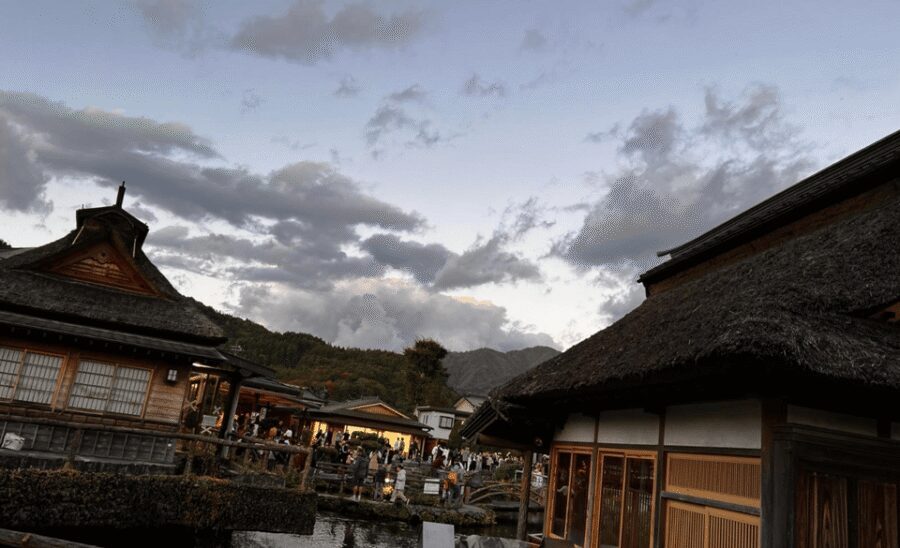
Next up is Oshino Hakkai, another key Fuji-area stop. The tour structure here is similar: guided sightseeing, a self-guided window, and a safety briefing. Plan on roughly an hour devoted to the area.
This is the kind of place where you can easily burn time, especially if you like wandering between small streets and looking at how people live and sell things nearby. The hour format is just enough to take it in without turning the day into a long stall.
The big constraint is your camera-free rule. You’ll still see plenty—if you like details like textures, water movement, and the rhythm of foot traffic, you can enjoy it. Just don’t expect to capture every moment with a device.
If you’re someone who hates being told what you can and can’t do, this is worth thinking about before booking. The tour listing is clear on no cameras, and it’s easy to feel annoyed if you’re the type who documents every stop.




Mount Fuji Fifth Station: the weather-dependent “maybe”
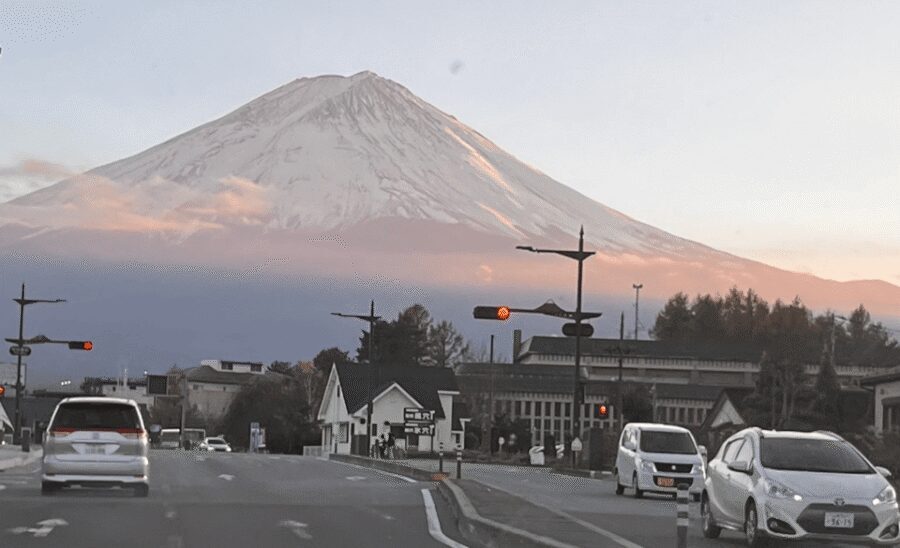
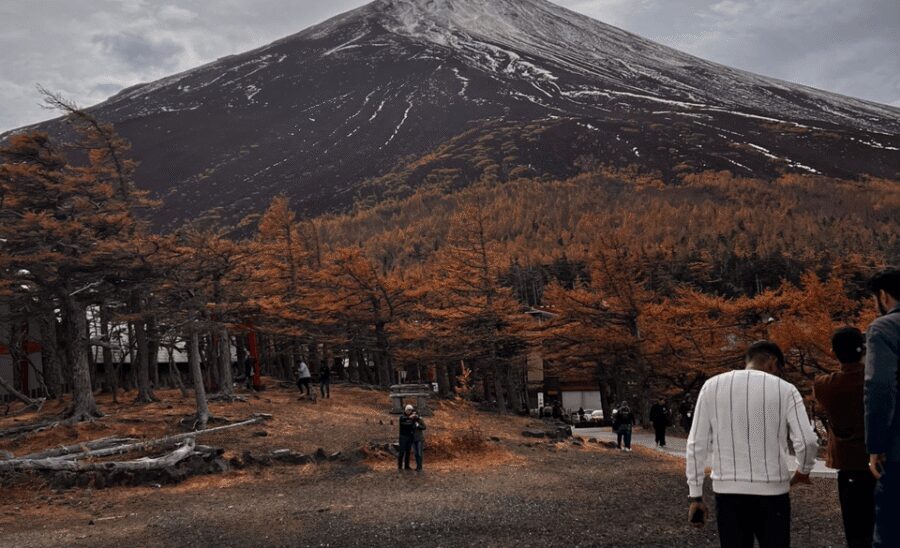
The star of this tour is the possible trip up to Mount Fuji Fifth Station. The tour says this is only if weather permits. That’s not a small footnote—around Fuji, it can be the difference between an epic high-altitude stop and a day that stays lower.
If you’re reaching the Fifth Station, the payoff is obvious: it’s the direct Mount Fuji moment most people come for. The tour also notes the Mount Fuji entrance fee is 2,100 yen per group and not included, so budget for it if you go.
If weather doesn’t cooperate, don’t assume you’ll waste the day. The route includes multiple Fuji-area sights—shrines, lakes, and other stops—so the tour can still feel full. Still, if your number-one goal is the Fifth Station, plan for the reality that you might not get it.
My practical advice: if you’re booking with strict expectations, consider flexibility in your mindset. This is a weather-driven day. The best result comes from going in expecting some parts to be “yes,” and other parts to be “maybe.”
Owakudani Valley and Hakone options: the second act
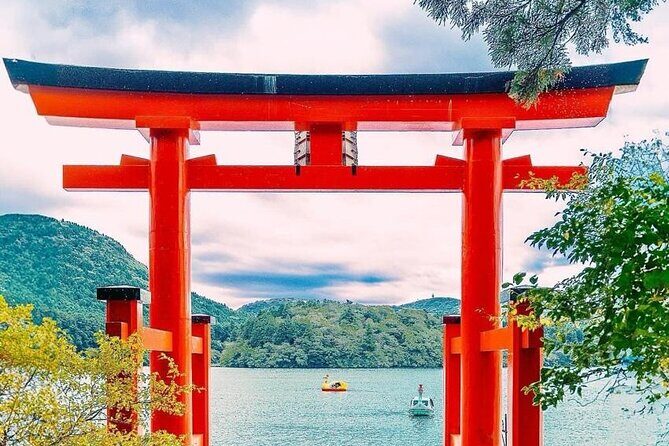
After Fuji’s core sights, the day can expand toward Owakudani Valley and into Hakone territory. You might even see stops linked to Lake Ashi and additional Hakone-focused sightseeing. There’s also an included Saiko Iyashi-no-Sato Nenba option, plus Kitaguchi-hongu Fuji Sengen Shrine and time on Shimoyoshida Honcho Street.
This “second act” is great if you want more than one kind of scenery. Even without making promises about views, the idea is that you’re seeing Fuji from multiple angles and then pairing it with a broader Hakone region feel.
Owakudani Valley is included as a stop with guided sightseeing and self-guided time, plus a safety briefing. That combination is exactly what you want in a volcanic or uneven-walking area: guidance upfront, then time to explore.
The Hakone portion is especially appealing if you like the idea of ending with a lake-and-town vibe rather than returning straight to Tokyo after the Fuji highlights. The downside is timing. If conditions are tight or roads are slow, you may feel rushed at the edges.
And remember: no cameras for the entire tour, so the experience is more about walking and listening than posting.
Outlet time and long-drive sanity checks
There’s also an option for Gotemba Premium Outlets and a stop near LAWSON Kawaguchiko Station. These are useful add-ons if you need a place to reset, buy something simple, or take a break between major sights.
Since the tour includes drinks rules (no drinks in the vehicle) and food isn’t included, you’ll want to plan meals carefully. Also, the tour lists food and drinks as not allowed, which suggests you shouldn’t plan on bringing your own snacks to eat during the ride.
This matters because a car day can turn uncomfortable fast if you’re hungry and can’t snack casually. You’ll likely need to buy food on the ground at stops, not in transit.
Who the tour fits best (and who might hate it)
This tour is best for you if you want a door-to-door Fuji day and you like learning from an English-speaking driver who can explain what you’re seeing. One past guide name that comes up is Ali, described as helpful and willing to explain Japanese culture. That kind of guiding can make the “in-between” time feel meaningful, not just transport.
It’s also a good fit if you prefer a small group and a structured rhythm with guided blocks and self-guided time.
It may not fit you if:
- you strongly want a camera-based photo marathon (because cameras are not allowed)
- you dislike feeling scheduled (you’ll have multiple stops in one day)
- you need frequent breaks for health reasons (the tour lists it as not suitable for high blood pressure and for people over 70 years, and it lists a weight limit of 287 lbs / 130 kg)
Reliability: the one thing I’d double-check before you go
With a 2.4 rating from 11 reviews, the tour has more negative feedback than I’d like to see for something as timing-sensitive as hotel pickup.
The most serious complaints are about no one showing up at the pickup point, including cases with long waiting times and lack of explanation, and at least one case where the tour was cancelled because pickup didn’t happen. That’s the sort of issue that can ruin your whole day if you have other plans.
Here’s what you can do to protect yourself without panicking:
- confirm the pickup point and time the day before
- be at the pickup spot early
- keep the booking contact info handy in case you need to reach someone quickly
And if you’re the type who gets stressed by uncertainty, that’s a signal to weigh the risk against the value.
So, should you book it?
I’d book this if you want a one-day Fuji plan with a driver who can explain things in English, you’re okay with weather deciding the Fifth Station, and you like a structured “see a lot” day. The door-to-door transfers and private vehicle time are real value.
I’d hesitate if camera-free rules matter to you or if your trip is unforgiving—like you have a tight schedule that leaves no room for a pickup hiccup. With the low rating and documented no-show complaints, you should book only if you can be organized on pickup day.
If you do book, treat it like a high-stakes day: be early, confirm details, and keep your expectations flexible about the weather.
FAQ
Is this tour private or shared?
It’s described as a small group tour with a limit of up to 9 participants, and you travel in a private air-conditioned vehicle.
Do I get an English-speaking guide or driver?
Yes. The tour includes an English-speaking driver, and Arabic and Hindi are also listed.
Where do you pick up in Tokyo?
Pickup is available from multiple areas in central Tokyo including Shibuya City, Shinjuku City, Chiyoda City, Tokyo, and Kanagawa. Drop-off is also offered at similar locations.
How long is the tour?
It’s a 1-day experience.
Will I definitely reach Mount Fuji Fifth Station?
No. The trip up to Mount Fuji Fifth Station is listed as weather permitted.
What’s included in the price?
Included items are meet and greet, petrol and gas, highway tolls, and an English-speaking driver, plus round-trip transfers from your central Tokyo hotel.
Is the Mount Fuji entrance fee included?
No. The Mount Fuji entrance fee is listed as 2,100 yen per group.
Are cameras allowed?
No. Cameras are not allowed during the tour.
Is the tour suitable for older travelers or health conditions?
The tour is listed as not suitable for people with high blood pressure, people over 70 years old, and people over 287 lbs (130 kg).
What’s the main rule about food and drinks?
Food and drinks are listed as not allowed, and drinks in the vehicle are also listed as not allowed.