REVIEW · TOKYO
Mt. Fuji & Hakone Cherry Blossom private One Day Tour
Book on Viator →Operated by Sato · Bookable on Viator
Mt. Fuji and Hakone in one tidy day. This private trip is built for people who want the big sights without fighting trains or buses, starting with Tokyo pickup and ending back where you began. I like that it mixes iconic views (Fuji 5th Station and Lake Ashinoko) with very practical stops like Oshino Hakkai and Owakudani. I also like the door-to-door convenience, especially if you’re traveling with family, older relatives, or anyone who doesn’t want long commutes.
One thing to consider: this experience can feel more like car-and-driver than a full-on lecture tour. If you’re hoping for deep Japanese history and constant narration, you’ll want to match your expectations to what the day actually emphasizes—getting you to the viewpoints, on schedule, and keeping the pace manageable.
In This Review
- Key highlights to notice before you go
- What you’re really buying with this Mt. Fuji & Hakone day trip
- Tokyo pickup to Fuji Subaru Line 5th Station: aiming for the best altitude views
- Oshino Hakkai: the short stop that rewards clear skies
- Lake Ashinoko: Hakone’s “big view” moment without extra hassle
- Moto-Hakone Shrine: the torii gate in the water, plus calm forest vibes
- Owakudani Valley: sulfur air, active geology, and the black egg tradition
- Gotemba Premium Outlets: using the last stretch of the day well
- Private logistics that can make or break your day
- Price and value: does $450 per group make sense?
- Timing tips: when Fuji is cooperative and when it isn’t
- Is this tour worth booking for your trip?
- FAQ
- What is the group size for this Mt. Fuji & Hakone private tour?
- How long does the tour take?
- Does the tour include hotel pickup and drop-off in Tokyo?
- What are the main stops during the day?
- Are entrance fees included?
- What extra costs should I plan for?
- Can I cancel for free?
Key highlights to notice before you go
- Tokyo hotel pickup and drop-off so you spend time looking out the window, not mapping transfers
- Mt. Fuji Subaru Line 5th Station at about 2,300 meters, weather and road rules permitting
- Oshino Hakkai spring ponds where clear reflections of Fuji are the main event
- Lake Ashinoko and Moto-Hakone Shrine for the calm lake setting and the torii gate in the water
- Owakudani volcanic valley for active fumes and the famous black eggs cooked in sulfur heat
- Gotemba Premium Outlets time if you want a break that’s actually useful (shopping and food options)
What you’re really buying with this Mt. Fuji & Hakone day trip
This tour is simple in concept: you rent time with a driver/vehicle and you get handed a pre-set route that hits several top Hakone and Fuji photo stops. It’s priced per group (up to 5), which is the big value angle—if you’re a small party, you avoid the cost of multiple taxis or several separate tickets and transfers.
The day is also built around views that are easiest when you don’t have to coordinate public transport. Mt. Fuji alone is doable by train, but it’s still a lot of moving parts, and Hakone adds more changes. With a private setup, you’re basically outsourcing logistics to the operator.
Still, the emphasis is mostly on transport plus sightseeing stops. Some experiences with this kind of format are heavy on driving and light on cultural explanation. The best version of this day is when your driver leans into guidance—timing, where to stand for photos, and helping you adjust when road conditions shift.
You can also read our reviews of more private tours in Tokyo

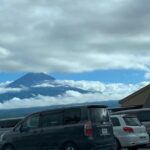

Tokyo pickup to Fuji Subaru Line 5th Station: aiming for the best altitude views
The first major goal is Mt. Fuji Subaru Line 5th Station, the most popular of the four 5th stations. You’re going up to about 2,300 meters, which is where the scenery starts changing from “mountain in the distance” to “this is real and it’s huge.”
One practical win here is access. This 5th station is one of the easiest to reach from Tokyo compared to other higher or less-developed access points. That matters because the drive isn’t just time—it’s schedule. If you want a decent chance of clear views, you need to be in the right place at the right time, before clouds roll in.
Road conditions are the main wildcard. The Fuji Subaru Line can face temporary closures in winter due to heavy snow. And during the climbing season (noted as July 14 to September 10, based on the tour’s information), the road can be closed to private vehicles. In plain terms: you can’t fully control weather, but this route is still one of the most realistic ways to structure a day around Fuji viewpoints.
Budget for the Subaru Line fee if needed. The tour lists a 5th Station Subaru line fee of $15 USD as not included. I’d plan that as an extra line item so you’re not surprised when it comes up at the start of the day.
Oshino Hakkai: the short stop that rewards clear skies
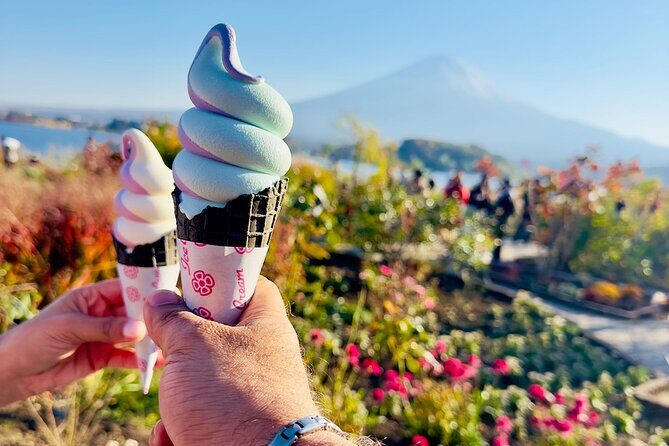
After Fuji, you shift to Oshino Hakkai (the eight spring ponds). This is a classic for a reason: it’s fed by snowmelt from Mt. Fuji that filters through volcanic rock, which helps create those clean, reflective ponds that people photograph again and again.
This stop is also a nice pacing reset. It’s only about 30 minutes on the schedule, which keeps the day from dragging, and it’s free to enter. You’ll find thatched-roof houses and small shops in the area, and there’s even fresh spring water you can drink directly from the springs.
What you should watch for is whether your weather cooperates. Oshino Hakkai can look ordinary in mist and magical when skies are clear. If you care about reflections, prioritize this stop early enough in your day that you’re not chasing daylight after clouds roll in.
Also note the tour explicitly lists the admission ticket as free here. That matters for value: you’re not stacking your day with paid entrances, so the day stays predictable.
Lake Ashinoko: Hakone’s “big view” moment without extra hassle
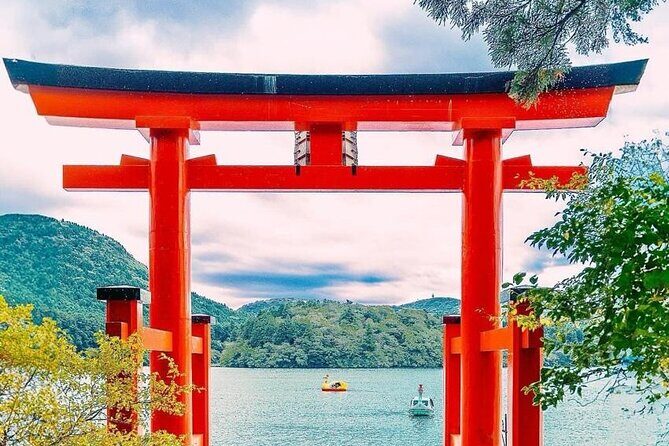
Lake Ashinoko (Lake Ashi) is the next anchor point, and it’s where Hakone starts to feel like a full destination rather than a day-trip checklist. The tour gives you about 2 hours, and it’s set up around viewpoints near Togendai, which is a well-known area around the lake.
You’ll hear about Hakone’s volcanic origin, and this lake is part of that story. It formed in the caldera of Mount Hakone after an eruption thousands of years ago. The practical takeaway? The terrain around the lake feels sculpted and dramatic, and the views often look different from one angle to another.
You might also see options around the lake like boats and walking trails, which is why this stop works even if you’re not rushing. If you’re traveling with mixed-energy people—one person wants photos, another wants a slower pace—Lake Ashinoko is flexible.
The tour notes the stop admission is free. That’s another value point: you’re paying for time, transport, and the chance to see the views, not a pile of entrance fees.
Moto-Hakone Shrine: the torii gate in the water, plus calm forest vibes
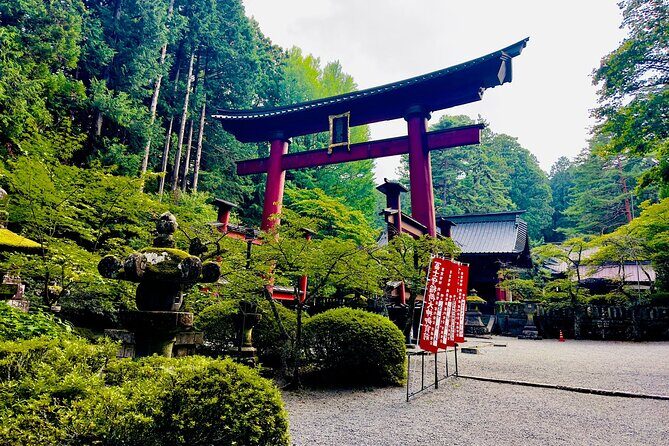
Moto Hakone Shrine sits on the shores of Lake Ashi, and the star attraction is its torii gate standing in the water, often called the torii of peace. This is a small stop time-wise (about 30 minutes), but it’s one of those places where you can feel the difference between “seeing a landmark” and “spending a quiet moment somewhere pretty.”
The shrine is also set in a forested area, so you’re not just looking at the lake—you’re moving between shade and open view. On clear days, Mount Fuji may even appear in the background, which is the kind of layering that makes photos look more dimensional.
The tour lists admission as free here too. That’s handy. It keeps the day balanced: you get variety without constantly paying to enter things.
A few more Tokyo tours and experiences worth a look




Owakudani Valley: sulfur air, active geology, and the black egg tradition
Next comes Owakudani (Owakudani Valley), an active volcanic area around a crater formed by an eruption thousands of years ago. The tour notes that you’ll experience sulfurous fumes, hot springs, and hot rivers in the area, and that you can get views of Mt. Fuji on clear days.
This stop is about 1 hour, and it’s the kind of place where the senses do half the work. Even if you don’t know the volcanic science, you’ll understand it quickly once you’re there—steam, smell, and heat make it obvious.
There’s also a fun food tradition connected to the place: eggs cooked in hot spring pools with the shells blackened by sulfur, sold at nearby shops. Eating one is said to prolong one’s life by seven years. Even if you treat that as a good-luck story, it’s still a uniquely Japanese way to take part in the location.
The tour lists admission as free here. That helps keep the day from turning into a fee-heavy itinerary.
Gotemba Premium Outlets: using the last stretch of the day well
At the end of the sightseeing run, you’ll have time at Gotemba Premium Outlets. This part of the day is not about culture—it’s about recovery time that still feels productive. You’ll get around 2 hours, and the mall has about 300 stores, plus restaurants and a food court.
It’s also one of the more practical shopping setups near Mt. Fuji. The tour notes that prices aren’t ridiculously cheap, but on average they can be better than standard retail in Japan. There’s also a public hot spring bath and a 50-meter-high Ferris wheel, which can give you options beyond shopping if your group splits.
If you’re traveling with someone who doesn’t want a long day of standing around, Gotemba can be a good compromise. You’re not just transporting people between viewpoints—you’re giving them something to do when the pace inevitably catches up with them.
Admission to the outlets is listed as free, so again, it’s not an added paid attraction.
Private logistics that can make or break your day
This is a private tour, meaning only your group participates. That’s a big deal because it changes how the day feels. You can usually move at the pace of the slowest person, take more photos without feeling like you’re holding up a big bus tour, and ask your driver questions along the way.
The tour includes an air-conditioned vehicle and notes a hotspot on board. It also includes all fees and taxes, plus private transportation. The details that are not included tend to be a few specific extras: coffee/tea, lunch, and alcoholic beverages, plus the Fuji 5th Station Subaru line fee ($15 USD) and the Hakone Open Air Museum fee ($15 USD).
One caution I’d take seriously: some people have described the experience as a driver-focused day rather than a guide-focused cultural tour. That shows up as a lack of deep history context. If your main goal is storytelling, you might prefer a tour format that clearly emphasizes an on-board guide with commentary.
Driving style and pacing are another expectation area. There are also reports of rushed drop-offs or concerns about driving behavior. I can’t predict your exact experience, but I can tell you what to do before you go: communicate your comfort level, ask about photo timing, and start the day early enough that you aren’t sprinting to hit stops late.
Price and value: does $450 per group make sense?
At $450 per group (up to 5), the real question is how it compares to doing this on your own. If you’re two people, the math can be tighter but still workable, because you’re buying convenience: pickup, direct transport, and a structured route that hits multiple distinct spots. If you’re four or five people, the per-person cost drops fast, and suddenly this becomes one of the more efficient ways to see Fuji and Hakone in a single day.
Also consider the hidden costs of DIY. A full day to Fuji plus Hakone often involves multiple transit segments, plus the stress of delays and crowded transfers. You’ll spend energy planning and re-planning. The private format trades that mental load for a clear schedule.
The other value factor is what’s not included. You should expect to pay the Subaru line fee at the 5th Station ($15), and there may be an Open Air Museum fee ($15) if that stop is part of your specific day. You’ll also need your own lunch and drinks. That doesn’t make it bad value—it just means your final cost will be slightly above the base price.
If your goal is simply to see Mt. Fuji and the top Hakone sights with the least friction, this pricing can be fair. If you want deep guiding and flexible stop customization, you might compare it with other tour types that explicitly build in a guide narrative.
Timing tips: when Fuji is cooperative and when it isn’t
Fuji days are all about timing and weather. The tour’s information flags winter snow and partial closures of the road in heavy snow conditions. It also notes that during the climbing season, private vehicles can’t use the road for much of that period (as stated for July 14 to September 10, 2023). So the “Fuji day” is not just dependent on your calendar—it’s dependent on rules and conditions that change.
That’s why early starts matter. When you’re stuck in traffic, your day can compress, which can reduce how much time you actually have at the viewpoints. If you’re the type who wants photos first and shopping last, you’ll want to keep the day moving. If you want a slower pace, you’ll still likely need to accept some early departure.
Dress matters too. At 2,300 meters, temperatures can feel different from Tokyo, and wind can add chill. Bring layers you can peel on and off during stops around the lake and volcanic valley.
Is this tour worth booking for your trip?
I’d book this tour if you want maximum big-sightseeing per day with hotel pickup/drop-off, and you’re traveling as a couple or small group (especially up to five). It’s also a strong choice if your group includes someone who gets worn out by transit transfers.
I’d think twice if your top priority is a deeply guided cultural experience with constant explanation, or if you’re very sensitive to driving style and pacing. For that, you’d want to confirm what kind of guiding you’ll actually receive on the day.
If you’re chasing clear views of Mt. Fuji, pick your day wisely, dress for changing mountain weather, and don’t assume every stop will look identical in fog. This route still gives you multiple chances to see the region in different ways—ponds, lake, shrine, volcanic valley—so even when conditions aren’t perfect, you’re not left with just one viewpoint.
FAQ
What is the group size for this Mt. Fuji & Hakone private tour?
The tour is priced per group and can accommodate up to 5 people.
How long does the tour take?
The duration is about 10 hours.
Does the tour include hotel pickup and drop-off in Tokyo?
Yes. Pickup and drop-off are offered from your hotel.
What are the main stops during the day?
You’ll visit Mt. Fuji Subaru Line 5th Station, Oshino Hakkai, Lake Ashinoko, Hakone’s Moto-Hakone Shrine, Owakudani Valley, and Gotemba Premium Outlets.
Are entrance fees included?
All fees and taxes are included, but the Mt. Fuji 5th Station Subaru line fee ($15 USD) is not included. The Hakone Open Air Museum fee ($15 USD) is also listed as not included. Other stops on the schedule are listed as free.
What extra costs should I plan for?
Coffee/tea, lunch, and alcoholic beverages are not included, and you may also need to pay the 5th Station Subaru line fee and/or the Hakone Open Air Museum fee.
Can I cancel for free?
Yes. You can cancel for a full refund if you cancel at least 24 hours before the experience starts.